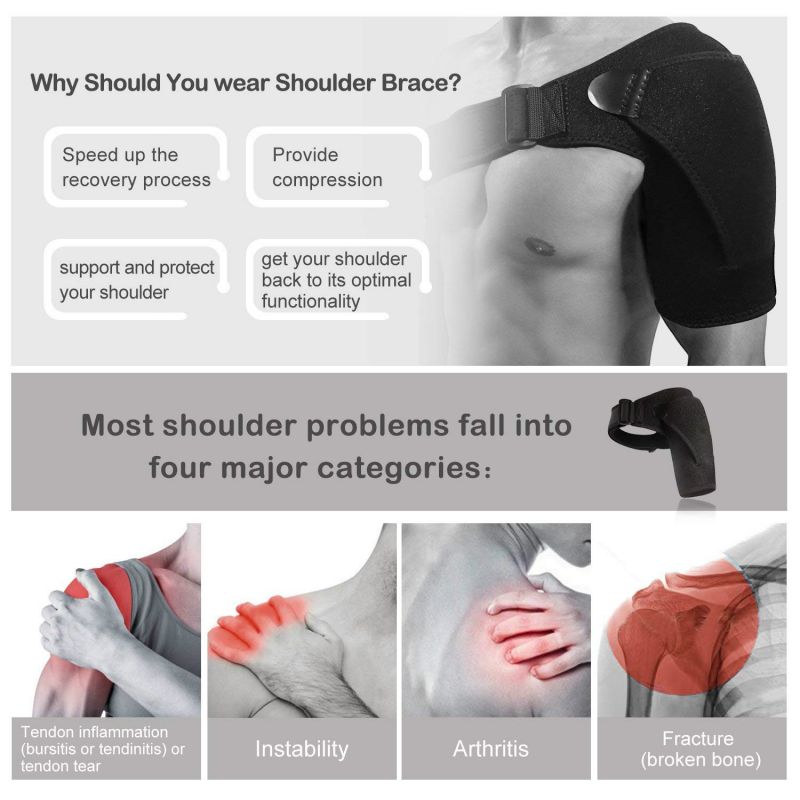
Adjustable and Removable Padding For Customized Protection
Shoulder pads with removable or adjustable padding allow you to dial in the right amount of protection based on your needs and preferences. Many of today’s top shoulder pads feature removable bicep and spine pads that let you add or subtract thickness where you need it most. This customizability ensures you can find your sweet spot between maximum protection and comfort during movement.
Removable padding also enables you to replace worn or damaged padding over time without having to purchase entirely new shoulder pads. Just swap out the pads that need replacing rather than scrapping the entire unit. Some shoulder pads even allow you to remove pads from one side but not the other, providing asymmetric protection if you suffer an injury requiring greater padding on a particular shoulder.
In addition, adjustable padding gives you flexibility as your needs change over a season. Early on, you may want thicker padding for increased durability. But later in the year after your body has conditioned, you may opt to remove pads for increased mobility. Rookies or smaller players often benefit from thicker padding, while experienced veterans favor less padding for free movement. Adjustable pads allow all players to find their personal sweet spot.
Testing out shoulder pads with removable pads gives you the opportunity to experiment with pad configurations for the right balance of protection, comfort, and mobility based on your unique needs. Just be sure to follow manufacturers’ instructions to ensure pads are securely in place during play. With the ability to customize your protection, adjustable and removable padding delivers exceptional value, configurability and longevity.
Hard Shell Shoulder Caps For Impact Force Dissipation
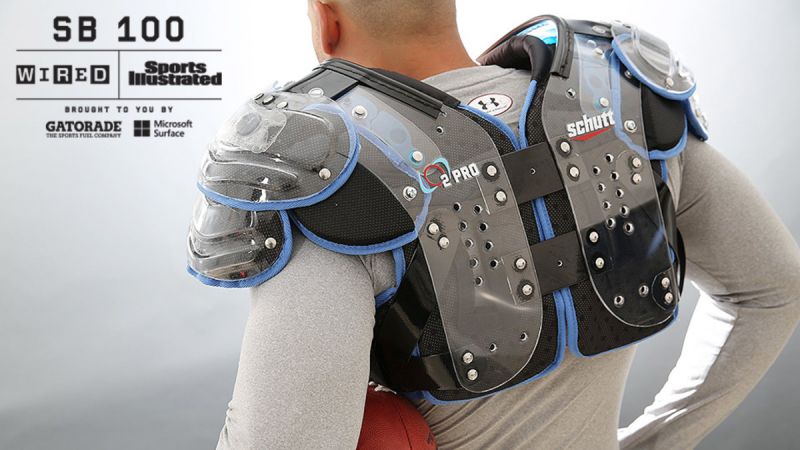
Shoulder pads with hard shell caps over the shoulders provide superior protection against the intense impacts inherent in contact sports. Made from dense materials like polycarbonate, plastic or carbon fiber, these rigid shoulder caps effectively distribute and dissipate impact forces away from the body. Unlike soft or foam shoulder pads, they don’t compress or deform on high-energy collisions, enabling them to absorb and redirect the brunt of the force.
Hard shell shoulder caps spread the force of impact over a wider surface area, reducing the risk of concentrated blows leading to bruising or fractures. They also slide smoothly on turf unlike pads that “stick” and cause twisting injuries. Their slick surface enables them to glance off hits without transmitting the full shock through to the shoulder.
Leading brands incorporate innovative materials in their hard shell caps like thermoplastic urethane or polyethylene which “give” slightly on lower force impacts. This provides some cushion and flexibility for comfort, while remaining firm against dangerous high-speed collisions. Some companies even customize the density of the shoulder caps, engineering the ideal blend of rigidity, flexibility and lightweight comfort precisely tailored to different player positions and needs.
Venting small holes strategically throughout hard shell caps allows for critical airflow circulation. Tiny perforations release excessive heat and humidity build-up inside the pads without compromising the capsule’s integrity. Breathable caps paired with moisture wicking liners keep players cool, dry and focused.
While multi-component pads offer versatile protection, single-piece hard shell shoulder caps reduce seams and gaps where separate pads can separate on impact. A single smooth dome better distributes and deflects hits.
Hard shell shoulder caps represent the pinnacle of shoulder protection for athletes in high impact sports. Their unique ability to diffuse intense collision forces before they reach the body makes them a smart investment for long term health and safety.
Lightweight and Breathable Pads for Comfort During Extended Play
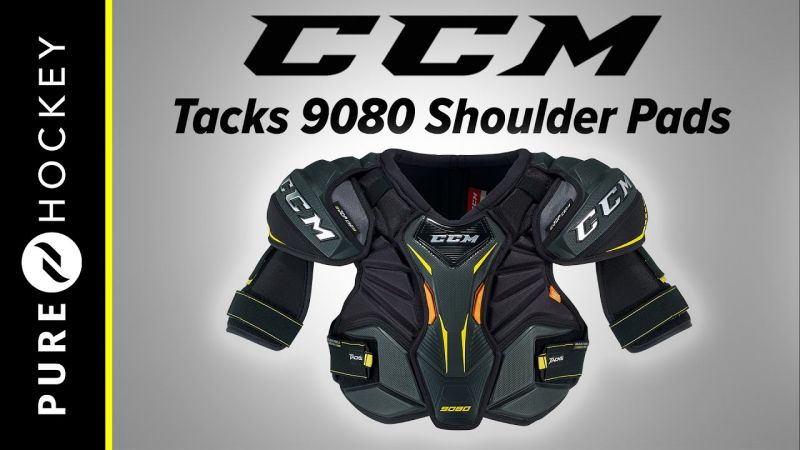
Shoulder pads designed with lightweight and breathable materials provide superior comfort critical for peak performance during games and practices. Lighter pads reduce muscle fatigue that sets in over hours of grueling play in the heat. Strategically placed ventilation channels and perforations allow built-up moisture to evaporate, keeping players cool, dry and focused.
Leading brands leverage ultra-light yet tough fabrics like stretch woven polyester in their pad lining. The smooth interior slides smoothly against the skin, eliminating friction that causes chafing and discomfort. Lightweight shoulder caps reduce neck strain and increase range of motion. By shaving ounces off traditional bulky pads, muscles stay fresher allowing players to give maximum effort right up until the final whistle.
Intelligently placed mesh panels, perforations and air channels allow fresh air flow directly to the pads interior. Breathable construction wicks moisture away from the skin and into the atmosphere. Padding made from open cell foam further enhances airflow circulation. Superior ventilation reduces body temperature build-up which drains energy and impacts performance in the fourth quarter. Staying cool allows athletes to give consistent effort for all four quarters.
Some advanced designs incorporate active cooling technologies like thermoelectric systems or phase change materials that literally pull heat out of pads. As body heat rises, pads proactively draw thermal energy away from hot spots. Other pads feature temperature regulating yarns woven directly into the fabric.
The best shoulder pads strike the ideal balance between protection and lightweight breathability. Reducing fatigue and keeping muscles fresh enables peak performance right when games are won and lost. Advanced moisture wicking technologies ensure players stay energized and focused, giving them a competitive edge.
Proper Care and Maintenance for Long Lasting Performance
Taking proper care of your shoulder pads is critical for ensuring long-lasting safety and performance over multiple seasons of play. While shoulder pads are built rugged to withstand punishing gameplay, taking a few simple steps keeps them functioning at peak capacity year after year.
Always allow pads to fully air dry after practices and games before storing. Trapped moisture from sweat leads to the growth of mold and mildew which break down pad materials. Prolonged dampness also causes corrosion of hardware like snaps, buckles and D-rings compromising structural integrity.
Use disinfecting wipes containing at least 70% isopropyl alcohol to kill bacteria on straps and lining that cause unpleasant odors. Antimicrobial liners provide additional protection against microbes. Just be sure to avoid Harsh cleaners that may degrade delicate pad fabrics and materials.
Inspect pads regularly for signs of wear like torn stitching, loose strapping or cracked shells. Damaged pads expose vulnerable areas to huge collision forces. Replace damaged pads immediately or visit manufacturers for replacement parts to avoid injuries.
Use saddle soap and sponges to gently remove surface dirt without damaging outer materials. Avoid harsh brushes or abrasives that scratch and wear down protective shells.
Store pads properly between games fully dried and with padding uncompressed. Improper storage accelerates foam break down.
Consider reconditioning services offered by manufacturers that replace worn parts and refresh protection to like-new quality extending pad life for years.
With routine cleaning, inspection and care, shoulder pads provide reliable protection far beyond a single season. Taking time to maintain equipment properly gives parents and athletes confidence in pads designed for the most intense contact.
Hard-Shell Shoulder Caps For Impact Force Dissipation
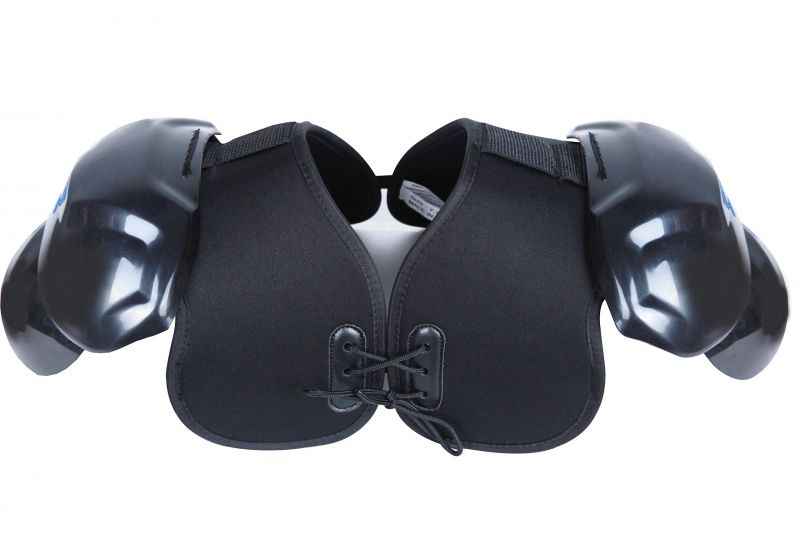
Hard-shell shoulder caps are a key component of high-performance shoulder pads, providing superior protection against dangerous impact forces. Constructed from advanced rigid materials, these outer shells effectively distribute and dissipate the brunt of collision energy away from the athlete’s body.
Polycarbonate, thermoplastic urethane (TPU), and carbon fiber are common materials used in state-of-the-art shoulder shell construction. Their dense molecular structure allows them to absorb and deflect tremendous forces from high-velocity impacts on the field.
Unlike padding alone, hard shells don’t compress or deform on big hits. This prevents concentrated forces from reaching the shoulders and collar bones. The smooth, slick surface also prevents the pads from grabbing the turf, reducing potential twisting injuries.
Advanced engineering integrates carefully designed flex zones into the shoulder caps. This provides a balance between rigidity for big impacts and flexibility for comfort during play. Shoulder freedom of movement is maintained while still dissipating dangerous rotational forces.
Venting and perforations in the shells allow heat and humidity to escape. This keeps players cool and dry without compromising protection. Antimicrobial linings paired with breathable shells reduce odor and bacteria growth.
While multi-component pads offer versatile protection across multiple zones, single-piece shoulder caps optimize force distribution. Unibody shells have no seams or gaps where parts could separate on impact.
From Pop Warner leagues up through the NFL, hard-shell shoulder caps represent the state-of-the-art in protective equipment. Their unique shock dampening abilities reduce injury risk and prolong careers for athletes of all ages and skill levels.
Segmented Shoulder Caps For Increased Mobility and Range of Motion
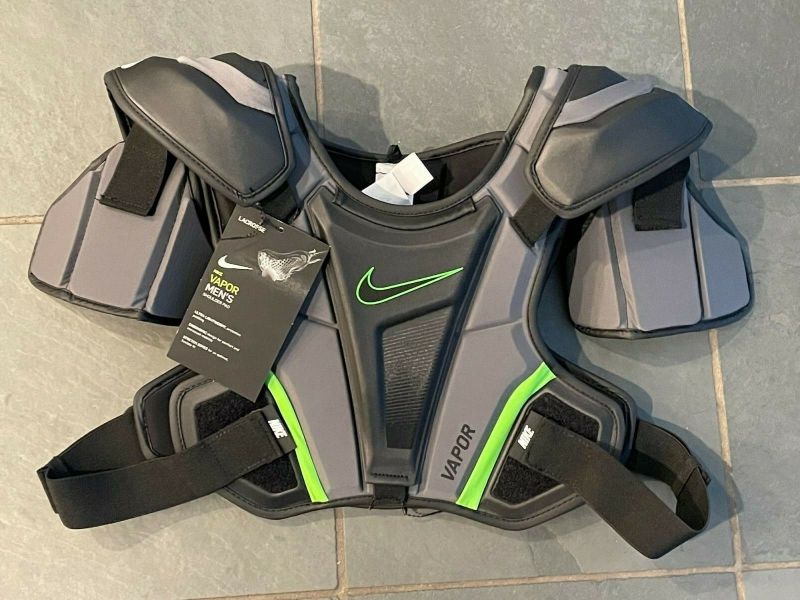
Segmented shoulder cap construction optimizes protection while providing maximum mobility and range of motion during athletic performance. Unlike bulky single-piece caps, segmented caps integrate strategic flex zones and hinges allowing the natural biomechanics of the shoulder.
By dividing the shoulder caps into 3-4 interconnected sections, each segment can move independently as the arm extends, raises or rotates. Segmented parts made from materials like EVA foam, polyethylene or thermo plastic urethane provide rigidity against hard impacts while enabling free and natural athletic movement.
Strategically placed flex grooves, films and hinges join the segments while facilitating dynamic shoulder motion. Air is able to flow between the segments reducing heat buildup. Perforations in each section enhance breathability and ventilation as well.
The multi-part design eliminates uncomfortable pinching and binding that occur with single-piece caps as the shoulders flex and extend. By isolating motion to each optimized component, segmented caps increase acceleration, response time and agility.
Enhanced mobility also reduces muscle fatigue buildup allowing athletes to give maximum effort for all four quarters without wearing down. Freedom of movement paired with cooling airflow keeps shoulders feeling fresh and responsive.
While traditional single-piece caps adequately distribute impacts, only segmented shoulder construction delivers both superior impact diversion and unrestricted mobility. Adjustable connections between segments allow customizing the balance between protection and dynamic motion.
From quarterbacks needing to quickly reset for off-balance throws to linemen exploding off the snap, segmented shoulder caps empower today’s competitive athletes to perform at their peak.
Moisture-Wicking Materials To Keep Players Cool and Dry
Advanced moisture-wicking technologies integrated into shoulder pad lining and fabric help keep athletes cool, dry, and comfortable during intense gameplay. As heat and sweat buildup inside pads during competition, innovative materials pull moisture away from the skin and into the pad lining itself.
Polyester microfibers used in shoulder pad lining feature an ultra-fine weave that draws in sweat via capillary action into the spaces between fibers. The material’s hydrophobic properties cause moisture to quickly disperse across the surface rather than saturating in one area.
Mesh ventilation zones provide additional cooling airflow to high heat areas like the neck, underarms, and spine. Increased air circulation accelerates evaporation of sweat into the passing air. Perforations in pad shells enhance this ventilation effect.
Some cutting-edge designs also leverage “dynamic moisture wicking” technologies. These fabrics contain öleophobic fluorocarbon coatings that create an electrostatic charge pulling in sweat, while repelling external liquids like rain or mud.
By keeping athletes’ skin dry, moisture-wicking technologies help maintain comfort, body temperature, and energy levels for peak performance. Wet pads cause chafing and compromised protection.
Anti-microbial treatments on moisture-wicking liners reduce odor by inhibiting bacterial growth. Silver ions woven into fabric kill microbes on contact.
Moisture management is especially critical for athletic equipment like shoulder pads worn directly against the skin during intense exertion. Advanced wicking materials create a critical comfort layer so athletes can focus on performance.
High-Density Foam Padding Across Vital Impact Zones
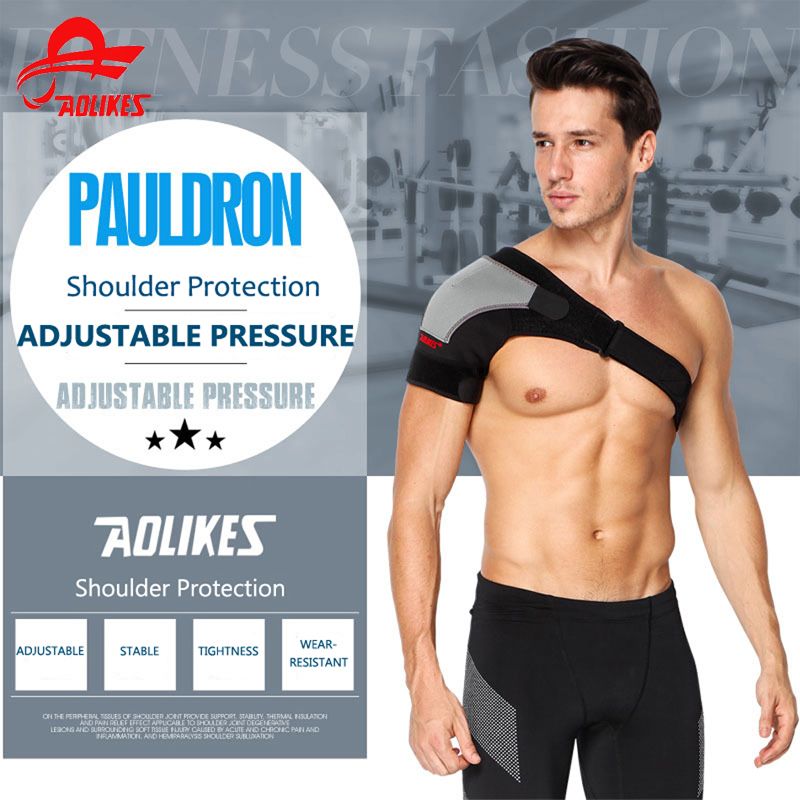
Strategically placed high-density foam padding in shoulder pads protects athletes from dangerous impacts to vulnerable areas like the collarbone, ribs, and shoulders. Advanced foams absorb and dissipate collision forces before they reach the body.
Closed-cell foams like EVA (ethylene-vinyl acetate) provide excellent shock absorption properties in lightweight and thin constructions. Their dense and uniform cell structure compresses to divert impact energy away from point of contact.
Smart pad designs tailor foam densities to the amount of protection needed in each body zone. Less dense, more flexible foams around the shoulders maintain mobility, while extra-firm foam overlays vital strike regions. Removable foam inserts allow further customization.
Innovative multi-layer foam constructions feature different densities tuned for specific types of impacts. Softer low-density foams on the body side absorb shear impacts parallel to the skin, while high-density exterior layers divert perpendicular collision forces.
Vented foam containing perforations allows air circulation for cooling and moisture reduction. Open cell foams also promote airflow while cushioning.
While rigid shells divert and deflect the initial impact, customized high-density foam padding acts as the last line of defense protecting athletes from trauma. Intelligently engineered foam absorbers enable active protection across key vulnerable zones.
Heat and Abrasion Resistant Outer Materials
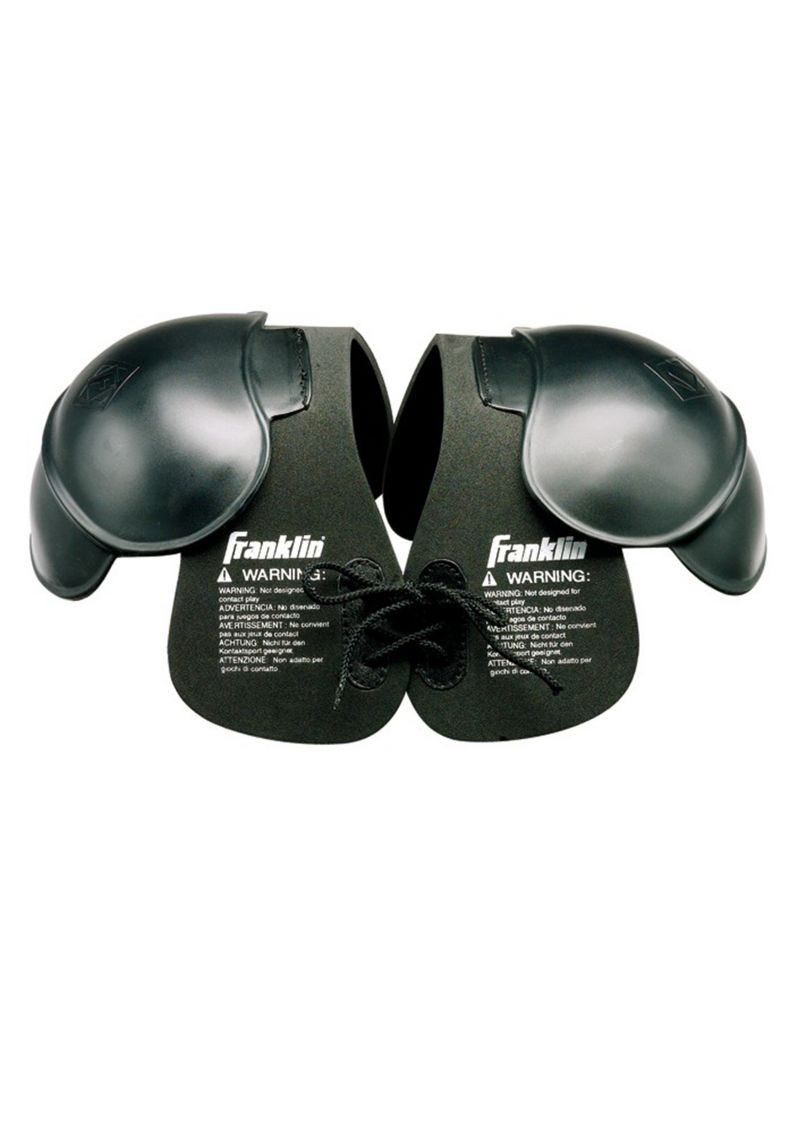
Shoulder pads engineered with heat and abrasion resistant outer materials withstand the punishing conditions of the football field. Advanced fabrics protect the foam padding and structural components inside from damage during gameplay.
Tough woven fabrics made from high-density polyethylene or ballistic nylon provide exceptional durability against scrapes, turf burns, and cuts. These materials resist rips, tears, and perforations that would allow pad foam and internals to be exposed.
Their dense weave also protects against field debris and friction. Low coefficients of friction reduce grabbing or sticking against playing surfaces.
High strength polymer fabrics withstand extreme stretching and deformation from intense collisions and impacts. Strong double stitching joins materials securely.
Meanwhile, breathable mesh underarm panels allow for critical cooling airflow and moisture evaporation. Ventilation perforations in materials aid active cooling.
Some companies leverage ColorDry technology to resist discoloration and fading from exposure to sun, sweat, and repeated washing. Vibrant colors and patterns maintain morale.
Hardwearing exterior fabrics also protect pad linings from body oils, salt, and liquids that can degrade interior materials over time. The shell takes the brunt of environmental damage prolonging pad life.
Advanced outer fabrics provide the first line of defense allowing shoulder pads to endure season after season under the most extreme game conditions. Their protective shell shields foam, padding, and inner components from compromise.
Easy to Attach and Detach Straps for Putting On and Taking Off
Shoulder pads designed with easy to attach and detach straps make putting on and removing protection fast and intuitive before and after games. Quick lock buckles, padded clips and secure Velcro allow pads to be taken on and off without hassle.
Elasticized and adjustable straps conform comfortably to different body types while keeping pads firmly in place during intense gameplay. Some straps feature segmented padding for increased flexibility.
Strategic strap placement around the ribcage, shoulders and back keeps pads secured without restricting motion or breathing. Padding cushions pressure points for comfort over hours of wear.
Secure side clips or quick-release buckles on the front panel allow pads to be slipped on like a jacket before locking straps tightly. Single pull releases make removal equally fast.
Low profile padded D-rings sewn into the back panel hold rear straps securely while laying flat against the body. Key attachment points reinforced with bar tacking prevent tear out.
Easy donning and doffing allows for quick suiting up pre-game and changing post-game. Streamlined and secure straps enable customized fit without limiting performance. Less time fiddling with gear means more time perfecting your game.
Embossed Texture For Advanced Grip and Ball Control
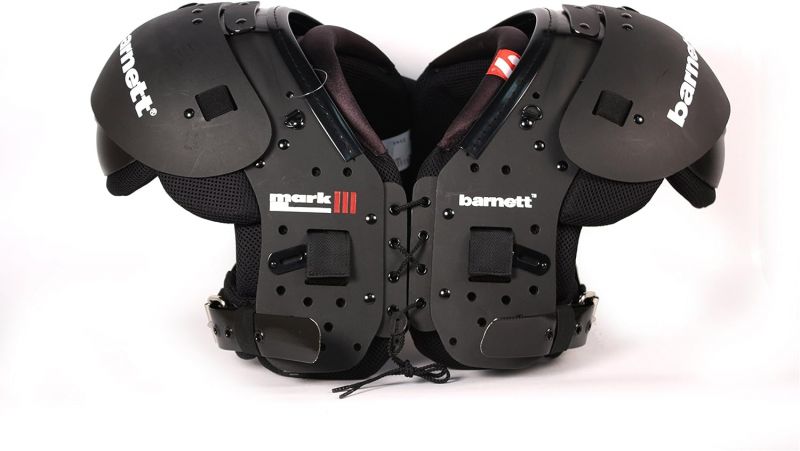
Shoulder pads featuring embossed textures and grip patterns give players enhanced ball control and contact. Unlike smooth plastic shells that allow the ball to slip, textured shell surfaces provide friction improving cradle and possession.
Polymer shoulder caps with molded-in hexagon, diamond and ridge shapes create tactile profiles for the ball to grip against. Contact surfaces grab and hold onto the ball better during intense gameplay.
Grip patterns are strategically concentrated on the upper shoulder caps and epaulets corresponding to optimal ball contact zones for cradling and checking. Patterns extend partially down the arms as well.
The embossed textures act like cleats for the ball, allowing for confident control even in wet or muddy conditions. Enhanced grip builds confidence for players to give their all when carrying the ball.
Textured grip zones also reinforce protection by improving pad stability when players are checked. Preventing shoulder cap slippage maintains coverage integrity on big impacts.
While smooth-shell pads perform well for impact diversion, intelligently designed grip patterns enable advanced ball handling critical for competitive field play. Players gain an edge knowing the ball will stick solidly within their cross-check.
Antimicrobial Materials for Odor and Bacterial Resistance
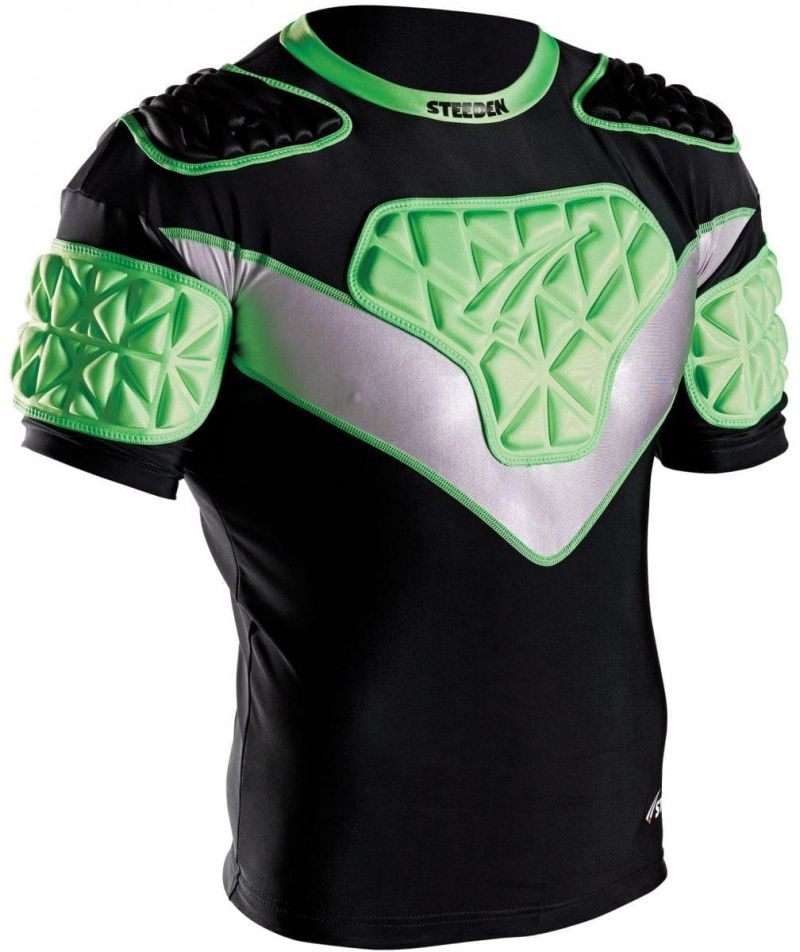
Advanced antimicrobial technologies integrated into shoulder pad materials combat odor and bacteria growth that occurs from sweat and contact during intense sports. Silver ions, copper fibers and other antimicrobial additives preserve freshness.
Silver particles woven into shoulder pad lining and strap fabrics provide highly effective and permanent bacterial protection. Silver reacts to bacteria cell proteins, neutralizing microbes on contact while remaining harmless to humans.
Some companies infuse pad materials with an EPA registered antimicrobial called AlphaSan which leverages stabilized silver ions. AlphaSan delivers 30 wash permanent odor and stain protection.
Copper woven into polyester-based microfiber exhibits similar antimicrobial performance. Copper disrupts bacteria cell membranes on contact, providing continual microbial protection.
Moisture wicking technologies paired with antimicrobial treatments keep bacteria count low by reducing sweat accumulation where microbes thrive. Breathable mesh zones also discourage bacteria growth.
Parents and athletes can feel confident that antimicrobial shoulder pad materials will maintain freshness and hygiene game after game without resorting to harsh chemical cleaners. Advanced technologies provide effective microbial protection that lasts.
Stylish Designs and Patterns for Self-Expression
Today’s high performance shoulder pads feature stylish colors, designs, and pattern options that let athletes express their personal style. While delivering advanced protection, modern pads bring artistry and custom looks onto the field.
Color tinting on pad shells, stitching, and accents allow teams to coordinate a uniform look expressing their brand identity. Schools can choose classic colors or make bold statements that intimidate opponents.
Integrated school logos, crests, slogans, and mascots built right into shoulder pad materials reinforce team cohesion and spirit. Design elements can be subtle or prominent showcases.
Some brands offer fully customizable pad designs. Players can create their own looks online by mixing personalized colors, fonts, names and numbers. Unique expression promotes individuality.
Alternatively, bold all over graphic prints allow self-expression. Abstract camo or digital prints in team colors make players stand out while sharing their passion.
Lettering on pad epaulets provides opportunity to represent individuals, special causes, or lost loved ones. Special sentiments can be infused into gear.
While offering elite protection, today’s pads allow athletes to proudly display their personal identities. Advanced processes integrate original design elements that transforming equipment into self-expression.
Consider Budget, Playing Position, and League Rules for Needs
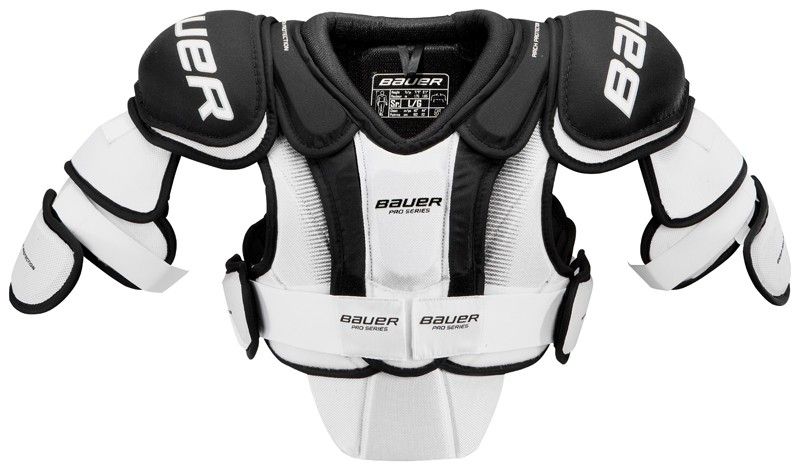
When selecting shoulder pads, athletes should consider budget, playing position, and league equipment rules to match the right protection level to their needs. Light recreation use needs far less padding than competitive high school or college level play.
Entry-level pads with basic foam padding and simple plastic shells fit most recreational budgets under $50. While offering essential protection, they lack premium materials and advanced technologies of elite pads.
Intermediate pads in the $50-$150 range add more durable shells, removable padding, and moisture wicking materials. Serious high school players benefit from these enhancements.
Top-tier pads over $150 feature cutting-edge materials like carbon fiber, segmented caps, and thermo-regulation. Their premium protection suits hardcore players.
Skill positions like quarterbacks and receivers favor lighter pads for mobility, while linemen require maximum shoulder and rib protection. Young players need adjustable sizing to allow room to grow.
Check with your league on equipment requirements. Youth leagues often prohibit very rigid pads to avoid injury risk. High school, college, and pro leagues have fewer restrictions.
Factor in your expected frequency, intensity level, position, and budget. But protection should never be sacrificed just to save money long term.