Choosing The Right Lacrosse Corner Pockets For Your Position
When it comes to lacrosse shooting accuracy, one of the most important yet often overlooked factors is the corner pocket setup. The depth, width and overall shape of your lacrosse head’s corners can significantly impact ball control, passing, catching and of course, shooting precision. As an attackman, you’ll want deeper pockets to cradle the ball securely. But as a midfielder, shallower pockets give you quicker release speed on passes and shots. Here’s a breakdown of ideal corner pocket styles for each position:
For attackmen, a medium to deep pocket is ideal, around 3-4 inches deep. This allows you to carry and cradle the ball with control as you survey the field for shooting and passing opportunities. A deeper pocket wraps more mesh around the ball, keeping it tucked securely inside the head during evasive dodges and rolls away from defenders. Attackmen tend to hold the ball longer, so the emphasis is on superior ball retention over rapid fire passing and shooting.
Midfielders on the other hand rely on quick handles and lightning fast passing as they transition the ball upfield. A shallow 1-2 inch pocket gives you the ball handling speed essential for fast breaks and quick time-and-room shots on the run. Minimal mesh contact lets you release passes and shots with hair-trigger precision. The trade-off is less ball security during evasive moves compared to attackmen. But as a midfielder, any ball-handling risks are outweighed by the split-second release advantage of a shallow pocket setup.
For defenders, a medium depth pocket around 2-3 inches offers a balance of security and release speed. You need to be able to scoop loose balls quickly, outlet accurate passes to midfielders in transition, and occasionally take a time-and-room shot upfield if the opportunity arises. A mid-depth pocket gives you a blend of ball retention and rapid passing/shooting to adapt as defensive situations dictate. Whether picking off errant passes or charging into the offensive zone for a clear, you’ll have excellent control to wrangle ground balls while still being able to quickly move the ball.
Regardless of position, you also need to take into account your level of play and skill. Youth and high school players may opt for deeper pockets overall for superior ball control until their handling improves. Elite players can utilize shallower pockets to maximize their advanced stick skills. Consulting with coaches is key – a pocket tailored to your strengths and position is crucial for consistent scoring.
Getting Proper Hold And Control With Maverik Lacrosse Mesh

One of the most overlooked fundamentals of accurate lacrosse shooting is your grip and hold on the stick. Even if you have perfect shooting form, a improper hold on the shaft and head can throw off your ball control and precision. When cradling, passing, or shooting, you need full command over the head to direct the ball exactly where you want it to go. That’s why dialing in your grip pressure and hand placement with quality mesh like Maverik is so important.
First, understand the proper hand positioning on your stick. Your top hand should grip the shaft near the head, with your thumb resting on the sidewall. This gives you maximum control over the head’s angle, allowing you to point the pocket exactly where you want to place the ball. Your bottom hand further down the shaft acts as the fulcrum, leveraging power from your hips and shoulders.
Many players grip the shaft too tightly, white-knuckling their stick with a death clamp. This overexertion transfers tension to your shoulders, arms and wrists, reducing your shooting fluidity. You want a firm but flexible hold, keeping your hands relaxed to shoot and pass smoothly. Maverik’s memory mesh helps here – its soft, flexible composition molds to your hands without fighting your grip pressure.
You also need the right amount of tension between your hands to stabilize the head during your shooting motion. If your hands are too close together, the head loses stability and whips around on shots. But holding them too far apart reduces control and accuracy. Experiment to find your optimal hand spacing for head steadiness without over-tensioning your grip.
Finally, condition your hands and fingers through strength training. Strong hands, wrists and forearms will help you maintain that firm but relaxed grip pressure through long games and shooting reps. So don’t neglect hand and forearm exercises in your training – you need the muscle endurance to maintain shooting consistency when physical and mental fatigue sets in.
Why Lacrosse Ball Feedback Matters For Developing Shooting Technique
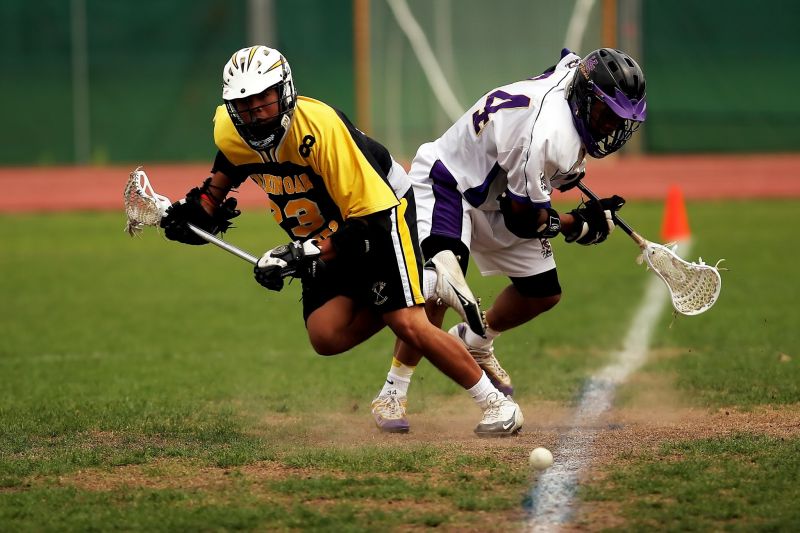
Many lacrosse players obsess over pockets and shooting strings, but overlook the importance of the ball itself in developing consistent shooting mechanics. The feedback the ball provides during your shooting motion is crucial for ingraining proper form through repetition and muscle memory.
Heavier lacrosse balls like the Maverik Range deliver clear tactile feedback to help you self-diagnose shooting issues. If your mechanics are sound, a heavy ball will spring off the head with tight rotation and penetrative speed. You’ll instantly feel the efficiency of your motion transferring power into the ball.
But improper rotations, grips or poor follow-through become obvious with a weighted ball. Shots will flutter off the head weakly, or sail erratically side to side from an angled release. This provides instant tangible feedback to reinforce proper technique. You can then tweak your motion and feel the instant improvement in the ball’s shot quality.
Beginners should start with heavier balls to learn proper mechanics from the ground up. Ingraining ideal shooting form early with unambiguous feedback is crucial. Once the technique is mastered, gradually moving to lighter game balls allows you to maintain that efficiency with less effort.
Advanced players can use heavy balls for intense shooting reps and strength training. The added resistance forces you to put full body power into every motion, strengthening shooting muscles while keeping form tight. Periodically returning to heavy ball training maintains strength and highlights any mechanical regression before bad habits set in.
No matter your skill level, embrace the feedback that lacrosse balls provide. Let the ball tell you what adjustments to make by paying attention to its weight, release and rotation on each shot. Dialing in flawless technique requires listening to what the ball says through every rep.
Finding The Perfect Maverik Lacrosse Head And Stick Flex For You
Lacrosse heads come in a variety of shapes, sizes and stiffnesses – but finding the right one for your game can pay major dividends in shooting performance. Maverik’s broad range of heads are engineered for specific player needs and positions to maximize your scoring potential.
For attackmen and midfielders, stiff heads like the Maverik Tactik maintain precision on tight angle shots and quick releases in traffic. The rigid frame offers less ball rattle to keep shots consistent even when defenders are draping you. Stiff heads also yield crisper passing, keeping the ball on a tight string during fast break chances.
But stiff heads demand strong mechanics – any flaws like dropping elbows or lazy rotations are punished with decreased accuracy. Less flex absorbs less shooting error, so sound technique is a must. The trade-off of rigorous discipline is pinpoint passing and surgical shooting once mastered.
Defenders will benefit from more flexible heads like Maverik’s Optic X that provide some forgiveness on clearing shots from further out. The extra flex dissipates torque for confident shooting while covered. And the added whip generates velocity once loaded up on time-and-room chances. With less repetition than offensive players, flex heads help defenders make the most of their limited shooting opportunities.
No matter your position, match the head stiffness to your experience level. Intermediates still developing technique do better with more flex until skills improve. Elite players who’ve mastered shooting mechanics can capitalize on the precision of stiff heads. Find where you fit on the spectrum and let Maverik’s diverse lacrosse engineering boost your scoring.
Tweaking Your Pocket Depth For More Powerful Lacrosse Shots

While lacrosse pocket shape is a matter of preference, depth has a real impact on shot speed and power. The right pocket lets you load up the head for maximum ball launch speed, adding velocity and sting to your shooting. Shallow pockets have limitations, so optimizing depth is crucial for potent scoring.
Extremely shallow pockets under 2 inches limit ball contact and prevent loading the head fully. With less mesh wrapping the ball, you lose the leverage needed to generate whip and torque. Shallow pockets can work for quick stick passes and shots, but airbounces and heavy artillery rely on engaged mesh.
On the other hand, pockets too deep over 4 inches lack ball control. Cradling becomes sloppy, preventing effective aiming while on the run. Ground balls rattle around before settling, giving defenders time to check before you can secure possession.
The ideal pocket depth for powerful shooting is around 3 inches. This allows the ball to sink into the mesh while keeping it above the plastic. Maximum layering wraps the ball for optimal loading, catapulting it out with speed on shots. Enough mesh remains under it to keep control tight for accuracy.
Consider specializing your pockets for game situations. Keep your primary pocket at an intermediate 3 inch depth, but string a shallower backup for slick feeds or quick sticks after screens. Swap them out based on your athletic style or the defensive pace and intensity of a game.
Whether you like traditional leathers or surgically strung mesh, optimizing pocket depth is crucial. Take the time to test different setups until you find your accuracy and power sweet spot.
Minimizing Errant Shots By Adjusting Your Shooting Grip
No matter how refined your shooting mechanics, a improper grip can throw precision completely off. Small hand placement errors easily torque shots side to side or send them sailing high. Dialing in your exact hold and pressure points is crucial for squeezing every ounce of accuracy from your motion.
Start with hand positioning. Your lead shooting hand should grip just below the head, with the thumb resting lightly on the plastic for steering and leverage. Choking down too far below the head robs you of control. Gripping above the head compromises stability.
Roll your wrists toward the center of the stick, keeping the head perfectly perpendicular to your shooting side. A slightly canted head forces sidespin on shots. Maximize leverage by aligning your arms, wrists and head in a straight line behind the ball.
Grip pressure also massively impacts accuracy. White-knuckling the shaft locks up wrists and arms, reducing fluidity. But going too loose compromises your connection to the ball. Find the firm but relaxed “goldilocks zone” for your hands by slowly increasing pressure during shots until control starts to suffer.
Also pay close attention to hand spacing. Too narrow or wide prevents head stability duringshots. Test different widths until you find the minimum spacing needed to stabilize the head upright through your shooting motion.
Take time to analyze and perfect your shooting grip – slight adjustments make massive accuracy improvements. Your hold couples you to the ball, so optimize it to eliminate off-target shots.
The Importance Of Proper Lacrosse Ball Rotation For Accuracy
Along with shot power, a overlooked factor for precision shooting is proper ball rotation. Imparting tight backspin not only boosts velocity, but keeps shots laser-guided to your target. Dialing in how you release and rotate shots takes practice, but pays massive dividends in scoring consistency.
The key is developing an innate feel for the way your head naturally releases the ball. Each head model and pocket style imparts its own unique rotation. Through repetition, you can learn to align your mechanics to capitalize on that natural motion for tight spin.
Focus on accelerating through the entire shooting motion, turning over your wrists and rolling the head over top of the ball. This drives top-to-bottom rotation, putting reverse pressure on the ball right as it releases. Let the head do the work – don’t force unnatural rotations.
Quick sticks and tight angle turnaround shots will never generate much spin. But on power shots like side arms, overhands and behind-the-backs, perfect your timing to let the head slap maximum rotation. The more you do it correctly, the more your muscle memory will own that feel.
Rotation massively stabilizes flight and prevents rising or diving shots. Combined with practiced accuracy, it lets you place the ball where you want it through chaos. Master the art of spin, and goalies will feel helpless to stop you.
Shooting Consistency Starts With A Quality Lacrosse Mesh
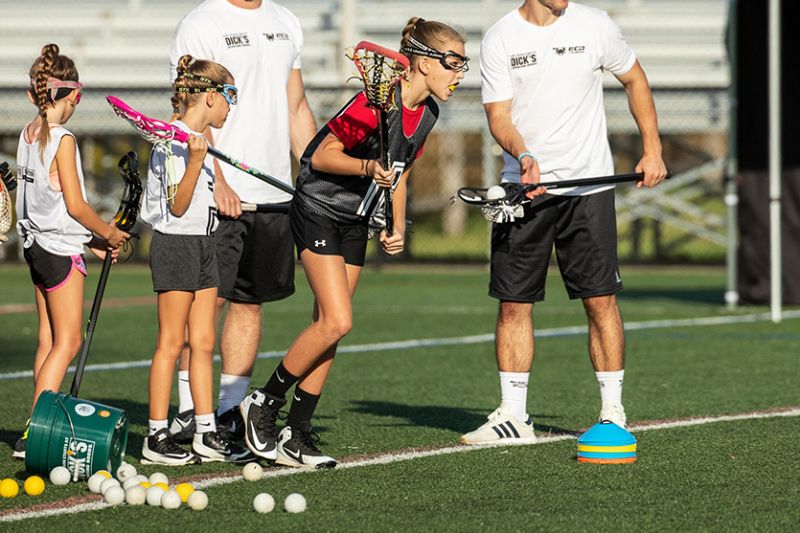
Even the most refined shooting technique requires a responsive mesh setup to reach its full potential. Lacrosse pockets act as the critical interface between your mechanics and the ball, so optimizing performance starts with stringing.
Floppy mesh with thick, undefined diamonds creates vagueness. Shots lose pop and precision as energy dissipates through excess sidewall give and string movement. Erratic ball contact generates flutter that causes rising shots.
Equally problematic is mesh strung too tight. This chokes hold and aim for many players by inhibiting wrist flexion during shoots. Excessive tension also reduces pocket feel, making it harder to master control.
The ideal is a firm but flexible pocket with pronounced diamonds to maximize ball contact. Using a high-grade material like Maverik’s Memory Mesh gives you durability without compromising responsiveness. Match your stringing to complement your preferred shooting mechanics.
Mid and high shoots need a stiffer channel up top to keep the ball elevated during the windup. Low-to-highs rely on softer lower sidewalls to drop the ball first before launching. Master stringers can customize the entire pocket’s vertical flex profile.
Take time to experiment with stringing styles until you find the responsiveness and control that perfectly translates your motion into the ball. Precision shooting depends on constructive mesh chemistry.
Maximizing Power Transfer With The Right Lacrosse Shaft
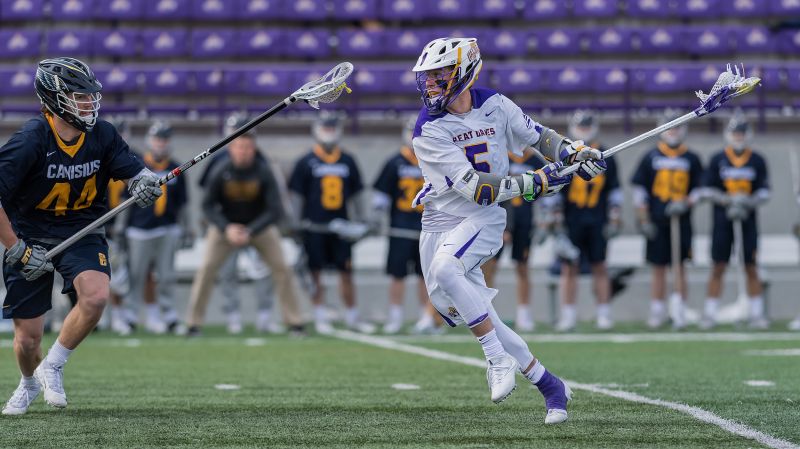
A lacrosse shaft acts like a lever, transmitting energy from your body through the head into the ball. Optimizing materials and flex profile are crucial for maximizing shooting velocity and precision.
Stiffer shafts like aluminum translate power directly but demand perfect mechanics. Any flaws in rotations or transfers are punished as harsh feedback. While unforgiving, advanced players can capitalize on their responsiveness for whipping shots.
Composite shafts absorb imperfections better while still offering precision. Materials like Maverik’s Carbon pro flex smoothly without compromising ball feel and control. Their flex profile complements natural shooting motion.
For developing players, a more flexible shaft improves accuracy until skills progress. Added whip provides stability for those still ingraining proper form. It allows room for error while learning complex body rotations. But precision eventually plateaus.
Test a range of flex profiles across brands to determine what complements your style. Gripping below the head and engaging your core maximizes energy transfer through the shaft. Dialing in the right blend of responsiveness and flex will unleash the full power potential of your shot.
Developing Proper Shooting Form Through Repetition
No amount of gear optimization can replace dedicated shooting practice. Ingraining the neuromuscular patterns of proper shooting mechanics requires focused repetitions based on intentional adjustments.
Start shooting sessions with slow exaggerated motions, focusing on individual form points before combining them together. Gradually increase speed while maintaining clean rotations, transfers and finish. Avoid rushing the progression before each checkpoint is mastered.
Film your sessions to diagnose issues from setup to follow through. Watch the footage back after each rep and make notes on areas needing refinement. Visualizing your motion helps engrain the kinetic sequence and timing.
Quantify progress by tracking shot speed and accuracy stats over time. Apps like The Lacrosse Shot Tracker measure key performance indicators like velocity, consistency and precision. Metrics keep you motivated while highlighting where practice is paying off.
Complement shooting drills with strength and mobility training tailored to your needs. Target any limitations inhibiting optimal form, whether shoulder instability or weak lats. The better conditioned your body, the more efficient your mechanics.
At higher levels, perfect practice makes perfect shooting. Embrace the incremental grind to continually close the gap between your current and ideal form. Measure, analyze and customize your training to build flawless mechanics through repetition.
Why A Tight Lacrosse Channel Improves Ball Control
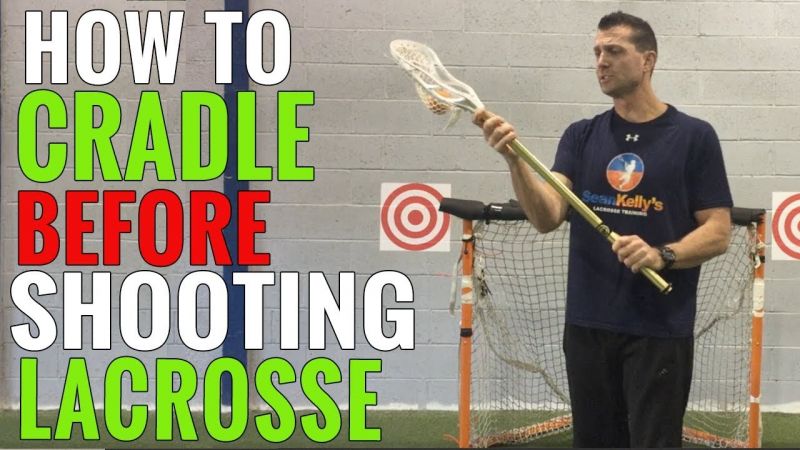
While often overlooked, dialing in your shooting string channel is crucial for precision shooting. Defining a clean route up the center of the head keeps the ball on a tight path from pocket to top string.
Too wide of a channel allows the ball to rattle around, deflecting shots side to side unpredictably. Off-center contact induces flutter that sends shots sailing high or diving low depending on head torque.
Conversely, channels strung too narrow choke accuracy by limiting wrist flexion on shots. The ball needs room to transfer energy through the pocket for ideal launch speed and rotation.
Optimizing channel width requires testing pocket tension on shots. When strung correctly, you should feel the ball sit deep in the mesh pocket but maintain a straight vertical pathway up through the shooting strings.
Widen or tighten the channel based on where inaccuracy creeps in. Errant side-to-side shots indicate excess width, while inaccurate high/low shots point to a narrow channel limiting wrist motion.
Getting the shooting strings dialed in might take time, but rewards you with maximized control, feel and responsiveness. Whether bull dodging or ripping corners on the crease, a defined channel keeps the ball locked on target.
Small Lacrosse Head Adjustments For Big Shooting Gains
Fine-tuning the setup of your lacrosse head can provide massive benefits to shooting precision. Even minor adjustments to pocket placement, whip and offset can add up to a more accurate cannon.
For starters, make sure the head and pocket are aligned to your natural throwing motion. The center diamond row where the shooting strings thread should mirror the angle of release from your dominant hand.
Next, pay attention to overall head whip and flex. More whip builds ball speed but demands strong mechanics to control accuracy. Stiffer heads yield greater precision for players with sound form.
You can also tweak sidewall offset to fine-tune the ball’s starting point in the head. Pockets too far up inside the scoop force the ball to drop first before rising. Keeping the ball centered improves control.
Test shooting performance at different face shape settings. More acute pinch and angle settings generally provide tighter channels, while wider heads allow more pocket customization.
Don’t forget pocket placement – shifting it higher or lower changes the ball’s vertical launch angle. Raise it for skipping high shots, lower for sinking worm burners.
Wring every drop of accuracy from your stick by dialing it precisely to your style. The right adjustments transform even basic heads into precise shooting instruments.
Generating Spin And Velocity With Your Bottom Lacrosse Hand
While your dominant top hand aims shots, mastering the role of your bottom hand is critical for adding velocity and rotation to scoring attempts.
As your top hand fires forward, drive the butt-end of the stick downward with your bottom hand. This downward punch powers the initial launch, similar to a golfer using ground force to strike the ball.
Time the downward motion to match the rolling acceleration of your wrists and top hand through the ball. The combined forces multiply, whipping the head through the ball with explosive speed.
Your bottom hand also determines the ball’s rotation. A flat swinging motion induces wobbly backspin. For tight corkscrew rotations, sharply pull down and towards your core right as the ball releases.
This last-second downward jerk coupled with the top hand’s roll over the ball compresses it with maximum backspin. The more violently you can pull through, the tighter it will spin.
Study the game’s heavy artillery like Lyle Thompson and Zed Williams. Their bottom hands viciously whip down, driving furious head speed and RPMs into the ball. Isolate and perfect this motion to weaponize your shots.
Improving Accuracy By Focusing On Follow-Through

Lacrosse players often obsess over shooting motions but neglect proper follow-through for accuracy. Aiming shots requires maintaining your kinetic chain’s integrity long after the ball is gone.
The biggest accuracy killer is dropping your arms and hands immediately after a shot. This causes you to decelerate too quickly, compromising stability and aim. Keep your hands moving along the intended path well after release.
Your bottom hand should continue sweeping down and across your body, while the top hand keeps rotating over and around. These motions counterbalance the stick’s torque, preventing aim from drifting.
Maintain your base by holding your follow-through stance rather than collapsing or landing early. Keep core and shoulders squared to your target until hands complete their deceleration.
Follow-through not only stabilizes accuracy, but ingrains proper muscle memory into your motion. Forcing each body segment to hold its course improves timing on future reps.
Monitor and adjust your finish position on shots to isolate flaws. Holding integrity through the end will keep you sniping corners and piping ropes.