Choosing Lightweight, Breathable Lacrosse Cleats
When selecting lacrosse cleats, one of the most important factors to consider is finding a lightweight, breathable option. The best lacrosse cleats are designed with mesh materials and ventilation that allow air to pass through and keep your feet cool during intense gameplay. Synthetic uppers made of material like Nike’s Flywire or New Balance’s FantomFit offer an ideal blend of strength, durability and airflow.
Lighter cleats around 10-12 ounces can make a dramatic difference in your energy level, speed and agility on the field. Heavy or bulky cleats often lead to fatigue, especially during those marathon midfield shifts. Prioritizing lightweight construction ensures you stay quick on your feet all game long.
In addition to mesh panels, some of the top lacrosse cleats incorporate moisture-wicking linings to pull sweat away from your feet. This helps prevent that soggy feeling that can lead to blisters and hot spots over time. Breathable, well-ventilated cleats keep your feet dry, healthy and comfortable even during the most grueling competition.
When trying on different lacrosse cleat models, be sure to assess the weight and ventilation. Move around in them dynamically to get a sense of their freedom of motion and air circulation. The ideal lacrosse cleat will be so light and airy on your feet, you’ll barely notice you have them on! Choosing the lightest, most breathable option within your budget and brand preferences will give you a critical edge on game day.
Emphasizing Traction and Grip in Lacrosse Cleats
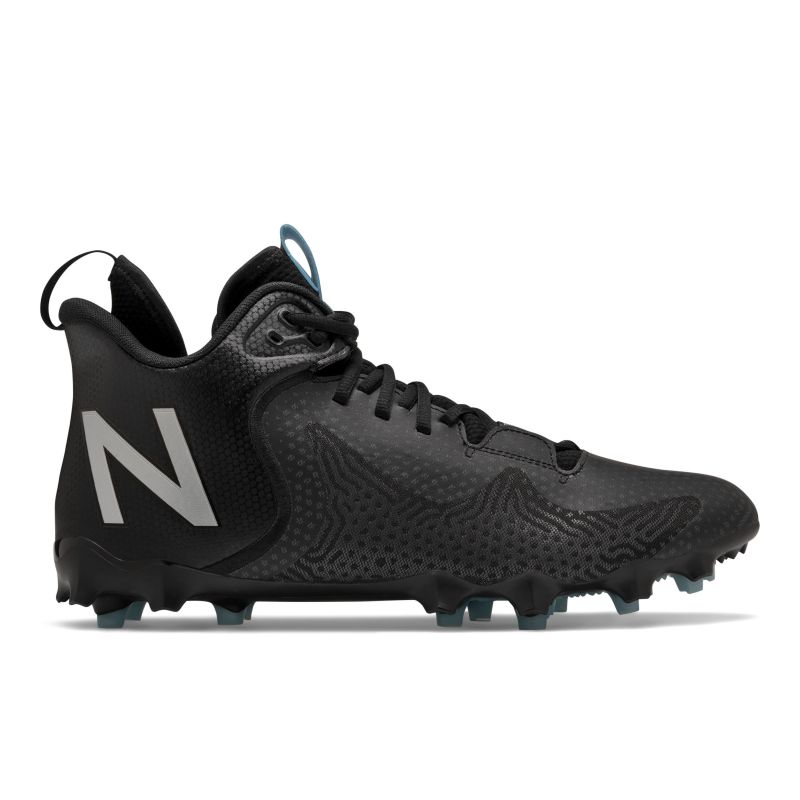
When playing lacrosse, having proper traction and grip is absolutely vital. With all the quick cuts, dodges, rolls and jumps, your cleats need to provide stable footing on both natural grass and synthetic turf surfaces. The best lacrosse cleats have specifically designed sole patterns and materials to generate traction in the precise ways needed for the sport.
Many top lacrosse cleat models incorporate triangular or blade-style cleats at the forefoot. These provide excellent grip when pushing off for sprints or changing direction. Meanwhile, conical studs along the heels and arches give all-important rotational traction for pivots, twists and turns.
Nike’s Alpha Huarache lacrosse cleats have a distinctive lateral blade in the forefoot to assist medial and lateral traction. The New Balance Freeze v5 uses compressed TPU in the sole plate for a thin yet durable feel underfoot. Some cleats also feature toe spikes for extra bite on turf when scooping up ground balls.
When trying on lacrosse cleats, perform dynamic testing on the store’s turf area if possible. Run forward, backward and side to side. Plant your feet firmly and twist your body. Mimic scooping ground balls. The best lacrosse cleats will maintain steady grip through it all.
Additionally, look for enhanced traction elements in the high-wear zones. Areas like the toe, ball of foot and lateral edges take a beating, so reinforced rubber or carbon fiber traction pods can be helpful. This focused traction keeps your feet firmly planted throughout high-intensity game action.
Proper stud configuration, sole stiffness and targeted traction elements allow lacrosse cleats to provide unmatched grip. With feet that stick and pivot like glue, you’ll have the stability to perform any lacrosse move at top speed and skill.
High-Top Cleats for Ankle Support in Lacrosse
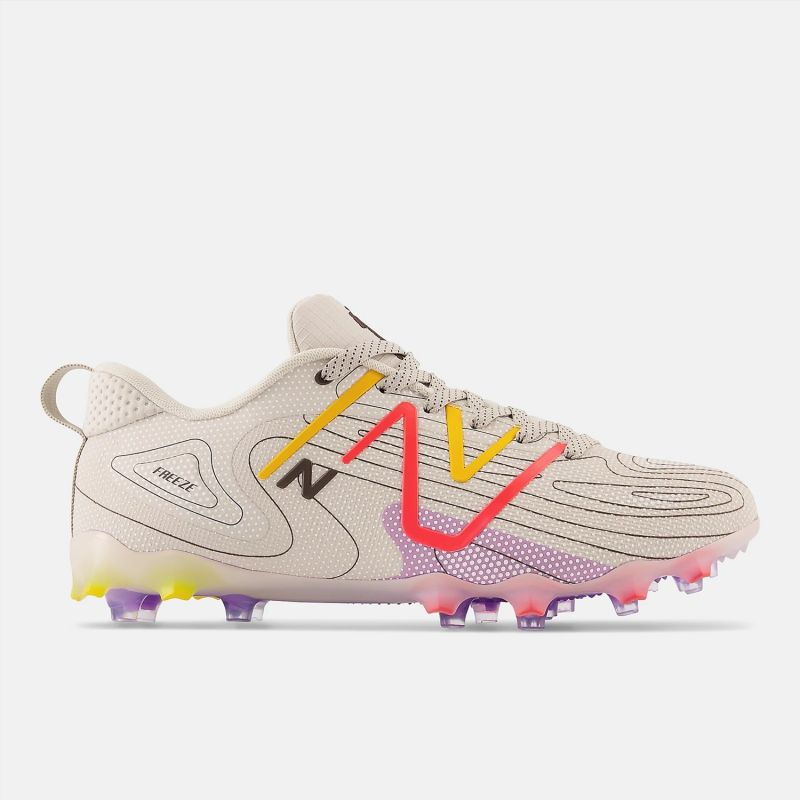
Due to the dynamic, physical nature of lacrosse, having proper ankle support is a major consideration when selecting cleats. The repetitive cutting, jumping and contact make ankle rolls and sprains a common injury. High-top lacrosse cleats are designed to provide essential stability and protection.
Many top lacrosse shoe models like the Nike Alpha Huarache and New Balance Freeze extend several inches above the ankle bone. This high-cut design integrates seamlessly with the cleated sole to wrap the foot in a sock-like fit. The snug upper wraps around the ankle while allowing a natural range of motion.
Inside the collar, high-top lacrosse cleats often incorporate padding for extra cushioning. This protects the ankle bone from impact or bruising during play. Some cleats also have an asymmetrical collar which angles higher on the inside ankle to prevent rollover.
For additional security, some lacrosse cleat models feature integrated ankle straps. These connect the medial and lateral sides of the collar with a Velcro or elastic band. This customizable closure allows you to strap in for maximum support based on your needs and preference.
Trying on high-top vs low-cut options is the best way to assess ankle security. Make sharp cuts and jukes to see if the high collar grips your ankle firmly. You want cleats that restrict unwanted mobility but don’t feel rigid or uncomfortable.
While low-cut cleats allow for freedom of motion, the extra stability of high-tops provides peace of mind. With each cut, roll or jump, you can play with confidence knowing your ankles are fully supported. For lacrosse athletes prone to ankle injuries, high-top cleats are a smart preventative measure.
Specialized Design Features in Lacrosse Cleats
Beyond just traction and ankle support, the best lacrosse cleats incorporate design elements specifically tailored to the sport’s unique demands. Features like asymmetric collars, integrated tongues and extra metatarsal protection give elite lacrosse models an edge.
For example, the Nike Alpha Huarache has an articulated cushioning unit under the ball of the foot for adding energy return on sprints. The New Balance Freeze uses an external TPU heel counter to lock down the foot over the cleated plate.
In the upper, technical meshes like Nike’s Flywire and New Balance’s FantomFit offer a glove-like fit that moves naturally with the foot. This adapts to the nuances of lacrosse footwork for unrivaled control.
Removable sock-liners are also common, allowing you to insert your own custom orthotic if needed. Cleat spikes are frequently removable/replaceable as well, extending durability as they wear down.
When trying cleats, focus on fit and feel rather than looks alone. Walk and run to detect any pressure points or tight spots, especially around the forefoot metatarsals. A proper lacrosse cleat fit will eliminate extra motion while allowing natural foot mechanics.
Advanced lacrosse cleats integrate position-specific enhancements as well. For example, some add padding in the tongue/instep to ease impact from face-off clamping. Others incorporate toe bumpers to assist checking and ball protection.
By selecting a cleat purpose-built for lacrosse, you gain an instant performance advantage from its specialized features. The details make a difference in maximizing comfort, control and protection out on the field.
Removable Cleats for Versatility in Lacrosse Shoes
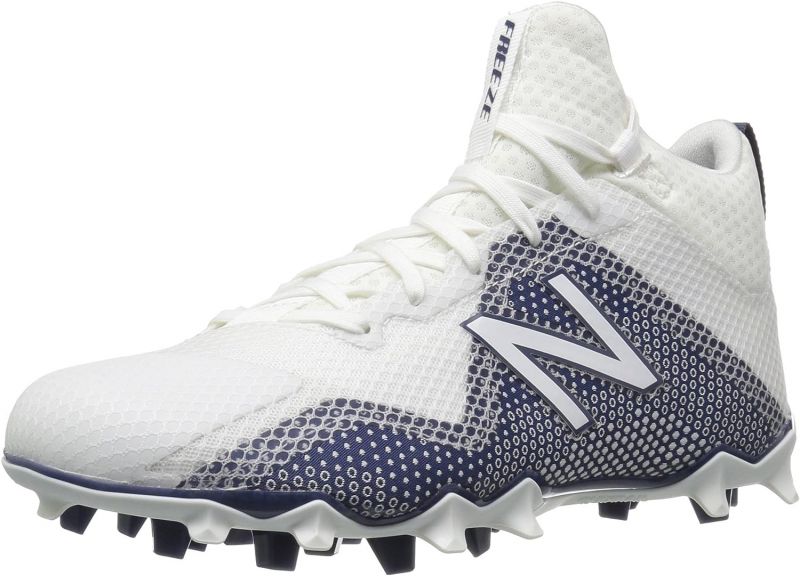
One useful feature found on many top lacrosse cleats is removable or exchangeable cleat studs. This allows you to customize traction and performance based on field conditions and personal preference.
Rather than permanent molded cleats, removable spikes screw into the outsole. Options like Nike’s Alpha Huarache and New Balance’s Freeze utilize round screw cleats for easy switching on the fly.
Being able to swap cleats gives players versatility between grass and synthetic turf. Longer studs provide traction in muddy, wet natural fields. Shorter, rubber spikes work better on tougher artificial surfaces. Removables also allow replacing individual damaged cleats as needed.
Some lacrosse shoes feature two-part exchangeable cleats with a permanent metal base and detachable top traction piece. This hybrid setup balances durability with customization in one system.
When trying on lacrosse cleats, check to see if the studs are removable or permanent. Consider when you may want to swap them out based on field type, wear and personal preference. If opting for permanent cleats, choose a versatile length and material.
For multisurface utility, most brands offer SG (soft ground) and FG (firm ground) options. The SG has longer cleats for natural grass fields while FG has shorter studs for hard artificial turf.
Being able to quickly change cleat length or style keeps your traction optimal in any game situation. Removable studs bring an extra level of adaptability to take your lacrosse game anywhere.
Focusing on Durability in High-Wear Lacrosse Cleat Areas
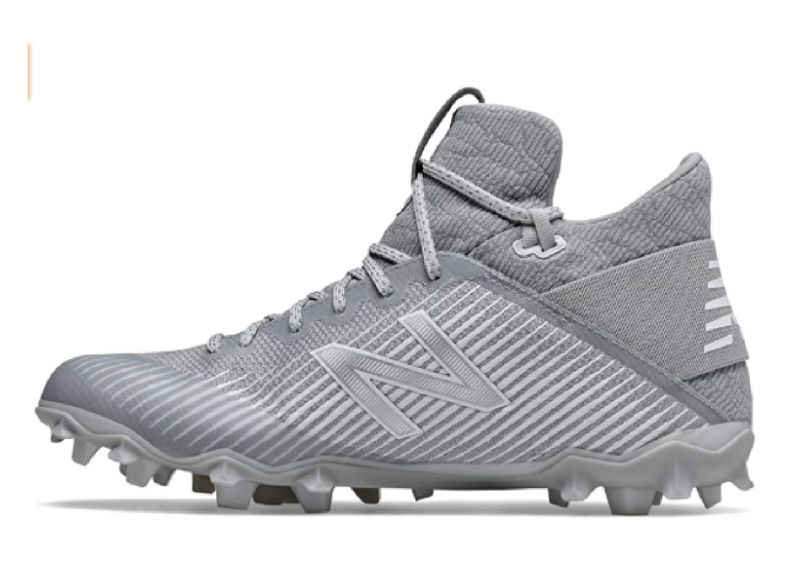
Due to the physical demands of lacrosse, durability is a key consideration when selecting cleats. Strategically reinforced high-wear areas ensure season-long performance despite harsh conditions.
The toe box and forefoot see a lot of abrasion from friction with the ground during play. Many elite lacrosse cleats use extra layers of protective material or rubber randing to increase toe durability.
New Balance Freeze cleats feature the company’s proprietary Fantom Tape, a textured thermoplastic polyurethane film that reinforces high-wear zones. Nike Alpha Huaraches integrate a foam package under the ball of the foot for impact protection.
Heel counters and midfoot shanks are also prime spots for reinforced construction. Tougher external pieces or internal plates prevent these areas from breaking down prematurely.
When trying on cleats, examine the toe box, forefoot, heel and midfoot for any sturdy overlays or protective elements. Press on these spots with your fingers to feel the construction quality.
The outsole rubber compounds should also feel adequately thick and durable. Perform a visual outsole inspection for high rubber content and minimal exposed foam midsole.
While cleat weight is important, be wary of models that shave ounces by using flimsy materials prone to ripping or peeling. The ideal lacrosse cleat balances lightness with reinforced durability in all the areas that matter most.
Focusing on smart protects and overlays allows elite lacrosse cleats to maintain top performance even after countless hours of play on rugged fields.
Trying On Multiple Lacrosse Cleat Brands and Models
With the wide variety of lacrosse cleats available, it’s important to try on multiple options to find your perfect pair. Each brand and model has its own fit, feel and performance qualities.
Major players like Nike, New Balance, Under Armour, adidas and Warrior all produce competitive lacrosse cleats. Within each brand lineup, consider choices for your position, fit type, price-point and preferences.
Try shoes on in-store whenever possible. Lacrosse cleats should grip your heel securely with a contoured, molded interior. The forefoot and midfoot should have a snug, sock-like fit without painful pressure points.
Assess the weight and ventilation. Move dynamically to get a sense of traction and support. Consider sizing up or down as needed to dial in the ideal length and width.
Don’t forget to utilize online sizing charts and user reviews as well when making your decision. This gives additional insight into true fit and feel that complements in-store testing.
Finding the perfect pair requires an open-minded, patient approach. Expect to try on multiple options before determining “the one.” Keep an eye out for less common fits like wide sizes also.
With constant innovation and new releases, the top lacrosse cleat for you might be that fresh model straight off the truck. Trying new selections ensures you get the ideal match for your foot’s shape and the way you play.
Comparing Lacing vs. Strap Systems in Lacrosse Cleats
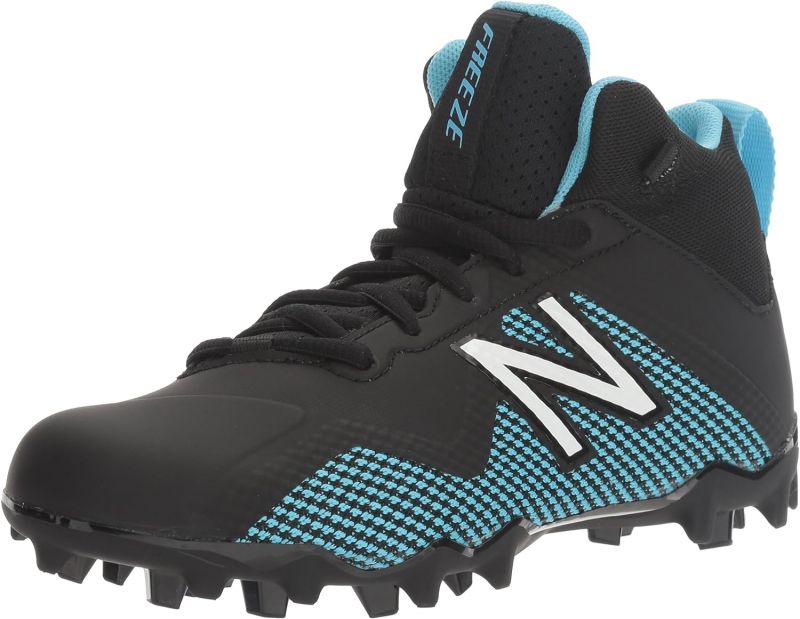
When selecting lacrosse cleats, one key design choice is traditional lacing versus alternative strap closure systems. Each offers its own benefits for fit, lockdown and convenience.
Lace-up cleats allow a high degree of adjustability and custom lacing techniques for different foot shapes. Varied tightness along the eyestay creates a truly bespoke fit. However, laces also require periodic re-tightening and can come undone.
In contrast, strap systems feature hook-and-loop Velcro, elastic bands or integrated mechanical closures. These “slip on” lacrosse cleats provide a snug fit with easy on/off convenience. Straps lock the midfoot securely and don’t come loose like laces can.
When trying on options, assess ease of entry/exit and midfoot lockdown stability. Walk and jog to determine if your foot remains firmly in place within the shoe when using the given closure system.
Also consider your on-field needs and preferences. Attackmen who are constantly subbing on-and-off may favor quick-locking straps. Defensive middies logging major minutes may prioritize customized lacing adjustability.
Those with narrow feet often benefit from laces filling in volume. Players needing more midfoot support may like the hug of integrated straps. Some models even combine both systems for the best of both worlds.
Trying options with different closures ensures you find the right lacrosse cleat lockdown, adjustability and ease of use. Dialing in fit makes all the difference inpower transfer and prevention of slippage and blisters.
Checking for a Secure Heel Lock in Lacrosse Cleats
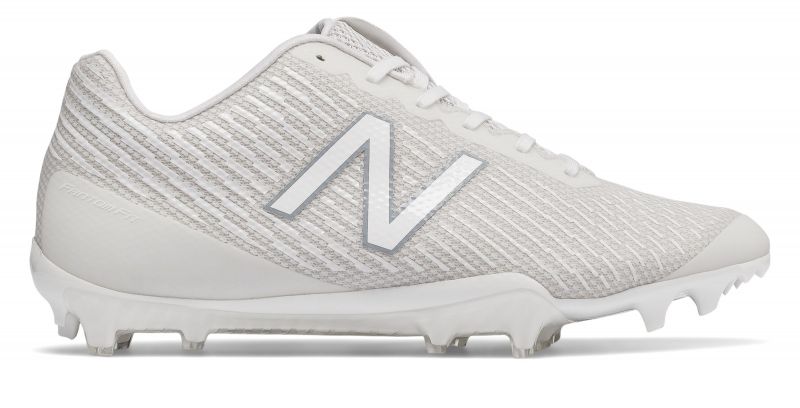
Finding lacrosse cleats with excellent heel lockdown is crucial for safety and performance. Proper structural design and fit keeps your foot stable and aligned on cuts, rolls and jumps.
A molded, contoured heel counter wraps around the rearfoot for a personalized fit. Internal heel wedges also lock in the foot securely. Reflective bands, like those on the Nike Alpha Huarache, provide added rearfoot grip.
Lace-up models allow custom heel lock lacing techniques to eradicate up-and-down movement. Strapped styles feature integrated bands pulling the heel area into the shoe bed.
When trying on cleats, pay close attention to heel fit. There should be no lifting or slippage as you walk, jog and cut. For a test, lace tightly and grasp the heel counter – your foot should not budge inside.
Those with narrow heels should ensure the counter matches their shape. Wider heels may need aftermarket pads to fill volume. Heel slippage often means sizing down or trying different models.
A heel locked in place provides a solid base for powerful cuts, rolls and jumps free of injury risk. Integrated lacrosse cleat features team with ideal fit to effectively stabilize this critical area of the foot.
Dialing in the heel creates a rock-solid foundation to play with confidence. A secure heel equals a secure player, ready to react safely and explosively in any game situation.
Selecting the Proper Size Lacrosse Cleat
Finding the right size lacrosse cleat is essential for maximizing comfort and minimizing injury risk. With athletic footwear, proper fit is about more than just length – width, volume and internal dimensions must match your foot shape.
Brand sizing can vary, so always try shoes on. Have your foot sized properly at a store and ask about size conversions between models. Consider sizing up or down as needed – don’t assume your normal size is correct.
Ideally, lacrosse cleats should have a thumbs width of space between your longest toe and the end of the shoe. The heel and midfoot should be snug without painful pressure. Laces should close easily.
Those with wider feet should look for wides (usually D width for men, B for women). Narrow feet do better laced tight in regular widths. Consider aftermarket inserts if volume is lacking.
Walking and jogging tests proper sizing by mimicking game motions. Precise fit means cleats hold feet securely with no slippage or dead space internally.
Finding your true size may require trying multiple widths and brands. Be patient – a dialed-in lacrosse cleat sizing sets the foundation for peak foot health and athletic performance.
With weight distributed properly across the footbed, you reduce injury risks while maximizing power transfer and agility. Correct sizing aligned with foot structure keeps you comfortable and dominant all season long.
Considering Extra Wide Widths for Lacrosse Cleats
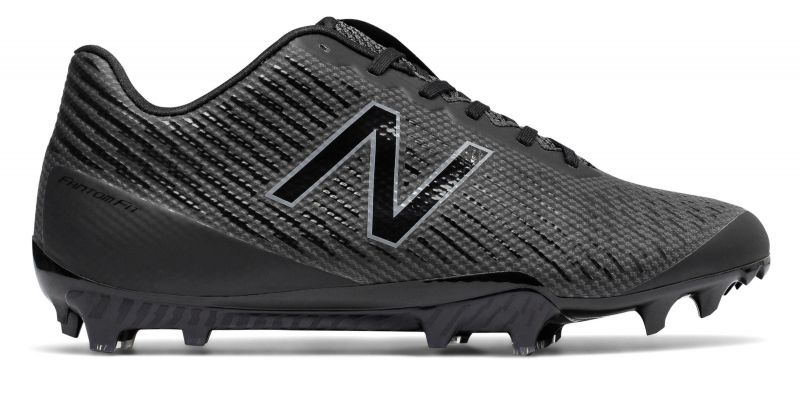
Players with wider feet may need to size up, opt for wide widths, or try different brands to find ideal fitting lacrosse cleats. Extra wide sizes properly accommodate broader foot dimensions.
Many top athletic brands like Nike, New Balance and Under Armour offer wide or extra wide (XW) options alongside regular versions. Measured on a Brannock device, wide is usually D for men and B for women.
Trying wide lacrosse cleats ensures adequate room through the forefoot and toe box for maximum comfort. A proper wide width prevents painful pressure on the sides of the feet.
Those with wide feet should have their foot dimensions properly measured when sizing for cleats. This gives you accurate sizing data for seeking out appropriate wide models.
Even in wide sizes, fits can vary between brand designs. Don’t assume you need a wide in every cleat – try regular and wide versions to compare fit.
Lacing technique can also help accommodate width issues. Try skipping eyelets or using the runner’s loop lacing method to create a little extra room if needed.
Finding lacrosse cleats in your proper wide width size ensures comfort and avoids pain or injury. Every foot shape deserves a properly fitting shoe built for their unique dimensions.
Taking Field Surface Into Account with Lacrosse Cleats
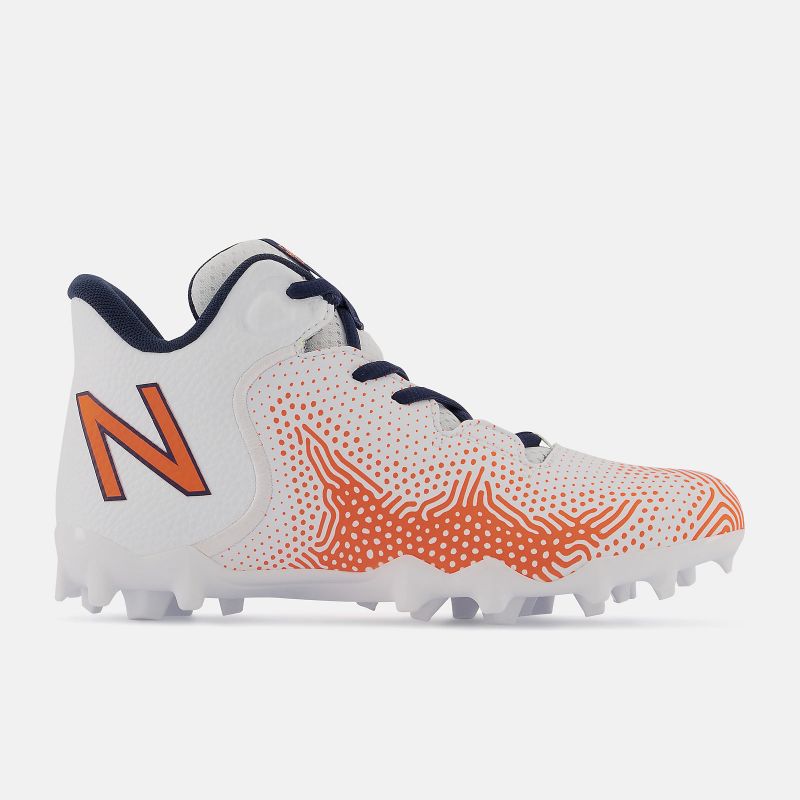
The type of field surface is an important factor when selecting appropriate lacrosse cleats. Natural grass versus synthetic turf each require shoes with specific traction and construction.
On natural grass, molded cleats with longer studs penetrate the ground for traction. Models like the Nike Alpha Huarache SG have conical and bladed cleats in the 13-17mm range for grass fields.
For newer or harder artificial turf, shorter rubber cleats provide better grip without getting stuck. The New Balance Freeze TF uses compressed rubber nubs just 10mm tall to maintain turf footing.
Some cleats have removable studs, allowing customization for different conditions. Bringing extra spikes is wise for uncertain field types on game days.
Consider turf age and maintenance too – worn fields require longer cleats than modern turf. Rotating two pairs can extend each’s durability across surfaces.
Before purchasing or wearing, know your team’s primary practice and game field types. Favor cleat construction and studs that match the predominant surface to optimize traction.
However, many players benefit from having both firm ground (FG) and soft ground (SG) cleats for versatility. This combines short turf spikes with longer natural grass options.
Matching your lacrosse cleats’ traction and specs to the field type ensures ideal grip for peak safety and performance across any surface.
Checking Cleat Versatility Across Lacrosse Positions
When selecting lacrosse cleats, consider how well they meet the needs of your position. Attackmen, middies, defenders and goalies each have slightly different demands from their footwear.
For attackmen, lightness and ankle mobility aid in quick cuts to goal. Midfielders need well-rounded versatility for end-to-end running. Defensemen prioritize durability and protection in scrambles.
Some features like ankle support and stud configuration transcend positions. But also look for elements geared to your needs – for example, goalie and defender versions may add shielding panels.
Trying on cleats, move dynamically as you would in a game. Ensure any position-specific features like padding or flexibility match your playing style needs.
Research position-oriented lacrosse shoes for innovative elements that give you an edge. But don’t overlook more balanced, all-around designs either.
A versatile lacrosse cleat can still be specialized through inserts, socks and other personal customizations. Consider aftermarket additions to make excellent core shoes your own.
Finding footwear providing a base of broad capabilities then tailoring fit for your position gives ideal performance. The right cleats empower you to play your role at the highest level.
Properly Breaking In New Lacrosse Cleats
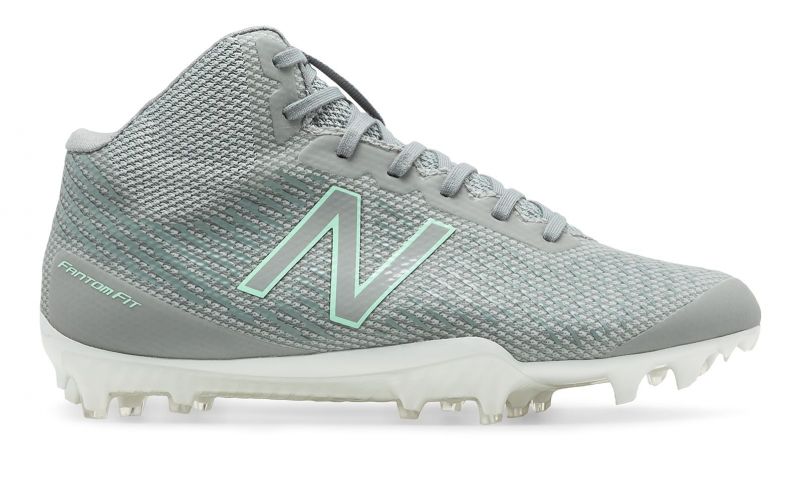
Getting new lacrosse cleats properly broken in before games optimizes comfort, prevents injury, and maximizes performance.
Wearing cleats briefly around the house first allows the upper to begin conforming to your foot shape. Socks also impact fit, so trial different pairs.
The initial on-field break-in should involve light drills and jogging to gradually acclimate. Focus on forming the cleat to natural foot motions without overdoing duration or intensity.
Check for any pressure points or hot spots during and after break-in sessions. Consider proactive taping or padding to prevent blisters. Keep feet conditioned and callus-free.
Properly preparing new cleats ensures they’re ready for intense game action. The upper material softens while the studs and sole synchronize to field traction. Your foot aligns within the precise contoured shape.
Breaking in multiple pairs of the same model rotates wear and expands each’s lifespan. Having a back-up option allows seamlessly alternating during the transition.
Rushing new cleats into high-intensity play risks pain and injury. Patience pays off in comfort, control and longevity. Proper incremental break-in translates to peak performance.
Making Fit and Comfort the Top Lacrosse Cleat Priority
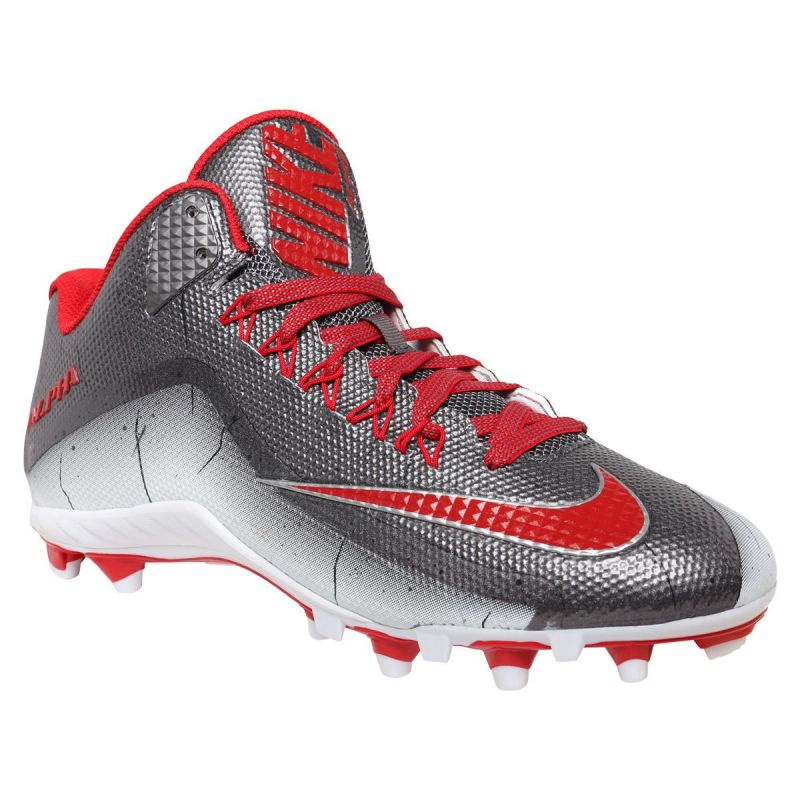
When searching for the best lacrosse cleats, no factor is more important than dialing in the proper fit and comfort. The right size, shape and feel unlock performance.
Ideal lacrosse shoes extend the foot’s natural motions while stabilizing and protecting. The upper material forms to your contours without restriction or excess space.
Consider fit across the full size run – don’t assume you are a certain size. Try different brands and models to find variations that best match your shape.
Comfort directly enables athletic ability. Shoes lacking in comfort cause distraction and fatigue while risking injury. Painful pressure ruins technique and power.
Lacrosse involves constant motion in all directions, so cleats must move seamlessly with the foot. Seek a balance of snug support without rigidity or discomfort.
Don’t overlook importance of width, lacing adjustments and sock pairings in fine-tuning fit. Personalized insertsor orthotics can also optimize internal feel.
Playing at your highest level requires lacrosse cleats fitting like a second skin. When shoes function naturally as an extension of your foot, you reach new heights of execution.
Make comfort and ideal fit the number one filter when selecting lacrosse cleats. Your foot health and athletic potential depend deeply on shoes matching your shape and movement needs.