Diamond Mesh Creates Consistent Pocket Depth for Precise Ball Control
For goalies seeking superior ball control and a consistent pocket, diamond mesh is one of the best lacrosse head stringing options. Diamond mesh gets its name from the distinctive criss-cross pattern woven into the netting, creating a series of uniform diamonds that grip and channel the ball effectively. This mesh is characterized by its dimensional stability, maintaining its original pocket shape game after game. The diamonds operate almost like mini cradles, grasping and guiding the ball through the head with precision and accuracy.
The key benefit of diamond mesh is consistency. While other mesh types like traditional or memory mesh tend to bag out and stretch over time, diamond mesh keeps a uniform shape and fixed channel width. This leads to increased ball control for goalies, allowing you to direct passes and make clears with precision. The taut diamonds act like mini ramps in your pocket, controlling the ball’s trajectory and enabling passing to tight locations on a dime. With diamond mesh, you can develop muscle memory for how the ball releases from your stick, enhancing your quick decision making abilities in the cage.
In addition to its performance benefits, diamond mesh brings aesthetic appeal with its geometric pattern and clean rows of alternating diamonds. The orderly look complements intricate stringing styles like pinched heads or multi-U designs. Visually, the diamonds are easy to spot, showcasing the craftsmanship of your stringing job. For goalies who value mechanics and precision, the systematic nature of diamond mesh aligns well. The mesh conveys attention to detail in your setup.
When stringing a stick with diamond mesh, focus on creating a mid-to-low pocket depth for ideal control. The taut channels benefit from a pocket that cradles the ball firmly at its lowest point. To maintain the mesh’s box-shape diamonds, avoid over-stretching the material side-to-side or top-to-bottom. Keep a tight weave and use stringing techniques like double-up knots on the sidewalls to pinch the pocket firmly. This will maximize the diamond effect and precision.
Some players use soft mesh for increased ball feel and hold. But for goalies who rely on a consistent release and pocket flexibility, diamond mesh is superior. The rigid diamonds prevent deformation, keeping your passes, fakes, and clears consistent. Compare this to memory mesh, which molds to your game and requires frequent adjustments. What you string is what you get with diamonds. No unwanted surprises or pocket aberrations.
Premium mesh brands like Throne, StringKing, and ECD utilize high-quality nylons or performance polyethylene fibers to construct durable diamond mesh. These materials withstand high velocity shots from close range, maintaining their structure. While cheaper meshes may bag out or fray at the diamonds eventually, quality diamond mesh retains its crisp rows and touch far longer. Consider diamond mesh an investment in consistent performance.
In summary, diamond mesh offers goalies superior accuracy and pocket stability thanks to its uniform woven diamonds. If you want precise ball control and a consistent release every time, diamond mesh is an excellent stringing choice. The diamond channels grip and direct the ball effectively while retaining shape over time. For goalies who value mechanics in their game, this meticulous and systematic mesh complements that mindset perfectly.
Hard Mesh Delivers Extra Ball Control for Agile Goalies
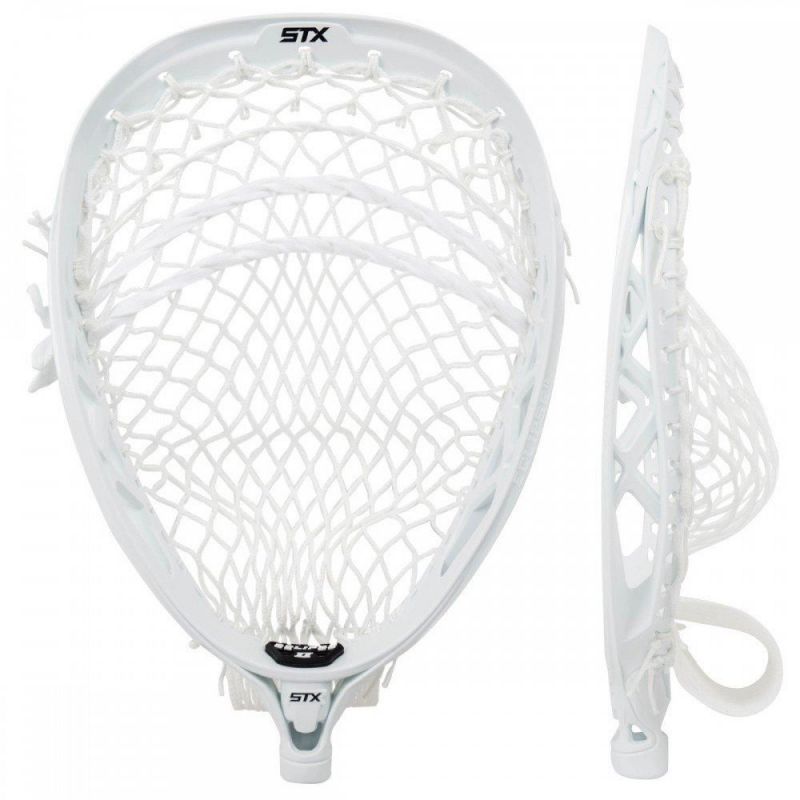
When every split second counts in the crease, hard mesh gives goalies the responsive ball control they need to make quick moves. Known for its stiffness and rigid structure, hard mesh maintains its shape even under intense play. The tight woven pockets grip and direct shots with precision, supporting a goalie’s agile style of play.
The defining characteristic of hard mesh is its lack of give. Unlike soft mesh that absorbs impact, hard mesh constructs a firm pocket with little flex. Brands like StringKing and ECD use premium nylon or polymer blends to create a stiff, heavyweight material that holds form. The tight weave prevents stretch or deformation, keeping diamonds and channels taut.
For goalies, this rigidity translates to increased accuracy and command of the ball. Shots rebound out of a hard pocket with precision directly into your stick’s sweet spot for clearing. During passing, the taut channels guide your feeds to exact locations on the field. With hard mesh, you can trust the ball will release and fly true every time. This tuned-in feel enhances quick decision making in the heat of a game.
Since the material itself absorbs less impact, hard mesh also provides a very tactile, immediate sense of the ball in your pocket. There’s no mesh dampening effect or lag time in your feel. Every catch, shot, or pass registers directly through the stiff pocket. This instant, nuanced feedback gives you tight control for split-second moves and reactions.
During stringing, focus on a medium-depth pocket to maximize control. A shallow pocket won’t cradle the ball well, while too relaxed a pocket dampens the responsive benefits. Frame with rigid sidewalls and use a diamond or box pattern with clean rows. This keeps the uniformly-tensioned channels in line for consistent shooting and passing.
While some players prefer soft mesh for a deeper pocket hold, that flexibility comes at the cost of precision and predictability. For goalies who rely on agility and quick decision making, hard mesh is the better fit. The uniform stiffness keeps the ball’s trajectory true while supporting nimble moves through responsive pocket feedback.
One downside to hard mesh is its lengthy break-in time compared to soft mesh. While soft mesh conforms immediately to your game, hard mesh holds its structure for longer. The upside is this extends the pocket’s longevity and maintains a consistent shape over seasons of play. If you want a custom feel from day one, soft mesh is preferable. But for lasting performance, hard mesh retains its profiling and accuracy much longer.
Major mesh brands have engineered durable hard mesh blends that withstand high velocity shots and the elements. Materials like pro nylon and performance polyethylene are abrasion-resistant yet stiff for a tuned-in touch and control. While cheaper soft meshes tend to bag and sag relatively quickly, quality hard mesh keeps uniforms diamonds and channels intact providing lasting precision.
In summary, hard mesh delivers unmatched command of the ball to agile, quick-reacting goalies. The stiff pocket provides accurate passing,instant shot feedback, and a consistent release for split-second decision making. While it requires a longer break-in than soft mesh, hard mesh maintains its structure over more games and seasons as well. For goalies who value responsiveness and nuanced feel, stiff hard mesh is the best option.
Soft Mesh Provides Flexibility for Increased Ball Control
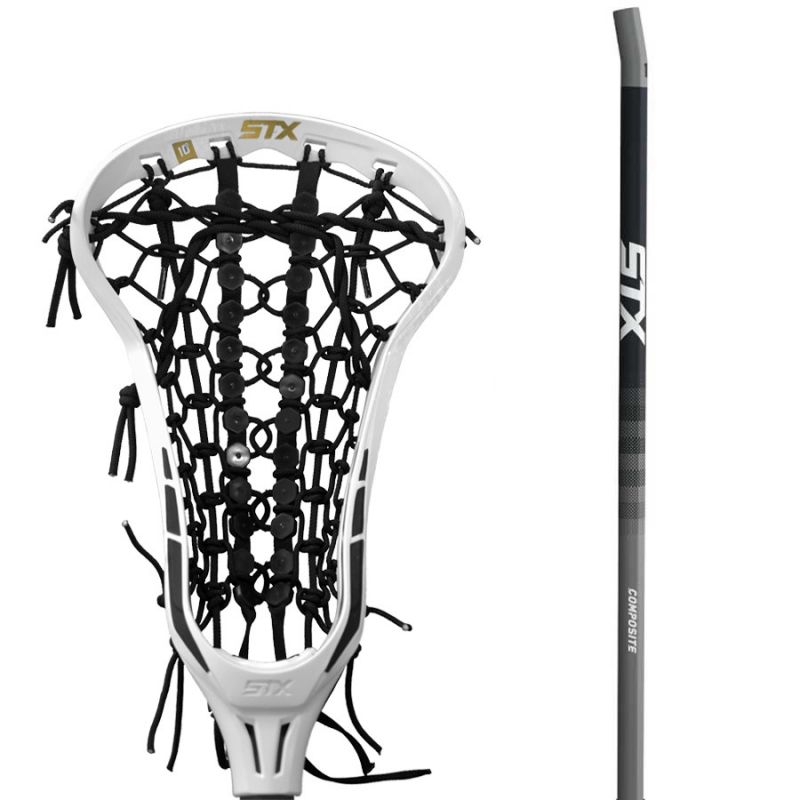
Soft lacrosse mesh creates pliable, molded pockets that enhance flexibility and ball feel for goalies. Known for its forgiving give, soft mesh absorbs impact to cradle shots with a customized feel. The material forms around your game, increasing control as the pockets breaks-in.
Soft mesh gets its defining traits from flexible, slightly elastic polymer blends. Nylons like polyethylene or polyesters are woven loosely, creating pores that stretch and rebound with use. This flexibility allows the diamonds to expand and relax, forming around the ball and your playing style over time.
For goalies, the benefit of soft mesh is the customized, enhanced pocket feel it develops. While stiff meshes maintain their structure, soft mesh conforms to your unique play. Pockets become more supple, developing deeper holds and wider channels that increase handle time. This helps goalies gain a heightened command of the ball from increased flexibility.
Soft mesh also provides a dampening effect on shots, reducing sting while retaining ball control. The elastic pockets absorb impact, cushioning the ball while keeping it firmly cradled. This allows for solid holds on checks and rebounds with less negative feedback to your hands. The material gives, becoming an extension of your natural catching motion.
When stringing soft mesh, allow for stretch by going looser on sidewall strings and wider on diamonds. Start mid-range on pocket depth, dropping the ball below the head’s midpoint. As the diamonds expand from use, this will create an optimal mid-to-deep pocket. Focus on a smooth release point at the scoop and keep rows tidy.
While stiffer meshes provide more accuracy, soft mesh delivers uniquer feels and increased handle time. For goalies who want supreme control from a customized pocket, the flexibility of soft mesh is ideal. It caters to your playing style rather than imposing uniform structure.
The main drawback of soft mesh is the need to restring and tweak your pocket more frequently. The material stretches permanently over time, becoming too deep or wide. This requires occasional adjustments to retain optimal ball control as your original strings loosen. Stiffer meshes hold their shape longer before needing a tune-up.
Premium soft mesh options from StringKing, Throne, and ECD utilize advanced polymer blends that resist excessive bagging or distortion. Higher quality materials retain the right amount of give while resisting major breakdowns. Be sure to replace cheaper meshes more frequently as lower grade nylons lose structure faster.
Ultimately, soft mesh delivers uniquely tailored pockets through increased flexibility. The pliable diamonds cradle and control shots with a customized feel catered to your playing style. While adjustments are needed periodically, the benefit is unmatched ball control as the mesh forms around your game. For goalies seeking ultimate command from a personalized pocket, soft mesh is the best option.
Weatherproof Mesh Enables All-Season Play for Dedicated Goalies
For goalies who play in all types of weather, specialized weatherproof mesh withstands the elements while retaining ball control. Treated with advanced coatings, weatherproof mesh resists water, snow, and moisture when playing in wet conditions.
While traditional nylon mesh absorbs water and sags when wet, weatherproof mesh utilizes hydrophobic coatings to repel moisture. Top brands like ECD and StringKing apply protected treatments to their performance meshes, preventing the materials from getting waterlogged.
These coatings cause water to bead up and roll off the mesh smoothly without saturating the pockets. Diamonds maintain their crisp shape rather than deforming or stretching excessively when wet. Pockets keep structural integrity on rainy days so you can direct saves and clears consistently despite the conditions.
In addition to rain and humidity, weatherproof mesh holds up in snow or freezing temperatures. Where untreated meshes might become stiff and prone to cracking in cold weather, treated materials retain standard flexibility. The durable water-repellent (DWR) coatings prevent freeze damage and brittleness.
Weatherproof pockets provide a reliable feel you can trust regardless of the elements. Snow, sleet, rain, or shine – the mesh performs. No need to obsess about getting your stick wet before a game. Just focus on your fundamentals and make saves with confidence.
When stringing weatherproof mesh, you can follow your standard techniques. The coatings applied don’t affect how the pockets form. Simply focus on your optimal pocket depth, diamond alignment, and channel width. As with other meshes, a mid-depth setup tends to perform best all-around.
The only real downside of weatherproof mesh is the coating’s durability over time. While initial water-resistance is excellent, after many games the treatment can begin wearing off. Reapplication is needed approximately every season to restore full weatherproofing. But for most goalies, one season of optimal rain and snow performance is worth the investment.
Compare weatherproof mesh to soft mesh, which tends to become waterlogged and deform easily. Or hard mesh, which can grow stiff and prone to cracking when freezing. For goalies committed to competing anytime, specialized weatherproof mesh is essential. Don’t let wet weather relegate you to the sidelines.
When shopping for weatherproof mesh, look for premium lacrosse brands that apply advanced DWR treatments. Cheaper meshes may coat fabrics inconsistently leading to premature failure. Quality weatherproof mesh resists the elements consistently across the entire head shape for reliable performance and control.
In summary, weatherproof mesh opens up year-round play for dedicated goalies. Treated to resist water, snow, and humidity, these materials provide consistent pockets and ball control regardless of conditions. While reapplication is needed over time, the coatings allow you to compete with confidence no matter the forecast.
Pre-Waxed Mesh Allows for Quick Pocket Break-In
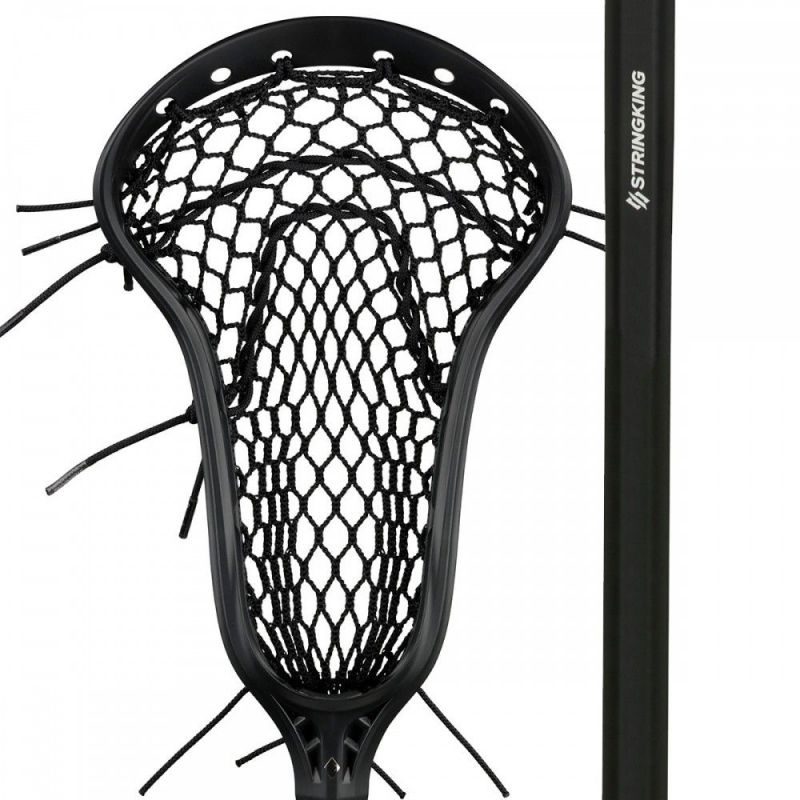
For goalies seeking a fast break-in time on new mesh, pre-waxed options provide pockets ready for play right off the stringing bench. Pre-treated with wax during production, this mesh eliminates the need for at-home waxing to form optimal channels.
Traditional synthetic meshes like nylon and polyethylene typically need added wax to maximize performance. The wax decreases friction, allowing the materials to soften and conform quicker to your style of play. But manually waxing mesh can be time-consuming.
Pre-waxed mesh brands like StringKing and ECD infuse wax into the fibers during the actual weaving process. This impregnates the wax evenly across the diamonds for uniform distribution and full coverage. The materials have wax embedded directly in the netting rather than just a surface coating.
The result is mesh that breaks-in optimally within a game or two of stringing. The wax decreases tension and friction to allow the diamonds to stretch naturally with use. Channels form smoothly right away without a long slog until the desired feel emerges.
Wax also softens mesh to provide increased ball control immediately. The treatment lowers stiffness for improved flexibility out of the package. This caters to goalies who want that soft mesh feel without laborious breaking-in.
When stringing pre-waxed mesh, account for the quicker break-in by avoiding an overly deep pocket to start. Tension the diamonds moderately to find the sweet spot between a stiff hard mesh and over-softened bag. The wax will naturally relax tension over those first few uses.
The main drawback of pre-waxing is less customization options. If you want to apply unique wax blends for certain properties, pre-treated mesh comes with a set wax formula. However, quality pre-waxing achieves excellent all-around handling and control for most players.
Compare pre-waxing to rubbing wax on traditional mesh yourself later. While home waxing works, the manual process risks uneven application. Pre-waxed mesh allows for factory precision calibration to save time and labor.
Be aware that cheaper pre-waxed meshes often apply wax inconsistently or only to the surface. High-quality pre-treatment penetrates the full volume of the mesh for reliable channel forming across pockets. This ensures consistent release points and pocket feel.
Over time, pre-waxed pockets may need occasional re-waxing after the initial treatment wears off. But quality pre-waxing eliminates the biggest hassle upfront. For goalies seeking game-ready pace right off the bench, pre-waxed mesh is the go-to.
In summary, pre-waxed lacrosse mesh provides reliably fast break-in times and optimized pockets straight from stringing. The factory-infused wax decreases tension and increases flexibility right away for quick customization. While reapplication may be needed down the road, pre-waxing eliminates the initial hassle of manual treatment for goalies who want playable pockets ASAP.
Unwaxed Mesh Allows for Custom Waxing and Pocket Personalization
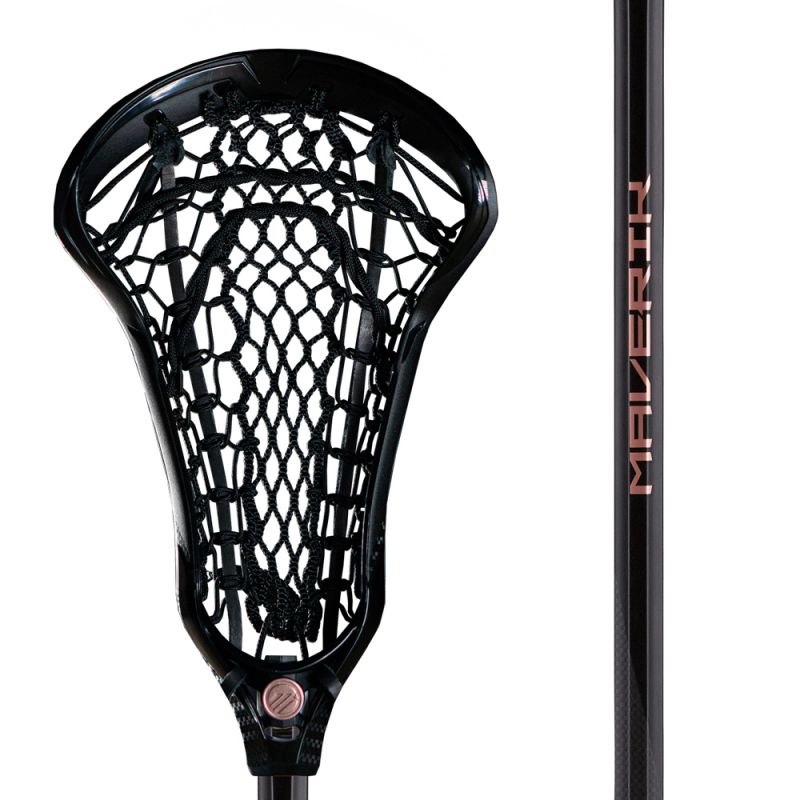
For goalies seeking fully customized pocket feel through personalized waxing, untreated unwaxed mesh provides a blank canvas. Without pre-applied wax, this raw mesh allows you to tailor stiffness, break-in time, and performance through unique wax blends.
Wax applied to synthetic nylon or polyethylene mesh serves multiple functions. It decreases friction between the fibers, softening diamonds for quicker break-in. Wax also waterproofs and reduces hardening in bad weather. Overall, wax enhances pocket feel and performance.
But pre-waxed mesh comes pre-treated with a generic wax formula. While this saves time upfront, the trade-off is less customization capability down the road. If you want to apply special waxes to tune performance, raw mesh is ideal.
With unwaxed mesh, you control the wax types, mixtures, and application techniques fully. Warm mixtures of beeswax, paraffin, and pine tar allow for limitless formulations. You can even vary wax between pocket areas like diamonds, scoop, or sidewalls.
This total personalization provides a highly tailored pocket feel dialed to your exact playing style and preferences. Unwaxed mesh almost functions like a crafting material as you assemble your personalized pocket components. The waxing process becomes an artistic extension of your game.
When stringing raw mesh, account for extra stiffness that will gradually improve through your custom wax treatment. Leave a bit more give in the diamonds and sidewalls at first to allow for the softening and shaping ahead.
The downside of untreated mesh is the time investment required. You’ll need to research blending formulas, purchase ingredients, and methodically apply wax for full optimization. This takes hours compared to using pre-waxed mesh off the shelf.
So while pre-waxing delivers convenience, unwaxed mesh provides creative control. The choice depends on your priorities and willingness to invest hands-on time into the waxing process. Unwaxed mesh is ultimately the most personalized option.
Be aware that lower-quality synthetic meshes may not absorb and transmit wax treatments as evenly. Premium mesh materials like StringKing’s Icon Pro cater best to intensive wax personalization thanks to their porous, responsive constructions.
Over time, rewaxing will be needed on unwaxed pockets just like pre-waxed ones. But the ability to keep experimenting with wax types and mixtures gives long-term customization potential. You can perpetually tune and enhance your pocket feel.
In summary, untreated unwaxed lacrosse mesh allows for full pocket personalization through customized wax blends and application. The raw material provides a foundation to tailor performance and feel completely to your game. While waxing requires time and effort upfront, the result is a meticulously optimized and unique pocket.
20 Diamond Mesh Optimizes Finesse Passing for Goalies
For goalies seeking finessed passing and ball control, 20 diamond mesh provides evenly spaced pockets ideal for precise feeds. The higher diamond density creates smaller uniform channels that grip and direct the ball adeptly.
Mesh density is measured by the number of diamonds from sidewall to sidewall. Typical mesh uses 10 or 12 diamonds across. But 20 diamond mesh doubles the diamond count for added control.
The thinner diamond shape forms numerous compact pockets across the head. This allows for angled stringing that increases ball friction and surface contact. With more diamonds cradling the ball, accuracy and command are enhanced.
For goalies, these tight dense pockets are perfect for split-second outlet passes to midfielders upfield. The ball stays firmly guided in its channel until release, allowing for pinpoint feeds to get clears started.
The smaller diamond size also supports quick stick passes and shots on cage. The compact pockets center the ball automatically, eliminating extra adjustments. Handspeed passing becomes easier with the ball consistently channeled in the head’s sweet spot.
Stringing 20 diamond mesh requires precision given the tight confines. Focus on a medium depth to ensure ball retention while maintaining control. Keep sidewalls taught to avoid sagging. Topstring height should sit mid-scoop to direct shots accurately.
While wider 10 diamond mesh excels for power, 20 diamond is ideal for touch passing. For goalies who value fast breaks and finessed ball movement, higher density suits this style well. Pinpoint precision replaces power.
However, thicker 20 diamond mesh bags out quicker from the increased friction of more diamonds. Durability suffers compared to traditional mesh densities. More frequent restringing is needed to retain the original shape as diamonds relax.
Pockets also hold less ball and shooters’ wax since the channels are compressed. Frequent waxing maintains performance as the narrow diamonds wear down wax quicker. The trade-off for precision is some added maintenance.
Premium mesh brands now make durable 20 diamond materials that resist excessive bagging. StringKing’s Type 3F mesh uses advanced polymers to retain crisp uniform diamonds even at high density. This improves longevity while providing touch.
For goalies who thrive on speed and instant decision-making, 20 diamond mesh caters to finesse passing and quick ball movement. The high diamond count provides accuracy at the cost of some power and durability. But touch and precision shine through.
In summary, 20 diamond lacrosse mesh creates compact, consistent pockets ideal for precise passing and ball control. The narrow channels grip the ball firmly for pinpoint outlet feeds and quick stick maneuvers. While requiring extra maintenance, high-density mesh suits goalies focused on fast breaks and finesse play.
10 Diamond Mesh Provides Powerful Shooting for Goalies
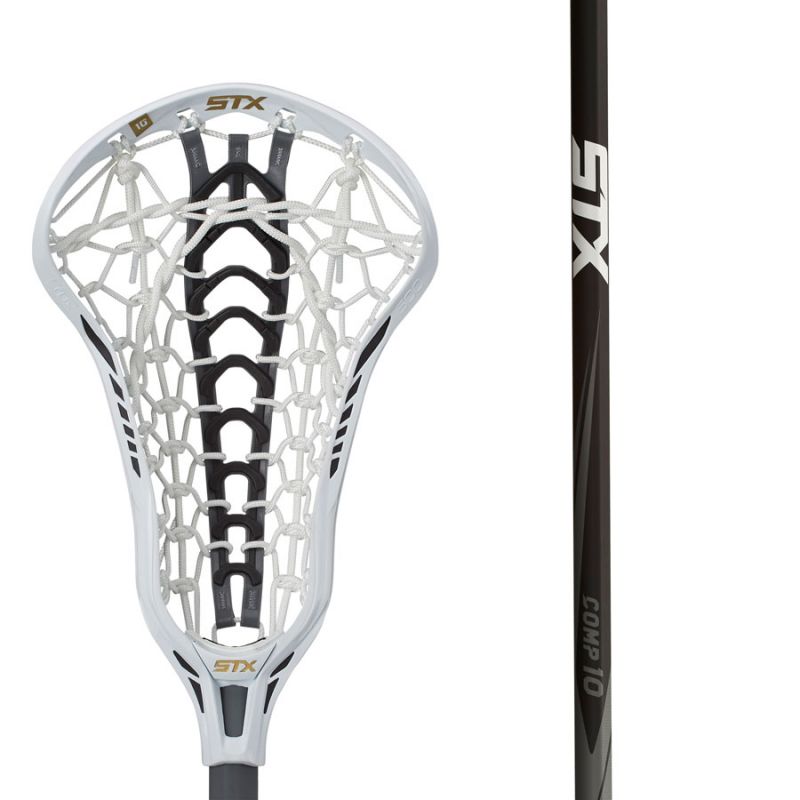
When goalies need to direct clears with power and launch outlet passes downfield, 10 diamond mesh provides wider pockets ideal for these shooting tasks. The lower mesh density forms larger diamonds perfect for generating speed.
Mesh density describes the number of diamonds spanning a head sidewall-to-sidewall. Typical counts are 10, 12, or 15 diamonds across. But more open 10 diamond mesh creates larger diamonds and thicker channel walls.
These wider gaps allow the ball to sit deeper while also moving faster through the head. With thicker nylon or polyethylene between diamonds, more energy transfers to shots for increased velocity.
For goalies, this added speed amplifies clearing power. Lower density pockets slingball faster so you can hit middies in full stride upfield. The ball rips off clears with velocity thanks to the open pockets.
The wider channels also accommodate more ball and shooter’s wax. The added coatings reduce friction for smoother release and hold. Hard driven shots maintain speed as they penetrate deep into the flexible pockets before redirecting.
When stringing 10 diamond mesh, focus on a mid-to-deep pocket optimized for power. Keep the lower wrist area bagged out more for flex and use a high topstring setting to centralize balls. This amps speed while retaining control.
While higher density mesh provides accuracy, 10 diamond is all about shooting speed. For goalies who handle the ball sparingly but need outlet power when they do, wider diamonds deliver. Pure velocity replaces finesse.
However, the thicker nylon walls and looser pockets reduce consistency. Passes fly faster but precision suffers compared to tighter meshes. Frequent pocket adjustments may be needed as the diamonds relax.
There is also increased whip on errant shots, causing painful sting. Extra palm padding helps reduce sting from the stiff mesh walls and deep flexible pockets whipping back after catches.
Quality mesh brands now offer 10 diamond materials that resist excessive loosening over time. StringKing’s Type 3 mesh balances durability with optimized power diamonds. This improves structure while still delivering speed.
Ultimately, 10 diamond lacrosse mesh provides the ideal pocket size and thickness for generating shot speed. While control suffers, the wide diamonds deliver power when goalies need to clear long or shoot through traffic. Velocity defines the 10 diamond design.
In summary, 10 diamond lacrosse mesh creates wide, flexible pockets perfect for increasing shooting power. The lower diamond density offers less accuracy but amplifies ball speed significantly. For goalies who rely on clearing velocity and upfield passing power, 10 diamond mesh is the top choice.
Memory Mesh Retains Pocket Shape for Consistent Goalie Performance
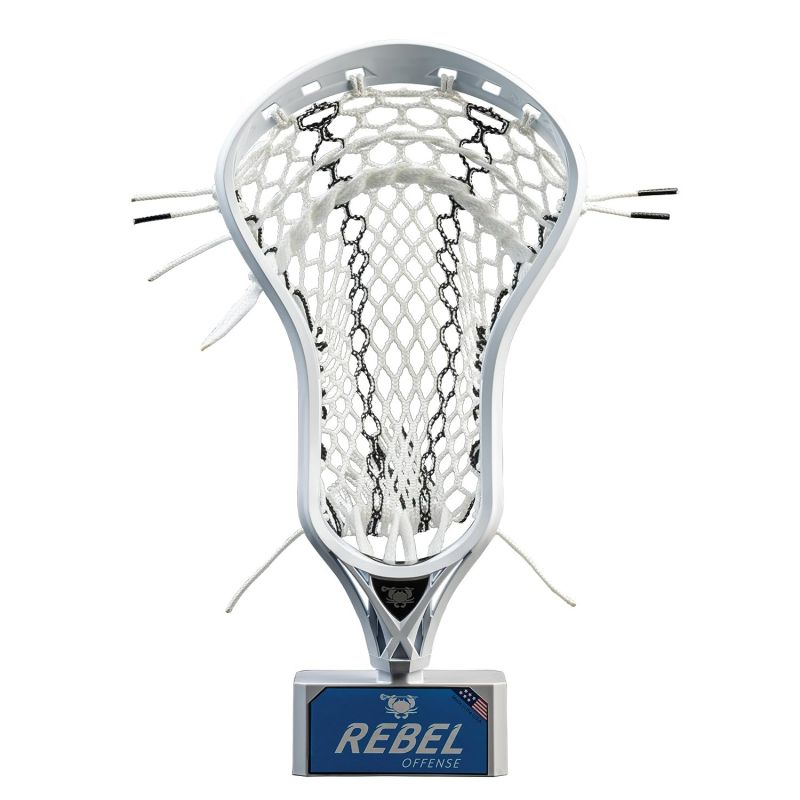
For goalies seeking a reliable, consistent pocket feel over time, memory mesh maintains its structure better than traditional materials. The advanced woven construction bounces back to retain its original shape.
Where typical nylon and polyethylene meshes gradually stretch and deform, memory mesh utilizes shape retention technologies. Special polymer coatings like Vislon applied to the fibers resist permanent stretching or loosening.
This elastic memory effect allows the diamonds to hold form even as shots impact the pockets repeatedly. Channel width and shape stay uniform for consistent passing and shooting weeks and months after stringing.
For goalies, memory mesh provides reliably consistent performance as the original pockets retain profile. You can develop muscle memory for clears, feeds, and outlet passes without worrying about shifting accuracy as pockets bag.
The coatings also allow memory mesh to bounce back quicker after impact for reduced ball delay on saves. As shots compress then exit the pocket, the channels rebound instantly to be ready for quick counters.
When stringing memory mesh, account for the retained tension by avoiding an overly rigid starting pocket. Let the diamonds settle into a natural medium depth and focus on even tensioning across the head. The memory effect will hold shape.
The main limitation of memory mesh is decreased softness and flexibility compared to broken-in traditional mesh. However, consistent precision over time makes up for some loss of custom molded feel in the pockets.
Another minor drawback is that memory mesh requires restringing more often than other meshes after the coatings eventually wear down. The elastic effect does decrease over time after many months of play.
But major brands like StringKing and ECD now engineer advanced memory mesh using high-grade materials like proprietary 100K Dynema fibers. These modern meshes retain their structure 5x longer than previous versions, providing season-long consistency before restringing is required.
For goalies seeking reliability, memory mesh provides uniform pockets perfect for developing muscular memory and instinctual play. Consistency breeds confidence in high-pressure moments.
In summary, memory mesh retains its original pocket shape much longer than traditional materials thanks to advanced coatings and woven fibers. While offering slightly less customized feel, memory mesh provides goalies with season-long structural consistency for improved confidence and control.
Monofilament Mesh Provides Extreme Durability for Goalies
For goalies seeking superior mesh durability that maintains structure season after season, monofilament nylon offers unmatched longevity. This ultra-strong single-filament material resists abrasion, stretching, and wear impressively.
Most lacrosse mesh uses multifilament nylons woven from many stranded fibers. This makes the material prone to fraying, loosening, and degradation over time. Fibers peel apart from friction and damage.
But monofilament nylon is extruded as one continuous, uncut fiber. This creates an incredibly resistant structure for lacrosse mesh applications. The single-strand material has no weak points to split or unravel.
Monofilament mesh retains its crisp diamond shape and pocket structure through tons of play. The unfrayed single-fiber construction withstands endless abrasion from scooping ground balls, facing off, and contact checks. Pockets stay uniformly pristine.
For goalies, exceptional durability means reliable precision season after season. You can develop muscle memory without pockets wearing down or deforming unpredictably. What you string stays structurally sound so performance remains locked-in.
When stringing monofilament mesh, account for the very stiff structure requiring exacting tight string placement. Precision pocket forming is crucial since the material lacks give. But the result is lasting shape retention and ball control.
The trade-off for durability is decreased softness and water absorption. Monofilament functions best when waxed heavily to increase flexibility. And waterproof coatings help prevent rain saturation since the tight weave resists absorption.
Premium monofilament mesh from StringKing and ECD also utilize advanced polymer extrusion processes to boost flexibility slightly while retaining maximum strength. This improves feel without sacrificing ultralong structural integrity.
For players wanting one piece of mesh to last years, monofilament is unmatched. While costlier upfront, the exceptional longevity eliminates constant restringing costs over time. It’s a worthy investment.
In summary, monofilament nylon lacrosse mesh provides extreme abrasion resistance and durability thanks to its single uncut fiber construction. While sacrifices in softness exist, monofilament maintains its shape impressively season after season for goalies who value lasting precision above all else.
Traditional Mesh Provides A Classic Feel for Goalies
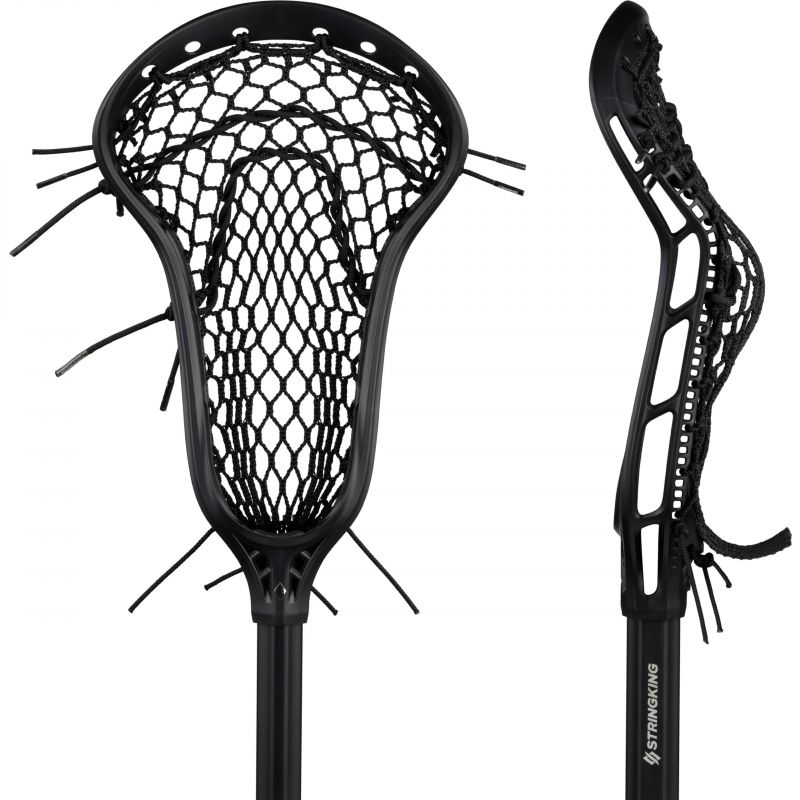
For goalies who prefer the nostalgic feel of old-school lacrosse, traditional woven mesh offers that perfectly worn-in pocket characteristic of the sport’s roots. The classic multifilament nylon delivers a hallmark feel.
Where newer advanced meshes utilize proprietary shapes, special coatings, or high-tech materials, traditional mesh keeps it simple. The plain woven nylon hearkens back to the sport’s early origins.
The multifilament construction creates a soft, flexible feel right from stringing. While needing break-in time, the loose weave forms natural feeling pockets suited for cradle motions. The material absorbs wax well to increase pliability.
For goalies, traditional mesh offers that instinctual snap understood through decades of play. The responsive pockets become extensions of your hands. Intimacy develops between your game and the mesh’s tendency to bag out.
This gradual personalized forming also provides a level of control unique to traditional mesh. An irreproducible feel emerges that goalies come to trust and rely on. The art is in adapting to the material as it adapts to you.
When stringing traditional mesh, allow for stretch by widening diamonds past desired settled width. Start mid-pocket and increase depth, letting the mesh find its natural settling point. The pockets will relax deeper.
While newer meshes aim for consistency, traditional mesh embraces the evolution over time. The unpredictability becomes familiar. Goalies gain field awareness to offset the gradual loosening of the diamonds and channels.
Of course, traditional mesh requires restringing more often as the multifilament construction frays and bags out. Maintaining the sweet spot pocket ultimately takes more work than advanced materials. But devoted goalies consider this a ritual.
Premium traditional mesh from StringKing and ECD uses higher grade nylon for improved durability and wax absorption while retaining the classic feel. An optimized level of control emerges after break-in.
In summary, traditional woven lacrosse mesh provides an irreplaceable feel by utilizing classic multifilament nylon. While control fluctuates over time, the gradual personalized forming creates a uniquely intimate pocket relationship for devoted goalies.
Hybrid Mesh Blends Properties for Versatility
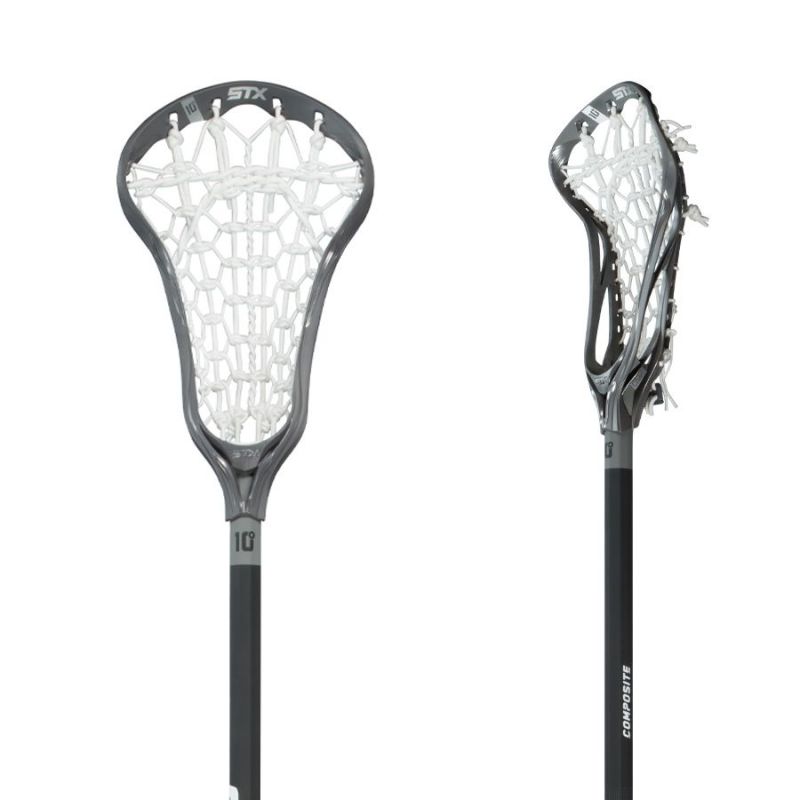
For goalies wanting an all-purpose mesh combining control, power, and consistency, hybrid blends merge the best traits of multiple materials. By integrating different fibers and constructions, hybrid mesh aims for versatile performance.
Most mesh types have trade-offs. For example, traditional mesh offers great feel but lacks durability. Hard mesh provides consistency but lacks softness. And monofilament mesh is durable yet stiff.
Hybrid meshes like StringKing’s Type 3X or ECD’s Hyperweave address these weaknesses by combining different materials strategically. Nylons, polyesters, and polyethylene are blended for synergy.
This lets hybrid mesh balance traits like rigidity, flexibility, shape retention, and weatherproofing in one. Instead of extremes, the goal becomes well-rounded performance. The blended materials create strengths while covering individual weaknesses.
For goalies, hybrid mesh provides a tunable feel catering to your personal preferences. Pockets break-in with control yet retain structure. Power emerges without totally sacrificing finesse. The aim is customization without compromise.
When stringing hybrid mesh, account for the balanced properties by avoiding exaggerated pocket depths or diamond widths. Start moderately tight with a slight mid-level bag. The blended materials will conform naturally for your game from there.
The main limitation of hybrid mesh is the jack-of-all-trades aspect. While performance is tuned across factors, no one attribute dominates. Hybrid mesh represents a central compromise rather than extremes.
It’s also crucial when comparing hybrid meshes that the quality of source materials is high. Cheaper blended meshes often underperform by utilizing subpar base fibers. Construction technique impacts overall quality greatly.
But major brands excel at hybrid mesh by sourcing top-grade proprietary materials first. This ensures excellence in each component before strategic blending ever occurs. The result is balanced feel without corners cut.
In summary, hybrid lacrosse mesh combines different fibers and construction techniques to deliver blended, versatile performance. The aim is goalie pocket customization without compromise by improving feel across factors like consistency, control, and power in a single integrated material.
Goalie-Specific Mesh Provides Maximum Performance
For goalies seeking every possible advantage, mesh engineered exclusively for the position offers customized properties catering to crease play. Goalie-specific materials create pockets perfect for maximizing saves.
Most generic lacrosse mesh aims to serve all field players somewhat equally. But goalies have unique needs demanding specialized engineering. Extreme ball control, pinpoint outlet passing, and high-velocity shot absorption are goalie-centric.
Goalie mesh brands address these needs through tailored attributes. Diamonds and sidewalls are constructed to form deeper cradling pockets without sacrificing ball security. Materials absorb heavy impacts yet release cleanly.
Exclusive goalie meshes also integrate unique treatments like MAX or Slick Rail technology. These coatings increase glide speed for clearing outlets faster while retaining ball control. Everything about the materials focuses solely on crease needs.
For goalies, this amplification of custom design provides measurably better performance over generic mesh. The highly-engineered pockets become natural extensions of your body in the cage. Complete harmony with the mesh is achievable.
When stringing goalie mesh, default to patterns maximizing pocket depth and ball control. Let the specialized materials form around your natural motions later through break-in. Goalie mesh arrives pre-built for elite stopping.
The main limitation of goalie-specific mesh is the lack of versatility for all-field use. While perfect for goalies, the ultra-custom materials may hinder field players slightly. But for dedicated crease protectors, this single-purpose optimization is ideal.
Beware of cheaper goalie mesh options that simply widen generic mesh slightly and relabel as “goalie mesh.” Quality goalie-specific materials like StringKing’s Money Mesh utilize proprietary engineering from the filaments up.
For goalies devoted to mastering the crease, mesh designed exclusively for your position provides an edge that translates directly into more saves. When fractions of seconds and inches decide games, goalie-specific mesh maximizes reaction time and control.
In summary, goalie-specific lacrosse mesh utilizes advanced engineering and treatments to provide optimal ball control, outlet speed, and shot absorption. While costlier, the ultra-custom materials form pockets perfectly contoured for maximizing goalie performance in the crease.
Customizable Mesh Allows Personalized Pockets for Goalies
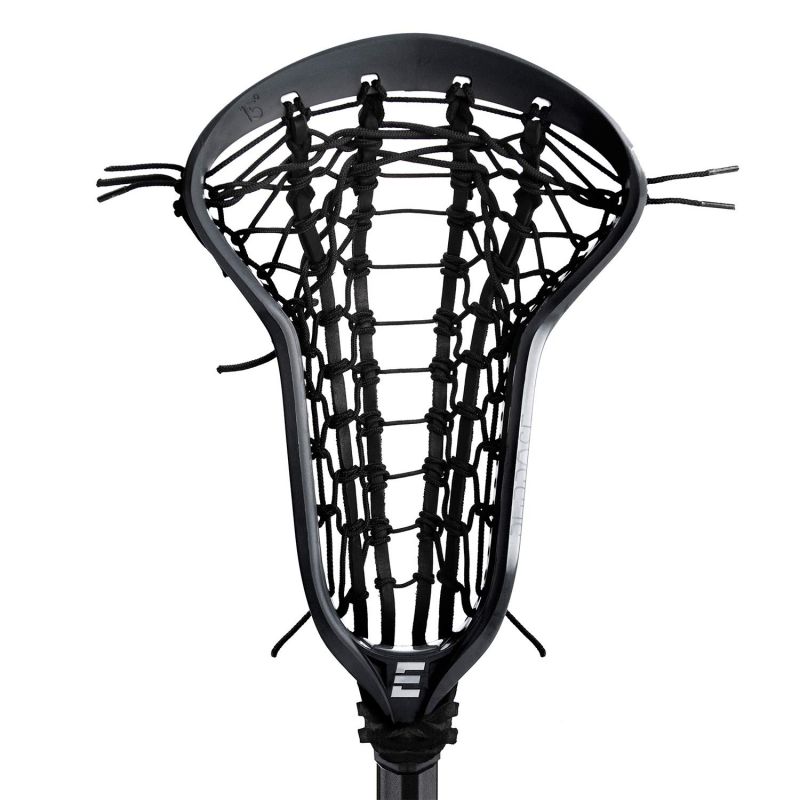
For goalies seeking fully personalized pockets dialed to their unique style, customizable mesh provides limitless options for customization. Through total stringing control, these buildable materials create bespoke pockets impossible with preformed mesh.
Most mesh comes pre-woven into set diamond shapes, densities, and materials. But customizable mesh offers raw nylon filaments without pre-patterning. This allows stringers absolute freedom when forming pocket structure.
Brands like StringKing offer spools of raw mesh filament or individual slip knots. By tying iterative slip knots, any diamond pattern, shape, and size can be built stitch-by-stitch. Sidewall holes get threaded fully personally.
The result is the ability to engineer completely unique pockets aligned with individual goalie playing styles. For example, wider diamonds up top for outlet passing power. Or denser diamonds mid-section for control. Personalization possibilities are endless.
For goalies, fully customizable mesh provides pockets mimicking your exact desired ball feel and release. When you can dictate each diamond contour and tension notch yourself, supernatural pocket harmony is achievable.
When stringing fully customizable mesh, the entire pocket gets workshopped around the goalie’s natural fit and motions. Every inch aims to augment their attributes through aligned engineering. The mesh becoming an extension of self.
The main barrier of customizable mesh is the expertise and time required to maximize potential. Proficient stringing skills are assumed. But for goalies seeking absolute pocket perfection, the sweat equity pays dividends.
Beware of lower-quality generic filaments that fray easily or lack uniformity. Premium materials like StringKing’s Ultrastrong Multifilament prevent knots slipping while offering tear-proof durability and wax absorption.
For goalies seeking the highest possible level of performance, customized mesh provides a path to personalized pocket nirvana. When generic pre-woven mesh can’t solve nuanced needs, custom build your dream pocket from scratch.
In summary, customizable lacrosse mesh made from raw monofilament or multifilament nylon offers limitless options for goalies to engineer fully personalized pocket shapes, densities, and performance characteristics. The ultimate custom fit is achievable through individually hand-tied slip knot stitching.
Top Lacrosse Mesh Brands Produce Quality Materials
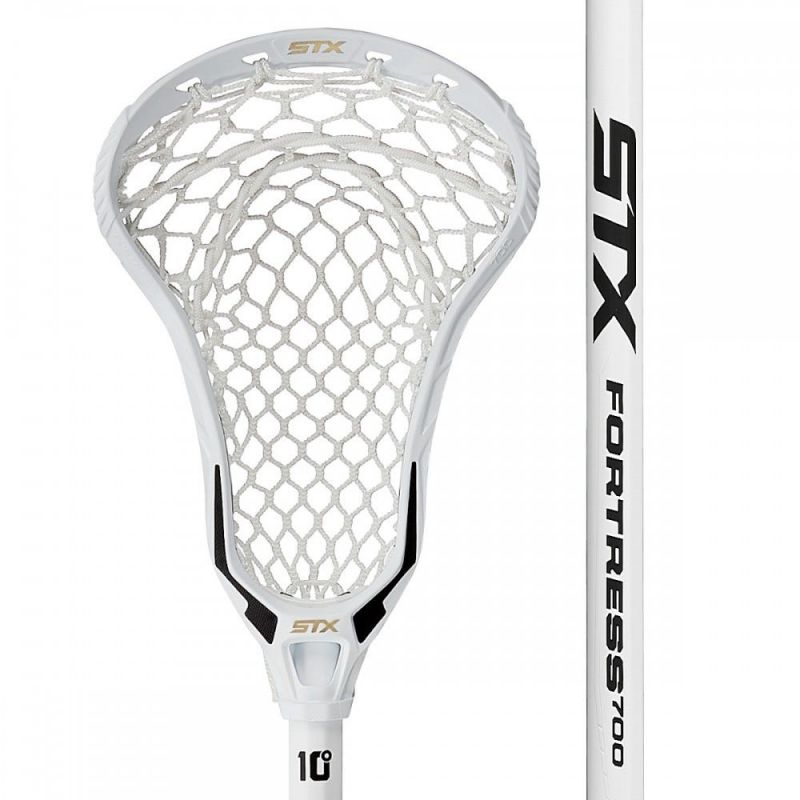
When shopping for lacrosse mesh, focusing on premier brands ensures access to top-grade materials, construction techniques, and innovative features. Major manufacturers push mesh technology forward year after year.
Brands like StringKing, ECD, Throne, and Maverik dedicate enormous resources toward continuously evolving mesh engineering. This produces cutting-edge goalie pocket performance perfecting ball control, consistency, and feel.
These leading manufacturers utilize premium monofilament or multifilament nylons for durable, wax-absorbing foundations. Proprietary polymer blends increase abrasion resistance and weatherproofing traits.
State-of-the-art treatments get applied to further optimize properties. For example, Throne’s WaxMesh tech infuses wax evenly into the fibers during construction to accelerate pocket break-in.
Construction techniques also improve, with brands like StringKing pioneering pinched, pre-shaped heads with Ultrastrong knots to reinforce pocket structure. This precision engineering creates consistent performance and longevity.
For goalies, these leading mesh producers supply the latest materials dialed directly for elite play. The research, testing, and innovation translates directly into increased saves and skills in the crease.
When browsing top brands, focus on their proprietary technologies that demonstrate commitment to engineering advancement. Be wary of generic meshes lacking true technical identity despite branding.
Of course, premium proven materials do cost more than bargain mesh. But devoted goalies understand that quality lacrosse mesh repays its price many times over through career performance gains and reduced restringing costs.
Major brands also tend to stand behind products with generous warranties, pro deals, and customer service. This provides peace of mind and accountability lacking with generic mesh options.
In summary, investing in mesh from leading lacrosse brands like Throne, StringKing, ECD, and Maverik ensures access to the latest materials, construction methods, and technologies elevating goalie game play. Real engineering matters when fractions of seconds decide matches.