Lacrosse Originated as a Sacred Game of Native American Tribes
Lacrosse has its origins in the stickball games played by various Native American tribes throughout eastern North America long before European contact. For indigenous peoples like the Haudenosaunee (Iroquois Confederacy) and Algonquin nations, lacrosse served religious, medicinal, and ceremonial purposes. The version played by the Six Nations of the Iroquois is known as Dehuntshigwa’es in their language, meaning “men hit a rounded object”. Lacrosse was seen as a gift from the Creator to be played for healing, dispute resolution, and honoring spirits. As a medicine game, it could spiritually and physically heal individuals and communities. With its roots dating back as far as 1100 AD, lacrosse is one of the oldest team sports in North America. Early lacrosse sticks were handcrafted from hickory wood and strung with raw animal hide laces. The construction of sticks, selection of materials, and stringing style reflected the skill and spiritual connection the maker had with the game. As lacrosse grew in popularity after European contact in the 17th-18th centuries, Native craftsmanship and reverence for the sport began to decline. But a resurgence of interest in heritage lacrosse gear shows respect for indigenous origins.
Handcrafted Lacrosse Sticks Gave Way to Mass Production
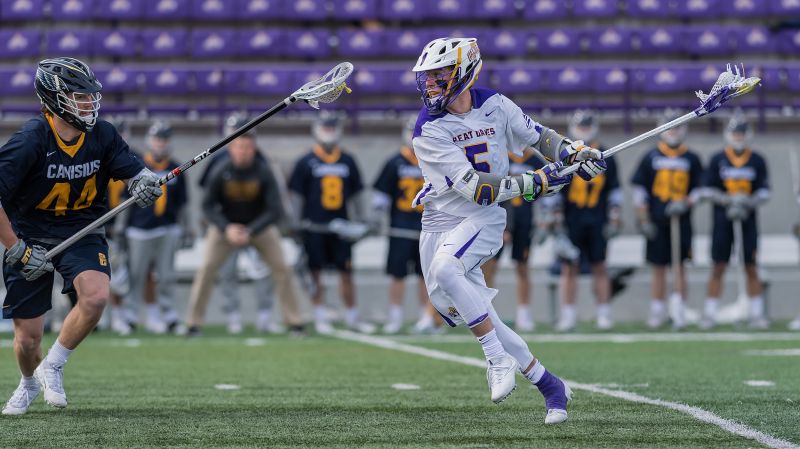
In the early 20th century, the tradition of handcrafting lacrosse sticks from natural materials began to decline. As the sport grew in popularity in mainstream North American culture through college and club teams, the demand for lacrosse equipment increased dramatically. This led companies to start mass producing synthetic lacrosse gear using plastic, metal, and nylon materials. Machine-made heads and molded plastic sticks replaced the painstaking artistry of carving wooden sticks and hand-stringing leather laces. While mass production brought down costs and made lacrosse more accessible, it came at the expense of craftsmanship, tradition, and spiritual connections to the Native origins of the sport.
The move away from natural materials also changed the way lacrosse gear performed on the field. Sticks became more durable but lost the nuanced feel and control of heritage lacrosse equipment. Pockets strung with nylon lacked the customized break-in and finesse of rawhide leather strings. As convenience and affordability trumped heritage, generations of lacrosse players lost touch with the roots of the game. But once again, renewed interest is helping drive a revival of traditional gear and stringing styles.
Leather Lacrosse Strings Provide Unique Feel

One hallmark of traditionally strung vintage lacrosse sticks is leather laces. Before synthetic fibers were widely available, lacrosse stick stringing used hand-cut strips of rawhide leather. Leather lacrosse laces provide a soft, supple feel with excellent ball control. The natural material conforms to the player’s preferred pocket style with use over time. As the sticks were broken in, the leather strings softened and customized perfectly to each player’s catching and throwing technique.
Leather laces also have more friction and grip compared to nylon strings, allowing for quicker passes, shots, and scooping. The material helps grab errant passes out of the air. With practice, players can achieve excellent feel with leather lacrosse laces. The main drawbacks are durability and moisture absorption. Without weather protection, untreated leather can become saturated and heavy in wet conditions. It also requires more frequent restringing as the material breaks down over time. But for many heritage lacrosse enthusiasts, the unmatched control is worth the extra maintenance.
Modern leather lacrosse laces retain these positive traits while improving longevity through treated, waxed, and preserved raw materials. Players looking to honor tradition while enjoying unique performance are fueling a revival of leather strings in lacrosse sticks old and new.
Traditional Pockets Offer Better Ball Control
Beyond the materials used, traditionally strung lacrosse heads provide unique performance benefits as well. The customized stringing and pocket placement of heritage sticks gives players excellent ball control and feel for cradling, scooping, passing, and shooting.
Handcrafted pockets are strung, broken in, and maintained by their user over years of play. This results in ideal pocket shapes tailored specifically to an individual’s playing style and preferences. Mass produced lacrosse heads with generic factory stringing cannot match this customization. Additionally, traditional shallow pocket designs promote increased ball handling ability compared to deep, pre-manufactured mesh pockets. The tight weaves and close-to-the-head placement of old school stringing allows for better feel on the ball and precision passing.
Vintage sticks also force players to develop fundamental stick skills. Deep pockets in modern heads make sloppy mechanics less punishable. But with vintage pockets, players have to master flawless cradling, quick hands, and clean releases to be effective. Heritage lacrosse gear brings players back to the roots of the sport’s focus on finesse, touch, and Connection to the ball and stick.
Finding Authentic Pre-Strung Vintage Lacrosse Sticks
As interest in traditional lacrosse gear grows, more players are searching for authentic vintage sticks. Ideally, pre-strung old school lacrosse heads allow users to experience heritage equipment without learning complicated stringing methods.
Classic wooden sticks from top vintage manufacturers like Bacharach Rasin, W.H. Brine, and AVCO are highly coveted. These sticks were handcrafted and strung decades ago yet still perform remarkably well today. Finding intact, useable sticks from the early-mid 1900s requires searching specialty vintage sporting goods stores, estate sales, and online auction sites.
Reproduction retro lacrosse heads offer another option without the fragility of antique sticks. Manufacturers like Wood Lacrosse and Stylin Strings use modern materials to recreate old school shapes and construction. Then they string the heads with traditional materials and techniques. This combines durability with authentic pocket styles, textures, and playability akin to museum-piece vintage gear.
For an authentic traditional lacrosse experience, seek out original vintage and faithfully reproduced retro sticks. With the right pocket and materials, heritage lacrosse heads bridge past and present for a truly unique on-field feel.
Traditional Pocket Styles for Optimal Ball Control
When stringing up vintage lacrosse sticks, pocket placement and style impact performance. Experienced stringers tie precise shooting strings, runners, and cross-lacing to form optimal pockets for control.
Traditional pockets are generally mid-to-shallow in depth. This allows constant contact between stick and ball. Deep pockets can make cradling sloppy and passes less accurate. Tight stringing also increases hold compared to wide mesh weaves. But the pocket still needs enough give to smoothly release during shots and passes.
Shooting string placement manipulates release points. Lower inside runners provide hold but can slow throws. Higher outside runners promote quicker, more free-flowing ball movement. Finding the right combination of hold and release takes practice. An ideal heritage pocket maximizes feel, control, speed, and finesse according to individual playing style.
Traditional stringing methods also allow players to continually customize over time. As leather strings break in, new adjustments can be made. Consistent tuning and collaboration between stringer and player means no two heritage pockets are the same. The nuances of vintage stringing translate into irreplaceable performance on the field.
Caring for Old School Lacrosse Mesh and Leathers
To maintain peak performance, traditional lacrosse gear requires proper maintenance. Rawhide and leather lacrosse strings especially need protection from moisture, dirt, and overuse.
Treating leather laces with protective waxes or oils improves weather resistance and durability. This helps repel water while keeping the rawhide supple. Regular cleaning also prevents dirt buildup that can abrade and fray the material. Gently wipe dirt and debris off the strings after each use.
Watching for signs of wear helps prevent total pocket failure. Fraying, stiffness, or cracks signify a string nearing the end of its life. Replacement of individual shooters and runners extends the pocket’s usability. Periodic re-stringing also keeps the pocket fresh. Rotating multiple traditionally strung sticks prolongs the leather’s lifespan.
Proper storage is also key. Keep sticks in cool, dry environments away from direct sunlight when not in use. Allow the leathers to fully dry before storage to avoid moisture damage. With attentive care, heritage lacrosse pockets provide that irreplaceable vintage feel for many seasons.
Learning Traditional Lacrosse Stringing Methods
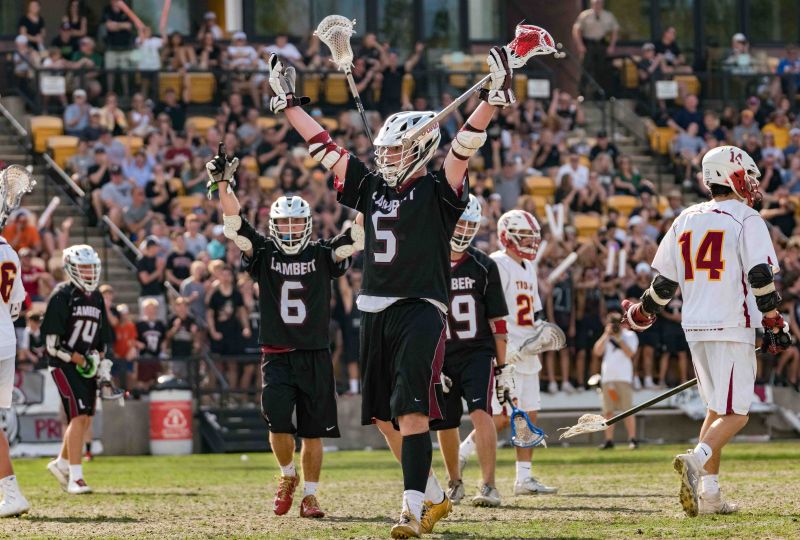
Stringing up vintage lacrosse sticks takes patience and practice. But doing it yourself allows full customization and connection to the craft.
Start by studying traditional stringing styles and materials. Leather lacrosse lace, waxed linen thread, rawhide, and heated nylon strings all get used. Understand the intricacies of interwoven sidewall, runner, and shooting string patterns. Referencing patterns on antique sticks provides helpful examples to follow.
Acquire the necessary supplies. Leather laces, wooden pins, waxed cordage, an awl, and needle-nose pliers make the essential kit. Watch stringing tutorial videos to pick up key techniques. Allow lots of time for trial and error. Be prepared to pick apart and re-string pockets repeatedly until satisfied.
Work closely with teammates who will use the stick for feedback. Subtle adjustments to shooting strings and whip fine-tune performance. Patience and creativity combine traditional materials with modern style preferences. Honor the past while optimizing for today’s game.
With practice, stringing your own heritage pocket becomes a rewarding process. Each handcrafted stick tells a unique story while playing like an extension of its creator on the field.
Vintage Gear Offering Modern Performance
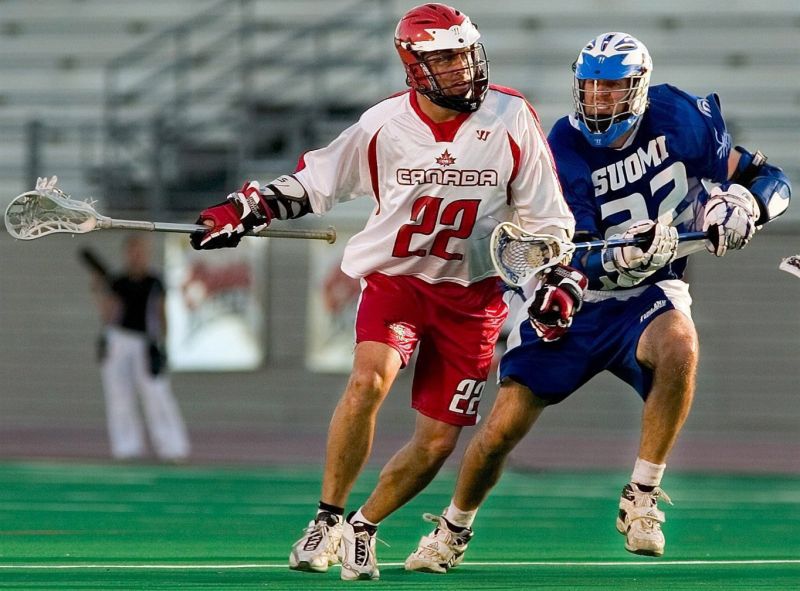
While honoring tradition, heritage lacrosse equipment also caters to modern performance needs. Craftsmen combine age-old techniques with contemporary materials and design.
Updated leather treatments improve weatherproofing for game-ready durability. Pocket placement adapts to emphasize today’s emphasis on quick sticks and finesse play. Stringing reinforces high stress points while optimizing whip and release.
Stick makers also innovate on traditional shapes to align with current players’ ergonomic preferences. Increased offset on heads mimics modern offset sticks. Throat shapes and flare match the scooping and handling of modern sci-tech sticks. Materials like textured fiberglass and triple-weave nylon mesh marry classic construction with space-age touch points.
Blending traditional craftsmanship with cutting-edgeenhancements allows heritage gear to excel on the modern field. Respect for the creators combines with applied innovation to forge a dynamic future for the roots of lacrosse.
Professional Lacrosse Players Using Vintage Gear
The unique performance and heritage of old school lacrosse equipment gets showcased by pros spotlighting vintage sticks.
Hall of Fame legends like Jim Brown and Albie Crosby displayed the potential of traditional pockets during the sport’s early days. Generations later, current stars like Paul Rabil and Tom Schreiber demonstrate the sticks’ modern effectiveness.
Rabil’s colorful 1970s STX Professor pockets maintain excellent control and hold. Schreiber’s 1950s wooden Bacharach Rasin exudes flair. Stylers like Randy Staats weave native spirit into eye-catching traditional stringing displays. Their vintage flair turns heads while competing at the highest levels.
Younger rising professionals also embrace heritage gear on the field. Social media shares of players like Jeff Teat with meticulously restrung 1970s sticks spread appreciation for the antique craft. Seeing pros excel with old school pockets proves their timeless playability.
Vintage lacrosse advocates competing with retro flare inspire curiosity in the roots of the game. Performing under pressure validates heritage equipment’s combination of uniqueness and effectiveness.
Differences Between Classic and Modern Lacrosse Stringing
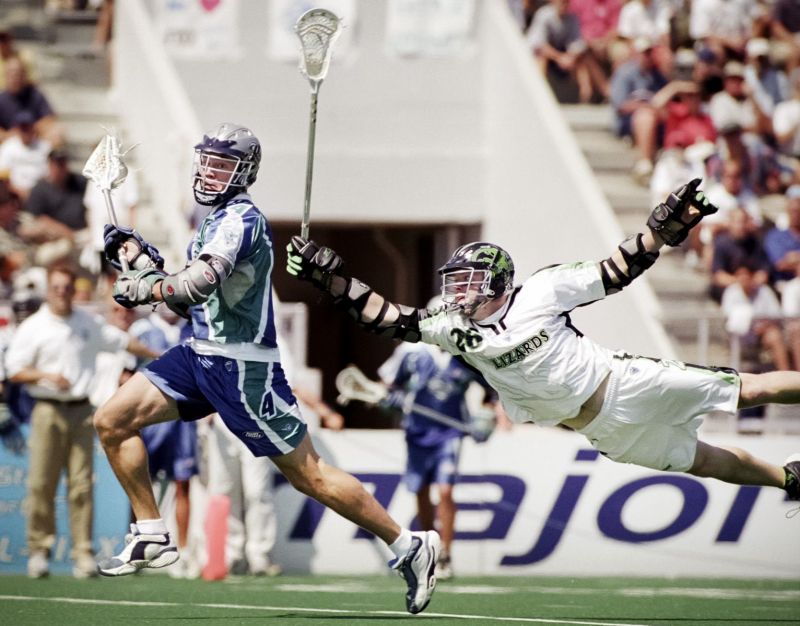
While overlapping in function, traditional and modern lacrosse stringing differ in materials, construction, and pocket properties.
Modern mesh consists of synthetic nylon woven into net-like squares of varying widths. Stick makers machine weave generic pieces sized for universal application. In contrast, classic leathers get hand cut and laced into customized string beds.
Machine-strung modern pockets aim for deep defined channels and quick break-in time. Heritage stringing requires carefully tying individual shooters and runners by hand for shallower, customized pockets.
Where mesh emphasizes generically consistent pockets, traditional lacrosse stringing celebrates individually expressive craftsmanship. Modern materials favor durability and affordable mass production versus personalized artistry.
While adjacent in purpose, the variances in old school and new school stringing contribute unique feels. Each offers strengths suited for different players and eras, united by innovating within lacrosse’s enduring creative spirit.
Traditional Gear’s Presence in College Lacrosse

College lacrosse showcases heritage equipment through classic rivalry games and specialty throwback uniforms.
Annual contests like the Harvard vs Yale “The Game” prompt players to use old school wooden sticks to honor origins. Special retro kit designs also spotlight historical styles and stringing. Chrome 1960s helmets, hand-stiched jerseys, and vintage leathers transport players and fans back in time.
Many NCAA programs have Alumni Heritage Games to celebrate former players. Vintage uniforms get dusted off, and aged leather sticks see field time once again. Hall of Fame teammates reunite to don classic gear alongside current students.
By infusing heritage into high-profile contests, collegiate lacrosse keeps its foundations close. Showcasing the retro designs connects players and fans to the journey of programs they represent. It provides inspiration to innovate on proven successes as the game’s next chapters get written.
Youth Leagues Teaching Lacrosse Traditions
Heritage lacrosse gets introduced to new generations through youth training programs emphasizing cultural customs.
Clinics focused on traditional Native stickmaking and stringing teach historical significance. Hands-on crafting gives young players an ownership stake through the creations of their own sticks. Seeing the game through its indigenous roots provides context for lacrosse’s origins as a sacred medicine game.
Instruction in customary Native dances, music, and language paired with traditional gear provide an immersed experience. Lacrosse combines sport and ceremony, community and history. Kids gain appreciation for the creators by following customs stretching back centuries.
Honoring heritage in youth training expands lacrosse’s reach by enriching its narrative. Looking back plants seeds to support future growth. Keepers of the game pass on living knowledge to cultivate new generations of appreciative players.
Revival of Handcrafted Lacrosse Stickmaking

Passionate craftsmen are reviving labor-intensive traditional lacrosse stick construction techniques.
Small batch producers commit endless hours to steam-bending vintage hickory into heads. They hand-stitch soft leather pockets for unparalleled control. Each handmade stick passes through meticulous shaping, sanding, and stringing processes to echo Native American artistry.
Contemporary materials also get styled into heritage-inspired gear. Artisan handles woven from colorful dyed leathers display personal flair. Custom graphic prints beneath fiberglass exteriors combine retro vibe with sturdy dependability.
Modern tech aids traditional methods through 3D-scanning original antiques. But computers cannot replace hard-won skill honed over decades. Their commitment honors lacrosse’s foundations by carrying forward enduring handcraft technique.