Introduction – Why snake boots are essential for women adventurers
For women who love the great outdoors, a good pair of snake boots can make all the difference when it comes to safety and enjoyment. As more ladies embrace hiking, hunting, and other outdoor activities, having reliable snake proof footwear is becoming increasingly important. But with so many options on the market, it can be tricky finding the perfect pair. This guide will explore key factors to consider when shopping for women’s snake boots, from proper sizing and insulation needs to top brands and stores to buy from. Read on for 15 tips to help you invest in a pair of snake boots you’ll love wearing for years to come!
Pay Attention to Protection Levels
Not all snake boots offer the same level of protection, so this should be one of the first things you look at. Many women’s snake boots are rated for protection against strikes from specific venomous snake species. For example, some may only guard against copperhead bites, while more heavy-duty pairs safeguard against vipers, rattlesnakes, and more. Consider which types of snakes are native to the areas you’ll be hiking or hunting in, and choose footwear rated for those species. Going with the highest protection possible is always a smart move.
Consider Insulation Needs
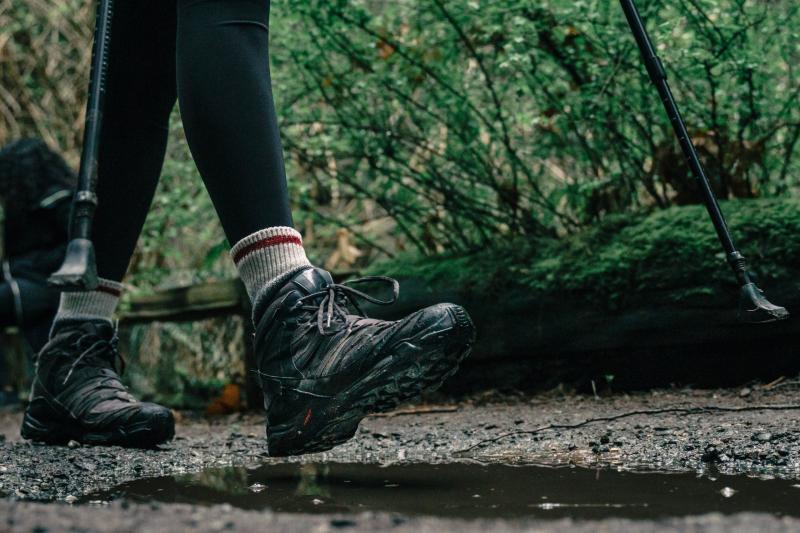
Women’s snake boots come in uninsulated and insulated options, with insulation measured in grams. 200-400 grams of insulation is suitable for spring and fall use, while 800-1000 grams works better for frigid winter temps. Uninsulated pairs are best for warmer weather. Think about when and where you plan to wear your snake boots most, and pick insulation accordingly. Insulated also means warmer, so prepare for sweaty feet on hot days. Taking out the insert is an option to help with overheating.
Make Sure They’re Waterproof
Since snakes tend to live in wet or marshy habitats, waterproofing is a must-have for reliable snake boots. Leaking seams or footwear materials that absorb moisture easily can put you at risk. Seek out pairs made of water-resistant leathers, rubber, and durable textiles. Many women’s boots also have HydroGuard linings for weatherproofing. Staying dry is key for comfort and safety.
Don’t Forget About Comfort
While protection matters most, you also want snake boots that feel good to walk in for miles. Prioritize comfort features like padded collars and tongues, supportive footbeds, flexible rubber soles with deep lugs for traction, and secure but not too tight closures. Try the boots on while wearing similar socks to your normal hiking pair to ensure a comfortable fit. Break them in at home before your first outdoor adventure. Snug but not pinching is ideal.
Know Your Size

Be sure to double check sizing charts and order accordingly. Snake boots often run large, so consider going down by a half or full size. Narrow or wide calf options are also available from many top brands. Measure your calves to find the right circumference. Ordering true to size or even slightly big is better than too small, which can mean bites getting through. Leave a finger width of space between your toes and the boot’s end.
Shop Top Brands
Sticking with reputable brands is wise when buying women’s snake boots. Top names like Lacrosse, Browning, Muck, Rocky, Bogs, and She Outdoor are known for their protective and comfortable snake proof footwear. These companies offer boots in a range of heights, colors, insulation levels, and sizes specifically designed with women in mind. Check user reviews and ratings as well when comparing options.
Consider Hunting vs Hiking Uses
Are you buying snake boots mostly for hunting or for hiking and general outdoor protection? Boots designed for hunters usually have camo patterns and are a bit lighter, while hiking snake boots prioritize traction, stiffness, and ankle support. Think about when you plan to wear them most. Break-in time can also vary, with hunting boots being more flexible out of the box vs hiking pairs needing 30+ miles to loosen up.
Choose From Different Heights
Women’s snake boots come in ankle, calf, knee, and even thigh height options. Higher boots offer more protection, while lower cuts allow for more mobility and faster break-in. Knee and thigh heights are best for high grass, deep woods trekking, and heavy duty protection. Ankle and calf heights work well for warmer weather and lighter activities. Consider your needs and environment.
Try Them On In-Store If Possible
Trying boots on at outdoor stores like Cabela’s or Academy Sports can ensure a perfect fit versus guessing your size online. You can walk around and test comfort and break-in. That said, stores may have limited options, so don’t be afraid to order several pairs online to find the best fit if needed. Most retailers allow free returns which makes at-home try-ons easy.
Think About Maintenance
Properly caring for your snake boots will maximize their lifespan. Rinse with water after use and allow to fully air dry. Use leather conditioners to keep materials supple. Re-apply waterproofing treatments as needed. Remove inserts to dry fully after wet hikes. Storing boots with cedar shoe trees can help prevent creasing while not being worn. Take care of your footwear and it will protect you for many seasons.
Invest in Quality

With women’s snake boots, you often get what you pay for in terms of protection, materials, and longevity. While budget-friendly options exist, spending a bit more on pairs from top brands can mean added peace of mind and years of reliable wear. Consider stretching your budget for something that will truly last and keep you safe. Your boots are worth investing in.
Find Them Nearby
Major outdoor retailers like Academy Sports, Cabela’s, Bass Pro Shops, and DICK’s Sporting Goods often stock quality women’s snake boots in-store, so you can stop by and try options on. Local hunting and fishing shops are another option for finding reputable brands nearby. Bonus: you skip shipping fees buying in-store. Call ahead to check availability of women’s styles, sizing, and insulation options.
With so many factors to weigh, finding the perfect pair of snake boots for your needs may take some consideration. But taking the time to shop smart will reward you with protective footwear you can rely on for seasons to come. Use this guide to narrow down your priorities, seek out quality materials and construction, and invest in a pair of snake boots built just for women that you’ll love for miles.
Key Features To Look For – Waterproof, comfort, protection level

When shopping for the perfect pair of women’s snake boots, there are a few key features to look for that can make all the difference in safety, performance, and enjoyment:
Waterproof Materials
Snake boots must be waterproof to keep your feet dry in wet conditions where snakes thrive. Seek out boots made with leather, rubber, nylon, and textiles treated with waterproof membranes like HydroGuard. Avoid any materials that can absorb moisture. Wet feet lead to blisters and hot spots, compromising comfort. Waterproof boots also won’t leak, keeping your socks and feet warmer and drier.
Comfort Technologies
While snake proofing is the priority, comfort improves wearability. Prioritize boots with padded tongues and collars, supportive contoured footbeds, flexible rubber lug soles for shock absorption, and secure closures that don’t pinch. Trying boots on while wearing hiking socks similar to your normal pair can ensure the best fit. Break them in at home before your first trek.
Toe Protection
Thick rubber toe caps add protection against frontal strikes and stubbing hazards. This protects feet from bruising and potential punctures. Toe caps also increase structure and make boots more rigid for hiking over rough terrain. Just be sure to still allow a finger width of space between your toe and the boot’s end when trying on.
Snake Proof Ratings
Look for the boot’s protection level against venomous snake bites. Higher ratings guard against more species, like vipers and rattlesnakes. Boots may carry a North American, European, or South African standard rating. Go for the highest level possible for your region. Not all boots offer equal shielding.
Calf Circumference Options
Snake boots come in regular, wide calf, and narrow calf sizes to accommodate different leg shapes. Measure your calf circumference to choose the right boot width for a comfortable fit. Proper calf sizing prevents bites getting through. Consider adjustability features too.
Insulation Type
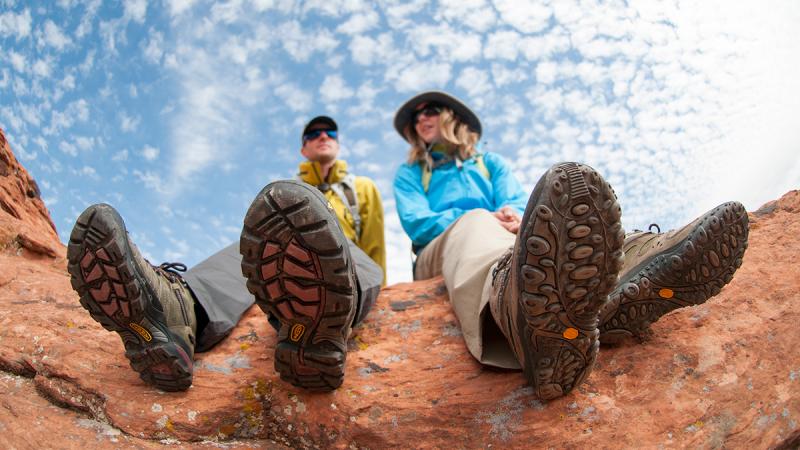
Insulated boots use either Thinsulate or neoprene for warmth. Thinsulate rates from 200-1000 grams for varying warmth levels. Neoprene is highly water resistant but can get quite warm. Remove inserts if overheating becomes an issue. Uninsulated boots work for warmer weather.
Locking Side Zippers
Side zippers with Velcro or snap closures make taking boots on and off simple while keeping them secure. This also allows for calf adjustability to accommodate skinny or more muscular calves. Seek out smooth operating zippers that won’t pinch or chafe.
By keeping an eye out for these key features and technical components, you can more easily narrow your options to find the perfect snake boots for your safety and comfort. Don’t compromise on protection or waterproofing. And take proper sizing and break-in time seriously for blister-free wear.
Investing in the right pair of women’s snake boots is critical for enjoying the outdoors worry-free. Keep the key considerations covered here in mind while shopping and trying on options, and you’ll find footwear you can rely on for miles to come. Happy snake boot hunting!
Top Brands For Women’s Snake Boots – Lacrosse, Browning, She Outdoor

When it comes to reliable snake proof footwear for women, there are a few brands that really stand out. Lacrosse, Browning, and She Outdoor consistently offer high quality boots with the features and protection women need. Here’s an overview of what makes them top choices:
Lacrosse Snake Boots
Known for their hunting boots, Lacrosse uses premium leathers and durable textiles to create comfortable, waterproof women’s snake boots. They offer options in low, mid, and knee heights, both insulated and uninsulated. Lacrosse boots feature protective TPR toe caps, cushioning foam, traction outsoles, and side zippers for easy on/off. Their snake boots guard against fang and venom penetration.
Browning Snake Proof Boots
Trusted hunting brand Browning designs lightweight, flexible snake boots for women with Realtree camo patterns. They utilize abrasion resistant uppers, shock absorbing soles, durable hardware, and moisture wicking linings. Browning’s snake boots are rated for protection against rattlesnakes, copperheads, and water moccasins. They provide comfort and safety.
She Outdoor Snake Boots
She Outdoor focuses exclusively on women’s outdoor footwear, including snake proof boots in vibrant colors. Their boots feature rubber toe caps, shielding scales, and slip resistant soles. She Outdoor has options for hot and cold weather, with adjustable calf sizes and side zips. Great for hunting or hiking in comfort.
Along with these top three brands, Muck, Irish Setter, Rocky, and Bogs also offer quality options for women. Seek out boots with reinforced toes, sealed seams, supportive soles, effective closures, and high snake proof ratings from reputable brands. This provides the best protection and durability for miles on the trail.
Don’t just choose any generic snake boots when there are so many brands designing styles specifically for women today. Lacrosse, Browning, and She Outdoor lead the way in providing a women-centric fit, look, and performance. Investing in boots from established companies using premium materials is wise for safety and encourages outdoor confidence.
Now get out there and start your search for the perfect pair of snake boots from one of these leading brands. They’ll keep you protected so you can keep on exploring in comfort and peace of mind.
Snake Proof vs Snake Resistant – What’s the difference?

When shopping for women’s snake boots, you’ll see some labeled as “snake proof” while others are called “snake resistant.” What exactly is the difference between these two terms?
Snake Proof Boots
Snake proof boots are designed to fully prevent snake fang and venom penetration through the materials and construction. They often carry safety ratings specifying the levels and types of snakes they guard against, like vipers or rattlesnakes. Snake proof means total bite protection.
Snake Resistant Boots
Snake resistant boots provide some protections but don’t completely guarantee against bites. They may use plastic guards or tight weaves to make it harder for fangs to penetrate, but still carry some risk. Snake resistant is not the same level of security as snake proof.
Construction Differences
Snake proof boots use tightly woven, reinforced materials and extra layers to fully block bites. Snake resistant may rely more on tough exteriors that can be compromised. Proofing focuses on impenetrability, while resistance concentrates on discouragement.
When to Choose Snake Proof

For high risk areas with lots of venomous snakes, or times of day when encounters are likely, snake proof is strongly recommended. Proof labels indicate boots have undergone testing to meet safety standards, providing confidence.
When Resistant Could Work
In areas with lower snake populations, during seasons when snakes are less active, or for quick day hikes, resistant boots may provide enough protection. But proofing is still ideal for maximum safety.
For women venturing into the outdoors, snake proof boots are by far the smart choice for full security. While resistant boots seem like a more affordable option, they leave room for risk. Investing in proofed footwear brings peace of mind so you can trek with confidence.
Knowing the difference between snake proof vs. resistant boots allows you to make the safest choice. Always opt for proofed protection whenever possible. Why gamble with your safety? Snake proof boots deliver the impenetrable shielding you need.
Height Considerations – Calf, knee, thigh options
Women’s snake boots come in a variety of shaft heights, from short ankle boots to extra tall thigh-high pairs. The right height for your needs depends on several factors:
Ankle Snake Boots
Ankle height snake boots end just above the ankle bone, providing mobility and faster break-in. They work well for light day hikes in low brush areas, where ankle support isn’t as crucial. Ankle boots also allow for airflow in hot weather.
Mid-Calf Snake Boots
Mid-calf boots hit midway up the calf, offering a bit more protection and support. They’re a nice in-between option if ankle is too short but knee too tall. Mid-calf works well for changing weather and moderate hikes.
Knee-High Snake Boots
Knee-high boots extend up over the calf to the bottom of the knee. This protects more of the leg from snake bites or thorns. Knee boots provide the most support and stability for all day trekking. They’re ideal for high grass areas.
Thigh-High Snake Boots
Thigh-high boots give maximum coverage, going up to the mid-thigh. Great for deep woods and extremely overgrown areas. Can provide too much warmth in hot climates. Allow time to break in. Thigh boots offer the ultimate snake bite protection.
Consider Your Environment
Think about the types of terrain and vegetation you’ll typically be hiking in. Higher brush and grass calls for taller boots. But don’t sacrifice comfort for overkill height. Get the ideal balance of protection and mobility.
With more brands offering boot height options for women, you can choose the perfect snake boot shaft height for your needs. Consider climate, hike length, and ankle support desires when deciding. And don’t be afraid to choose a fashionable color too!
Sizing Tips – Order 1/2 size up, wide calf options
Getting the right size is crucial when shopping for women’s snake boots. Here are some key sizing tips to find the ideal fit:
Order 1/2 Size Larger
Many women recommend ordering snake boots in a 1/2 size up from your regular shoe size. Boots don’t stretch much, so the extra room prevents pinching while allowing for thick hiking socks. A finger width of space in the toe is ideal.
Try Brand Size Charts

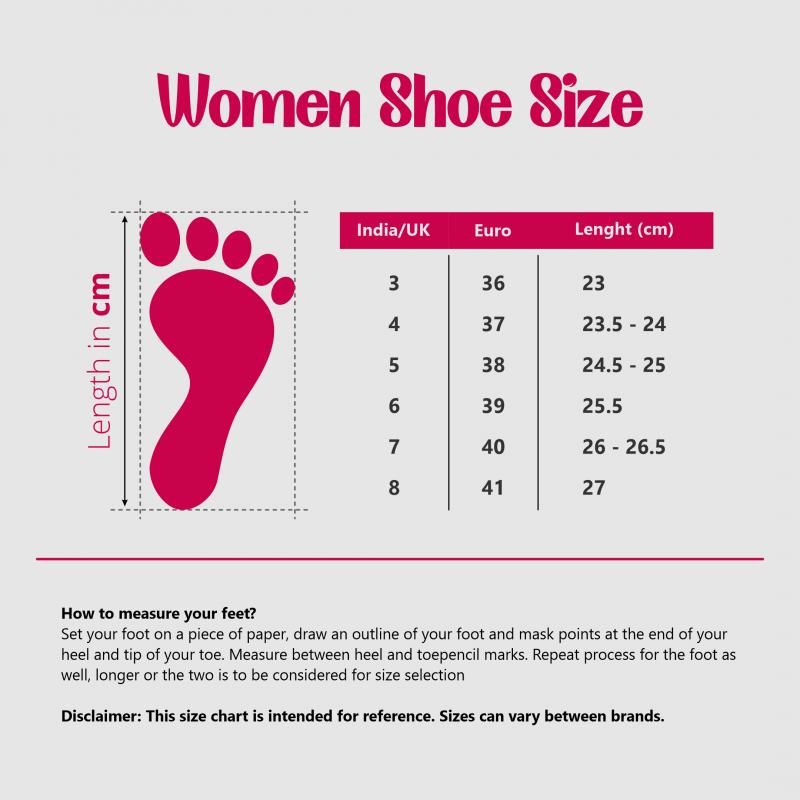
Consult each brand’s size chart rather than going by your typical size. Measure your foot length and circumference and compare to charts. Women’s snake boot sizing can vary quite a bit across brands.
Consider Wide Calf Options
If you have more muscular or fuller calves, seek out boots offering wide calf sizes. Measure your calf circumference to choose regular or wide. A too-tight calf area can cut off circulation.
Ensure Proper Overlap
With taller snake boots, make sure the shaft overlaps your pant cuff by 2-3 inches when worn. This prevents gaps where snakes could potentially strike.
Wear Recommended Socks
Try boots on while wearing the thickness hiking or boot socks you normally wear. This ensures a comfortable real-world fit. Thicker socks take up more room.
Break Them In Slowly
Wear new snake boots at home to break them in gradually before a big hike. This helps prevent blisters from stiff materials. Expect at least 24+ hours of wear for proper break-in.
With sizing down pat, your snake boots will provide security without sacrificing comfort. Order multiple sizes if needed to find that sweet spot. A proper snake boot fit keeps your feet happy and protected from ankle to calf.
Materials To Opt For – Leather, rubber, nylon
Women’s snake boots are constructed using certain key materials to provide protection, durability, and weatherproofing. Here are the top options to look for:
Full-Grain Leather
Leather snake boots are attractive while offering strength. Seek out full grain leather which is the most durable and abrasion-resistant. It also naturally repels water better than suede. Quality leather ages well over time.
Rubber
Rubber materials provide excellent waterproofing and puncture resistance. Rubber toe caps protect from frontal strikes too. The drawback is rubber can cause sweaty feet. So look for breathable linings.
Ballistic Nylon
Nylon woven tightly with protective reinforcements creates a lightweight, flexible, and comfortable snake boot. Nylon dries quickly too. Just be sure any nylon is rip-stop to prevent tears.
Neoprene
Neoprene panels or linings provide insulation for colder temps. This synthetic rubber resists biting and tearing while blocking moisture. The spongy texture takes some break-in though.
Combination Materials

Many women’s snake boots blend materials to optimize strengths. Leather and nylon uppers with rubber toes and outsoles give weatherproofing, structure, breathability and flexibility in one boot.
The right materials ensure boots withstand the rough conditions snakes live in. Leather, rubber, nylon blends make durable, protective, and comfortable snake proof boots for women’s needs on the trail.
Insulation Needs – Uninsulated, 200g, 400g, 1000g Thinsulate
Women’s snake boots come in both insulated and uninsulated versions. With insulation, warmth levels are measured in grams. Consider climate and seasons when choosing:
Uninsulated Snake Boots
Uninsulated boots work well for warm, humid environments and summer months. They offer ventilation and prevent overheating. Uninsulated pairs suit hot weather hikers and hunters.
200-400g Insulated
Lightweight 200-400 gram insulation provides warmth for spring and fall hikes where temperatures fluctuate. Enough insulation for cooler nights without causing sweaty feet on warm days.
600-800g Insulation

Medium insulation levels like 600-800g Thinsulate give warmth into colder months like late fall and early spring. Warmer than lightweight but not as hot as heavy duty pairs.
1000-1600g Insulated
For frigid winter months in northern climates, 1000-1600g insulation keeps feet toasty without needing heavy socks. The warmest snake boot option for cold weather adventurers.
Remove Insulation If Needed
Many insulated boots allow you to remove lining to adapt to weather. This prevents sweaty feet on warmer days. Just add it back in when cold returns.
Choosing the right insulation level based on your climate and hiking season ensures your feet stay comfy. Don’t get stuck with 1000g boots in the blazing heat or shivering in uninsulated when winter hits.
Hunting vs Hiking Uses – Camo patterns, break-in time
Women’s snake boots are designed for either hunting or hiking uses. Key differences include:
Hunting Snake Boots
Snake boots made for hunters feature camouflage prints to remain hidden in the woods. Popular patterns are Realtree and Mossy Oak. They tend to use lightweight materials for mobility.
Hiking Snake Boots
Hiking boots opt for neutral colors like black, brown, or olive green. They focus more on support and stability with stiff construction to prevent twisting. Vibram lug soles provide traction.
Break-In Time
Hunting boots break in faster with more flexible materials while hiking boots need up to 50 miles of use to fully loosen up. Wear new hiking boots short distances at first.
Weather Considerations
Insulated hunting boots for cold winter stalks vs uninsulated hiking boots for hot summer treks. Pick insulation for your main weather conditions.
Weight Differences
Hunting boots aim for lighter weight for long days on foot while hiking boots add sturdiness by being a bit heavier.
Think about your primary snake boot uses when choosing between hunting and hiking-specific designs. The right boot maximizes performance and comfort for how you’ll use them most.
Whether you spend more time trekking trails or tracking trophies, there is a perfect pair of women’s snake boots to match your activity. Prioritize safety, of course, but small features make all the difference for your specific outdoor needs and style.
Safety Ratings – What levels of protection are available?
When shopping for snake boots, you’ll see different safety ratings listed. These indicate what level of protection the boots provide against venomous snake bites. Here’s what the ratings mean:
ASTM F2413-18 Standards
This North American standard tests puncture resistance. Boots must withstand 1135 Newtons of force with a penetration probe. Gives moderate protection.
ASTM F2892-18 Standards
Tests ability to prevent venom injection from vipers and rattlesnakes. Meets higher 4941 Newtons of force with fang probes. Gives maximum North American snake protection.
SABS IZS 341.1 Standards
South African standard testing protection against dangerous snakes like cobras and mambas. Requires withstanding over 5400 Newtons of force.
EN ISO 20345 Standards
European standard testing penetration resistance. Rated for 200 joules of impact energy. Good for regional snakes.
No Safety Ratings
Boots without ratings make no guarantees about snake bite protection levels. Only choose rated.
Look for ASTM F2892-18 or SABS IZS 341.1 ratings on women’s snake boots for maximum shielding against venomous strikes. Settle for nothing less than rigorously tested protection.
Finding Your Perfect Fit – Trying on in-store vs ordering online

To find the ideal fitting snake boots, you have two main options – try them on in-store or order several pairs online to test sizes:
In-Store Advantages
Trying boots on at outdoor retailers allows you to truly walk around and get a feel for fit and comfort. You can check width, length, and break-in with actual wear testing.
Online Advantages
Ordering online gives you access to far more women’s boot styles and sizes. Return policies make home try-on easy. You can test-drive many models this way.
Always Try with Socks
Whether at the store or home, try boots while wearing the thickness of socks you’ll normally wear. This shows real-world fit.
Walk on Different Surfaces
Test boots on carpeted and hard flooring. This reveals any potential slippage or heel lift when actively moving.
Try Both Feet
Your feet may be slightly different sizes. Try boots on both left and right to determine best individual fit.
Wear for 30+ Minutes
Extended wear-testing shows if any hot spots or pinching develops. Break-in needs also become apparent.
However you obtain boots, meticulous try-on and walk tests ensure your chosen pair fits perfectly. This prevents discomfort, blisters, and excess foot motion when hiking.
Top Stores To Buy From – Amazon, Cabela’s, Academy Sports
Where you purchase your women’s snake boots from can impact selection, pricing, and convenience. Here are some of the best retailers to shop both online and in-store:
Amazon
Amazon provides access to a huge selection of snake boots for women from top brands. Free shipping and returns make home try-on easy. Reliable customer reviews help guide choices.
Cabela’s
Major outdoor retailer Cabela’s carries reputable snake boot brands in-store and online. Their knowledgeable staff can assist with expert fitting. Retail locations offer try-on.
Academy Sports
Academy is another trusted outdoor gear seller, both online and in hundreds of store locations. Try before you buy. Everyday low prices on snake boots.
Zappos

Zappos delivers a wide array of footwear brands, including snake boots. Free shipping and returns makes ordering simple for home try-on. Reliable customer service.
DICK’S Sporting Goods
Major sporting goods chain DICK’S sells snake boots online and in-store. Their selection includes top names at competitive prices. Retail locations offer test before purchase.
The right retailer makes shopping easier and offers quality brands, expert guidance, and hassle-free returns. These leading online and in-person sellers simplify getting the perfect pair.
Price Range – Budget vs premium options
Women’s snake boots come in a wide range of prices, from budget-friendly to premium investments. Consider these factors when setting your spending limit:
Budget Snake Boots
Boots under $100 offer protection at an affordable price point but use lower-end materials. Still better than no snake proofing though.
Mid-Range Boots
The $100-$200 range provides good durability and weatherproofing using mixed materials. Great for occasional wear.
Premium Snake Boots
Boots over $200 utilize premium leathers, innovative fabrics, and rugged construction. Made for frequent heavy use.
Match Price to Usage
If snake boots are just for occasional warm weather day hikes, budget options should do. For regular wear in tough conditions, spend more.
Don’t Skimp on Safety
Regardless of price, ensure boots carry legit independent safety ratings for snake bite protection. This is non-negotiable.
Consider Cost Per Wear
A $240 pair worn 30 times a year costs just $8 per wear. Quality boots prove a worthwhile investment over time.
With women’s snake boots, you often get what you pay for in terms of materials, construction quality, and longevity. Prioritize safety, but don’t overspend on excess features you may not need.
Maintenance Tips – Waterproofing, cleaning
Caring for your snake boots properly results in better performance and longer product lifespan. Here are some key maintenance tips:
Rinse After Use
Rinsing boots with water removes dirt, mud, and debris that can wear down materials. Allow boots to fully air dry before storing.
Leather Conditioner
Applying leather conditioner 1-2 times per year keeps leather supple and prevents cracking. Use conditioning creams or oils.
Re-Waterproof
Reapply waterproofing sprays or silicone-based sealants as materials become more absorbent over time. This restores water beading.
Clean Insoles
Remove insoles and wash gently with soap and water to prevent bacteria and odor buildup. Let air dry completely before replacing.
Protect Storage
Store boots upright with cedar shoe trees to retain shape and absorb moisture. Keep boots out of direct sunlight.
Inspect Closely
Check boots for damage after heavy use. Look for separating seams, tread wear, and torn fabrics. Repair issues promptly.
With proper care, expect 5+ years of life from quality snake boots. Treat your footwear right and it will keep protecting you from ankle to knee hike after hike.
Final Takeaways – Invest in quality snake boots for safety & comfort

Finding the perfect pair of snake boots for your needs requires some consideration – but taking the time pays off in long-term protection, performance, and comfort. Keep these final tips in mind while shopping:
- Don’t compromise on legit safety ratings. Your boots must be rigorously tested.
- Prioritize waterproof, breathable materials that hold up to the elements.
- Ensure a comfortable, personalized fit through meticulous sizing and at-home try-ons.
- Choose the right amount of insulation for the climate and conditions you’ll encounter.
- Understand differences between hunting and hiking-focused designs.
- Invest in quality materials from reputable brands for durability.
- Properly care for your boots to maximize their working life span.
Finding that perfect pair requires a bit of footwear homework. But the payoff is reliable snake bite protection and comfort mile after mile on the trail. You’ll gain confidence to keep on adventuring safely in snake country.
Use this guide to narrow down your top priorities in women’s snake boots. Seek out user reviews of experienced women wearers. And don’t settle for less than your ideal boot. You and your boots will be working hard together in tough terrain – make it a lasting partnership!