Offset Lacrosse Heads Offer Unique Customization Options
The offset lacrosse head is a unique style that provides players advanced options for customizing pocket placement and ball control. Offset heads have an angled sidewall that pushes the throat of the head off-center. This shifted throat creates an asymmetrical pocket that can be strung for different release points and hold.
Many offensive players prefer offset heads because shifting the ball’s sweet spot towards one side of the head allows for quicker passing and shooting. Having an off-center pocket improves ball control for dodging through traffic or powering shots on the run. The offset angle also rotates the head, keeping the ball hugged closely in the pocket.
Stringers can adjust offset lacrosse head pockets based on a player’s position and style. Middies often like a mid-to-high pocket shifted towards the outside for quick sticks and feeds on the break. Attackmen may opt for a lower, more centered pocket for cradling through pressure. The versatility of offset heads lets you move the release point higher for ripping top-shelf shots or lower for improved stick protection.
While offset lacrosse sticks offer room for customization, they do require an adjustment period. The tilted pocket placement feels natural over time, but can be awkward initially after switching from a centered head. With practice, players become comfortable utilizing the entire head, instead of just the lower section. Offset heads also have a smaller overall sweet spot, which requires accuracy and fundamentals.
In the end, offset lacrosse heads provide the manipulation that many elite players seek. The angled sidewalls grant stringers artistic license to personalize pocket placement. While offset heads require adaptation, their focused release point and hold reward players with pinpoint passing and shooting. The asymmetry enables one-of-a-kind string jobs catered exactly to your game.
Mid Pocket Lacrosse Heads Offer a Balanced Sweet Spot
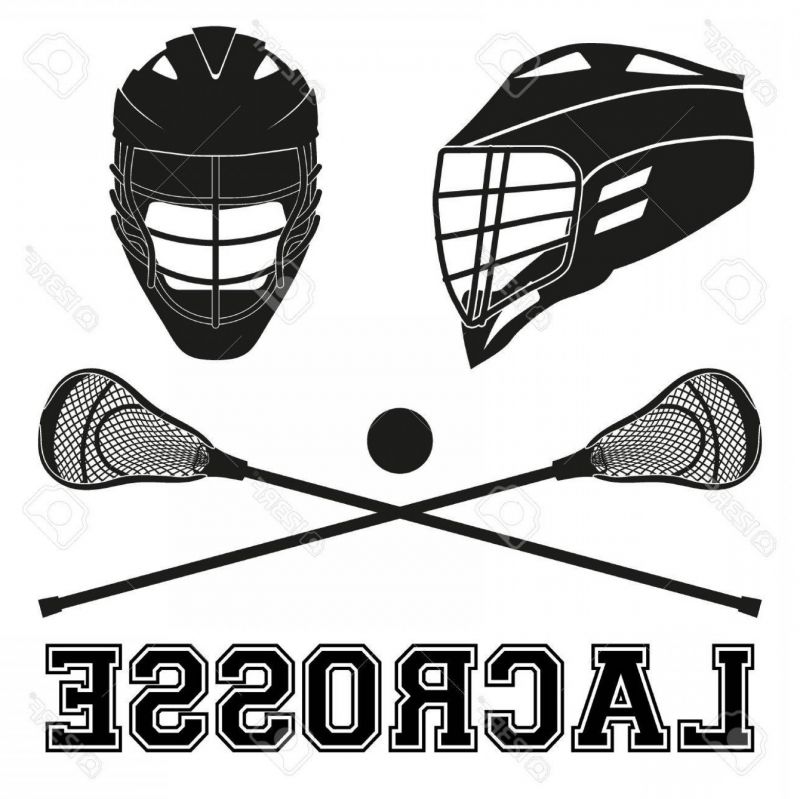
The mid pocket lacrosse head provides players a centered ball position for excellent overall ball control. Mid pocket heads feature sidewall and scoop designs that cradle the ball in the middle of the head. This balanced sweet spot enables maximum handling and passing accuracy across all areas of the stick.
Mid pocket heads are popular among both offensive and defensive players due to their versatility. Having the pocket situated in the middle allows for excellent feel on feeds, shots, and checks no matter where contact occurs on the head. The centered ball position also lets you utilize the whole head during dodges and ground balls.
Stringing a mid pocket involves focusing pocket placement above the bottom rails near the midpoint of the head. This provides maximum support underneath for a secure cradle and solid hold. A mid pocket also positions the ball away from the throat and scoop for fluid passing and release on shots. The strung area typically forms a u-shape in the center of the sidewalls.
Many players choose a mid pocket setup for lacrosse sticks because it requires less specialized stringing skill. Centering the pocket provides a natural feel and makes the ball easy to control. Mid pockets perform consistently no matter the weather conditions or amount of wear. The balanced setup also transitions well between different head styles.
While versatile, some players ultimately prefer more customized pocket placement for their position and style. Defenders may opt for a higher pocket to protect sticks during checks. Shooters could choose a lower set up for increased hold and whip on shots. Faceoff specialists often desire an angled pocket to win clamp battles.
In the end, the mid pocket lacrosse head is ideal for players looking for excellent all-around performance. The centered ball position provides versatility for any spot on the field. With a balanced sweet spot, mid pockets offer consistency and reliability no matter the game situation. If customization is less important, a mid pocket is a solid choice.
Pinched Lacrosse Heads Create a Narrow Pocket
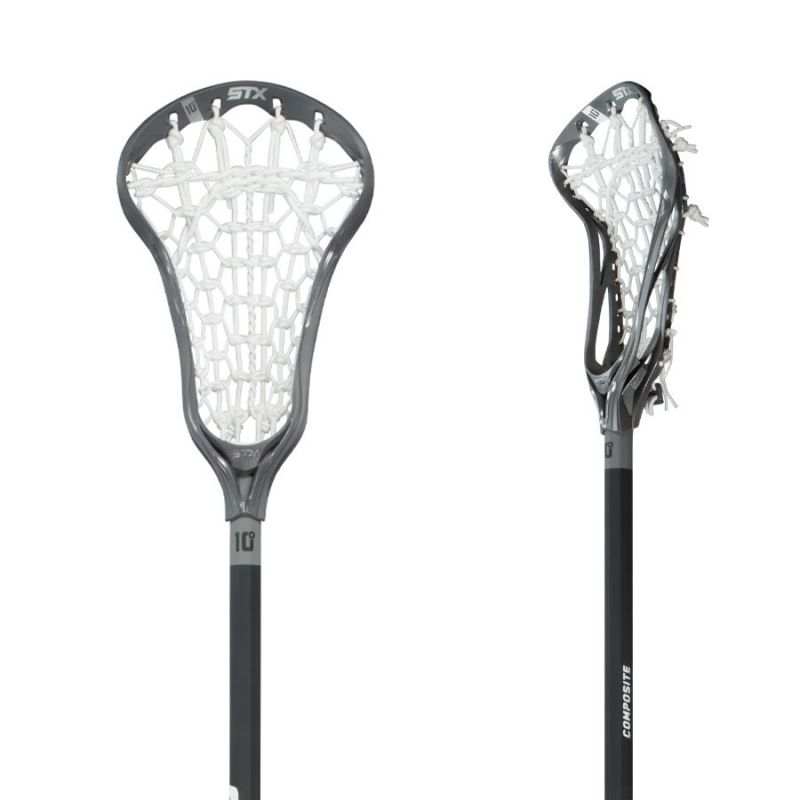
The pinched lacrosse head utilizes a narrowed throat and sidewalls to form a tight pocket. This concentrated stringing area provides exceptional ball control and hold. The pinched design also adds depth to the pocket for increased ball protection.
Pinched heads are popular among offensive players, especially attackmen and snipers looking for extra whip on shots. Tightening the sidewalls focuses the pocket into a defined channel. This intensifies pocket tension for incredible ball speed on passes and shots.
Stringing a pinched lacrosse head requires precision. The sidewalls must be pressed and manipulated to slope inwards. This tapered channel must remain legal by ensuring the top opening meets regulations. The pocket is then woven to form a defined “V”, concentrating stringing into a smaller area.
Another advantage of pinched heads is Rocky Getta Lacrosse reel the ball in quickly on ground balls and faceoffs. The narrowed channel helps funnel and trap loose balls with authority. Pinched pockets also cradle tight to the head, keeping the ball secure during contact.
While excellent for ball control, pinched lacrosse heads demand technical stringing expertise. Crafting a legal narrow channel requires knowledge of techniques like sidewall lacing and splicing. Pinched pockets also bag out faster and can be prone to ball distortion compared to wider set ups.
In summary, players wanting focused accuracy benefit most from pinched lacrosse heads. The tightened throat and channeled sidewalls add Velocity on shots, quicken releases, and improve ground ball clamping. Pinched pockets require skill to string properly, but reward shooters and finishers with unmatched ball control.
Channel Lacrosse Heads Create Defined Pocket Channels
Channel lacrosse heads feature structured sidewall designs that form clearly defined pocket channels. This channel between the sidewalls cradles the ball securely while still allowing for quick release.
Channels enable stringers to weave organized pocket shapes that center the ball consistently. Defined channels also let players “feel” the ball in the pocket, improving handling. Many midfielders prefer channel heads for excellent hold on quick sticks while still maintaining touch.
Crafting defined channels requires structural support built into the sidewalls. Hard rails or a mid-sidewall pinching creates centered channels that maintain shape. Stringers then interlace traditional pockets but are guided by the channel walls. This allows weaving neat, symmetrical pocket bags.
Channels provide several advantages for performance. The structured pocket increases hold while keeping the ball tamed and centered during play. Channels also bag out slower compared to soft mesh pockets. Additionally, channels provide accuracy across the entire head area.
However, heavy channeling can reduce pocket natural feel. Heads with rigid sidewalls decrease pocket give for less overall flexibility. Players also sacrifice some customization ability compared to soft mesh stringing. Channels do require cleaner mechanics to release smoothly.
Overall, lacrosse heads with defined channels offer the control of a pinched head with added versatility. Channels allow for accuracy across the whole head while still providing great feel within the pocket. While decreasing customization slightly, channels offer an excellent blend of ball control, quick release, and hold.
Traditional Lacrosse Heads Offer Versatile Performance
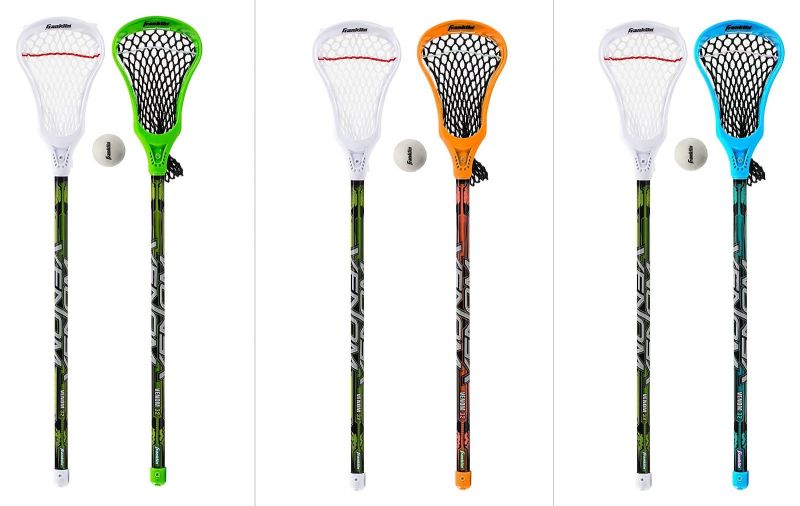
The traditional lacrosse head provides players with excellent all-around versatility. Traditional heads feature wider sidewalls and mid-depth pockets for great feel across all areas of the stick.
With wider sidewalls, traditional heads give stringers freedom to customize pocket placement based on individual style. Pockets can be strung mid-to-low for excellent control or higher for added whip. The moderately angled scoop also supports smooth catching and passing.
The expanded stringing area of traditional heads provides a “broken-in” feel right away. Softer shooting strings and mesh create nice pocket give. Traditional string jobs also maintain their shape better over time versus more rigid set ups.
Many beginning players start with traditional heads due to their forgiveness. Wider pockets give leeway on catching less than perfect passes. The versatility also allows developing fundamentals like cradling and scooping without over-specialization.
While versatile, traditional heads may not provide the focused performance demanded by elite players. Middies and attackmen desiring pinpoint accuracy may need narrower heads with channeled pockets. Face-off specialists also favor defined sidewalls for clamping control.
In summary, traditional lacrosse heads offer new and developing players excellent performance characteristics right out of the box. The moderately angled sidewalls and mid-depth pockets support versatile stringing and smooth handling. While less specialized, traditional heads provide a solid foundation.
Oval Lacrosse Heads Maximize Pocket Volume
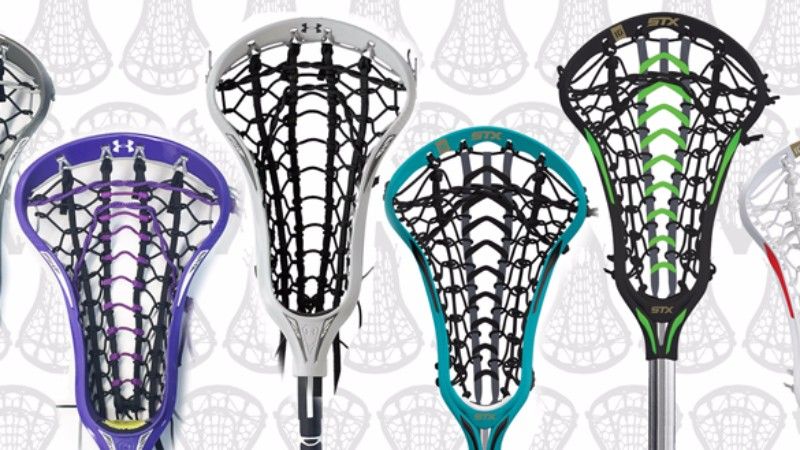
Oval lacrosse heads utilize extended sidewall shapes to create an exceptionally deep pocket area. This maximizes overall pocket volume for increased ball control and whip.
Oval heads add depth by extending the sidewall area towards the scoop. This enlarged pocket allows for dramatic shifts in ball position based on stringing. Low pockets can increase hold while high pockets add tremendous velocity for powerful passes and shots.
Despite their size, oval heads must remain legal by maintaining required pocket openings. Increased depth is balanced by pinching the ball channel lightly to keep the top in check. Bottom string holes are also elongated to allow sinking deep pocket bags.
The exaggerated oval shape gives stringers incredible creativity. Much more stringing area allows for unique multi-diamond top string lacing and intricate sidewall stitching. goalie lacrosse heads with flat or minimal scoop curvature boost pocket tension.
However, oval heads with overly relaxed pockets can lack feel and control. Extra whip can be difficult to harness consistently. Giant pockets also often require adding multiple shooting strings for structure. Too relaxed a channel may cause grasping issues.
In the end, oval lacrosse heads deliver maximized pocket size for extreme depth and ball control. while difficult to master, the exaggerated area provides incredible hold and whip. For shooters with advanced skills, oval heads offer game-changing power and performance.
Hybrid Lacrosse Heads Blend Pocket Styles
Hybrid lacrosse heads combine aspects of different pocket styles into a single head. Hybrids allow players to enjoy the benefits of multiple pocket types in one versatile stick.
Hybrid heads feature sidewall and scoop dimensions that split the difference between head styles. Moderate angles support both defined and soft pocket stringing. Hybrids aim to create the “best of both worlds” design.
In pocket stringing, hybrids excel at achieving variable release points. A channeled lower section adds hold, while softer mesh up top increases whip. Hybrids can also feature one offset and one straight sidewall to bias pocket placement.
The blended hybrid style provides advantages from multiple heads. Hybrids offer some customization range without sacrificing handling and control. The combined designs also appeal to a wider range of player positions and preferences.
However, the blended design can also lead to compromises rather than optimization. Hybrids may not achieve specialized performance goals compared to true offset or channeled heads. Stringing hybrids for maximum effect also requires high expertise.
Overall, hybrid lacrosse heads deliver versatile performance by combining pocket attributes. Hybrids provide excellent customization options for players looking for a crossover between styles. While difficult to truly master, hybrids offer players flexibility in design and function.
Shallow Pockets Create Tight Ball Channels
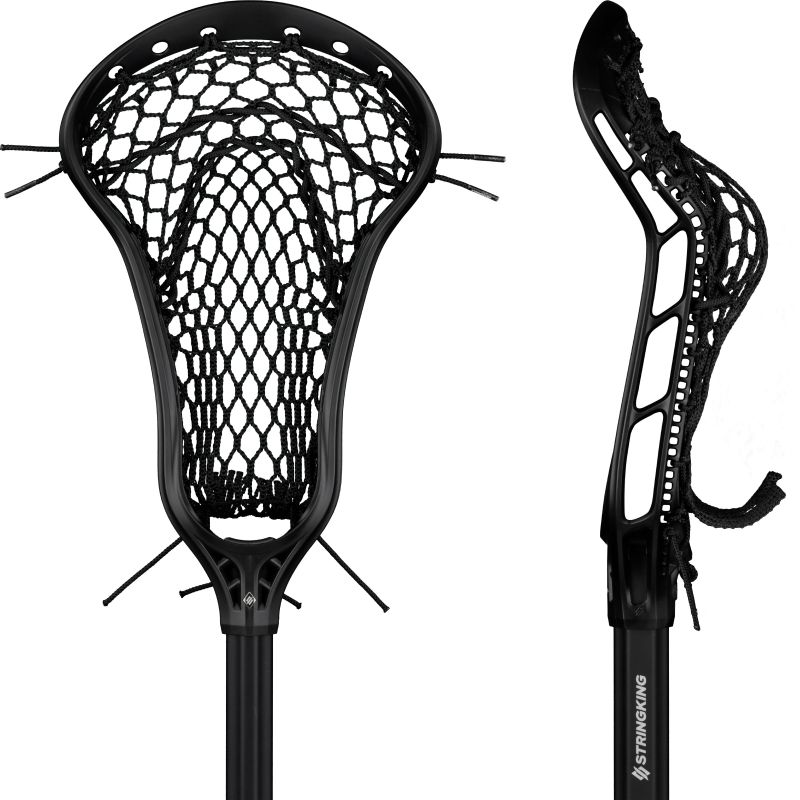
Shallow lacrosse head pockets utilize minimal depth to create tight ball channels. Shallow pockets sit close to the head, increasing ball control and quickness of passes and shots.
Shallow pockets only extend 2-3 diamonds down from the scoop. This decreases pocket tension for excellent touch on quick sticks, feeds, and stick protection. Shorter pockets also “shoot” the ball out quickly with tightened control.
Creating a shallow pocket involves careful stringing precision. Sidewalls are straightened or channeled at steep angles to prevent depth. Shooting strings are woven tight to the throat to keep the channel taut. A shallow setup demands clean mechanics.
The minimized depth provides responsiveness that many offensive players desire. The ball moves efficiently in the pocket for lightning fast releases. Shallow pockets also require less re-adjustment when wet versus deep bags.
However, shallow pockets lack the increased hold and whip generated from depth. Overly tense shallow pockets can “spit” the ball out erratically on passes or shots. depth also improves cradling control during defensive pressure.
In summary, lacrosse players wanting quick ball movement prefer shallow pocket setups. The minimal depth provides tight control and instantaneous release. While sacrificing some power, shallow lacrosse head pockets deliver unmatched responsiveness.
Deep Pockets Increase Lacrosse Head Ball Control

Deep lacrosse head pockets maximize depth for increased ball control and whip. Extra pocket volume improves cradling and provides tremendous power on shots.
Deep pockets extend 4-5 diamonds down from the scoop, filling out the entire head area. This added depth focuses pocket tension near the bottom of the head. Deep pockets “hug” the ball tightly during play.
Stringing a deep pocket requires precision to remain legal. Sidewalls must remain pinched at the top to meet width regulations. More interwoven shooters provide structural support as pocket bags drop low. Bottom string holes can be expanded to sink mesh further.
The increased depth provides benefits especially for offensive players. Deep pockets improve cradling control when maneuvering through pressure. Added hold keeps the ball stable during checks and contact as well. Shooters gain serious power from the bottom-focused whip.
However, deep pockets reduce throwing accuracy and touch. oversized pockets can distort ball releases, spraying passes and shots. Deep setups also bag out heavily over time. Extra shooters help maintain shape and tension.
In the end, players seeking maximized hold and enhanced shooting rely on deep lacrosse head pockets. While sacrificing some finesse, the substantial depth amplifies power and improves protection during play. For shooters and finishers, deep pockets provide serious control.
Wide Lacrosse Heads Enable Versatile Pocket Shapes
Wide lacrosse heads feature expanded sidewall width for increased pocket versatility. The enlarged stringing area supports personalized pocket shapes and variable ball placement.
Extra sidewall width enables greater creativity for stringers. Wide heads allow crafting pockets focused on outside release points or centered channels with precision. More stringing real estate helps shape defined “V” pockets.
The wide head shape caters to offensive players wanting options. Attackmen can string responsive outside-focused pockets for quick dodges. Midfielders might prefer centered pockets that maintain ball feel and control.
Despite the size, wide head pockets must remain legal. larger sidewalls demand careful stringing to control overall pocket width at the top. More interwoven shooters help support and shape the deep pocket area.
However, some players find wide heads cumbersome. larger shapes require precise mechanics and fundamentals to handle smoothly. Wide heads with sloppily strung pockets can lack responsiveness on passes and shots as well.
In summary, wide lacrosse heads provide stringers the creative space desired for customized pocket placement. The enlarged head accommodates outside, centered, or hybrid pocket shapes. With precision stringing, wide heads offer versatile performance.
Narrow Lacrosse Heads Focus Pocket Placement
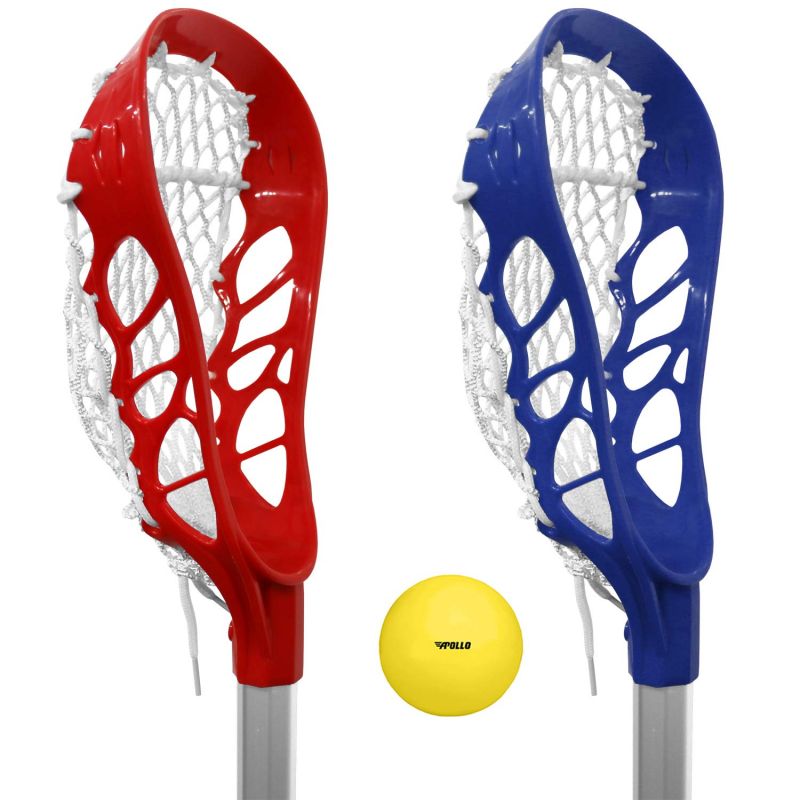
Narrow lacrosse heads concentrate pocket placement by minimizing sidewall width. The compact stringing area creates focused ball control and quick release.
Narrow heads provide little room for adjustable pocket placement. Stringers must interweave narrow pockets in a tight, centralized channel. This allows crafting defined mid-to-low pockets with precision.
The minimal sidewall width adds ball responsiveness. Narrow pockets release cleanly with pinpoint accuracy. passes come off the strings with precision thanks to the focused channel. Narrow heads move seamlessly during dynamic dodging.
Creating defined narrow pockets requires technical stringing skill. Sidewalls must be rigid enough to support the concentrated channel shape. shooter strings interlock tightly within the compact space as well. Controlling overall pocket depth is also critical.
However, narrow heads lack adjustability compared to wider shapes. Placement options are limited outside of low or mid-low pockets. Maximize ball position higher up the head. Narrow pockets also bag out quicker over time.
In summary, players wanting responsiveness and precision gravitate towards narrow lacrosse heads. The minimal sidewalls concentrate pocket placement for clean releases. With sound stringing fundamentals, narrow heads offer elite quick-stick handling.
Flexible Sidewalls Create Natural Pocket Feel
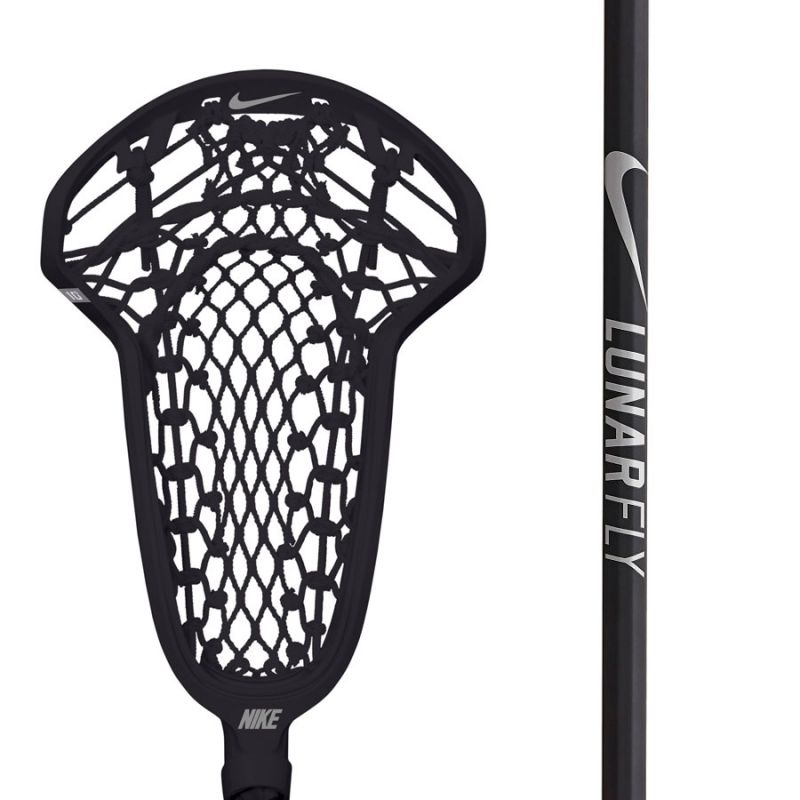
Flexible sidewalls in lacrosse heads provide players increased pocket responsiveness and feel. Softer sidewalls move naturally with the ball during play.
Flexible sidewalls feature materials like parachute cord and synthetic leather that compress under pressure. This “give” provides excellent ball sense, allowing you to feel passes enter and exit the pocket.
Stringing flexible sidewall pockets involves focusing on soft meshes too. Adding multiple shooting strings creates natural bag shapes. Bottom stringing is also kept moderately tight to maximize sidewall movement.
The responsive sidewalls create smooth handling for offensive players. Flexible pockets move fluidly with ball motion, supporting excellent touch on quick sticks. Passes also release cleanly off the pocket “trampoline”.
However, extra-flexible sidewalls lack ball control and stability. Overly limp pockets cause inaccurate passing. Soft walls decrease ball hold during contact as well. Finesse players may need added structure.
In the end, compressible sidewalls provide lacrosse heads increased feel when maneuvering the ball. Flexible pockets cradle and pass smoothly, reacting naturally to ball motion. While demanding fine mechanics, soft sidewalls optimize pocket responsiveness.
Stiff Lacrosse Head Sidewalls Maximize Ball Control
Stiff lacrosse head sidewalls utilize rigid materials to maximize ball control and stability. Unyielding sidewalls provide defined structure for accuracy.
Common stiff wall materials include composite alloys and molded plastics like ABS and PVC. These minimally elastic polymers resist flexing during play. Pockets crafted with stiff walls resist bagging out.
Stringing stiff sidewall pockets requires technical precision. Sidewalls must be manually pressed or channeled before stringing to create clean lines. Bottom stringing is pulled tight to stretch mesh to the rigid rails.
The rigid structure benefits defensive players for focused checks and stick protection. Stiff sidewalls withstand hacks and absorb contact. Pockets maintain defined shapes even under heavy use and abuse.
However, stiff sidewall heads provide less natural feel compared to flexible pockets. Rigid pockets decrease ball sense, causing some loss of touch. Movement can also appear slightly more mechanical.
In summary, unyielding lacrosse head sidewalls offer players maximum ball control and retention. Stiff polymers withstand flex while supporting consistent pocket shapes. While feel decreases, rigid sidewalls provide focused accuracy during play.
High Scoop Lacrosse Heads Improve Ball Control
High scoop lacrosse heads utilize extended scoop lengths to increase ball control and retention. Longer scoops improve catching, cradling, and shot power.
High scoops add 2-3 inches of length from the throat junction. This extra space supports smoothly guiding ground balls into the pocket on the run. High scoops also provide leverage for added whip on passes and shots.
Stringing high scoop heads involves focusing pocket tension low. This takes advantage of the exaggerated scoop for increased leverage and ball rotation. High whip set ups also benefit most from the scoop extension.
The elongated scoops aid offensive players greatly during play. extra length keeps the ball stable while changing direction quickly. Added thumb support guides clean catches. High scoops also enable driving lower body power up the head.
However, oversized scoops can hinder ball feel and touch. Heads with dramatic scoop extension lack responsiveness for finesse players. Stringing precision is required to maintain quick release despite added length.
In summary, extended high scoops give lacrosse heads increased ball control and power. The additional leverage supports cradling through contact and provides shooting range. while touch suffers, high scoop heads offer excellent retention during play.
Low Scoop Lacrosse Heads Improve Responsiveness
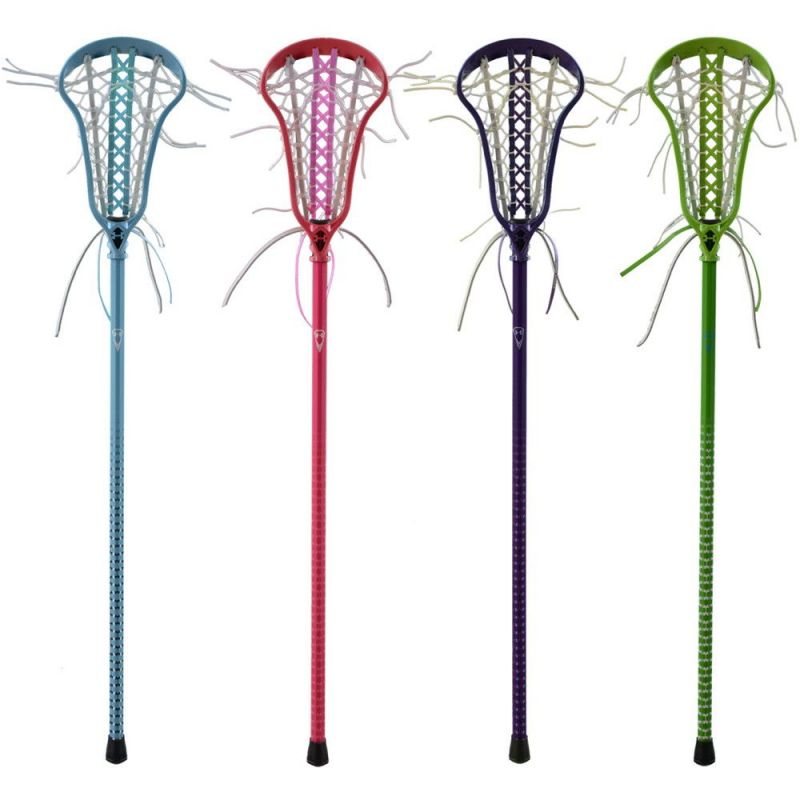
Low scoop lacrosse heads utilize shortened scoop lengths for quick ball handling and release. Compact scoops increase touch and precision.
Low scoops shave off 1-2 inches from a standard scoop length. This provides minimal lip extension beyond the stop point at the throat. Shortened scoops sit close to the pocket for instant touch passes.
Stringing low scoop heads focuses on creating shallow, responsive pockets. shortened scoops already accelerate ball movement, so pockets complement this with tight channels. Low placement also avoids hitting the scoop.
The compact scoop benefits finesse players by optimizing feel. Short scoops move crisply with the ball to deliver effortless quick sticks. Balls release off the strings cleanly with pinpoint accuracy.
However, abbreviated scoops sacrifice some ball control. Low scoops lack the extended leverage to whip shots with power. catching can also become less consistent without added length guiding balls in.
In summary, low profile scoops provide lacrosse heads increased quickness and touch on passes. The shortened lip area allows balls to release instantly off the pocket. While reducing power, low scoops offer elite responsiveness and control.