Lacrosse is a fast-paced, high-impact sport that requires players to wear protective gear to prevent injuries. Proper chest and shoulder pads are critical for safety on the field. With new NOCSAE and NFHS standards in place for 2023, players need gear that meets or exceeds the latest regulations.
Why Proper Chest & Shoulder Protection is Critical in Lacrosse
Lacrosse involves frequent body checks, stick checks, and contact with balls traveling at high speeds. Without proper padding over the chest, shoulders, and ribcage, players risk cracked ribs, deep bone bruises, dislocated shoulders, and other traumatic injuries from routine gameplay collisions.
That’s why organizations like NOCSAE (National Operating Committee on Standards for Athletic Equipment) and NFHS (National Federation of State High School Associations) impose strict safety requirements for protective lacrosse gear. They regulate things like padding thickness, impact absorption, and coverage area.
For parents and players, understanding these standards takes some research. But investing in gear that meets or exceeds current NOCSAE and NFHS regulations provides essential protection. Let’s look at what to prioritize when selecting new chest and shoulder pads for lacrosse.
Top Features to Look for in Lacrosse Shoulder Pads
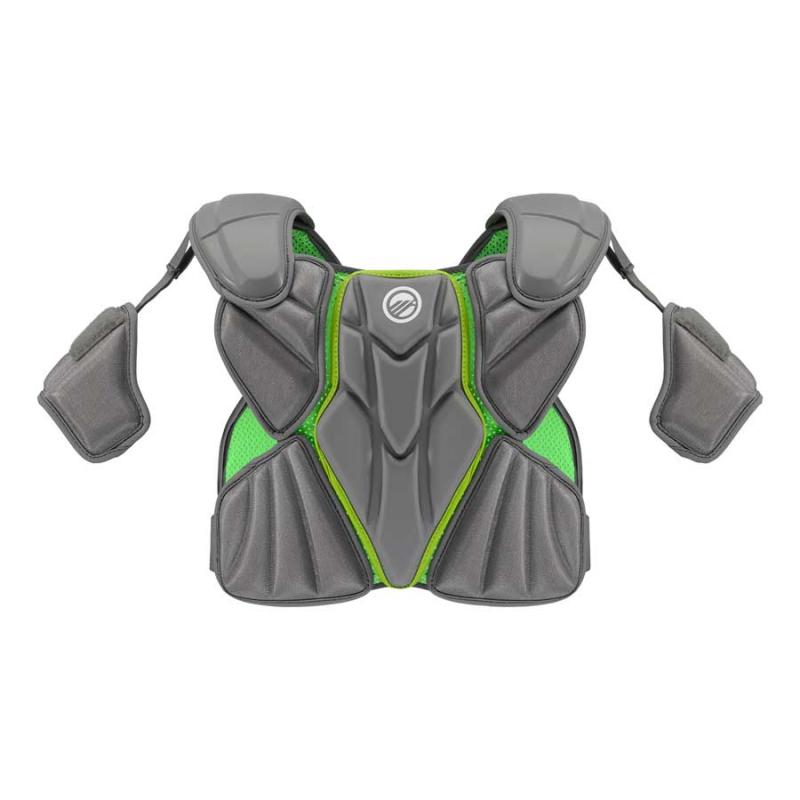
Lacrosse shoulder pads cushion high-impact blows to the shoulders, collarbone, and upper back. When shopping, look for:
- Thick, durable padding over the shoulders and collarbone
- Moisture-wicking liner to keep players cool
- Adjustable straps for a customized, secure fit
- Lightweight yet rigid materials for mobility and protection
- Ventilated foam or mesh for breathability
- NOCSAE or SEI certification marking for safety
Finding a Lightweight & Breathable Lacrosse Chest Protector
The chest protector safeguards the ribs, heart, and lungs. On hot days, heavy pads lead to overheating. Prioritize:
- Thin but high-density foam over the sternum
- Ventilation panels under the arms
- Moisture-wicking fabrics
- Lightweight, low-profile design
- Secure straps for stability
- Meets NOCSAE ND200 standards
With the right gear, young athletes can feel protected – not restricted – as they develop skills and confidence on the lacrosse field.
When shopping for lacrosse protective gear, you’ll see mentions of NOCSAE and NFHS standards. But what do these abbreviated names mean, and why do their regulations matter?
Understanding NOCSAE & NFHS Safety Standards for Lacrosse Gear
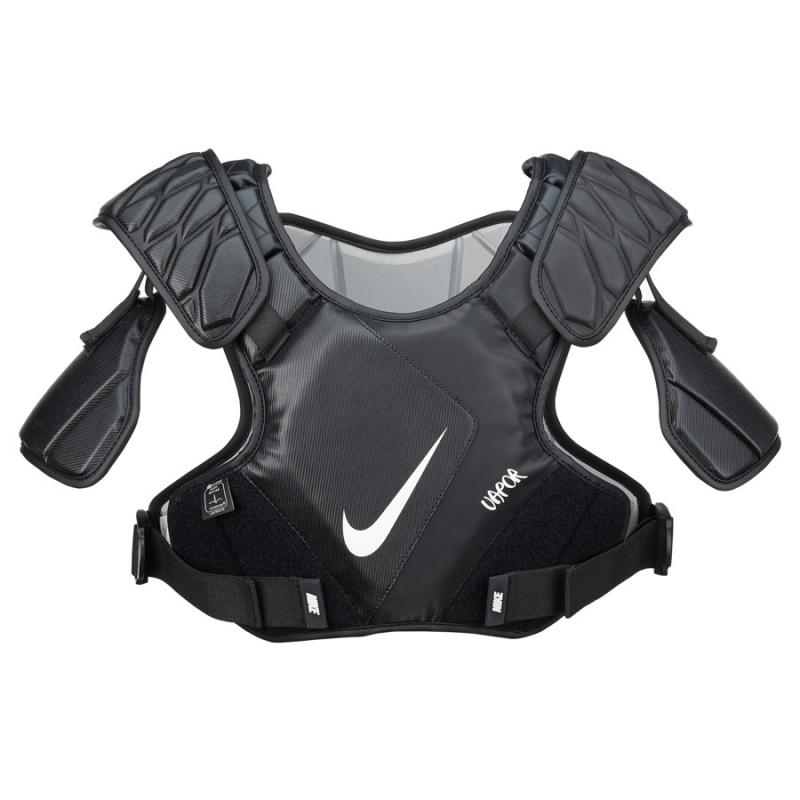
NOCSAE stands for the National Operating Committee on Standards for Athletic Equipment. This non-profit was formed in 1969 to research sports injuries and establish safety criteria for athletic gear. Their standards aim to reduce head, face, and chest injuries in sports like football, ice hockey, and lacrosse.
For lacrosse specifically, NOCSAE develops performance requirements and test methods for helmets, face masks, gloves, and chest protectors. They have a Safety Equipment Institute (SEI) that certifies gear as NOCSAE compliant after passing a battery of impact tests.
To receive NOCSAE certification, new lacrosse chest and shoulder pads must demonstrate impact absorption. Padding thickness and density is analyzed. Tests ensure adequate coverage over vulnerable areas like the heart, collarbone, and shoulders.
NFHS is another key safety organization – the National Federation of State High School Associations. They work with sports governing bodies to establish competition rules and gear requirements for high school athletics. NFHS lacrosse rules reference NOCSAE standards when outlining chest protector regulations.
So when you see the NOCSAE logo or SEI seal on lacrosse pads, it signals advanced impact testing. Gear certified this way offers parents and players confidence in its ability to protect. Exceeding these benchmarks is ideal, elevating safety beyond the mandated minimums.
Understanding what NOCSAE and NFHS represent allows you to make informed choices. Look for lacrosse chest and shoulder pads that advertise meeting or surpassing current safety criteria.
Lacrosse shoulder pads take a beating, cushioning high-velocity ball and body blow impacts. With safety top of mind, here are the top features to prioritize when selecting new shoulder pads:
Top Features to Look for in Lacrosse Shoulder Pads
- Thick padding over shoulders and collarbone – Look for maximum coverage and cushioning over these vulnerable zones to absorb collision forces.
- Moisture-wicking liner – Sweat-wicking fabrics keep players cool and comfortable during intense gameplay.
- Adjustable straps – Customizable straps allow pads to be tailored for a snug, stable fit that won’t shift during competition.
- Lightweight yet rigid construction – Shoulder caps should maintain protective shape but avoid restricting mobility.
- Ventilated foam or mesh – Strategic ventilation promotes airflow to cut down on overheating.
- NOCSAE/SEI certification – Padding able to pass advanced impact tests reassures parents and coaches.
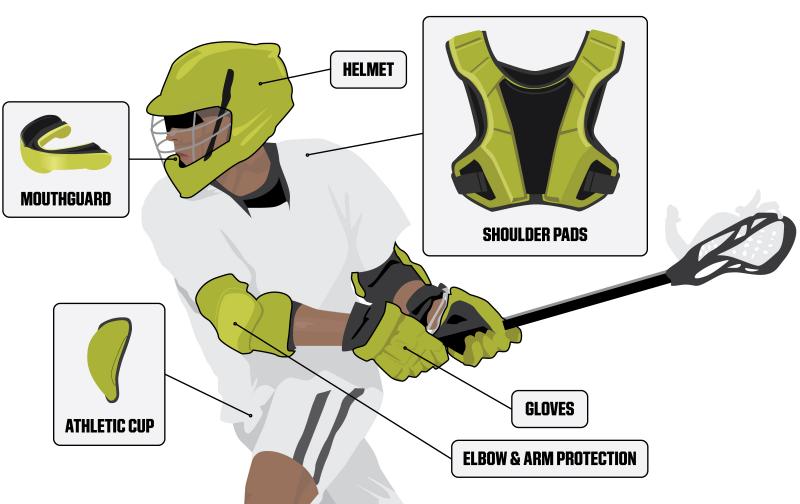
Additional smart features like removable bicep guards, integrated elbow caps, and adjustable arm sleeves boost flexibility in sizing and wearing. With lacrosse collisions coming from all directions, 360-degree coverage around the shoulders is ideal.
Don’t forget a compatible helmet and arm guards to complete protective coverage. Safety remains goal #1, but breathability and maneuverability also keep the game fun. With the right lacrosse shoulder pads, developing players gain confidence taking risks and honing skills.
Finding a Lightweight & Breathable Lacrosse Chest Protector
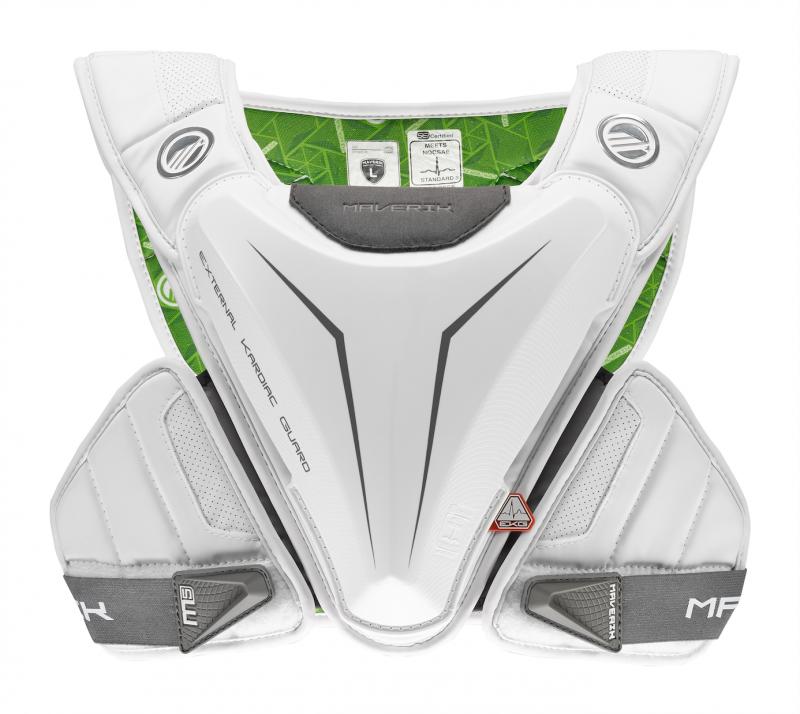
The chest protector is a crucial piece of lacrosse gear, safeguarding the ribs, heart and lungs during gameplay collisions. But excess weight or heat retention can hinder performance.
To find the ideal balance of protection and breathability in a lacrosse chest pad, prioritize these features:
- High-density foam over sternum – Thin but rigid padding absorbs impact while allowing airflow.
- Ventilation panels – Mesh or perforated padding under arms enhances breathability.
- Moisture-wicking liner – Sweat-wicking fabric reduces cling and keeps the pad light.
- Low profile design – A contoured, lightweight fit avoids restrictive bulk.
- Secure straps – Straps should keep the pad from shifting during intense play.
- NOCSAE ND200 certified – Padding tested to these safety standards gives confidence.
Additional smart features like a removable abdominal protector or adjustable shoulder caps allow for a customized fit. For goalies, extended coverage and heavy padding is warranted in high-impact zones.
With breathable, lightweight lacrosse chest pads, developing players can focus on the game rather than discomfort. Safety remains the priority, but optimal protection goes hand-in-hand with peak performance.
Compare Brands: Reebok vs STX vs Maverik Lacrosse Pads
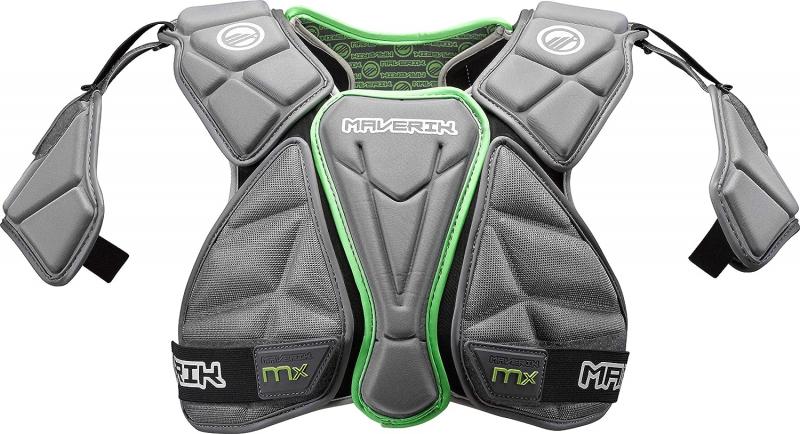
When selecting lacrosse protective gear, popular brands to consider include Reebok, STX, and Maverik. But how do their pad offerings compare?
Reebok focuses on lightweight, ventilated, and affordable pads. Models like the Reebok 11K Lacrosse Shoulder Pads use flexible plastic caps with foam lining for protection. Stretch mesh improves ventilation and mobility.
STX emphasizes cutting-edge technology in their pads. The Stallion 500 Shoulder Pads feature adjustable cell foam padding that adapts to impacts. The liner wicks moisture and fights odor. STX also offers a wide range of sizing.
Known for innovation, Maverik ranks as a top brand for lacrosse gear. Their M3 Shoulder Pads deliver lightweight FlexPads for mobility and Multi-Layer Dual-Density Foam for cushioning. A stretch nylon liner boosts comfort.
For chest protectors, Reebok focuses on strategic padding zones rather than full-wrap coverage. The Reebok 11K goalie chest pad is ultra-lightweight at just 1.15 lbs.
STX chest pads like the Stallion 500 provide total coverage and ND200 certification. The heat-activated foam liner molds to the player for personalized protection.
Maverik’s M3 chest guards offer complete adjustable protection. Their suspended sternum plate dissipates impact while ventilation ports enhance breathability. Raptor technology fights odor-causing microbes.
While personal fit preferences vary, these leading brands give lacrosse players ample quality options to discover the ideal gear for their safety, comfort and performance.
Most Protective ND200 Certified Lacrosse Shoulder Pads
For lacrosse players and parents seeking the highest level of safety, looking for shoulder pads with ND200 certification is advised. This indicates passing advanced NOCSAE impact testing beyond basic requirements.
Leading brands making ND200 certified lacrosse shoulder pads include:
- Warrior Regulator Lacrosse Shoulder Pads – Offer ND200 protection with flexible plastics and ventilated foam.
- Maverik Rome Lacrosse Shoulder Pads – Employ dual-density foam for premium cushioning and certification.
- STX Stallion 500 Shoulder Pads – Use adaptive cell technology to tune padding to different impact levels.
- Cascade CS Lacrosse Shoulder Pads – Utilize Poron XRD foam for extreme impact absorption and ND200 approval.
- Brine King Shoulder Pads – Feature ND200 certification along with lightweight flexibility.
Several factors make these ND200 certified pads stand out for safety:
- Thicker, high-density foams that better dissipate energy on impact.
- More extensive coverage over collarbones, ribcage, and shoulders.
- Durable caps that retain protective shape with repeated impacts.
- Moisture-wicking liners to avoid growth of odor and bacteria.
- Snug, adjustable fits to prevent any pad shifting.
While no gear eliminates injury risks entirely, lacrosse shoulder pads with advanced ND200 certification give added peace of mind to athletes and parents.
New 2023 Rules for Goalie Chest Protectors – What to Know
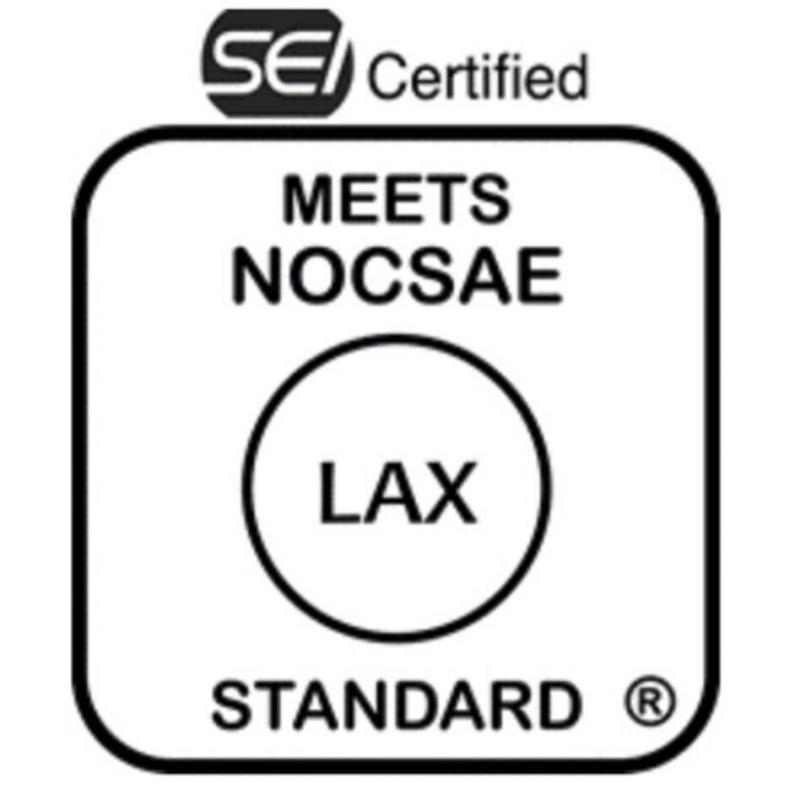
For lacrosse goalies, a properly protective chest pad is essential as the last line of defense. New NOCSAE standards taking effect January 1, 2023 update previous goalie chest protector regulations.
Here’s what lacrosse goalies, parents and coaches need to know about the rule changes:
- Thicker minimum foam padding is mandated over heart, collarbone and shoulder areas.
- Denser foam and expanded coverage required for kidney, stomach and back protection.
- Chest pads must pass new impact resistance tests specific to goalie needs.
- NOCSAE will certify goalie chest protectors separately from field player pads.
- NFHS rules will reference the updated 2023 NOCSAE standards.
- Recertification is required for current goalie pad models to remain compliant.
Brands like Maverik, STX, and Warrior have engineered new goalie chest protectors to satisfy the latest NOCSAE benchmarks. Several offer optional accessories for added coverage too.
The key for goalies is avoiding grandfathering in old pads that may now fall short of safety mandates. Work with coaches to ensure new gear meets all criteria before the 2023 season.
While adapting to new gear takes time, enhancing protection for lacrosse’s vulnerable yet vital last defenders remains a worthy endeavor. Safety drives innovation for the benefit of all.
Safest Youth Lacrosse Shoulder Pads with Removable Parts
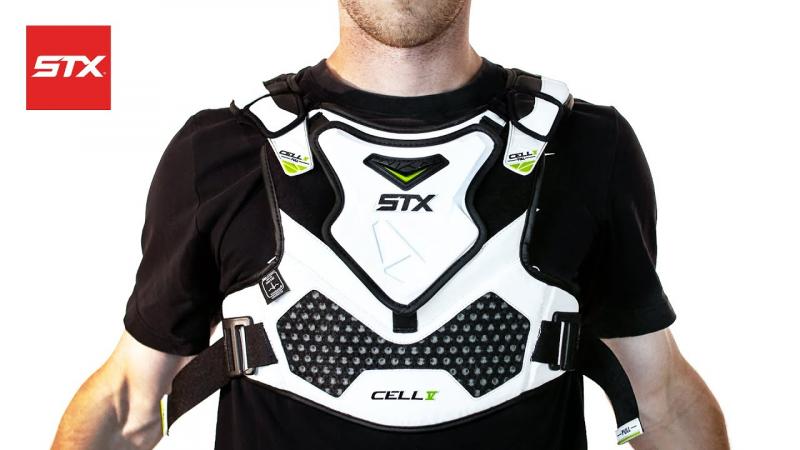
Finding well-fitting protective gear poses an extra challenge for growing young lacrosse players. Shoulder pads with removable or adjustable parts allow for expanding fit as kids develop.
Top safety-focused youth shoulder pad models featuring modular components include:
- Warrior Regulator Youth Shoulder Pads – Removable bicep guards adapt with growth.
- Brine King Youth Shoulder Pads – Detachable wings let pads expand with kids.
- Maverik Rome Youth Shoulder Pads – Multiple sizing inserts customize collarbone to bicep coverage.
- STX Stallion 500 Youth Shoulder Pads – Allows mixing-and-matching small to large liner pieces.
- Nike Vapor Pro Youth Shoulder Pads – Accommodates growth via removable padding extensions.
Why go modular? Adjustability ensures a correct fit now and in the future, avoiding problems like:
- Restricted arm/shoulder mobility from ill-fitting pads.
- Pads shifting out of protective position during play.
- Discomfort or chafing that hinders performance.
- Safety gaps if pads run too small as kids grow.
Getting sized regularly and selecting adjustable pads extends use over multiple seasons. Tweaking fit along the way enhances both safety and comfort for aspiring young lacrosse athletes.
Ensure Proper Fit – Sizing Guides for Lacrosse Protective Gear
Finding well-fitted lacrosse pads is vital for safety and performance. Lacrosse shoulder pads, arm guards, and chest protectors come in youth, junior, and adult sizes. Brand-specific sizing charts help guide you.
Factors influencing best fit include:
- Player height, weight, and body type
- Pad adjustability features
- Position-based protection needs
- Allowing room to grow for young players
- Uniform compatibility for pads worn externally
A snug fit avoids shifting and gives pads maximum protective coverage. But too tight of a fit restricts mobility. Use sizing guides as a starting point when selecting lacrosse protective wear.
Trying gear on in person is ideal. Youth players should get sized each year by a coach or sporting goods retailer. Ensure full arm extension and range of motion when test wearing pads.
Take time to customize straps, velcro, and adjustable parts for a secure, personalized fit. Proper sizing paired with adjustments enables lacrosse players to compete with confidence.
Testing Impact Protection with NOCSAE ND200 Certification
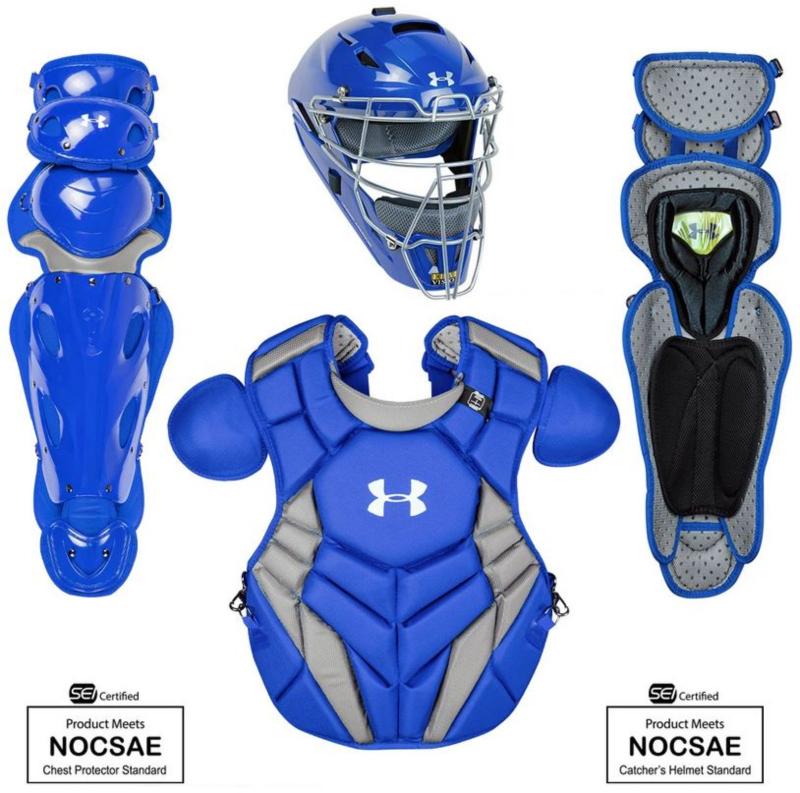
When shopping for the safest lacrosse gear, seeing a NOCSAE ND200 certification label indicates advanced impact testing. This provides reassurance that pads meet the highest safety standards.
Earning ND200 certification requires submitting pads to a rigorous battery of tests at NOCSAE labs. Sensors measure the force absorbed by padding when hit with projectiles at varying speeds and locations.
Key tests conducted include:
- High- and low-temperature impact resistance
- Performance when wet to simulate sweat
- Repeated impacts to evaluate durability
- Zone-specific hits matching likely field contact points
- Impacts from multiple angles to simulate collisions
ND200 certified lacrosse pads must demonstrate substantial force reduction across various game-like scenarios. This advanced trial by fire sets them apart from standard equipment in protective capability.
While no gear removes all injury risks from the fast-paced sport, lacrosse athletes gain peace of mind knowing ND200-rated pads meet the highest benchmarks. Safer play inspires confident, competitive performance.
Lacrosse Helmet & Gloves Combo for Max Protection
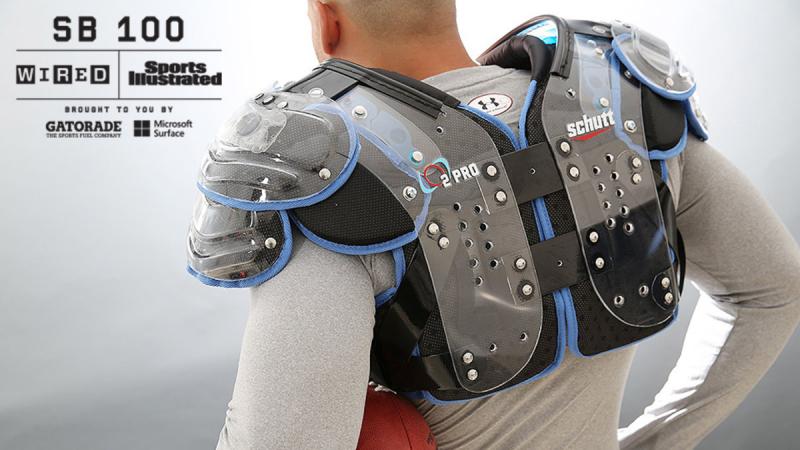
While shoulder and chest pads bear the brunt of lacrosse collisions, a helmet and gloves complete protective coverage. A properly outfitted lacrosse athlete dons more than just pads.
A high-quality lacrosse helmet provides essential protection to the head and face. Look for safety features like:
- Strong yet lightweight outer shell material
- Impact-absorbing inner padding
- Face mask with narrow bar spacing
- Adjustable chin strap for secure fit
- Jaw pads to absorb checks and rebounds
- Air vents to reduce heat and moisture
Lacrosse gloves safeguard hands and wrists which see constant contact. Ideal gloves offer:
- Tough synthetic leather for abrasion resistance
- Padding across the back of the hand
- Breathable mesh or perforations for ventilation
- Textured palms and fingers to aid stick handling
- Adjustable wrists with secure closures
Wearing a helmet and gloves along with pads ensures total protection. Take time to find gear that works in tandem to withstand lacrosse’s intense gameplay collisions.
Keep Gear Clean & Maintained for Optimal Safety
Investing in high-quality, well-fitted lacrosse protective gear is only the first step. Keeping equipment clean, sanitized and damage-free optimizes safety performance over time.
Follow these best practices for lacrosse gear maintenance:
- Wash pads regularly using gentle, scent-free detergent and air dry
- Sanitize gear to prevent mold, bacteria and odors
- Inspect padding and plastic plates for cracks or compression
- Ensure secure strap closures; replace as needed
- Check helmet for exterior cracks and proper inner padding fit
- Hand wash gloves and allow insides to dry before storing
Ask coaches to demonstrate proper gear cleaning techniques. Replace any damaged or deteriorating lacrosse protective wear immediately.
Off-season, store equipment in a cool, dry space away from direct sunlight. Heat and moisture degrade materials over time.
Well-cared-for lacrosse gear sustains safety performance season after season. Take time to clean and inspect equipment before each use for peace of mind.
Why Parents & Coaches Should Educate on Lacrosse Safety
With lacrosse’s fast pace and physical contact, safety education is vital. Parents and coaches play key roles in teaching proper protective gear use.
For parents, lacrosse safety steps include:
- Learning about NOCSAE and NFHS gear standards
- Studying sizing charts to select well-fitted pads
- Replacing used, outdated equipment
- Fitting and adjusting pads correctly at home
- Cleaning and inspecting gear regularly
- Reporting any safety concerns to coaches
Coaches should:
- Confirm players wear mandatory protective gear
- Verify gear meets NOCSAE/NFHS requirements
- Fit and size pads individually each season
- Teach proper pad fastening and adjustments
- Inspect equipment condition and fit regularly
- Replace damaged lacrosse pads immediately
By working together, parents and coaches help ingrain safe gear habits. Taking time to educate young athletes on lacrosse protective equipment allows them to thrive in the sport.
Exceeding Safety Standards: Extra Options for At-Risk Players
While all lacrosse players need proper protective gear, athletes at elevated injury risk may benefit from extra safety precautions.
Some scenarios where exceeding typical safety standards is wise include:
- History of shoulder dislocations or fractures
- Previous concussions or head trauma
- Cardiac issues like arrhythmia
- Asthma or impaired lung function
- Sensory processing disorders
- Developmental or neurological conditions
Added protection strategies may involve:
- Upgrading to lacrosse shoulder pads with ND200 certification
- Wearing extra padded shirts or girdles under pads
- Custom chest protectors or heart guards
- More frequent pad replacement
- Supplemental helmet padding
- Dark or tinted eye shields
Parents should discuss specialized needs with physicians and coaches early on. While some conditions prohibit lacrosse entirely, taking appropriate precautions often allows modified participation.
Peace of Mind: Get Expert Help Picking Lacrosse Protective Gear
With so many lacrosse pad brands and models available, the selection process can feel overwhelming. Seeking guidance from experts provides confidence in choosing safety-focused gear.
Consult reputable sporting goods retailers that specialize in lacrosse. Knowledgeable sales staff can:
- Recommend gear based on playing position, age and skill level
- Explain the safety ratings and features of different pads
- Measure young athletes and assist with sizing
- Demonstrate proper fitting adjustments
- Suggest additional protective accessories if needed
Coaches also offer valuable input, having observed players in action. They may advise on sizing up for more coverage or suggest gear tailored to positional needs.
With guidance from experienced experts, you can find lacrosse shoulder pads, chest protectors and accessories providing an ideal fit and protection level for your athlete’s safety and success this season.