Selecting the Right Head Shape and Size for Your Position
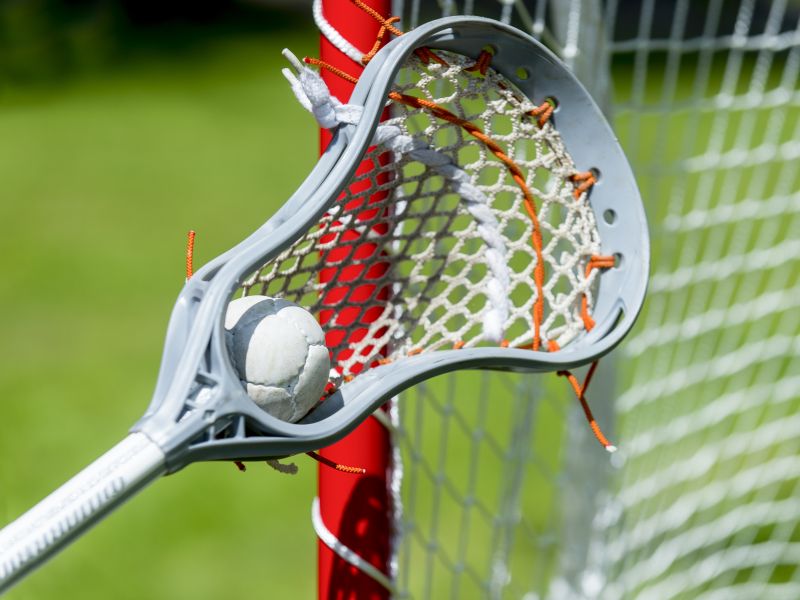
When choosing a new women’s lacrosse stick, one of the most important considerations is finding the ideal head shape and size for your position on the field. As a beginner or intermediate player, having a stick with the proper head dimensions will allow you to develop fundamental skills like cradling, scooping, catching, throwing, and shooting.
For attackers and midfielders who handle the ball frequently, a medium to large head with a narrower width is ideal. The larger surface area gives you plenty of room to cradle and maintain ball control during dynamic plays. A more pinched head shape also provides greater accuracy for passing and shooting in tight spaces. Sticks like the STX Crux and Brine Edge provide excellent performance for quick ball movement down the field.
Defenders who need to check and intercept passes require a wider head shape. This gives you a larger sweet spot to pick off errant throws and knock down shots on goal. The extra width also makes it easier to cover your opponents’ sticks during one-on-one defense. The STX Exult 600 and Brine Blueprint Defender have ideal head shapes for smothering your matchup.
Goalies depend on oversized, boxy heads that provide maximum surface area for blocking shots. Don’t be afraid to push the limits on allowable goalie head dimensions for the ultimate blocking power. Brands like Maverik and STX offer goalie-specific sticks like the Maverik Centrik and STX Shield 500 to help you protect the net.
The length of your stick’s head + shaft should reach between your nose and chin when standing flat-footed. This ensures you have the ideal range of motion for cradling, catching, and passing without overextending your arms on throws. Take your height and build into account when selecting an appropriate stick length.
Choosing the Right Pocket Type

When selecting a women’s lacrosse stick, the type of pocket is a key factor that impacts overall handling and performance. As a beginner or intermediate player, choosing a pocket style that complements your skills and position is crucial for improving fundamentals.
For midfielders who handle the ball often, a mid to deep pocket typically works best. The deeper nylon allows you to cradle with greater control, smoothly transitioning from carrying to passing or shooting. A mid-deep pocket also makes it easier to scoop ground balls since the head wraps the ball on contact. Popular pre-strung sticks like the STX Crux 500 and Maverik Centrik have pocket types ideal for versatile midfielders.
Attackers who look to feed and finish near the crease need a pocket that emphasizes quick release and accuracy. A shallow to mid-depth pocket gives you superior ball control on tight feeds or shots in traffic. You sacrifice some ball security with a shallow pocket, but the crisp passing and pinpoint shooting accuracy is ideal for attackers. The Maverik Kinetik and STX Exult 100 have more shallow pocket options perfect for scorers.
For defenders whose main goal is knocking down passes and causing turnovers, a wider mesh pocket works well. The baggy pocket makes it easier to intercept throws and also provides enough slack to control the ball after a turnover. The Brine King Loop and Warrior Elevate Destruct have deeper pockets designed for deflecting passes. Just be aware that the loose pocket will hinder passing and shooting accuracy.
Regardless of position, consider adjusting pocket depth based on your stick skills. Newer players may prefer a deeper pocket for added ball security while they polish fundamentals. But as you improve, shifting to a mid-depth pocket will give you the best combination of control, quick release, and hold. Work closely with your coach when dialing in pocket depth and breaking in a new stick’s pocket shape.
Why Weight and Balance Are Critical for Performance

When selecting the best women’s lacrosse stick, finding the ideal weight and balance should be one of your top priorities. As a beginner or intermediate player, having a lightweight yet balanced stick will help you develop proper fundamentals and take your game to the next level.
Look for a stick that weighs between 5 and 8 ounces unstrung. Lightweight sticks around 5-6 ounces are ideal for quicker players like midfielders who emphasize speed. Heavier sticks around 7-8 ounces provide more durability for aggressive defensive players. Brands like Brine, Maverik, and STX indicate stick weights to help you choose what’s right for your position and style.
Balance is also critical, as an unbalanced stick will hinder your ability to cradle, pass, catch, and shoot consistently. When holding the stick horizontal at its midpoint, it should feel stable and not droop or tilt in any direction. This neutral balance makes it easier to transition between carrying and passing/shooting motions fluently.
Composite sticks with lightweight shafts typically offer the best balance, though aluminum and titanium shafts work too. Sticks with exaggerated heads like deep pockets or oversized goalie heads need a shaft with appropriate counter-balancing weight down low. Don’t be afraid to add or remove weight from the shaft’s bottom by taping pennies until you achieve the neutral balance you need.
Take time testing stick weights and balance during practice to find your ideal fit. Ask teammates or coaches for input as well. The right combination of lightness and balance gives you effortless feel when carrying the ball and allows snappy power when passing or shooting. This Split-Scoop balance technology used in Brine sticks helps optimize overall balance and feel.
Best Sticks for Midfielders: Quickness and Ball Control
For midfielders who handle the ball frequently, having a stick optimized for quickness and control is essential. As a beginner or intermediate middie, choosing a stick that enhances your speed and ball skills will elevate your all-around game.
When looking for the best midfielder stick, target lighter sticks in the 5-6 ounce range. The reduced weight allows you to whip your stick more quickly for faster cradling, passing, and shooting. Brands like Maverik and Brine offer sticks with carbon composite shafts and strategically lightweight heads to shave precious ounces without sacrificing durability.
Heads with a medium depth pocket also emphasize ball control for midfielders. The nylon wraps tightly around the ball, providing a smooth feel when transitioning from cradling to passing/shooting. A more pinched head shape also helps accuracy for threading passes through tight coverage. Sticks like the Maverik Kinetik and STX Crux provide excellent control and quick release.
Consider pocket shape as well – runners may prefer an angled top string and channel to hug the ball during sprints upfield. Face-off middies need pockets with a little more depth for clamping possession off the draw. Testing pocket styles to find your ideal release point for passing on the run is key.
Don’t overlook the importance of balance with midfielder sticks too. Excellent balance eliminates unwanted stick rotation when cradling at top speed or power passing on the run. Having a neutral balance point just below your bottom hand is ideal. Utilize weighting if needed to fine tune balance with your stick.
Finding the right midfield stick ultimately comes down to testing different setups during full-speed drills. Quickness during cradling and clean releases on passes/shots confirm you’ve found the ideal setup to dominate as a midfielder.
Reviews of Popular Brands Like STX and Brine
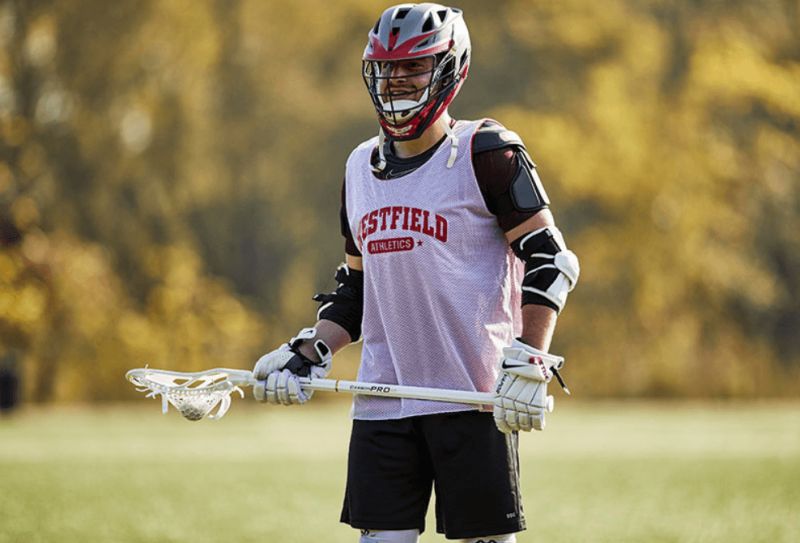
When selecting a new women’s lacrosse stick, reviewing some of the top brands like STX and Brine can help narrow your options. As a beginner or intermediate player, understanding the strengths of major manufacturers will guide you to the right stick.
STX is known for blending innovation with quality construction across all their sticks. The Surgeon line emphasizes customizable pockets and lightweight handling for elite play. The Exult sticks offer excellent passing and shooting at mid-tier pricing. And the Crux provides versatility and durability as a top-rated entry-level option.
Brine sticks are designed to be easy-to-use yet high-performing. The Kingdom line targets elite players with customizable specs and lightweight carbon materials. The Clutch and Edge sticks offer reliability and control at mid-tier pricing points. The Brine Fierce is a top-rated stick for developing offensive skills as a beginner.
Maverik sticks emphasize craftsmanship and player-tested designs. The Centrik line is crafted to suit a variety of playing styles with consistent performance. The Kinetik stick provides an elite lightweight setup for quick handlers and scorers. And the Optik is an excellent entry-level stick offering quality and comfort.
Warrior sticks are engineered for aggressive and hard-nosed play. The Alpha line has a durable construction built to withstand physical defense and checks. The Elevate and Ventus sticks offer reliable performance at mid-tier pricing. And the Burn and Poise sticks are ideal for developing fundamentals as a beginner player.
While personal preference plays a role, reading lacrosse stick reviews can provide deeper insight into each brand’s strengths. Testing different sticks first-hand at stores or during practice will confirm which one best suits your playing style and skills as you develop as a player.
Choosing Between Aluminum, Titanium, and Composite Materials

When buying a new women’s lacrosse stick, one key decision is which shaft material best fits your needs and budget. As a developing player, understanding the differences between aluminum, titanium, and composite shafts will help select the right one.
Aluminum shafts are the most common and affordable option for beginner and intermediate players. Brands like STX and Maverik offer aluminum shafts that provide durability and balanced performance at lower price points. Aluminum has good strength while remaining fairly lightweight. It may dent if hit but overall provides great value.
Titanium shafts offer an ultra lightweight and responsive feel. Brands like Warrior and Brine offer titanium in some mid-tier sticks. Though pricier than aluminum, titanium shafts are extremely lightweight yet maintain good durability – providing effortless quickness. Titanium does lack some “stiffness” which can reduce passing/shooting power.
Composite shafts with carbon fiber and alloy blends are the lightweight, high-performance option. Used in elite sticks by all brands, composites offer the best blend of lightweight feel, stiffness, and durability. The main downside is the premium pricing, making them less ideal for newer players.
Consider your position and skill level when choosing a material. Aggressive defensive players may want the durability of aluminum for physical play. Quick handlers can benefit from the lightweight responsiveness of titanium for fluid cradling and passing. Composite provides the best all-around performance for those with refined skills.
Test different shaft materials when possible to feel the performance differences first-hand. While pricier, upgrading to composite or titanium can offer major improvements in quickness, power, and feel as your skills progress. But excellent aluminum options exist for developing players who need quality and value above all else.
Understanding Pocket Depth for Better Ball Control
When selecting a women’s lacrosse stick, understanding how pocket depth impacts performance is crucial. As a developing player, choosing a pocket with the right depth for your position and skills will enhance ball control.
For midfielders, a medium to deep pocket typically provides the best all-around play. A depth of 4-5 inches helps cradle smoothly while running but still allows quick passing and shooting release. Deep pockets around 5-6 inches excel at controlling ground balls but can slow down release. Shallower 3-4 inch pockets emphasize fast release but reduce carrying flexibility.
Attackers benefit from more shallow pockets for quick passing and shooting, often 2.5-3.5 inches deep. The decreased depth gives you superior control for precise feeds and shots in traffic near the crease. But the shallow depth sacrifices some ability to cradle and transition upfield.
Defenders need enough pocket depth to corral errant passes and ground balls. Around 4-5 inches provides flexibility for turnovers while still allowing decent clears. Extra deep 5-6 inch pockets excel at knockdowns but hinder quick transitions upfield after turnovers.
Consider adjusting depth based on your stick skills too. As a beginner, start with a deeper pocket around 4.5-5.5 inches to aid fundamentals. As you improve, shift to a shallower pocket to emphasize quickness and passing pop. Work closely with coaches when optimizing depth for your position and talent level.
Test different pocket depths during practice to find your ideal fit. Focus on control while cradling and transition quickness from carrying to passing/shooting. Dialing in the right depth provides excellent feel as you continue developing your overall stick game.
Importance of a Proper Grip and Hand Placement

Developing proper hand grip and placement on your women’s lacrosse stick is a vital yet often overlooked fundamental. Having a solid grip enhances control, quickness, and power as you improve as a player.
When cradling, keep your top hand near the midpoint of the shaft, gripping lightly with your fingers and thumb for quick repositioning. Your bottom hand should grip firmly right above the butt end for control. Keep hands about shoulder width apart for optimal leverage during cradling.
On passes, transition your bottom hand up to around mid-shaft, gripping firmly. This hand guides directional accuracy. Keep the top hand even lighter, acting as a stabilizer. Widening your hand spacing increases passing leverage and velocity.
When shooting, bottom hand grips tightly just above the butt end, providing driving power through the wrists and arms. Top hand floats just below the head, keeping the stick relaxed while guiding accuracy. Bottom hand does most of the work during shots.
Gloves with molded padding help enhance your grip and absorb checks. Adding grip tape just below the head can further help with control during cradling and passing. Stick handle daily without gloves to build finger and hand strength.
Keep practicing proper hand placement and grip pressure on different moves – hard enough to control yet soft enough for quick adjustments. Having sound fundamentals with your hands takes time but allows you to maximize the performance of your stick.
Ensuring Proper Length Based on Height and Arm Span
Finding the right lacrosse stick length is crucial for optimal performance. As a developing player, selecting a stick based on your height and arm span will ensure proper fit and handling.
For field players, correct stick length falls between your nose and chin when standing flat-footed with shoes on. Arm span dictates ideal length more than height alone. Hold sticks straight out in front of you when testing different lengths to find your optimum fit.
Lengths range from 30 to 37 inches for most female athletes. Smaller players around 5’0″ to 5’3″ often use 30-33 inch sticks for closer control. Average sized players in the 5’4″ to 5’7″ range normally use 34-35 inch sticks. Taller athletes above 5’8″ can utilize longer 36-37 inch sticks.
Goalies need longer sticks around 37 to 43 inches for maximum reach when making saves. Test different lengths by getting into your ready stance and moving around the crease – you want to cover as much net as possible without overextending on saves.
Give yourself time to adjust to a new stick length, especially if sizing up or down. Proper positioning, passing, and shooting technique will need refinement. But dialing in your ideal length based on build provides the best foundation for developing your skills and confidence.
How Stringing Pattern Impacts Pocket Functionality
The way a women’s lacrosse stick is strung and patterned impacts overall pocket performance and feel. As a developing player, understanding stringing basics will help you customize your pocket.
In general, wider horizontal sidewall stringing and diamond top string patterns provide a deeper, more flexible pocket. This allows superior ball control while cradling but can reduce quickness of release on passes and shots. They work well for midfielders and defenders.
For more shallow, rigid pockets ideal for quick passing, use more narrowly spaced sidewall strings and a straight or altered top string pattern. This provides a quicker release at the cost of some ball security during cradling and ground balls. Attackers benefit most from shallower pockets.
Adjusting pocket placement can also impact function – shifted up pockets help hold the ball higher for midfield runs. More centered pockets offer a quicker release point. Angled sidewalls add feel and control for runners yet maintain decent passing speed.
Work closely with coaches or stringers when designing your pocket pattern, especially as a beginner. Bring sticks with patterns you like to visualize final stringing. Learn to tweak sidewall and top string tightness yourself to maintain the optimal pocket shape and functionality as you develop your skills.
Features to Enhance Comfort, Grip, and Durability
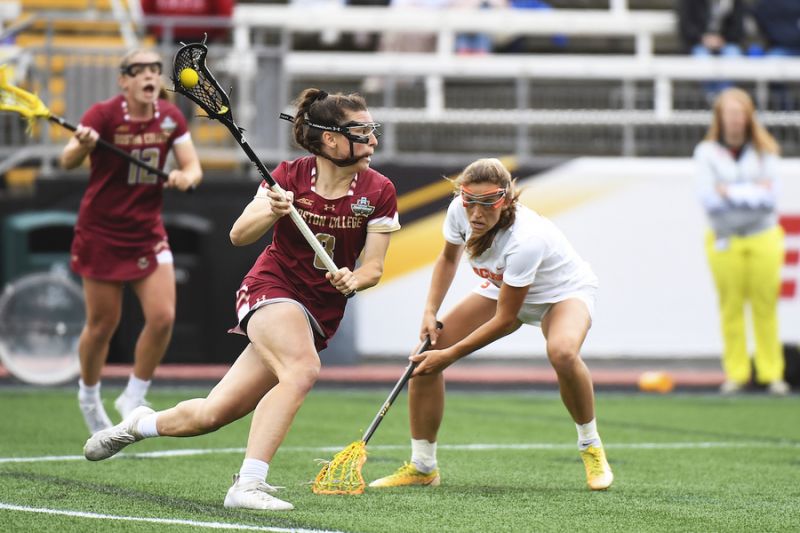
When selecting a women’s lacrosse stick, considering features that enhance comfort, grip, and durability can optimize performance. As a developing player, choosing a stick with the right features for you will improve fundamentals.
For comfort, padded grips on the shaft and grip tape below the head provide cushion and prevent slippage. Offset heads with curved sidewalls promote natural hand positioning. Lightweight materials reduce overall strain during lengthy practices and games.
Molded grip textures and butt end caps boost handle traction and control. ‘Memory’ composite shafts retain your preferred shape after hard checks. Materials like ABS plastic and titanium alloy increase durability against routine abuse.
For midfielders who face constant physical contact, solid construction is key. Defenders also benefit from rugged builds that maintain integrity through pushes, hacks, and errant ball impacts. Goalie heads must withstand high-velocity shot impacts year after year.
Don’t overlook comfort-oriented features though. Added cushioning reduces fatigue, especially as younger players build hand and arm strength. Enhanced ergonomic designs maximize feel as you polish stick skills and technique.
Factor your playing style, position demands, and budget when selecting performance features. Prioritizing both durability and comfort will equip you with a stick that enhances skills development on all levels.