Lacrosse Shot Clock Rules
Home>Sports>Lacrosse>Lacrosse Rules
PreviousNext
The shot clock in lacrosse is a clock that tracks how much time the offensive team has remaining to take a shot on goal. If a team does not shoot the ball before the clock expires, the ball is turned over to the opposing team. It is intended to keep the flow of play fast and to encourage a frequent change of possession. Read on to learn the rules of the shot clock in lacrosse.
Table of Contents
- Shot Clock Rules
- Shot Clock Starts and Stoppages
- Special Shot Clock Rules
- FAQ
Shot Clock Rules
In NCAA men’s field lacrosse, the shot clock is 80 seconds from the time the offensive team gains possession of the ball. Additionally, the offensive team must have the ball within their offensive half within the first 20 seconds of the 80-second shot clock. In indoor lacrosse (including the NLL), the shot clock is 30 seconds from the time the offensive team gains possession. The PLL features a 52-second shot clock. The shot clock in women’s lacrosse lasts for 90 seconds.
Shot Clock Starts and Stoppages
The shot clock operator starts the shot clock once clear possession is gained after a faceoff, a live ball turnover, or a loose ball. The shot clock operator stops the shot clock when the official stops play, a ball travels out of bounds, or for a timeout or injury. When the shot clock is reset, it resets to the full 80 seconds. The shot clock resets after a change of possession.
Special Shot Clock Rules
For timeouts or injury timeouts, the shot clock continues for the remaining time if the offense calls a timeout and resets to 80 seconds if the defensive team signals for a timeout. This rule gives an advantage to the offense and discourages the defense from calling a timeout simply to disrupt an offensive set.
If the shot clock malfunctions for any reason, the shot clock operator can use a timing device to still keep time and announce to game officials the time in 10-second intervals. For this reason, many rulebooks, including the NCAA, ask that whoever operates the shot clock should have that as their sole responsibility.
FAQ
Is there a shot clock in lacrosse?
A shot clock is used in men’s field lacrosse and box lacrosse to maintain pace of play. Without a shot clock, teams with possession could simply play keep-away from the other team for a long length of time without an attempt at scoring. NCAA women’s lacrosse added a shot clock in 2021.
How long is the shot clock in lacrosse?
How long the shot clock lasts depends on the type of lacrosse being played. In NCAA men’s field lacrosse, the shot clock lasts for 80 seconds from the time that the offensive team has possession of the ball. In men’s indoor lacrosse (like the NLL), the shot clock is 30 seconds from the offensive team’s gain of possession. In the PLL, the shot clock is 52 seconds. In NCAA women’s lacrosse, the shot clock lasts for 90 seconds.
PreviousNext
Pages Related to Lacrosse Shot Clock Rules
- Lacrosse Personal Fouls
- Lacrosse Roster Rules
- Lacrosse Restraining Line
- The Top 10 Rules Of Lacrosse
- Lacrosse Technical Fouls
- Lacrosse Timeout Rules
PreviousNext
Fate of the FOGO: How the New Shot Clock Rule Affects the Faceoff
Win the clamp, scoop up the ground ball, safely get it to an attackman, sprint back to the box.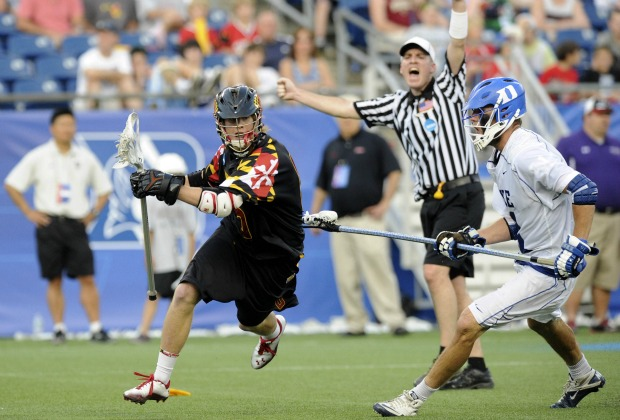 Breathe.
Repeat.
Those were once the main responsibilities of a faceoff athlete – or a faceoff, get off athlete (FOGO) – as it was appropriately named. But the days of the FOGO are dwindling. As only eight starting spots at the stripe exist professionally in outdoor lacrosse, more skill became required from these athletes over time, especially this PLL season.
“I’ve always hated the term FOGO because it’s so old school. We used to call guys FOGOs when they literally couldn’t catch and throw and all they could do is sit on a knee and clamp,” former Redwoods faceoff athlete and seven-time All-Star Greg Gurenlian said.
With the Premier Lacrosse League’s new 32-second shot clock rule, the term “FOGO” may never be used again.
Before the 2023 season, the PLL changed the shot clock following a won faceoff from 52 seconds to 32 seconds. The 52-second shot clock is still in effect, but begins after the first 32 seconds of play when a defense forces a turnover or shot-clock violation.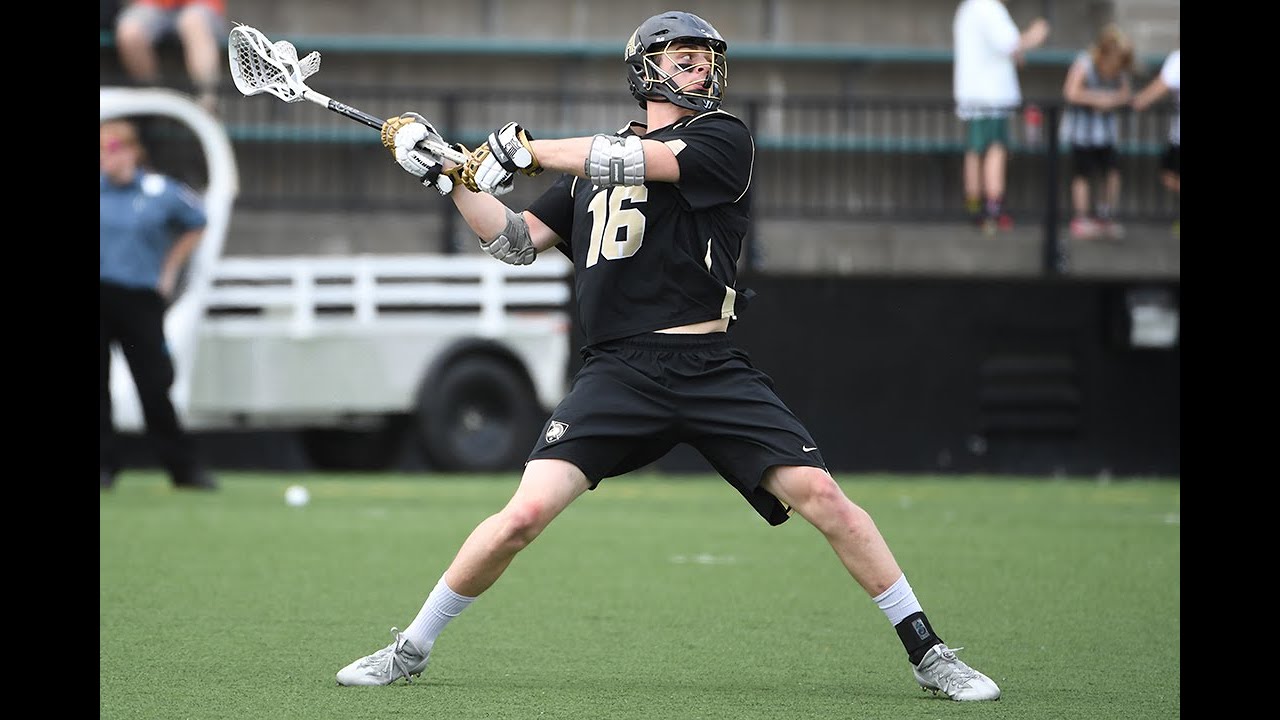 With the new rule, faceoff athletes find themselves playing offense and defense as the 32 seconds wane and there’s not enough time to sub off, essentially killing the notion of the FOGO.
Trevor Baptiste, Atlas’ faceoff athlete and the 2022 MVP, stayed on the field for minutes at a time through the first three weeks of the 2023 season, but he felt the effects of the new rule immediately.
“There was one stretch in the second quarter [against the Redwoods in Week 1] where we were on the field for like three minutes straight. It was back and forth, up and down. Faceoff, then into another faceoff. It’s a lot,” Baptiste said. “I was definitely tired in that moment. Sometimes you just don’t have enough time to sub and you still have to get something out of that possession.”
It’s a balancing act. Sub out too soon, stay in too long or don’t do your part on defense? Then you’re “a liability,” Gurenlian said. Become that, and you’re “one or two bad games away from never playing again. ”
”
This is the pros, after all.
With only eight teams in the PLL, everything is matchup based. When Gurenlian was playing against a more athletic faceoff opponent, he would make sure to closely guard his guy and not just run off the field and leave his matchup open with an opportunity to score. If he went against a bigger, less mobile opponent, he thought the opposite.
“If I win, I need to keep this guy out here as long as I can and get him caught up on defense because then he’s a liability,” Gurenlian said. “For Trevor, how he plays against TD Ierlan (Redwoods) or Petey LaSalla (Whipsnakes) is going to be way different than how he plays against Connor Farrell (Chrome).”
The faceoff position requires more speed, smarts and power than it did a year ago, when faceoff athletes had more time and less pressure to make a play.
Luckily for Atlas, it has Baptiste, who is 65-87 (74.4 percent) and grabbed 38 ground balls – leading the league in both – this season.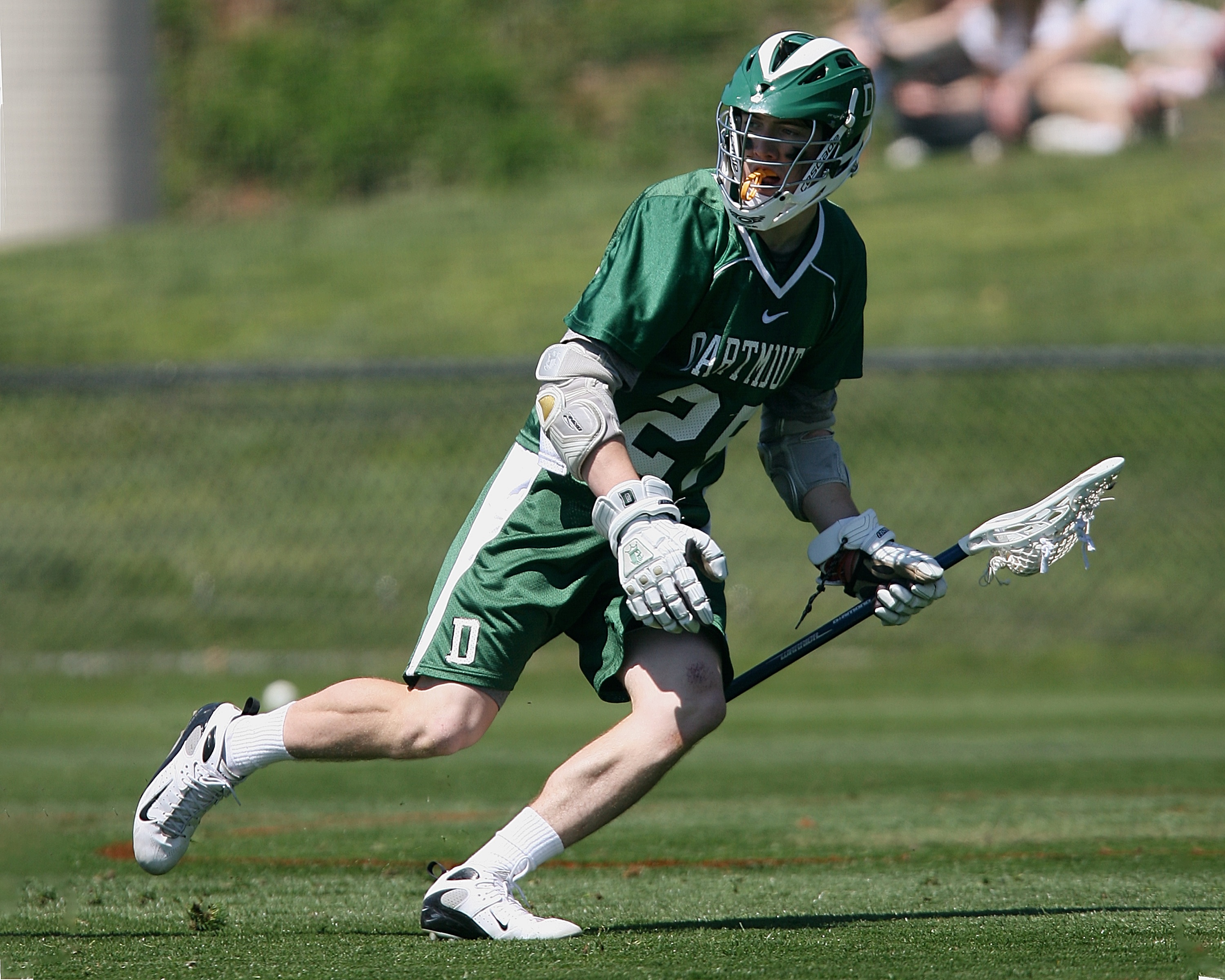 Because of that, Atlas coach Mike Pressler said he puts short sticks on the wings, anticipating setting up the offense and knowing “Trevor’s going to win a majority of faceoffs and if we lose it, we can still get our LSM on the field.”
But with the new rule, which Pressler said so far, he isn’t a fan of, tons of questions follow even with a wunderkind like Baptiste.
“If you’re going to leave him out there after every faceoff win, that doesn’t mean you score,” Pressler said. “If you turn it over or a goalie makes a save, what does he do? Does he run in the hole and play defense, does he run off for substitution? You’re asking so much more of your single faceoff guy that you’re carrying on your roster. We’re not even in July yet, and in some of these places it’s going to be super hot and super humid.”
Gurenlian, however, “loves” the rule because it “will incentivize kids to continue to work on the rest of their game,” he said. While not any position player can step up to the faceoff, the faceoff athlete will have to slot into offense or defense, and play well while doing it.