‘Cuse Classics: ‘Air Gait’ creates lacrosse history with controversial shot
Customize Your Weather
Set Your Location:
Enter City and State or Zip Code
Air Gait replay
The following story, by Scott Conroe, originally ran in the May 29, 1988, edition of The Herald-American. It is being reprinted as part of the ‘Cuse Classics series.
It’s easy to forget that what one sees in games is usually developed in practice, not invented on the spot.
Such was the case with the as-yet unnamed walk through the air and lean over the net that Syracuse University sophomore midfielder Gary Gait used twice to score Satuday against Penn, in the NCAA Division I lacrosse semifinals.
On replay, it looked like this. Gait, standing behind the net and Quakers goalie John Kanaras, leaped like a basketball player headed for a dunk, his feet outside the crease as he launched himself.
Gait seemed to be airborne forever, in the manner of — one couldn’t avoid the thought — the Chicago Bulls’ Michael Jordan. And he tilted his stick down, stuffing the ball over an astonished Kanaras.
» ‘Air Gait’ makes spectacular debut as Syracuse edges Penn (1988)
» The brothers Gait make some history at the Carrier Dome (Poliquin)
He did it at 5:30 of the second quarter to tie the game at 2-2. He did it again at :51 of the third quarter, to tie the game at 4.
And the officials allowed it. There apparently is no rule saying the crease extends upward, in an invisible dome.
“Last Monday, at practice, I was stretching and I thought about how I come around the side of the net, ” said Gait, who must have been a fine basketball player in high school in British Columbia. “Then I thought, why not over the top? I tried it a few times.”
“In 22 years with lacrosse, I’ve bever seen a move like that, ” said Penn coach Tony Seaman. And he questioned the move’s legality.
There was nothing wrong with it, because Gait didn’t touch the net with his body, just with his stick. So said Alfred University coach Jim Grube, secretary and rules editor of the NCAA lacrosse committee.
“You saw history today, ” said SU coach Roy Simmons Jr. “I understand some people aren’t willing to accept it. Nobody has ever done that, and Gary did it twice. It’s too bad when we sit around and figure out ways to slow down a person with such talents.
“We have some other moves we can’t talk about, because people will gear up and make them illegal by the time we have a chance to use them.”
Simmons compared Gait’s move to the introduction of the two-handed slam dunk in basketball. And he bitterly condemned the protest it caused.
“In 1984, we were undefeated entering the championship game, ” said Simmons. “Johns Hopkins had a kid that year, (midfielder John) Tucker, who was ineligible. He had two goals and an assist in that game (which SU lost). Not one word was said.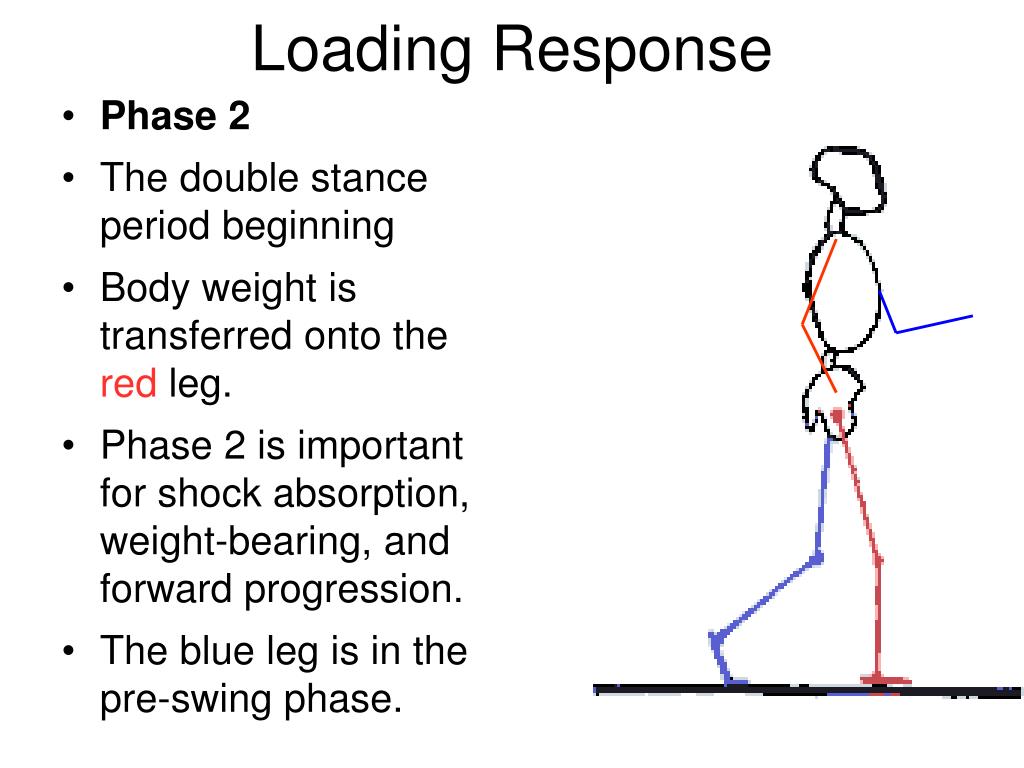 Later, a court ruled in favor of the NCAA, that he was ineligible.”
Tucker, a transfer who was ruled ineligible, was allowed to play in the title game because of a court order.
“Then this kid (Gait) uses a shot — a great, imaginative kid. A wonderful kid. And it causes a furor.”
“It’s just unique for a player to come from behind the net, ” said Grube. “Many players will no doubt try it now. It’s kind of a do-or-die move.”
In this case, for SU, it was a “do” move.
If you purchase a product or register for an account through one of the links on our site, we may receive compensation. By browsing this site, we may share your information with our social media partners in accordance with our Privacy Policy.
What It Is, How to Analyze, and How to Improve
Most runners aspire to be better than they were the day before. Whether you want to run farther, faster, or just feel better doing it, many runner’s feel a fundamental need to improve their performance.
Running gait is the most basic means of analyzing running form, and hence, improving running speed and endurance. It also helps address running faults to decrease your risk of injury.
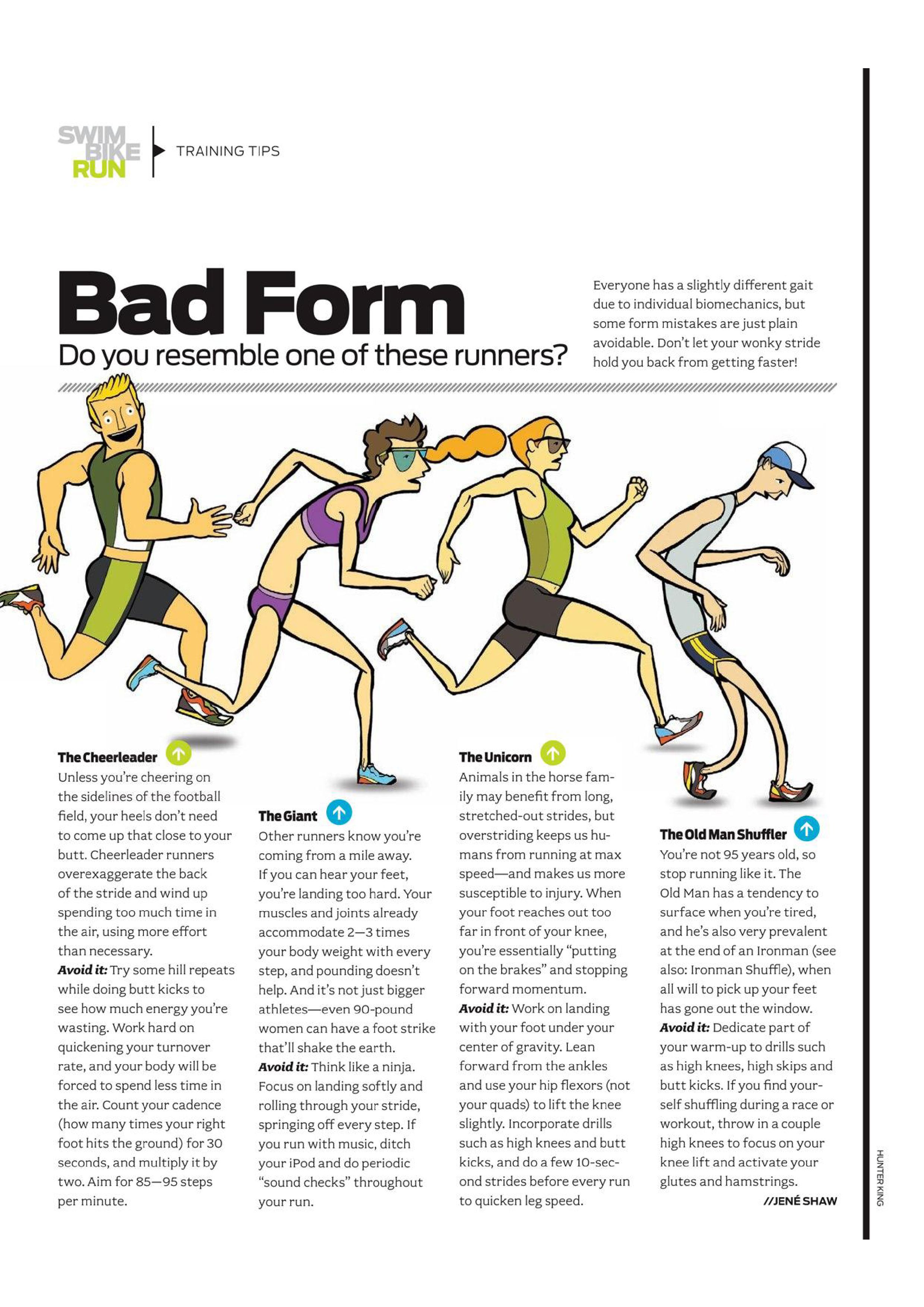
Running gait is the cycle a leg travels through during one step when running. The cycle includes two main phases: stance and swing. Within the swing phase, there’s a subphase unique to running called float or flight.
Stance includes the time when your foot initially makes contact with the ground until the body is over the foot. This is the period of impact and absorption.
As your body travels ahead of your foot, you transition into the swing phase of gait when your foot leaves the ground. Your leg travels forward, flexing at the hip and knee before making contact again.
During this swing phase, there’s a moment during which neither foot is in contact with the ground and your body is floating in the air unsupported. This is called the float stage, and it’s the main difference between a running and walking gait (1).
Summary
The running gait cycle has two main phases: stance and swing. The length of one cycle begins with the contact of one foot and ends when the same foot contacts the ground again.
As mentioned, one running gait cycle includes two phases. Let’s take a closer look at what happens during each phase.
Stance phase
The stance phases of running can be further broken down into the following contact points (2):
- initial contact
- mid-stance
- toe off
Initial contact is also known as the heel strike. However, there are variances in which part of the foot makes contact with the ground first.
Every person’s gate is unique. Your stance could make initial contact with a heel strike, mid-foot strike, or forefoot strike pattern (3).
During initial contact, your lower limbs and body absorb force as your foot strikes the ground. Ground reaction force — or the force the ground exerts on your body — occurs, causing the greatest amount of impact at this point in the gait cycle (4).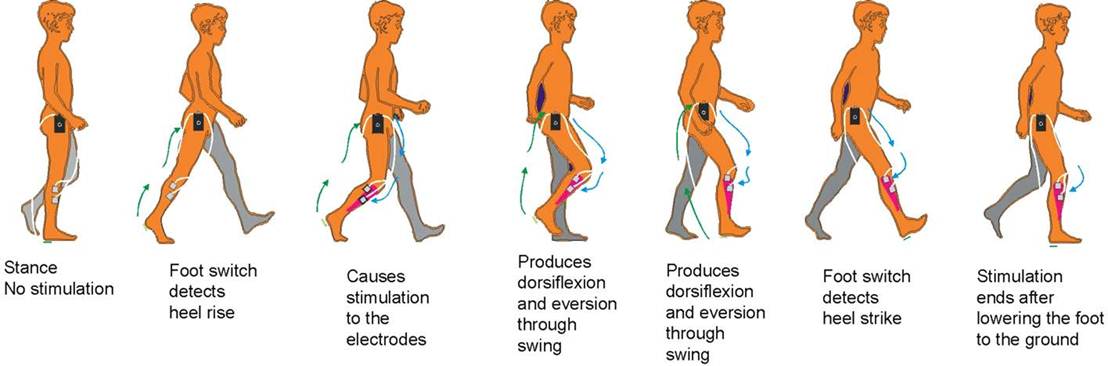
Biomechanics research has investigated the optimal point of contact with the ground to minimize the impact force on the body. Your ankle and knee muscles primarily dampen the force and protect your joints, but the extent to which this occurs depends on your body’s unique patterns.
Also, there are variances depending on your footwear.
For instance, rear foot or heel striking tends to be more common among those running in shoes, compared with barefoot runners. The impact of a heel strike when barefoot is much greater; as such, barefoot runners tend to shorten their strides and land with their forefoot first (5).
After initial contact, the body travels over the foot and leg until it’s relatively directly over the foot, with the knee slightly bent. This is called mid-stance.
At mid-stance, your body transitions from its lowest point, absorbing force toward its highest point to prepare to generate propulsive force. The foot rolls in from a supinated position to a pronated position.
Finally, during the toe-off phase, your body is ahead of your foot. The hip, knee, and ankle joints are extending to propel your body forward.
Consequently, during one limb’s stance phase, the opposite limb is swinging through. The time a limb spends in stance during the gait cycle is approximately 40%. This is shorter than the total of the swing phase (6).
Swing phase
As the foot leaves the ground, the forefoot pulls up (dorsiflexes) and rolls in (supinates). Also, the knee flexes, allowing for optimal clearance of the foot over the ground during the swing.
As mentioned above, the swing phase lasts longer than the stance phase. It begins after the foot loses contact with the ground and terminates when the foot contacts the ground again.
Thus, there’s a momentary period during which neither foot is in contact with the ground due to the overlap of the swing phases of both legs, which is known as a the float phase.
Float phase
The float subphase, also known as the flight subphase, differentiates running from walking, and happens during the swing phase.
When walking, one foot is always in contact with the ground. However, in running, there’s a period during which both feet are off the ground at the same time.
Some research has concluded that highly trained runners maximize this flight time. In the most efficient runners, there is an 11% greater increase in flight time compared with untrained runners (7).
Arm swing during running gait
During the gait cycle, the arm opposite the stance leg should be in sequence. This means both advance and extend behind the torso together. The arms’ job is to counterbalance the rotation from the opposite leg, which contributes to proper running technique.
Summary
During the stance phase, your body experiences the greatest impact. The swing phase and its float subphase comprise 60% of the gait cycle. The arms swing as a counterrotation to leg advancement.
From a running gait analysis, you can see the mechanics of your running.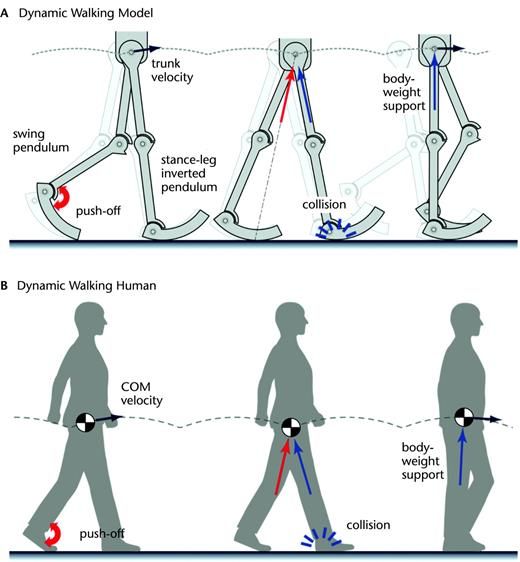
An analysis allows you to see components of movement, such as your stride length and foot contact placement. It also allows you to see where your joints may not be supporting you adequately, as well as where there are poorly controlled movements.
Analyzing running gait includes examining the following components:
Frontal view
- Are your arms crossing the midline of your body?
- Is your trunk rotating excessively during each leg’s advancement?
- Is your pelvis dropping to the opposite side of the stance leg?
- Is your pelvis rotating forward excessively?
- Are your knees aligning with the feet?
- Are your feet landing just inside the width of the pelvis?
- Are your feet landing excessively rolled in or out?
Side view
- Is your head upright and stable?
- Are your arms flexing ahead of and extending behind your torso?
- Is your trunk rotating excessively?
- Is your pelvis rotating forward excessively with each stride?
- Is your foot landing in front of your body?
- Is your knee bent upon landing?
- Are your trailing knee and ankle bending to prepare for swinging your leg through?
Common issues seen during the gait cycle include: overstriding or landing with your foot ahead of your center of mass, excessive vertical translation of the center of mass, and insufficient arm swing (8).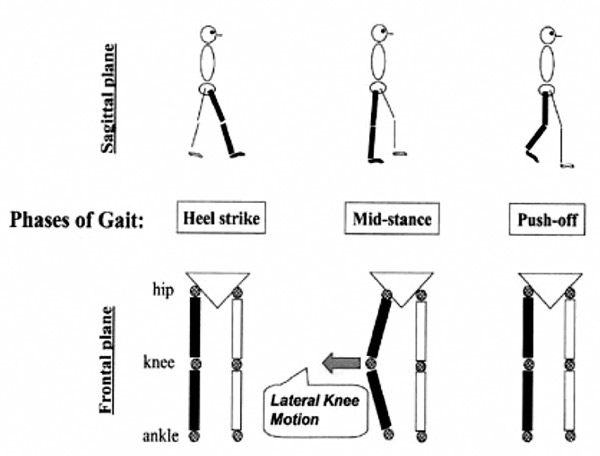
Overstriding means that your foot lands in front of your center of mass. This causes a braking effect on propelling the body forward.
Excessive vertical translation of your body means that some of the energy of your upper body causes your body to bob up and down excessively. This creates higher energy demands and diminishes forward propulsion.
As mentioned previously, arm swing acts as a counterbalance for the opposite leg advancement. During insufficient arm swing, there’s excessive rotation of the lower body, which is less efficient.
Summary
Running gait analysis allows you to see abnormal movements that reduce the efficiency of your running. Three common issues are overstriding, excessive vertical body translation, and insufficient arm swing.
The easiest way to analyze gait is via video. This allows you to see your movement through each phase of your gait.
It’s best to video the subject running from multiple angles — ideally from the front, back, and one or both sides. This can be done by mounting a camera and running past it or running on a treadmill.
Video can be shot using the camera on your phone or tablet. There are also apps that allow you to analyze your form, such as Coach’s Eye, SloPro (only available on iPhones at the time of this writing), or Hudl.
These apps allow you to view your running in slow motion, as well as in real time. It’s also possible to view segments of an entire run.
You can also get a professional gait analysis, which are typically performed by a physical therapist. Some running coaches may also provide this service.
Gait analyses can also be performed in a biomechanics laboratory, but these are not as accessible for most people. The priority is to have someone skilled in biomechanics and analyzing movement to identify subtle issues.
First, wear clothing that conforms to your body and is not loose or baggy. Doing so allows for a clear view of limb movement.
Also, it’s best to take multiple passes in front of the camera.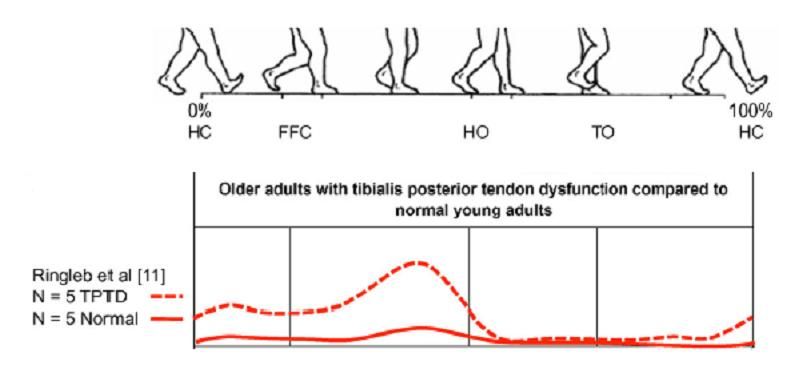 If filming on a treadmill, wait to film after a few minutes. This helps ensure the runner is not “posing” for the camera and in a more natural state.
It can be helpful to video at multiple times during a run, such as toward the beginning of a run when your muscles aren’t fatigued, or at the end to see the changes in mechanics that occur.
Summary
It’s best to analyze your gait using a video recording. Apps are available to video with, or you can consult a professional for analysis.
It takes effort and practice to improve your running gait, but it is possible. One of the biggest difficulties is that changing one variable in your running form will likely cause a change in another area of your running form.
In addition, one review found that adopting a multifactorial change in biomechanics resulted in either no improvements or worsened running economy (8).
You may benefit from making small changes, one at a time, and assessing the difference.
Also, a natural, relaxed arm swing may help. In general, avoid over-stiffening your muscles during the stance phase of your gait.
A myriad of other factors may help your running gait. However, you’ll get the most benefit from discussing this with a physical therapist or running coach who can assess your unique body and stride.
Summary
It’s possible to improve your running form. However, avoid making multiple changes at once. Also, assess whether the change improved your running. It may be beneficial to consult a coach or therapist.
Running gait consists of two main phases: stance and swing. Each phase presents it’s own considerations for optimal biomechanics.
Gait analysis is a helpful way to assess your running mechanics. This helps improve your running speed and endurance, as well as reduce your risk of injury.
Consult a professional running coach or rehabilitation professional if needed. Look for one that has experience in analyzing movement, especially running.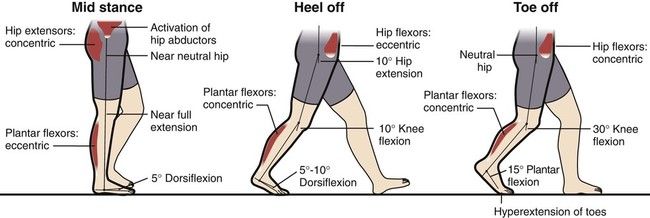
It can be difficult to make changes to your form. Start with small changes, focusing on making one adjustment at a time. With a little bit of practice and effort, you’ll be on your way to better endurance and less pain.
Age can now be determined by gait
Komsomolskaya Pravda
Search results
04 Young people swing their arms less, older ones bend more [and other aspects]
Photo: GLOBAL LOOK PRESS
Specialists from the Japanese University of Osaka have developed a special system that allows you to determine how young or old a person is. To do this, they studied the gait of more than 4,000 people of different ages and examined the features of their movements.
Then, on the basis of the received records, the scientists compiled a base, and from it a special matrix, which can now serve as an assistant to physicians. In addition, it will be installed in the Tokyo Science Museum, where everyone can check how his gait is appropriate for his age. “We want people to take better care of themselves and go in for sports after learning what age their gait is,” explained project leader Yasushi Yagi.
In the database, the groups are divided by age groups. Different movements correspond to this or that age, in particular, stride length, posture, arm movements, swaying, back muscle tension .
For example, young people under the age of 30 do not wave their arms so much . And the older generation begins to stoop more strongly when walking.
By the way, all this information is not a discovery (for example, everyone knows that a person stoops more and more with age), but for the first time all movements are brought together and systematized. In addition, with the help of video recordings, scientists have “discovered” movements that specialists did not pay much attention to before.
Now, on the basis of such a systematized database, anyone can easily determine how young a particular person moves.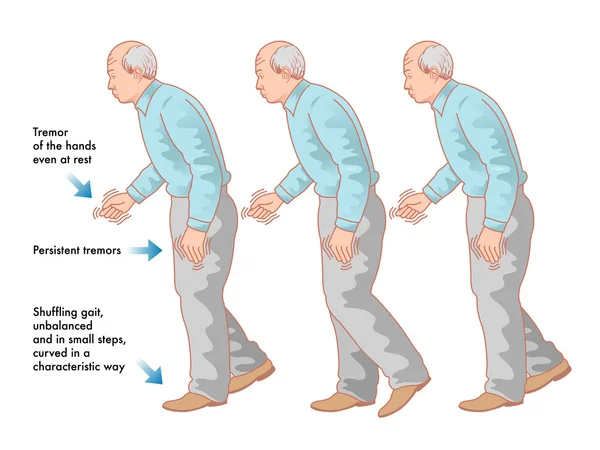
But Scottish sexologists found out that a woman’s walk can reveal the secrets of her intimate life. It turns out that the peculiarity of her gait gives her satisfaction with relationships, which is what orgasm is associated with. And the ability to have a vaginal orgasm is in the anatomy. For example, if a woman walks wide and shakes the back of her body while walking, she usually experiences a full sexual discharge.
And more about the movements while walking. The most common version of the birth of the textbook gait of Marilyn Monroe, although it looks strange, has long taken root among her fans. Some friends of the actress claim that ‘s smooth swaying tread was achieved by Monroe with a simple trick – she allegedly filed one heel so that it was a centimeter shorter than the other.
And scientists from the Netherlands Theo Gevers and Ali Salah created a program to determine the age of a person by smiling. After analyzing the characteristics of smiles, such as how quickly the corners of the mouth rise up, the scientists formalized these parameters so that a computer program could guess a person’s age and emotions. Meanwhile, the participants themselves were not able to correctly guess the age of other subjects, being mistaken by an average of 6-7 years.
Photo: RIA Novosti
SEE ALSO
Allegrova looks her age, and Pugacheva looks 15 years younger!
This new Microsoft program has taken over the world. Well, it’s interesting to check whether you look your age, or younger? Or, God forbid, older? How-old.net works very simply: you upload a photo, and the site gives you the age you look like in this photo. We decided to see which of our and Western stars do not need to try to look younger, and who looks older than their years (next)
How I found out how old I really am
The KP correspondent was tested on a device that determines the real (that is, biological, not according to the passport) age of the body, and . .. was horrified. Mom’s words, and indeed when suddenly someone is surprised to find out that I have not been 18 or even 25 for a long time, I take it as a compliment. Who doesn’t like looking and feeling younger than they really are? Therefore, going to the procedure for determining the biological age (that is, what age the state of the body corresponds to) in one of the Moscow medical centers, I felt young and airy. Not a single black thought arose (next)
Age category of the site 18+
The online publication (website) is registered by Roskomnadzor, certificate El No. FS77-80505 dated March 15, 2021.
EDITOR-IN-CHIEF OF THE SITE – KANSK VICTOR FYODOROVICH.
THE AUTHOR OF THE MODERN VERSION OF THE EDITION IS SUNGORKIN VLADIMIR NIKOLAEVICH.
Messages and comments from site readers are posted without
preliminary editing. The editors reserve
the right to remove them from the site or edit them if the specified
messages and comments are an abuse of freedom
mass media or violation of other requirements of the law.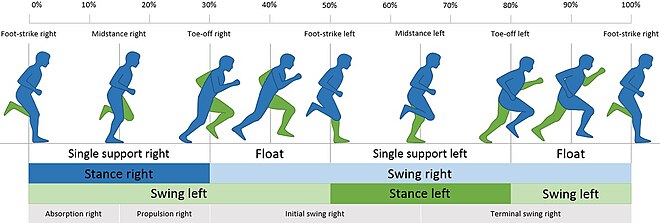
JSC Publishing House Komsomolskaya Pravda. TIN: 7714037217 PSRN: 1027739295781
127015, Moscow, Novodmitrovskaya d. 2B, Tel. +7 (495) 777-02-82.
Exclusive rights to materials posted on the website
www.kp.ru, in accordance with the legislation of the Russian
Federation for the Protection of the Results of Intellectual Activity
belong to JSC Publishing House Komsomolskaya Pravda, and do not
be used by others in any way
form without the written permission of the copyright holder.
Acquisition of copyright and contact with the editors: [email protected]
From Elena the Beautiful to Baba Yaga
Do you remember the main character of the legendary film Office Romance, Lyudmila Prokofievna Kalugina, a strong, independent, but lonely woman? Having fallen in love, she changes beyond recognition: her wardrobe becomes bright, her manner is feminine, and her gait is airy.
But in the 21st century, completely opposite situations happen: when they get married, girls lose their former interest in their own appearance, go headlong into household chores, turning into harmful and grouchy women jaded by everyday life. Psychologists have come up with a definition for this – “aunt syndrome”. Is there a way back and what is the role of men in this, the correspondent of VN found out.
Mirror, tell me…
Beauty standards and fashion are changeable. But hardly anyone will argue that femininity, charm, lightness and beauty should be present in every girl and woman. However, more and more often, after going to the registry office, something wrong begins to happen to the fair sex. “Obabila” – they say about such.
– A woman who turns into an “aunt” is easy to figure out. She ceases to direct her sexuality towards her husband, ceases to be interested in the events of culture, science, show business. Able to talk only about the child and life. She loses interest in many things, and the former “easiness to climb” disappears. Because of this, she chooses a rather narrow circle of contacts, – explains the roots of “tetkism” a psychotherapist, supervisor of the All-Russian Professional Psychotherapeutic League Igor LYAKH .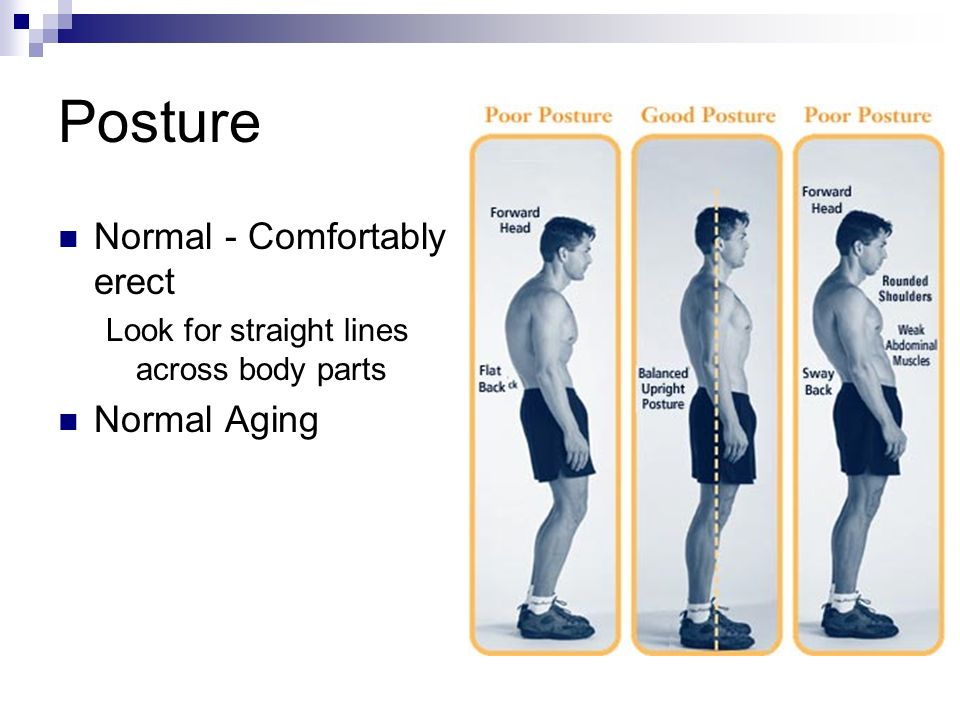 – All this cannot but be reflected in the appearance. For example, very often there is a set of body weight.
Psychologists have been following female metamorphoses for a long time. There are many explanations for the transformation from a beautiful girl to an angry and grumpy wife (even after a short time after marriage).
One of the points of view is related to consumer morality. According to Igor Vyacheslavovich, after the wedding and the birth of a child, a woman loses the time that she previously spent on herself. She does not have the opportunity to go to a beautician, masseur or just spend the evening in the company of her friends. It begins to consume “everyday”. But there were “strong women” in Russia even before the spread of fashion for going to beauty salons. Maybe the reason is something else?
– For some women, the feeling of marriage and motherhood is associated with the expectations of situations in which she is obliged to sacrifice herself for the sake of her husband, for the sake of children.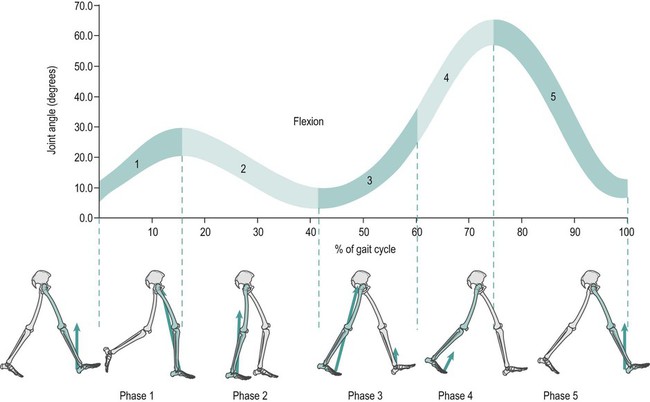 And as a result, this leads to a depressive state, – says Igor LYAKH . – Often a woman unconsciously fulfills the precepts of her mother, grandmother: I put youth, beauty, energy, good mood on the altar of the family. This kind of tribal mission is also characteristic of our century.
Is the man to blame?
You can often hear conversations: they say that it is the husband who “sculpts” his wife into an “aunt”. After all, while she looks attractive, other men may also desire her. Therefore, he uses all means to carry out the sad transformation of his other half. Like, it’s more convenient and calmer. But, as experts say, these are still special cases, and not a trend.
– Another point of view on this problem is feminist. Accordingly, all negative changes in marriage and responsibility for them are assigned to the man. Therefore, his obligation to fix everything, – says Igor LYAKH . – In the history of Russia, we have a lot of dead men. Take the same Great Patriotic War. In the conditions of a shortage of men, a woman was forced to combine several roles: to be a mother, to work hard to feed her family. The social role came to the fore here, and femininity in its ambiguity was not a priority.
If we are still talking about the culture of the 21st century, then the model of a woman is still married ladies who retain their sexuality, attractiveness, spending time on it and having fun. She manages everything: to be a woman, to be with her family and to be an interesting person, to be interested in the outside world.
If one of our readers feels that an “aunt” is dozing in her, then there are many recipes for how to get rid of her. The first and most important thing is to fall in love: with yourself, again with your husband, or just like that. Then there will be an incentive for self-improvement.
If it doesn’t work out, there is another way to get out of the quagmire of everyday life – to remember the hobbies and interests that you lived before marriage, and try to transfer them to your current life.