Choose the Right Lacrosse Rebounder for Your Needs
As a lacrosse player looking to improve your skills, one of the best investments you can make is in a high-quality lacrosse rebounder. With the right rebounder, you’ll be able to practice catching, throwing, scooping, shooting, and dodging anytime, anywhere. But with so many options on the market, how do you choose the model that’s right for you?
First, think about your skill level and needs. Are you a beginner looking to develop fundamental stick skills? Or an advanced player focused on elevating your game with rapid-fire drills? Consider your budget and portability requirements too. Do you need a full-sized rebounder for your backyard, or a more compact net for easy transport?
Key features to compare include adjustability, ball return mechanisms, materials, and durability. Look for rebounders with multiple angle settings so you can practice different types of shots, passes, and body positioning. Make sure it has a reliable ball return system—either gravity-fed or with enclosed netting—to minimize downtime chasing balls. Weather-resistant, heavy-duty materials will hold up well for outdoor use.
Once you’ve evaluated your options, select a rebounder that aligns with your skill level, training goals, and budget. Brands like Gladiator, BOGNER, and Rukket offer excellent choices across price points. Investing in the right rebounder will deliver dividends by improving your hand-eye coordination, reaction time, accuracy, and overall lacrosse abilities. With consistent practice, it can be a game-changer for realizing your full potential on the field.
Build Your Own DIY Lacrosse Backstop on A Budget
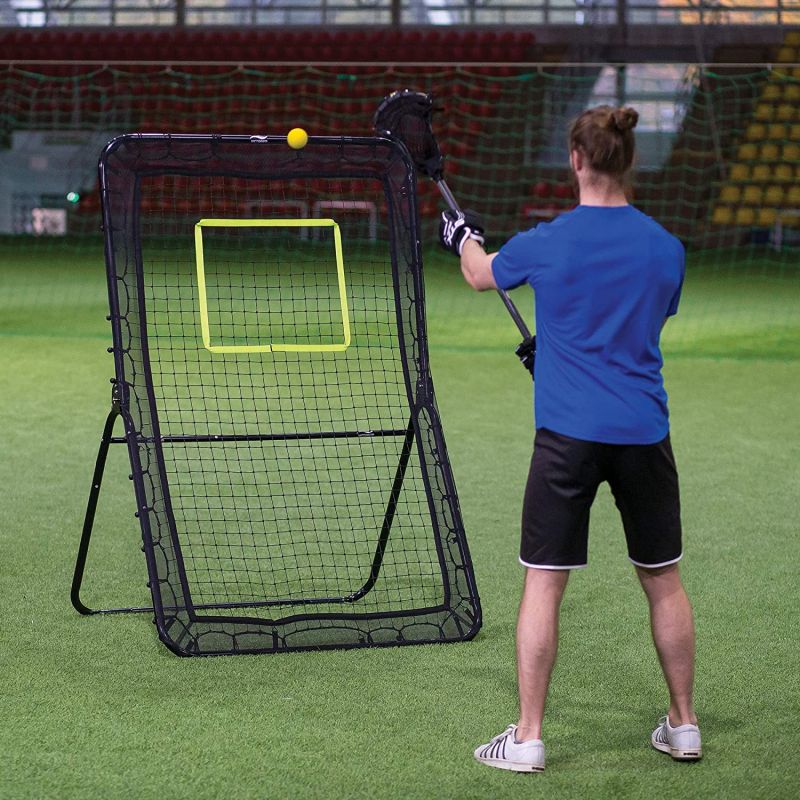
Looking to improve your lacrosse shooting and passing skills but don’t have the budget for a high-end rebounder? With some basic DIY skills and materials, you can build your own cost-effective lacrosse backstop for practice right in your own backyard.
When designing a DIY lacrosse backstop, make sure to consider portability and durability. Use weather and UV-resistant materials that will hold up well to repeated lacrosse ball impacts and outdoor conditions. Avoid flimsy materials like bedsheets or tarps, which can quickly wear out and need frequent replacing.
For the frame, opt for PVC or metal piping which can create a rigid backbone for your backstop. Galvanized steel pipes or thick wooden posts also work well. Adjustable joints allow you to modify the angle and size as needed. Secure the frame into the ground with stakes or a portable base for stability.
As for the netting or catching surface, high-density polyester fabric is a good choice for durability and ball rebound. Stretch the material taut across the frame to mimic the trampoline effect of a rebounder. You can also hang hockey netting or chain link fencing material as a budget-friendly option. Consider hanging multiple layers to improve ball retention.
Leave a clearance gap of at least 10 feet between the shooting area and backstop to allow for full lacrosse shooting arcs and errant shots. Position it near a garage or wall and angle the netting to keep balls contained. Have a few spare lacrosse balls on hand to minimize downtime between shots.
Get creative with your DIY backstop design features too. Attach grommets along the sides to adjust the angle or elevation. Add an extra rebound surface to practice passing and catching between two players. With a simple, effective backstop, you can sharpen your lacrosse skills affordably on your own time and terms.
Make sure to Allow For Mobility and Portability
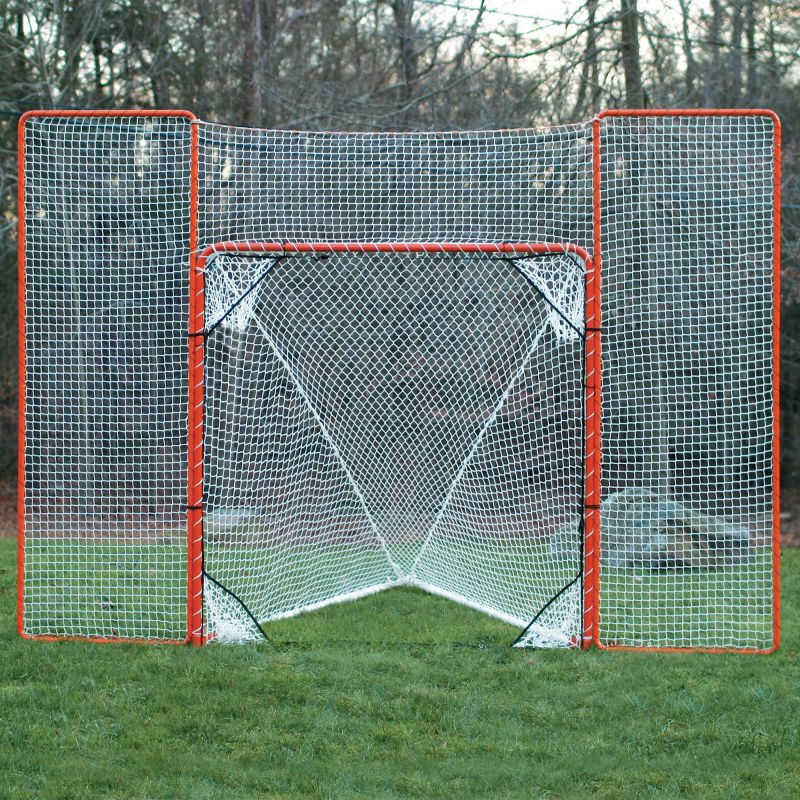
When selecting a lacrosse rebounder or designing a DIY backstop, an important consideration is mobility and portability. As a lacrosse player, you’ll want to be able to easily move your training setup to different locations for convenience and versatility.
Look for rebounders that are lightweight and compact enough to transport in a car or SUV. Collapsible frames, foldable designs, and wheels for rolling can greatly improve mobility. The Rukket Sports Rebounder, for example, folds into a carrying bag for easy transportation.
For DIY backstops, use minimal, lightweight materials in the construction. Galvanized steel or PVC piping is ideal for the frame. Avoid heavy wood supports or permanent concrete installations. Use truck tires, sandbags, or portable bases to hold it steady rather than dug-in poles.
Make sure to assemble the rebounder or backstop securely, but also allow for quick disassembly. Use snap-button poles, spring-loaded joints, and bungee cords for fast set up and breakdown. Keep all parts and materials together in a storage bin for grab-and-go portability.
Consider adding wheeled platforms or carts to make moving the gear even simpler. Get innovative with easy mounting and demounting techniques too. The ability to move, store, transport and reposition your lacrosse practice setup quickly expands your training options and possibilities.
With smart design focused on mobility, you can recreate the benefits of an indoor lacrosse facility in any empty field, yard, or driveway. Consistent skill development requires regular practice, so invest in portability to train on your own terms.
Use Weather-Resistant Materials For Outdoor Durability
When using a lacrosse rebounder or building a DIY backstop for outdoor practice sessions, it’s crucial to utilize weather-resistant, durable materials that can withstand the elements.
Look for rebounders made with UV-resistant polyethylene netting or canvas materials that won’t degrade from sun exposure. Aluminum or powder-coated steel tubing will resist rusting and corrosion far better than bare steel. Waterproof nylon carry bags protect the gear when not in use.
For DIY designs, select UV-treated, vinyl-coated polyester fabrics for the catching surface. These will maintain integrity despite sun, rain, and moisture. Marine-grade bungee cords stay flexible in all temperatures. PVC pipes hold up better than wood in outdoor conditions.
Avoid any untreated cotton, nylon, or thin plastic sheeting as these will easily fray, crack, and rip when exposed to weather. Take down any rebounder or backstop with fabric components after use to prolong lifespan.
In addition to UV/water protection, also consider wind resistance. Use a weighted portable base or sturdy staking system to keep the rebounder or backstop securely in position during gusty days. Compact, low-profile designs fare better than larger freestanding frames.
With the right weather-resistant gear, you can practice lacrosse shots, passes, catches, footwork, and drills year-round. Don’t limit yourself to only indoor training – invest in durable materials to take your practice outside and enhance skills in any weather.
Practice Catching, Scooping, Throwing, and Shooting
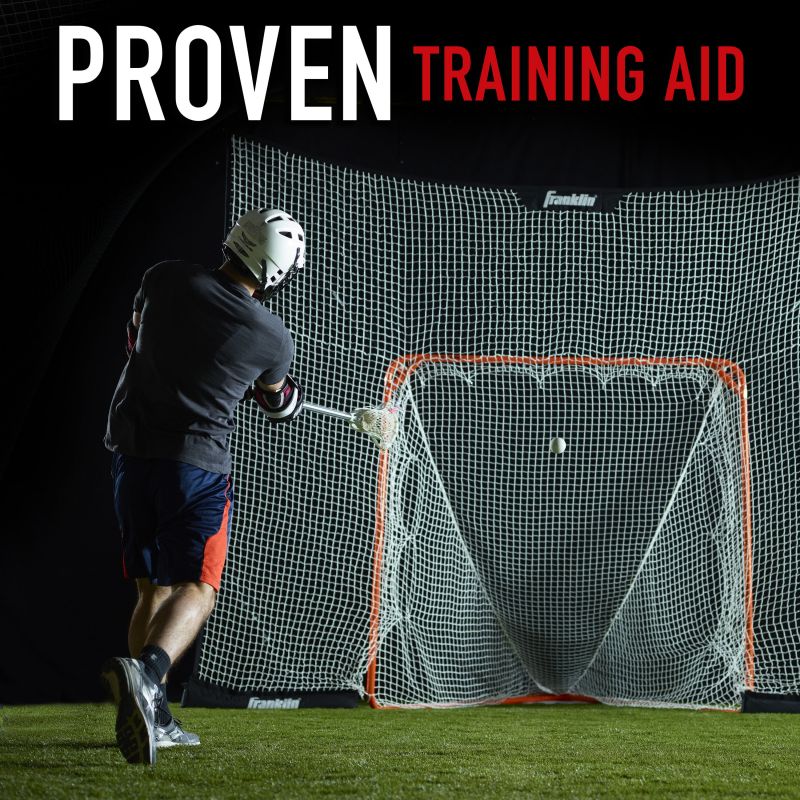
One of the biggest benefits of owning a lacrosse rebounder or backstop is the ability to practice crucial lacrosse skills anywhere and anytime. With a rebounder, you can develop key techniques like catching, scooping, throwing, shooting, and dodging through repetitive, self-directed practice.
Set up the rebounder a comfortable distance away and work on cleanly fielding different types of bouncing and airborne passes. Concentrate on form – two hands on the stick, giving with the ball, and securing possession. Do the same with ground balls, scooping across your body for optimal control.
Then, focus on quick, accurate passing and shooting. Vary the angles, locations, and velocity of your throws, challenging yourself to connect consistently. For shooters, strive for different placements in the corners, on the run, or with a defender in your face.
As your skills improve, increase the speed and intensity. Use visual targets, react to audible cues, and practice shooting under pressure. Mimic game situations by simulating defenders with dummy pads or agility cones.
A rebounder enables self-directed skill refinement anytime. The repetitive, rapid-fire nature of rebounding drills develops instincts, coordination, and lacrosse IQ. With regular practice, you’ll gain tangible confidence in your abilities – from cradling to catching to shooting when it matters most on game day.
Work on Dodging, Cutting, and Footwork with Rebounds
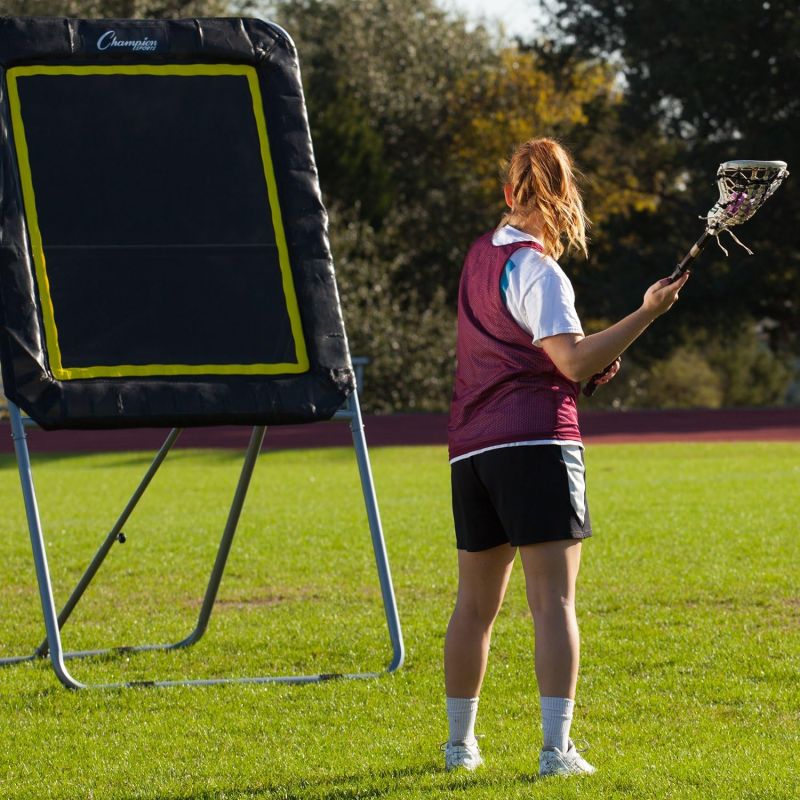
While lacrosse rebounders are excellent for honing stick skills like passing, catching, and shooting, they also provide an effective means for improving other crucial techniques like dodging, cutting, and footwork.
Set up cones or agility ladders at angles around the rebounder to practice changing direction. As the ball rebounds off the netting, explosively drive out of your cut or dodge, switching hands as you would in a game situation. Work on coordinating upper and lower body movements for maximum power and efficiency.
Vary the types of dodges you utilize – quick rolls, split dodges, bull dodges, swim moves, and others. Envision defenders on your hands as you sell your fake and make your cut. Focus on low athletic stances and correct foot firing for speed out of breaks.
Have a teammate or parent lightly pressure you as you catch the rebound and simulate driving past a defender. Cue changes in pace and direction for an open shot. Even without a live defender, rebounding drills will sharpen your cuts, dodges, and overall lacrosse footwork.
As your footwork improves, challenge yourself to catch low rebounds for scooping practice or high bounces to work on vertical leaping. Use side-to-side and diagonal runs to improve agility. Vary body levels and incorporate perimeter sprints to develop complete lacrosse athleticism.
With the continuous repetition of rebounding drills, you’ll elevate key techniques to maneuver past defenders. Mastering footwork and dodge moves in practice translates directly to beating your opponent in game action.
React Faster with Rapid-Fire Rebounding Drills
One of the most valuable benefits of lacrosse rebounder training is the ability to sharpen reaction time and instincts through rapid-fire rebounding drills. The constant, unpredictable ricochets force you to react quicker and develop lightning-fast reflexes.
Work on receiving crisp passes immediately after the ball rebounds off the netting. Focus on making smooth transfers from your stick to cradle or fake shot in a split second. Have a partner rapidly call out different catch locations or shot types to keep you alert and responsive.
Challenge your hand-eye coordination by adding in obstacles like blocking pads or spinning around before receiving the rebound. Switch hands quickly from right to left to grab errant rebounds. Use your peripheral vision to track the ball while dodging imaginary defenders.
Increase the pace of rebounds with tennis ball launchers or by decreasing netting tension.Sharpen your goalie reflexes by facing close-range rapid-fire shots. The quick repetitive nature of rebounding mimics the speed and unpredictability of game action.
Make fast-paced rebounding drills a staple in your practice routine. As you get more comfortable with rapid rebounds, your reaction time, focus, and field awareness will become more instinctual. Those split-second advantages can be the difference between capitalizing on an opportunity or not in a game.
Improve Hand-Eye Coordination and Reaction Time
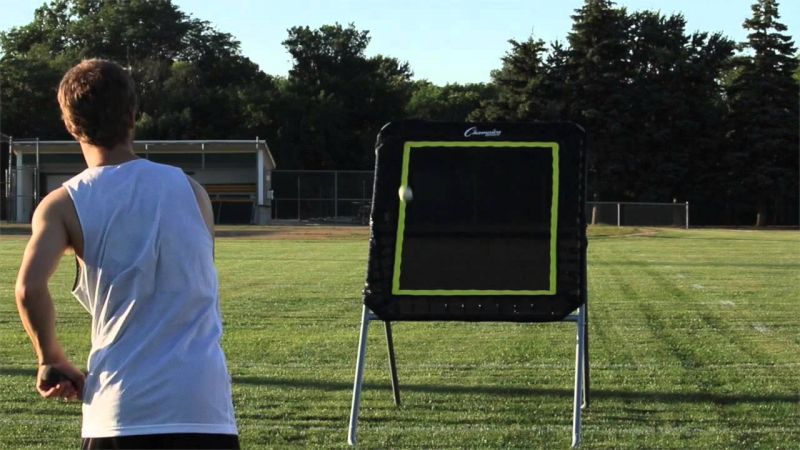
Lacrosse is a fast-paced, highly reactive sport that requires stellar hand-eye coordination and quick reaction time. Rebounder training is tailor-made to develop these critical skills through continuous, dynamic reps.
The constant motion of the ball rocketing off the angled netting challenges you to adjust your hands, eyes, and body position on the fly to make the catch. Tracking the ball peripherally while focusing centrally trains eye discipline and awareness.
Work on cleanly receiving passes of varying speed and location without breaking rhythm. Challenge yourself to make tough grabs like blind catches behind your back or one-handed scoops to sharpen reflexes.
Incorporate rapid stick transfers, quick shot releases, and change of direction cuts to build coordination. Have a partner or shooter mix up pass timing and speed to keep you alert.
Rep after rep, your hands and eyes will become better synchronized to track and grab errant balls. Your reaction time will improve as you learn to anticipate trajectories and move efficiently. Hand-eye skills translate directly to excelling in high-pressure game situations.
Get Creative With Drills Using Multiple Angles
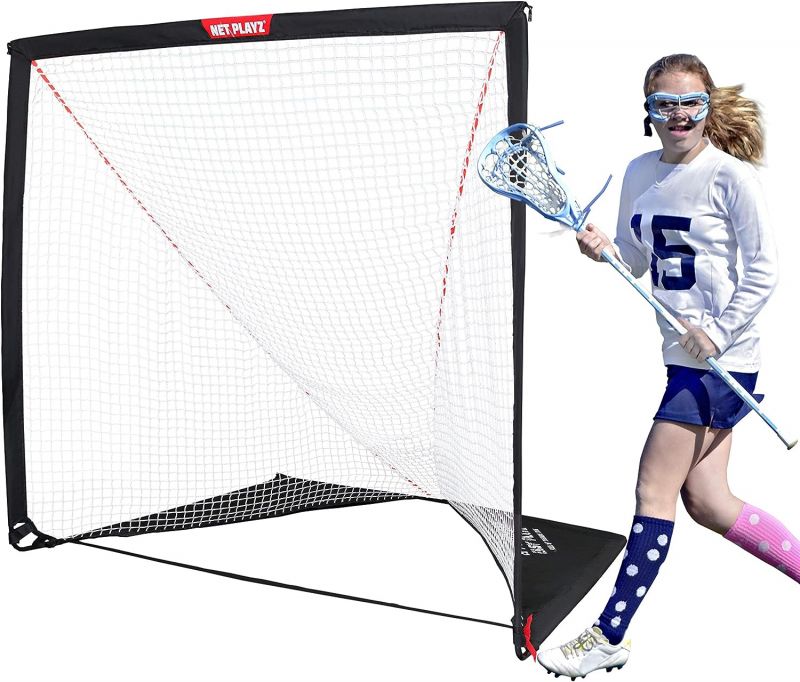
One great way to maximize the benefits of your lacrosse rebounder is to get creative with drills utilizing various angles. By practicing from different orientations, you’ll develop well-rounded skills and comfortability adjusting your body position on the fly.
Work on sideways and backwards catches to improve peripheral tracking and reaction time. Set up the rebounder at sharp angles to mimic errant passes. Shift your stance quickly between a righty and lefty grip to snag rebounds.
Practice quick stick redirects by receiving the ball on the right and bouncing it back lefty and vice versa. Have a partner rapidly call out “right”, “left”, or “regular” to keep you agile.
For shooters, take shots aiming small targets on the netting to sharpen accuracy. Vary shooting stance and footwork – on the run, off a cut, or with a quick plant. Maintain power and form shooting at tough side angles.
Defenders can work on checking and positioning from different orientations and across body lead hands. Goalies benefit by facing angled shots targeting corners and rapidly resetting.
Varying your rebounding training angles builds overall body control, coordination, and comfort adjusting to the ball in any situation. Don’t lock into just a frontal setup – get creative with angles for more well-rounded skills.
Master Different Shot Placements and Velocities
One of the biggest benefits of a lacrosse rebounder is the ability to practice shooting from different angles, placements, and shot velocities. Dialing in your shooting precision opens up the entire field for scoring opportunities.
Set up the rebounder close up and work on hitting small targets in each corner. Then move back to finetune longer range shots, maintaining accuracy. Practice quick release shots on the run as well as plant and shoot technique.
Vary the speed and arc on your shots, from blistering overhand rockets to soft bounce shots. Being comfortable with multiple velocities makes it harder for a goalie to predict.
Practice off-hand and sidearm shooting for angled finishing in traffic. Have a partner apply dummy pressure to simulate shooting under duress.
Log repetitions from your go-to shooting zones and ranges during practice. But also expand your comfortability with lower percentage shots for when the defense takes away your primary options.
With a quality rebounder and repetition, you can become lethal from anywhere on the field. Mastery of shot targeting, angles, motion, and velocity is what separates a good shooter from a truly great one.
Develop Consistency and Accuracy with Repetition
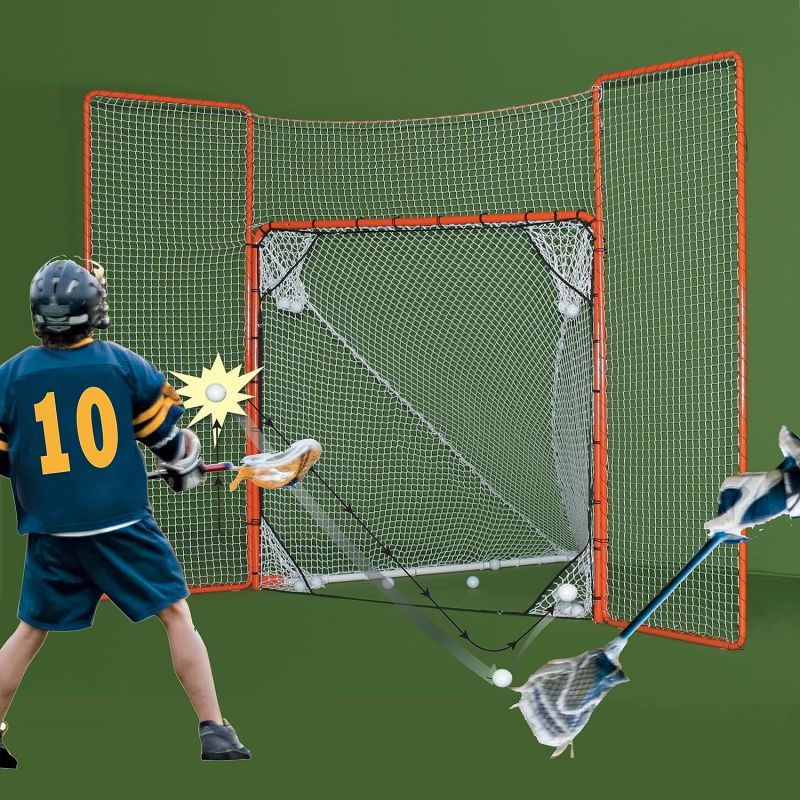
One of the key principles of effective lacrosse training is developing consistency and accuracy through repetition. The constant rebounds of a rebounder provide the perfect platform for ingraining proper shooting mechanics.
Focus on fundamentals like proper follow through, full body motion, and release point every shot. Visualize your shot hitting the target before you shoot. With every catch and release, reinforce ideal form.
Gradually increase your shot volume to build muscle memory. Vary placement but lock in consistent shooting technique. Use a permanent marker to note problem zones on the rebounder and drill them.
Track your makes and misses over multiple sessions to gauge and improve your accuracy. Have a coach or teammate provide feedback on tweaks to your fundamentals.
Repetition breeds not just mechanical skills, but confidence in those skills executing consistently. As hundreds of quality shots become thousands, your muscle memory and shooting prowess will become second nature.
All the lacrosse talent in the world means nothing without consistency. Unlock your full potential through focused, repetitive skills training with a rebounder.
Become a Better Goalie by Facing Rapid Shots
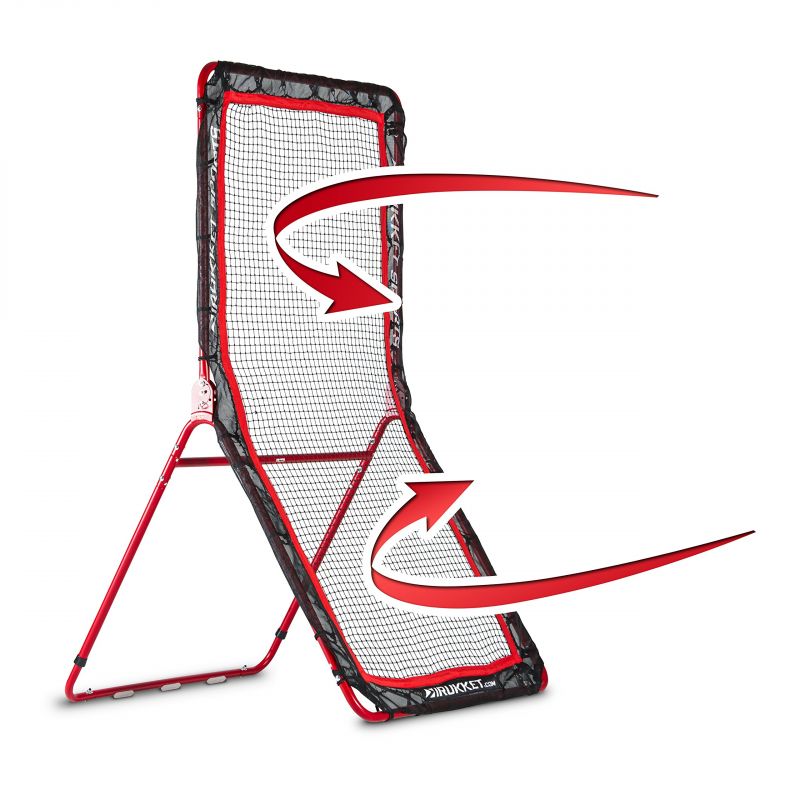
For lacrosse goalies, one of the best training investments is a rebounder to practice facing rapid fire shots. The constant rebounds sharpen reflexes, fundamentals, and save technique under fire.
Have coaches, teammates or parents take repetitive shots using tennis ball launchers or quick sticks. Work on tracking shots instantly off the rebounder and getting into position faster.
Practice ranging to all areas of the crease and beyond to cut off angles. Load up on repetitions of low-to-high or bounce shot saves to ingrain proper form.
Communicate and call out shot locations to improve awareness and vocal leadership. Analyze goals to identify weaknesses in positioning or mechanics.
Add in movements like lateral shuffles, recoveries or challenging shooters to mirror game situations. Have partners mix up shot speed, placement and release points to keep you on your toes.
Through high volume shooting reps, you’ll become more comfortable and proficient making saves instinctually. Your technique, positioning and lacrosse IQ will sharpen from facing the speed and pressure of rebounder shots.
Invest Time Daily To See Your Skills Improve
Getting in quality repetitions with your lacrosse rebounder is key, but real development requires making it part of your daily routine. Frequent skills practice leads to tangible gains in technique, IQ, and confidence over time.
Set aside at least 15-30 minutes per day for rebounder training. Work on fundamentals like scooping, cradling, passing, catching shooting and footwork. Vary drills and games to keep it engaging and challenging.
Gradually increase your volume of quality reps as skills improve. Track your progress over weeks and months for motivation. Film your form to self-scout areas needing refinement.
Follow workout schedules used by college and pro players during the offseason. Training aids like ball launchers can maximize repetitions. Practice game-like scenarios to sharpen instincts.
With daily skills training, your muscle memory, reactions, endurance and form will elevate. Make rebounder practice a habit; Over time, you will see significant gains in your consistency, confidence and overall lacrosse game.
Invest Time Daily To See Your Skills Improve
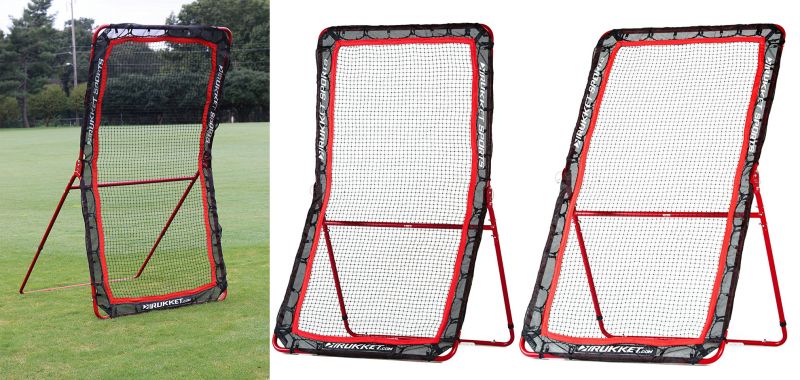
Getting in quality repetitions with your lacrosse rebounder is key, but real development requires making it part of your daily routine. Frequent skills practice leads to tangible gains in technique, IQ, and confidence over time.
Set aside at least 15-30 minutes per day for rebounder training. Work on fundamentals like scooping, cradling, passing, catching shooting and footwork. Vary drills and games to keep it engaging and challenging.
Gradually increase your volume of quality reps as skills improve. Track your progress over weeks and months for motivation. Film your form to self-scout areas needing refinement.
Follow workout schedules used by college and pro players during the offseason. Training aids like ball launchers can maximize repetitions. Practice game-like scenarios to sharpen instincts.
With daily skills training, your muscle memory, reactions, endurance and form will elevate. Make rebounder practice a habit; Over time, you will see significant gains in your consistency, confidence and overall lacrosse game.
Invest Time Daily To See Your Skills Improve
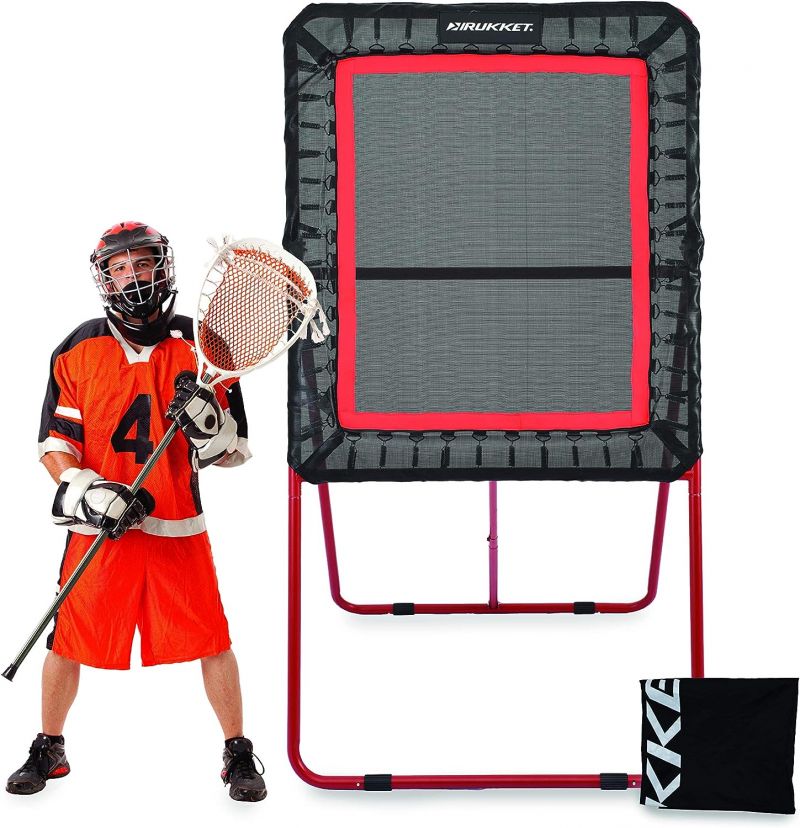
Getting in quality repetitions with your lacrosse rebounder is key, but real development requires making it part of your daily routine. Frequent skills practice leads to tangible gains in technique, IQ, and confidence over time.
Set aside at least 15-30 minutes per day for rebounder training. Work on fundamentals like scooping, cradling, passing, catching shooting and footwork. Vary drills and games to keep it engaging and challenging.
Gradually increase your volume of quality reps as skills improve. Track your progress over weeks and months for motivation. Film your form to self-scout areas needing refinement.
Follow workout schedules used by college and pro players during the offseason. Training aids like ball launchers can maximize repetitions. Practice game-like scenarios to sharpen instincts.
With daily skills training, your muscle memory, reactions, endurance and form will elevate. Make rebounder practice a habit; Over time, you will see significant gains in your consistency, confidence and overall lacrosse game.