Refining Your Shooting Technique With Rebound Practice
Developing precision shooting is vital for any lacrosse player looking to improve their scoring abilities. Nothing beats spending time firing shots against a rebounder wall to refine technique and hone in on accuracy. The instant visual feedback provided by observing your off-target rebounds bouncing back allows you to quickly identify flaws in your form and make real-time corrections. But don’t just wail away randomly at the wall! To optimize your improvement, set up a defined shooting zone marked off with tape or chalk and concentrate on hitting that spot consistently during practice. Start close-in to build fundamentals and then gradually increase distance to challenge yourself to laser tighter shots. Shoot low, bounce shots, side-arm, overhand – mix it up to develop dexterity. The rebounding wall enables you to smoothly transition from shot to catch and back to your next attempt without chasing balls or requiring a partner. This maximizes your repetitions and productive practice time. Keep track of your hits and misses and always end a session by nailing 10 perfect shots in a row at your target. Your shooting percentage and on-goal accuracy is guaranteed to rapidly rise after regular rebound shooting sessions.
Choosing The Best Wall Design For Your Rebounder
When installing a lacrosse rebounder wall in your backyard for practice drills, it’s important to carefully consider the wall design to ensure optimal ball reaction and performance. The rebounding characteristics of your wall can make or break the effectiveness of your solo shooting, passing and handling work. Here are key factors to take into account:
Surface Material – For lacrosse ball rebounders, a completely smooth surface like drywall, concrete or plywood can cause erratic, unpredictable bounces. A slightly textured surface helps grab the ball just enough to control the rebound angle and speed. Many lax walls use wood panels with grooves or spaces to provide the ideal friction. Outdoor turf walls mounted on a hard backing optimize grip and consistency in all weather conditions.
Wall Angle – The angle of your rebounder surface will directly impact the ball return. A 90 degree perpendicular wall provides the fastest rebound, while more angled walls between 60-75 degrees slow the ball speed for easier control and more reps before chasing rebounds. Consider your skill level and needs. Beginners benefit from slower rebounds while advanced players gain more from quicker ball returns.
Size – The overall size of your wall target area will determine the spread of your rebounds and range of practice opportunities. A minimum 4ft x 8ft area is recommended, but larger is better for passing and group training. Vertical height is also a factor – walls in the range of 4-6ft high provide a generous rebounding surface from all types of shots and passes.
Portability – Stationary permanent walls allow precise shot targeting and consistency, while portable rebounders offer flexibility to move, angle and store as needed. Freestanding panels can be positioned at different spots as training demands. Consider your space and portability requirements.
Goal Opening – Many lax walls have a built-in goal opening at field regulation size – 6ft x 6ft for men, 5ft x 5ft for women. This allows shooting practice through an actual goal space above a rebound area to sharpen your targeting and accuracy. Look for walls with this option or add a detachable goal.
Ball Stop – Well-designed rebounder walls will include some type of ball stop above the rebound surface – often an angled top lip, netting or overhanging panel. This contains wild high shots from scattering all over and also protects fencing or objects behind the wall from ball damage.
Durability – Outdoor rebounder walls take a beating from heavy lacrosse ball impacts in all weather conditions. Seek the most durable, resistant materials that can stand up to years of use. Solid wood, thick polyethylene or reinforced metal panels are ideal wall materials.
Visibility – For the best training experience, opt for wall colors that make it easy to track the ball in flight and see your rebounds clearly. White provides the highest visibility, and some walls feature colorful target areas. Avoid walls with dark colors or complex patterns.
Cost – With both DIY and commercial options, lax wall rebounders range widely in cost from $50 to $2000+ depending on materials, size and features. Consider your budget but note that higher quality durable walls with optimal ball response characteristics are a wise investment.
Installation – Will you mount your rebounder permanently on fence posts or a frame? Or are you seeking a portable freestanding wall? Installation time and complexity may factor into your decision. Seek walls with easy assembly.
By carefully evaluating these key factors above, you can select the ideal lacrosse rebound wall design to maximize your solo practice effectiveness and take your game to the next level.
Choosing The Right Lacrosse Ball For Rebounder Wall Practice
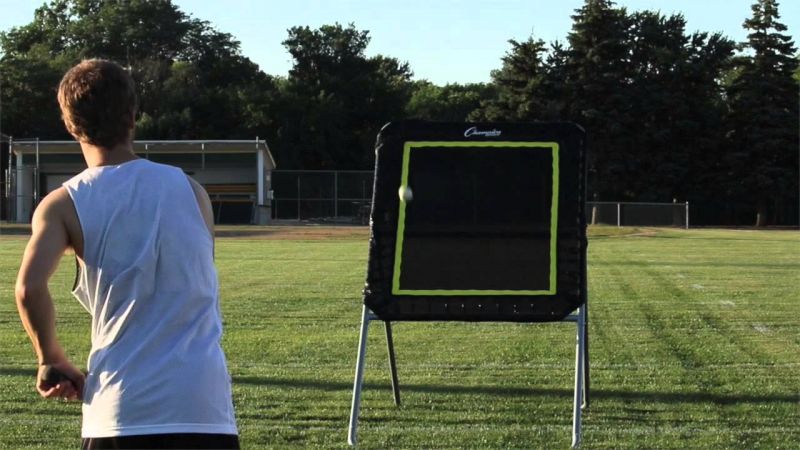
The characteristics of your lacrosse ball can significantly impact the effectiveness of solo wall ball training. Not all balls rebound the same off wall surfaces. To maximize your development from rebounder workouts, it’s important to select a ball with the right features to complement this type of practice.
Ball Hardness – Harder balls provide the liveliest rebound off a wall for the fastest returns. This challenges reaction time and hand-eye coordination. Softer lacrosse balls absorb more impact and bounce back slower for easier control. Great for beginners focusing on fundamentals. Mid-level hardness offers a balance.
Cover Material – Most lacrosse balls have a solid rubber exterior, but some use softer materials like indoor balls covered in foam or fleece. The more texture and grip on the cover, the less speedy the rebound. Smooth rubber balls play the fastest off the wall. Consider ball cover grip vs speed tradeoffs.
Ball Weight – Heavier balls around 5-5.5oz provide the truest rebound. Lighter balls below 5oz tend to have less predictable bounces. Use regulation weight for most legit wall ball practice. But lighter balls allow developing players to throw and handle easier.
Ball Size – The standard for men’s lacrosse balls is 7-8 inches circumference. Women’s balls are a slightly smaller 6-7 inch circumference. Use a ball matched to your stick head size – pocket control will be far easier. Oversized and mini balls rebound differently.
Whitewall vs Colored – Solid white lacrosse balls are the most visible in flight against rebounder surfaces for optimal tracking. Colored balls may visually blend into surroundings. White provides best feedback.
New vs Used – Brand new balls are slick and play the fastest off the wall. As balls get use, the cover breaks in for improved grip and control. New balls are unpredictable. Well broken-in balls rebound truer. Rotate your wall balls.
Weather Resistance – In damp or cold conditions, softer balls or those with textured covers perform better than hard slick balls prone to slipping. Cold weather balls rebound better in low temps. Consider your climate.
Budget – Basic recreational balls cost under $5 each while higher end balls run $15-30+ apiece. Premium materials improve durability and consistency. Buy bulk packages for economy and rotate fresh balls in.
Brand Reputation – Trusted lacrosse brands like Brine, Warrior, STX, and Maverik engineer balls for optimal rebound qualities. Compare brands and reviews in your ball selection.
By taking into account all factors above – hardness, cover, weight, size, color, age, weather, budget and brand – you can select an ideal lacrosse ball for your rebound wall training needs. Dial in the right ball for you to get the most improvement from your wall ball workout time.
Enjoy Exciting Wall Ball Competitions for Extra Motivation
It’s easy to get bored just repetitively throwing and catching against a rebounder wall solo. Spice up your wall ball lacrosse training by turning your practice time into fun competitions! Introducing games, point scoring and challenges against the wall or competitors will boost enjoyment, engagement and motivation while still developing your skills. Here are some lively wall ball contest ideas to try:
Knockout – Just like basketball knockout drills, stand in a line with players taking shots at the wall target area. Rebound catches count as points, misses or drops eliminate you. Last player standing wins. Great for shooting practice and handling under pressure.
Around the World -Choose different spots to shoot from like layup spots in basketball. Take turns shooting from each spot. First to hit all spots and score from each line wins. Fun for accuracy.
Lightning – Set a time limit like 30 seconds. Take shots rapidly against the wall and have players count successful catches. Highest number scored within the time wins. Tests shooting stamina.
Team Contests – Split into teams for contests like most catches in a set time, most rebounds without a miss, fastest to reach 10 catches, etc. Engages peer motivation.
Time Attack – Choose a set number of wall ball reps like 50 catches. Players race against the clock for best time to complete them all. Great for conditioning and focus.
Dot Drills – Stick dots around target area. Call out random dot colors. Players shoot at dots called as quickly as possible. Enhances rebound reaction time.
Partner Challenges – Compete 1-on-1 with a partner at the wall: first to 10 rebounds, most catches within a minute, etc. Fun head-to-head format.
Off-Hand Contests – Running comps catching with your weak hand improves overall ball control. Fumble penalties add risk/reward element.
Fitness Challenges – Combine wall ball with burpees, jumping jacks or sprints for multifaceted conditioning games.
Trick Shot Challenges – Players take turns attempting crazy highlight reel shots off the wall – behind the backs, off the bounce, blindfolded, etc. Spurs creativity.
Memory Tests – Competitors repeat increasingly longer catch/throw sequence patterns without fail. Challenges focus, sequence recall and handling.
Keep score, gain points for wins and crown an overall wall ball competition champion after a set session time or number of games. Infusing your rebounder training with fun peer contests and games ensures you stay fully engaged and makes skill repetition enjoyable!
Sharpen Your Passing Technique Against The Wall
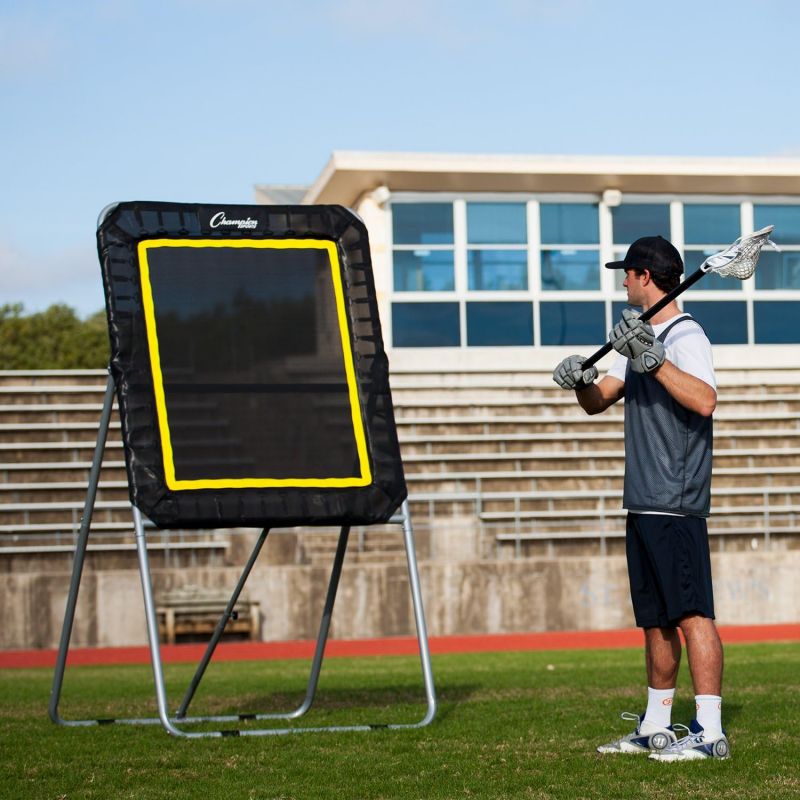
The lacrosse rebounder wall is a perfect training tool for developing crisp, accurate passing. Dialing in your fundamentals off the wall before adding the pressure of a moving target or defender is key. By controlling the speed and angle of your wall passes, you can work on refined form, tight release and pinpoint placement that leads to improved on-field execution. Here are useful rebounder drills for honing every type of pass:
Catch and Release – Simple rapid-fire catch, cradle and pass sequences build muscle memory for smooth mechanics. Focus on tight motions from stick to release. Vary pass speed and angles. Move around the wall to pass from different spots and arm slots. Keep the ball moving quickly and smoothly with control.
Placement Passing – Set up cones or markings on the wall to target specific zones. Aim your passes to hit those designated contact points to improve precision aim. See how small an area you can consistently hit from increased distance.
Situational Passing – Practice specific in-game type passes like quick sticks, check-dodging feeds, outlet passes on the run. Mimic real passing movements. Move and pass against the wall as if guarded by a defender.
Passing Approach Angles – Work on opening your body for optimal passing leverage and motion by intentionally taking indirect angles to the wall target before delivering your pass. Avoid the habit of direct square-on passing.
Off-Hand Passing – Challenge your weak hand by alternating right and left handed passes against the wall. Your overall coordination and dexterity will improve from developing split-handed confidence.
Deflection Passing – Intentionally ricochet wall passes off angled rebound surfaces, corner edges, the ground or your stick to work at adjusting to errant hops and maintaining accuracy.
Change of Speed – Mix up pass velocity from soft touch feeds to blistering heaters. Control both ends of the spectrum. Use wall rebound speed to gauge power. Master regulating passing speed.
Pass-Shot Combos – Quickly alternate passing and shooting off the wall rebound to develop smooth transitions handling to passing and passing to shooting for combo execution.
Passing Games – Time how many consecutive 1-touch passes you can make off the wall, or see how many rapid exchanges you can complete in 30 seconds to build quick stick skills.
Adopting a regular lacrosse rebounder wall passing regimen using drills like these will soon make crisp, confident passing second-nature. As your technique improves through repetition, your passing performance on the field will reach a new level.
Smoothing Out Your Cradling Skills With Rebounder Work
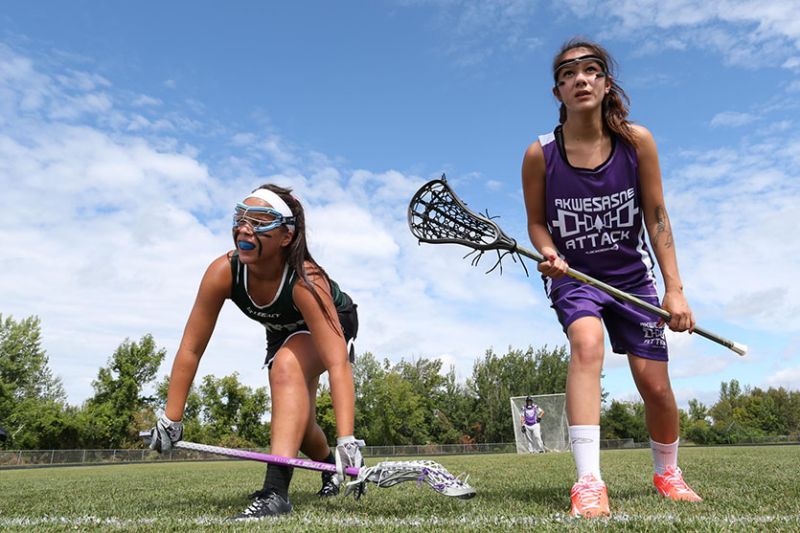
The lacrosse cradling motion is crucial for maintaining ball control during dynamic play. Mastering a diversity of cradling techniques will improve your handling abilities. The wall rebounder provides an ideal practice surface for refining a smooth, consistent cradle. As the ball quickly returns, you must cradle fast to catch and reset quickly for your next rep. Here are cradling skills to drill:
Alternating Right/Left – Switch back and forth cradling right and left handed during the wall exercise. This builds dexterity on both sides for adapting during play.
Cradling Angles – Work on sideways and angled cradling approaches to receive unpredictable wall bounces from all directions. Don’t just cradle straight head-on.
Cradling Exit Angles – Concentrate on how cleanly you exit the cradle before your release. This transitions the energy smoothly from cradle to pass or shot.
Change of Speed – Mix up the pace of your cradling from controlled and poised to lightning quick snaps. Practice regulated acceleration and deceleration.
Contact Cradling – Keep ball nearly still and barely rolling during the catch. Improve your ability to absorb force and control the ball in contact situations.
Quick Stick Cradles – Execute rapid catch and immediate timed release motions with minimal cradle. Develops fast hands and reactive reflexes.
Fake Cradles – Work on shot fakes and jab fakes during the wall cradle motion. Sell your fake body and stick action then smoothly cradle out.
Bonus Cradles – Add rear-side and face-side cradles after the rebound catch to work bonus moves into your sequenced pattern.
Toss Cradles – Lightly toss the ball against the wall and quickly cradle the reception to handle errant catches. Enhances adjustment reflexes.
Defensive Dodges – Perform a variety of split, roll and face dodges as part of your cradle sequence to mimic game evasion moves.
Fitness Cradles – Combine cradling with agility ladder footwork at the wall for conditioning and coordination drills. Add sprints or floor work.
Cradling mastery is integral to advancing as a lacrosse athlete. Dedicating solo rebounder wall time to diversifying your cradle technique ensures you will have the stick skills to prevail in any game situation.
Build Slick Stick Skills With Wall Ball Training
Flashy stick handling ability allows lacrosse players to manipulate the ball with quick dexterity to create space from defenders. The wall rebounder is the perfect environment to drill the fast hands and rapid reactions needed for slick handling technique. As the ball zips back at high speeds off the wall, you must sharply catch and smoothly transition into cradling and passing. This tunes up your hand quickness. Here are useful wall ball stick handling drills:
Quick Sticks – Immediately passing back off the wall rebound without cradling forces your hands to reflexively catch and release with precision timing. Start slow and controlled then increase speed.
Box Drill – Make a box pattern on the wall with four target points. Rapidly hit each point in sequence with catch/pass stickwork to connect the dots and handle in all planes.
Off-Hand Drills – Challenge your weak hand with specialized catch/passes and cradling reps off the wall to develop dexterity.
Reaction Ball – Have a partner randomly toss balls from different angles at you to catch and handle against the wall. Keeps you on your toes.
Deflection Catching – Intentionally vary your wall passing angle so the ball rebounds off corners and edges for tricky hops to field. Forces quick adjustment.
Between the Legs – Catch balls as they rebound through your legs to work on behind-the-back handling skills crucial in tight coverage.
Add Movement – Backpedal, sideshuffle, and change direction as you catch off the wall to mimic dodging in traffic and handling on the move.
Toss Catches – Underhand toss the ball against the wall and try to catch your tricky release one-handed, in the rear pocket, or behind your back to challenge your reflexes.
Fitness Handles – Add in burpees, jumps, and sprints in your wall ball handling routines to build conditioning while handling fast.
Keep Away Contests – Draw a zone on the wall and compete to complete the most consecutive catches from inside the zone without turnover against a defender.
Sharpening your quick-action hand skills through these types of wall ball stick work drills will soon make you a difficult matchup one-on-one and give you an edge dodging through the defense.
Dial In Your Shooting Accuracy Off The Wall
Precision shooting is a must for any lacrosse player. The wall rebounder provides the perfect practice surface for honing in your shot accuracy. As you fire repeated shots off the wall, you gain instant feedback on shot placement, allowing you to self-correct and zero in on any target area with repetition. Here are productive rebounder shooting drills for improving accuracy:
Bullitt’s Eye Drills – Draw or attach a bullseye target on the wall. Take shots aiming for the inner rings to refine precision shooting at a defined spot. Move further away as accuracy improves.
Small Target Shooting – Challenge yourself by placing a small box or strip of tape on the wall to shoot at. Dialing in tight shots forces you to focus on technique and aim.
Spread Shooting – Place marks in the upper left, upper right, lower left and lower right quadrants on the wall. Hit each spot from straight on and angled passing approach angles to diversify shooting direction.
Reaction Shooting – Have a partner rapidly call out different target spots on the rebounder wall and fire quick reaction shots at each spot named, focusing on fast adjustments.
Rapid Fire – Test shot stamina and consistency by shooting as many balls as possible within a timed period at a designated target area. Use the clock to push your limits.
Range Shooting – Start close with simple goals like 10 swish shots in a row into a goal banner. Then take a step back and repeat the process, gradually increasing distance.
Pinpoint Possession – Set up possessions with a purpose, like shooting only high corners or low angles. Be precise with your shot selection.
Deflection Shooting – Intentionally bank shots off the edges and corners of the rebounder to work on adjusting to errant passes and maintaining accuracy through the bounce.
Shot-Pass-Shot – Quickly alternate catching the rebound and shooting to simulate in-game shot opportunities in rhythm.
The wall doesn’t lie – it will expose any flaw in your mechanics or consistency. By training regularly with these shooting challenges, you’ll gain the pinpoint targeting and sharpshooting abilities to bury your shots when it matters most.
Develop a Lightning-Quick Shot Against the Wall
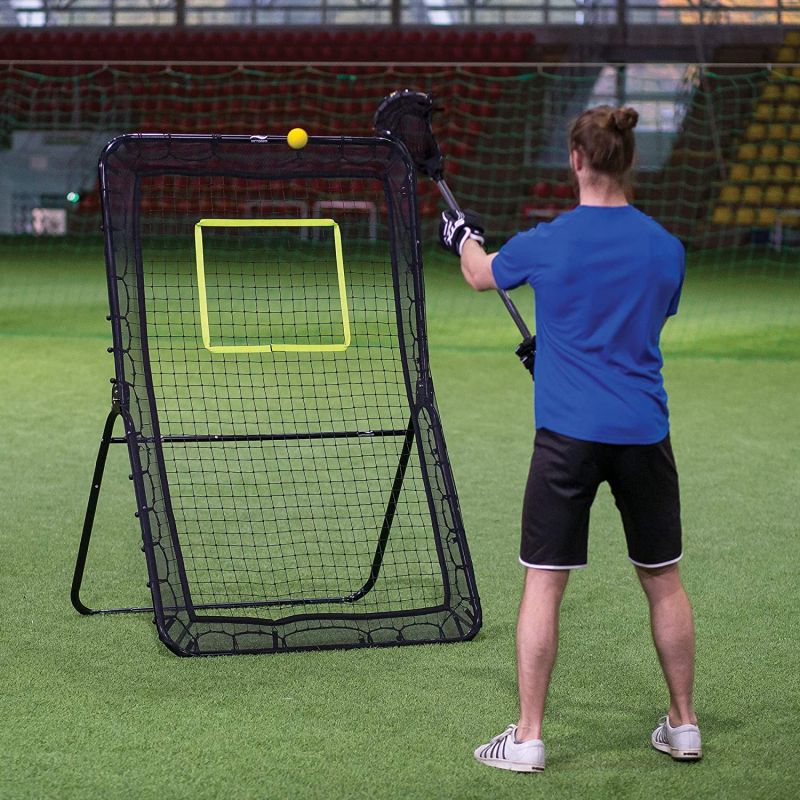
In the fast-paced lacrosse game, the ability to unleash a quick-trigger shot before defenders can react is a huge offensive advantage. The wall provides an ideal practice surface for refining a lightning-fast release. As the ball rapidly rebounds back, you must shoot it right back off the catch in fractions of a second. Your shooting motion will become tightly compressed and second nature. Here are quick-release shooting skills to drill:
Catch-and-Shoot – Master the smooth sequence catching the rebound and immediately shooting in one rapid, continuous motion. Remove any extra movement.
Quick Stick Drills – Directly shoot balls back off the wall rebound without cradling in between. Take away the cradle to isolate and maximize shooting speed.
Reaction Shooting – Have a partner randomly yell “Shoot!” and fire off instant reaction shots at the wall target. Tuned reflexes are key.
Speed Ladders – Incorporate lateral speed ladder footwork into your quick shooting to connect upper and lower body speed execution.
pyramids – Do rapid succession catch-and-shoot sequences like 1 rep, 2 reps, 3 reps etc up to 10 then back down to 1 again. Tests stamina under time pressure.
Defender Shooting – Have a partner apply token pressure as you catch off the wall and work on shooting through it. Maintain form against resistance.
Shooting Sprints – Stand further from the wall and sprint in as the ball rebounds to catch on the run and shoot dynamically at full speed.
Shot Clock Shooting – Mimic the sense of urgency with a shot clock – shoot within 1-2 seconds max off the catch. Enforces quick trigger discipline.
Overload Training – Wear a weighted vest during catch-and-shoot reps to build arm strength. Shed it for lighter, faster shooting.
Speed and quickness are everything for releasing shots in crowded game situations. Wall ball quick shooting practice will soon have you burying goals before opponents can even react!
Improve Your Dodging Technique Off The Wall
Dodging is key to creating separation from defenders in lacrosse. The wall provides an ideal practice surface for sharpening your dodging footwork and skills. As you catch balls returning quickly off the wall, you can rehearse your full catalog of splits, rolls, fakes and cuts at game speed in a simulated live dodging situation. Reaction and repetition against the wall hones evasive quickness and technique. Here are productive dodging drills:
Standard Dodges – Execute all your go-to moves – split dodges, roll dodges, face dodges, swim moves, etc. – as part of your wall ball routine to build muscle memory.
Combo Dodges – Chain together multiple dodge types in sequence off the catch to develop dodge combinations and transitions like split-to-roll or swim-to-face dodges in fluid motions.
Fake Dodges – Work on shot fakes, pass fakes, head fakes, jab steps and stutter steps to set up your dodge. Sell the fake then accelerate out.
Footwork Drills – Incorporate agility ladder, jumping and ladder drills as you catch off the wall to connect upper and lower body dodging mechanics.
Direction Changes – Plant, pivot and change direction off your dodges. Circle back. Don’t just dodge straight ahead. Develop multidirectional evasion.
Dodge Shooting – Dodge then catch and shoot in one fluid motion off the rebound catch to simulate shooting off an in-game dodge.
Dodging Contests – Compete 1-on-1 with a defender at the wall, dodging back and forth across a line to develop live dodging skills.
Overload Training – Wear resistance bands around your legs or a weighted vest to push your power and quickness during dodges.
Fitness Dodging – Combine your dodges with sprints, jumps and agility drills for conditioning. Maintain form when tired.
Defensive Prep – Have a partner press you as you work on dodges and cuts against the wall to mimic real in-game defense pressure.
The wall doesn’t fall for fakes and fully tests your footwork. Refining your dodging skills through these drills translates directly to slippery effectiveness beating defenders on the field.
Simulate Live Defensive Situations Against The Wall
Proper positioning and footwork are essential for playing smothering defense in lacrosse. The wall provides an ideal environment to drill defensive fundamentals in a live-action setting. Have a partner simulate dodging an offensive player by catching balls off the rebounder and driving at you. As you mirror and shut down these movements, you’ll engrain game-like defensive reactions. Here are productive wall ball defensive drills:
Mirror Drills – Follow your partner’s every cut closely while they catch and cradle against the wall. Stay in their hip pocket to replicate guarding an offensive threat.
Approach Angles – Focus on taking optimal diagonal pursuit angles as you slide to the ball carrier at the wall. Never get caught square and flat-footed.
Stick Positioning – Use proper inside and outside stick leverage on the hands of the catcher at the wall to deny ball access and passing lanes.
Footwork Drills – Incorporate backpedaling, dropsteps, lateral shuffling and angle cuts into your defensive wall positioning for ideal technique.
Denial Defense – When your partner catches balls at the wall, practice on-ball denial positioning and work on poke check timing.
Recovery Speed – After playing position D at the catch, sprint to realign yourself in optimal defensive posture for the next rep.
Reaction Checks – Have your partner rapidly catch and spin off the wall rebound simulating dodger moves to test your reflexive positioning reactions.
Two-on-One – Now add a second offensive player catching off the wall and work on approaches and positioning defending the 2v1 overload.
Odd-Man Drills – Increase to 3v2 or 4v3 situations with offensive players catching off the wall and rehearse down-man defensive tactics.
Fitness Defense – Incorporate sprints, backpedals or shuffles during your defensive stand sequences to build conditioning in defensive footwork.
The wall won’t fake you out or lose focus. Drilling live-action defensive technique will soon make shutting down opponents second-nature and give you a major edge on game day.
Develop Lightning Reflexes Off The Rebounding Wall
Being able to react quickly is crucial in the fast-paced game of lacrosse. The speedy nature of wall ball drills forces you to refine responsive reaction time. As balls rapidly return off the wall at sharp angles, you must adjust your feet and stick quickly to field each unpredictable bounce. The more wall ball reps, the more your reflexes will tighten. Here are some drills to improve reactive quickness:
Reaction Catches – Have a partner randomly rapid fire balls off the wall to work on reflexively snagging erratic rebounds. Keep light on your toes and react – don’t overthink!
Deflection Catching – Intentionally bank wall passes off corners and edges to create off-speed bounces. React and adjust to handle the funky hops.
Between-the-Legs – Let returns rebound through your legs and quickly whip your stick around to snare balls behind you. Challenges backside reflexes.
Quick Stick Transitions – Immediately redirect the ball off the catch back at the wall with zero hesitation. Tuning your instant catch-and-release reaction is huge.
Reaction Dodging – As the ball returns, execute immediate dodge moves like splits and rolls without hesitation. Don’t allow yourself to pause and over-process.
Lightning Cradling – The instant the ball hits your pocket, get your cradle going. Don’t wait. Develop that hair-trigger cradle response.Fitness Reaction Drills – Combine reaction wall catches with sprints, jumps and agility moves. Maintain quick reactions even when fatigued.
Odd Angles – Have a partner redirect off-target passes at you from unusual angles around the goal to sharpen your adjustment to errant balls.
Vision Obstruction – Occasionally close or cover your eyes as the ball rebounds, relying purely on reaction time for the catch.
The wall forces you to react instantly without hesitation. Sharpening reaction quickness drills like these will soon make you a human highlight reel!
Preserve Your Lacrosse Skills Year-Round With Wall Ball
Lacrosse is often predominantly a spring sport. But just because your season ends doesn’t mean you can’t continue improving. A wall ball rebounder set up in your backyard allows you to keep sharpening your stick skills all year long. Making wall ball training a regular off-season activity ensures you don’t lose the handling, shooting and passing technique you’ve developed. Here are the benefits of off-season wall ball work:
Muscle Memory Retention – Frequent wall ball reps engrain proper mechanics deep into your muscle memory for second-nature reactions when spring arrives.
Handling Sharpness – Wall ball keeps your hands supple and stick handling reactions razor sharp through the dormant winter months.
Shot Accuracy – Don’t lose your shooting precision – routine wall ball maintains top shooting form.
Passing Precision – Run crisp passing drills off the wall to stay pinpoint with feeds and outlet passes when the real games begin.
Fitness Maintenance – The active nature of wall ball provides great conditioning to uphold your lacrosse fitness level so you don’t start from zero next season.
Competitive Edge – While most players rest in the off-season, your dedicated wall time gives you a skill advantage come spring tryouts and games.
Rehab Injuries – The low-impact nature of wall shooting and passing is ideal for safely rehabbing back from injuries during time off.
Prevent Rust – Wall ball literally knocks the rust off your game that sets in during long idle periods. Stay game ready.
Fun & Motivation – Wall ball workouts beat boring solo fitness routines any day. Have fun slinging the ball around while polishing your game.
Convenience – With a home rebounder, you can put in quality stick work anytime without needing a practice field or cleared driveway.
The wall gives you zero excuses for losing lacrosse reps during the off-season. Don’t surrender your hard-earned skills – use wall ball to build on them all year long!
Optimize Wall Ball Improvement With Adequate Rest Between Reps
It’s easy to get overeager and sprint nonstop into your wall ball routine until you’re dripping in sweat. But without proper intermittent rest, fatigue will soon set in compromising technique, performance and injury risk. Intelligently regulating activity and rest during your rebounder training optimizes skill development. Here are guidelines for ideal rest intervals:
Catch Your Breath – After high intensity spot shooting or passing bundles, pause to let your heart rate and breathing normalize before the next set. Don’t push into oxygen debt.
Full Recovery – For heavy overload strength training with weighted balls or resistance, allow 2-3 minutes rest between sets for muscles to fully regenerate ATP energy.
Reduce Lactic Acid – After a long series of floor fitness exercises between wall reps, take 30-90 seconds before hitting the wall again to clear lactate buildup and prevent soreness.
Recharge Focus – Clear your mind, reset your form or visualization after a miscue. Don’t just keep head-banging into the wall with wandering focus.
Hydrate – Stop to drink fluids if you sweat heavily. Don’t allow yourself to dehydrate, cramp up or fatigue from fluid loss.
Modify Rest for Intensity – The higher the intensity, the longer your rest period should be between reps to sustain max performance.
Active Rest – Jog in place, cradle gently or do mobility work during breaks. Don’t go totally cold before your next intense wall set.
Stick With It – Remain engaged during rest periods. Don’t wander off or get distracted. Regulate intensity then lock right back in.
Monitor Fatigue – If you find your form, power or accuracy falling off, extend your rest intervals or conclude your session. Don’t override your limits.
Rest is when your body adapts and improves. Don’t shortchange yourself by rushing between wall ball reps. Embrace smart rest intervals to maximize skill progression!
Selecting The Ideal Wall Ball Rebounder For Your Backyard
Installing a lacrosse rebound wall in your backyard will provide endless opportunities to sharpen your game through solo wall ball training. But with so many wall rebounder options now available, it can be daunting to decide which solution best fits your needs and budget. Here are the key factors to consider when choosing your backyard wall ball set-up:
Mounted vs Freestanding – Permanently mounted walls offer supreme durability, while portable freestanding walls provide flexibility in placement, storage and angle adjustments.
Wall Size – The bigger the rebounder surface area the better for variability. But ensure you have adequate open yard space for the wall dimensions.
Wall Angle – The more angled, the slower the rebound. 90-60 degrees provide the best ball return speed range. Be sure to factor wall angle into your decision.
Surface Material – Rough textured surfaces like wood or turf produce the most controlled, consistent ball response. Avoid ultra-smooth surfaces.
Wall Frame – Sturdy steel frames withstand high-velocity ball impacts better than wood or PVC pipe options. But they’re pricier.
Weather Resistance – For outdoor walls, focus onmaterials like galvanized steel, polyethylene and exterior plywood that can handle the elements.
Portability – Lightweight portable rebounder frames are easier to move and store but sacrifice stability. Heavier walls sit rock steady.
Added Features – Look for bonus attributes like slide-in goal overlays, ball catch nets, target markings and ball storage mounts.
Assembly Difficulty – Some complex systems take hours to construct. Seek walls with quick 15-30 minute step-by-step assembly for easier install.
Budget – Premium lacrosse walls run $1500+ but more affordable options under $500 are available. Set realistic expectations for quality and longevity.
Take the time to carefully evaluate which rebound wall attributes are most important for your training needs and space. Choosing the right backyard wall will pay dividends improving your game for years to come!