Finding the perfect pair of women’s lacrosse cleats can make all the difference in your game. With so many options on the market, it can be tricky to know where to start. Use these 15 tips to help narrow your search and find cleats that check all the boxes for fit, comfort, and performance.
Consider the Position You Play
Midfielders should prioritize lightweight cleats for speed, while defenders need stability and ankle support. Forwards and attack may want hybrid cleats with slightly more traction. Goalies need maximum ankle protection so high tops are ideal.
Choose the Right Cleat Type
Molded and detachable cleats each have pros and cons. Molded are comfortable right away but can’t be customized. Detachable need breaking in but let you swap out studs. Hybrid models offer versatility.
Get Properly Fitted
Don’t just guess your size – get properly measured each time you buy new cleats. Feet change over time and sizing varies across brands. A tight fit can cause pain and blisters while loose cleats raise injury risk.
Prioritize Comfort and Support
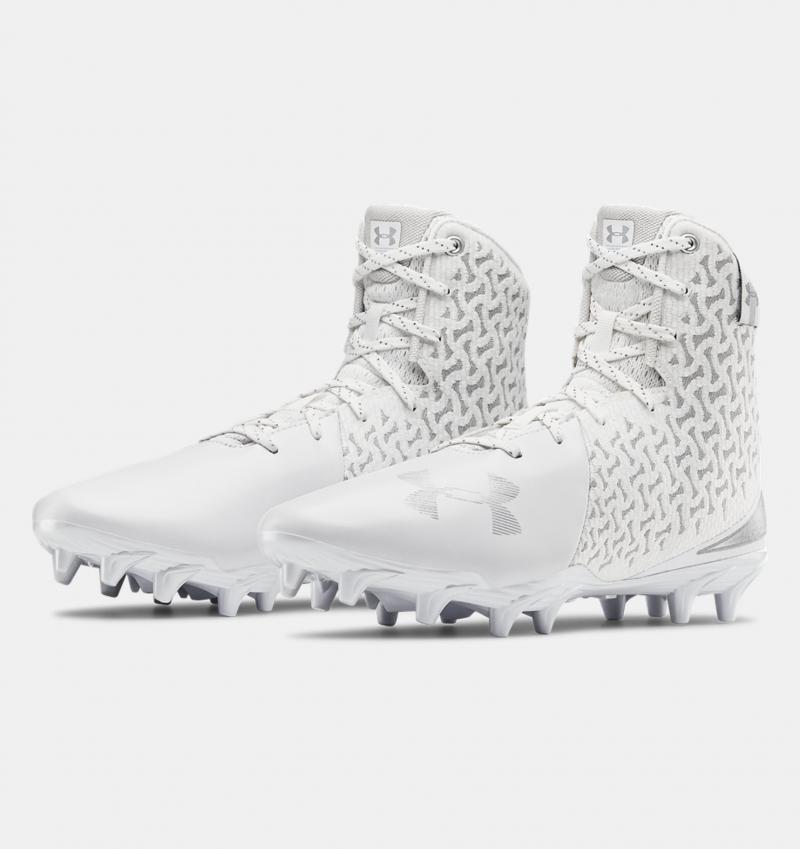
Cushioning and arch support prevent foot pain and fatigue. Look for breathable upper material to reduce sweating. Custom inserts provide personalized comfort if needed. Don’t settle for cleats that rub or feel awkward.
Focus on Ankle Stability
Cuts and lateral motion put a lot of stress on ankles in lacrosse. Seek out sturdy synthetic leather uppers and consider high tops or models with an external ankle brace for maximum protection.
Look for Lightweight Construction
Heavy cleats cause fatigue over the course of a game. Newer synthetics, foams and mesh panels cut down on weight without compromising structure and support in modern cleats.
Select the Optimal Stud Pattern
Short conical studs provide traction on hard-packed natural grass surfaces. Bladed studs give grip on soft, dewy grass. Turf shoes have lots of small rubber studs for artificial fields.
Choose Your Preferred Height
Low tops allow maximum ankle mobility while high tops offer more protection. Mid cut styles hit the middle ground. Height often depends on player position and field surface.
Consider Color and Style
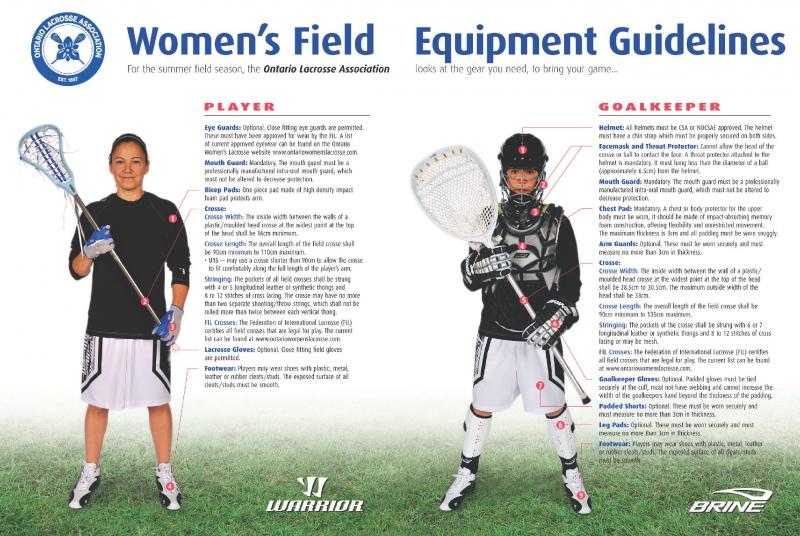
Today’s lacrosse cleats come in a huge array of colors to match team uniforms or player preference. Fortunately, performance factors are more important than looks!
Compare Brand Name Options
Big athletic brands like Nike, Under Armour and Adidas make popular cleats. Smaller lacrosse-focused companies offer niche models. Try on different brand fits to see what feels best.
Shop End of Season Sales
Look for discounted cleats online and in stores as one season ends and new models are released. Just make sure any old-model cleats you buy have a return policy in case sizing is off.
Read Online Reviews Before Buying
Research different cleat models online to compare durability, sizing/fit issues and comfort ratings before making a purchase. See what fellow players say after real-world wear and tear.
Buy a Half Size Up if Between Sizes
Feet swell during intense lacrosse activity. Buying cleats a half size larger leaves room for socks and orthotics while preventing pain from shoe compression.
Break Them in Slowly at First
Wear new cleats briefly around the house, then try a light practice before full games. This allows for a gradual break-in to prevent blisters and hot spots as the material molds to your feet.
Replace Cleats Annually for Best Performance
With all the cutting and lateral motion, lacrosse cleats lose their support and traction over time. Don’t wait for them to fall apart – get new cleats yearly to stay at the top of your game.
When shopping for women’s lacrosse cleats, one of the first decisions you’ll need to make is choosing between molded and detachable cleat styles. Both have their advantages and disadvantages to consider.
Choose the Right Cleat Type
Molded cleats have the studs permanently attached to the sole. They require no assembly and offer a comfortable fit right out of the box. The studs are uniformly distributed for even pressure across the foot. However, molded cleats don’t allow for any customization – you get the stud pattern as-is. They also can’t be repaired if individual studs become damaged or worn down.
Detachable cleats feature studs that can be screwed into threaded openings on the sole. This allows players to swap out studs and customize the placement and type for different field conditions. The downside is that detachable cleats usually need to be broken-in to achieve full comfort. It’s also easier to lose individual studs with these models.
When choosing between molded and detachable lacrosse cleats, consider your individual needs. Do you value immediate comfort and convenience? Then molded may be the way to go. Are you willing to sacrifice some break-in time in order to customize studs later? Detachable offers more versatility. There are also hybrid options that give you permanent front studs for traction combined with detachable rear studs for tuning the fit.
Test out both styles in the store to get a feel for the fit and comfort. If you rely on orthotics or prefer a very specific stud layout, detachable cleats make it easier to get the setup just right. For those who want to hit the field in comfort right away, molded cleats are appealing. With the variety available today, you can likely find options in both categories that perform beautifully once you break them in and get used to the feel.
The cleat type you choose depends on your priorities as an athlete. Ultimately, the right cleats are ones that fit your feet properly, offer sufficient support and traction, and don’t cause discomfort when breaking them in or playing in games. With the performance features of modern lacrosse cleats, both molded and detachable styles can deliver the excellence you need to excel on the field.
Finding the perfect fit is crucial when shopping for women’s lacrosse cleats. Don’t just guess your size or go with what you wore last season – take the time to get professionally fitted each time you purchase new cleats.
Get Properly Fitted
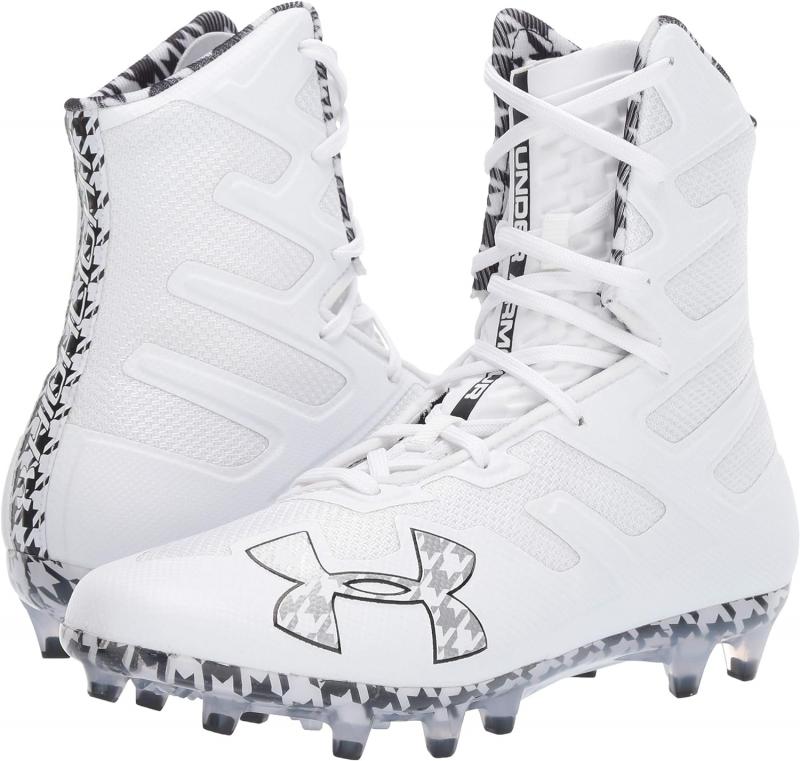
Feet change over time, so you can’t rely on your size from years past. It’s important to get your feet measured whenever buying new cleats, even if you’ve been the same size for a while. Different shoe brands and models vary in their sizing and fit as well. The only way to know your current size in a particular cleat is to try it on and get fitted.
When being fitted, wear the same type of socks you plan to wear for games and practices. This will better mimic the actual fit when you have your uniform on. Have your feet sized while standing with your full weight on them to replicate how they’ll feel on the field. Cleats should fit snugly but not be uncomfortably tight. They will loosen up slightly as you break them in.
A proper lacrosse cleat fit means your toe has about a thumbs width of space between it and the front of the shoe. Your heels should not slip when you run, cut or jump. Wide and narrow width options can help dial in the perfect fit if your feet don’t conform to standard sizes.
Ill-fitting cleats almost guarantee pain and foot problems down the road. Cleats that are too small can cause blisters, jam your toes together, and lead to ingrown toenails and more severe foot injuries. Oversized cleats raise your risk for rolled ankles and other ankle injuries as your feet slide around unrestrained inside them.
With regular fittings, you can account for the subtle changes our feet go through over the years. Don’t settle for generic sizing charts or measurements from your youth. Take the time to get sized by a professional before buying new cleats each season. Your feet will thank you when they’re comfortable and injury-free all season long.
When evaluating women’s lacrosse cleats, two critical factors to prioritize are comfort and support. The cleats you choose should feel great right when you put them on and provide your feet with stability during intense game action.
Prioritize Comfort and Support

Cushioning is key for keeping feet comfortable and reducing fatigue. Look for cleats with good arch support as well – this alleviates foot pain and plantar fasciitis. Breathable woven synthetic uppers help keep feet cool and dry instead of hot and sweaty during games.
Consider getting custom orthotic inserts if you need extra stability or have ongoing foot issues like pronation or high arches. They can provide personalized comfort and support aligned to the unique contours of your feet.
The cleat collar around the ankle should be adequately padded to prevent biting and chafing. Make sure any seams or stitching inside the shoes don’t cause irritation by rubbing against your skin.
Don’t settle for cleats that have any pinching, heel slippage or discomfort when you try them on. Breaking them in shouldn’t involve pain. The shoes may loosen up over time but should start out feeling great right away during fittings.
Take the cleats for a test run on the field once you’ve bought them to get a feel for support and traction on lacrosse turf before taking them into full game action. Focus on comfort during cuts, accelerations and abrupt stops.
Shopping for cleats is about more than looks and colors. Be sure to carefully evaluate how the shoes make your feet feel when moving in all directions. The right fit and construction can provide the foot support you need to stay strong and injury-free all season long.
Ankle support and stability should be top priorities when selecting women’s lacrosse cleats. The lateral motion and cutting involved in the sport place a lot of force on ankles, so proper protection is key.
Focus on Ankle Stability
Look for lacrosse cleats constructed from rigid, durable synthetics that provide structure to resist rolling. High-top styles that extend above the ankle offer maximum stability. Some shoes also incorporate external ankle braces into the design for added reinforcement.
If opting for a low-top style, make sure the collar around the ankle opening is well-padded and grips your ankle securely. This enhances stability during those pivotal sideways movements on the field. Cleats with asymmetric collars can also lock the heel in place while allowing ankle mobility.
Consider your typical playing surface too – turf or hard-packed natural grass fields may warrant more ankle coverage than soft grass fields with more give. Stadium lights at night can also cast shadows and hide divots, increasing ankle twist risk.
Pay close attention to how your ankles feel during those burst sprints, cuts and dodges at full speed when testing out new cleats. Any instability or ankle slippage is a sign that a model may not offer sufficient support for the demands of lacrosse.
Don’t forget that cleats loosen up over time as the materials break down. For ongoing protection, replace cleats annually or if you notice the stability decreasing substantially. With the pounding lacrosse puts on your ankles, proper cleat support makes all the difference in staying injury-free.
Look for Lightweight Construction
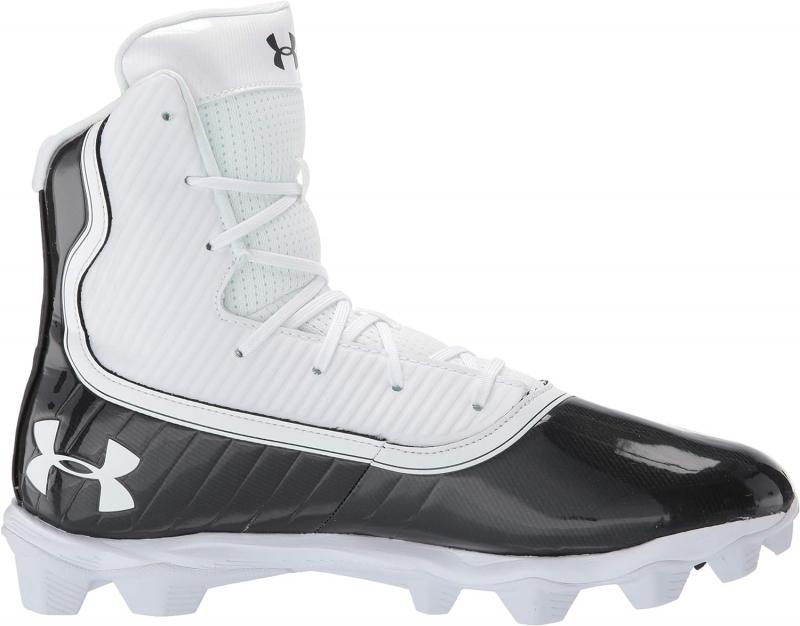
When shopping for the perfect pair of women’s lacrosse cleats, one of the most important factors to consider is the weight. Cleats that are too heavy can weigh you down on the field and slow you down. Look for cleats made with lightweight synthetic materials that won’t drag you down. Many of the top athletic brands now use ultra-light synthetics and mesh materials to cut down on weight. Try on a few different pairs and jog around the store a bit to test out the weight and feel. Look for a cleat that is supportive but still feels light on your feet.
Focus on Finding the Right Fit
Along with a lightweight feel, the right fit is critical for women’s lacrosse cleats. Ill-fitting cleats can lead to blisters and other foot issues that get in the way of your performance. When trying on lacrosse cleats, wear the type of socks you’ll be playing in to ensure an accurate fit. Your toe should be about a thumb’s width away from the end of the cleat when standing. The width should gently hug your foot without pinching. Walk around and lightly jog to get a feel for the fit. The heel and midfoot should be snug with minimal slipping. Taking the time to find a well-fitted cleat makes a big difference in comfort and prevents injury.
Consider Cleat Style

Women’s lacrosse cleats come in three main styles: low-cut, mid-cut, and high-top. Low-cut cleats are the lightest and offer the most freedom of movement and speed. Mid-cut cleats provide a bit more ankle support and stability. High-tops fully support the ankle and are bulkier. Consider your position and needs. Speedy attackers may prefer a lightweight low-cut, while defenders benefit from the ankle protection of a high-top. Some athletes choose high-tops for one foot and low-cut for the other. Try on all three styles to see what works best for you.
Examine Traction and Studs
The studs and pattern on the bottom of the cleat provide traction and grip for quick cuts, acceleration, and change of direction. For women’s lacrosse, a hybrid stud pattern works best. Look for cleats with both bladed and conical studs. The bladed studs provide excellent traction for straight-line speed, while the conical studs give multi-directional grip for fast cuts and pivots. The placement and shape of the studs vary by brand and model, so inspect the bottoms closely when shopping. You want a balance of stability and maneuverability. Try outdoor models on a grassy area to test traction.
Prioritize Comfort and Support
While performance factors are important, comfort should also be a top consideration. Look for lacrosse cleats with a secure heel counter for stability as well as adequate cushioning and arch support. A dual-density foam footbed can offer support and comfort where you need it most. Ensure the cleat collar has ample padding for preventing blisters around the ankle. Break in new cleats before game time to maximize comfort. Don’t sacrifice fit and feel just for a certain look. Your feet will thank you during those tough games.
Choose Cleats for Your Position
Women’s lacrosse cleats are designed with specific positions in mind. Midfielders are best suited for lightweight, low-cut cleats that offer speed and freedom of motion. Defenders benefit from supportive, protective high-top options. For attackers, mid-cut cleats can provide a balance of stability, traction and maneuverability. Goalies need flexible cleats with maximum traction and protection. Those playing multiple positions may lean toward a versatile mid-cut. Think about your needs on the field and look for features that match your position.
Budget for New Cleats Yearly
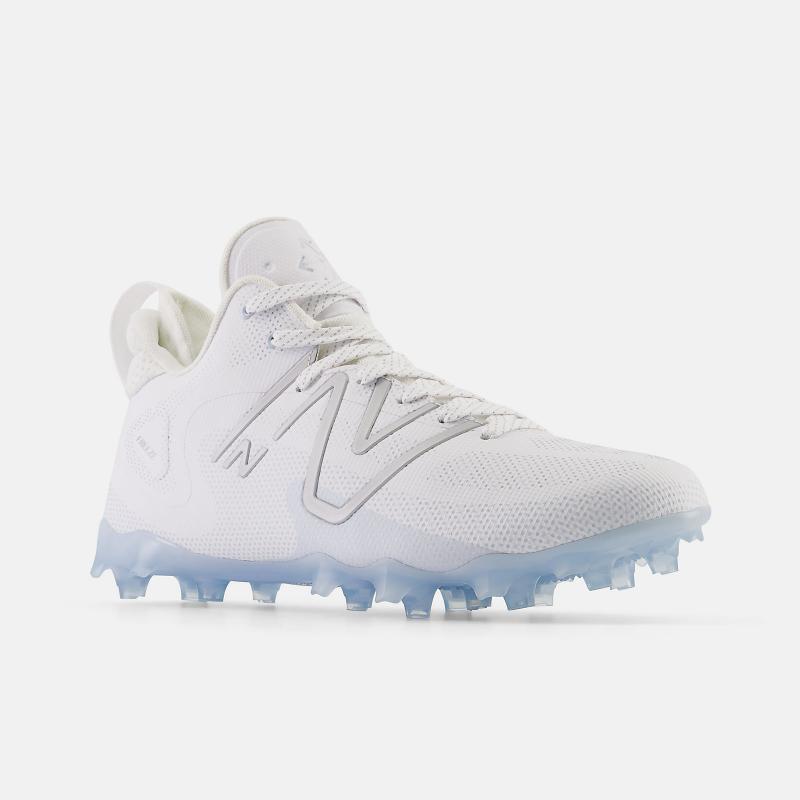
Plan to invest in new women’s lacrosse cleats on a yearly basis. The average lifespan for a pair of cleats is one season. The foam cushioning and treads get compacted and worn out through heavy use, lessening performance and comfort over time. Old, worn cleats with poor traction put you at risk for injury as well. Set a budget that allows you to get a quality new pair each season so you get the technology, materials and design you need for your best play.
Shop End of Season Sales
One way to stick to your lacrosse cleat budget is to shop end of season sales. Retailers will discount last year’s styles to make room for new models. You can often find great deals on top brands. Try looking for sales in the off-season around October to December. You may be able to score deals on the previous season’s top cleats at a fraction of the original price point. Just be sure to try them on for fit as sizing and styling updates year to year.
Break Them In Properly
Be sure to properly break in new women’s lacrosse cleats before game time. Wear them around the house to begin stretching and loosening up the materials. Then use them for practices, slowly increasing wear time as comfort allows. Never wear brand new cleats right out of the box for a full game or you risk painful blisters and foot issues. Give your feet about two weeks to adjust to new cleats. Keep a little mole skin or bandages on hand just in case.
Consider Custom Options

Some brands offer fully customized women’s lacrosse cleats for a perfect fit. You can choose the colors, materials, stud pattern and more. Custom cleats are then built to match your feet for maximum comfort and performance. While more expensive than off-the-shelf options, customization ensures you get the features you want. If you have specific fit needs or chronic foot issues, it can be worthwhile. Expect a 4-6 week turnaround time when ordering custom cleats.
Choose Your Style
Today’s women’s lacrosse cleats come in a huge array of colors, prints and styles. While fit and performance should be the top priorities, you can also express your personal flair. Bold prints and bright pops of color are on trend. Schools colors and team logos are popular choices. White provides a classic, sleek look. Consider if you want your cleats to stand out or blend in. Make sure to coordinate your footwear with the rest of your gear.
Finding the perfect pair of women’s lacrosse cleats involves considering many factors from fit to traction to comfort. Taking the time to shop carefully will ensure you get footwear that enhances your performance on the field. With the right cleats, you can cut, pivot and run your best during every game of the season.
Select the Optimal Stud Pattern
When picking out the perfect pair of women’s lacrosse cleats, one key factor to examine closely is the stud pattern and traction elements on the outsole. The configuration, type, and placement of studs and blades greatly impacts your performance, grip, and mobility on the field. Selecting a cleat with the optimal stud pattern for your position and style of play is crucial.
Balance Traction and Flexibility
The lacrosse field requires shoes with traction elements that can handle frequent pivots, cuts, accelerations and stops. However, the studs must also allow for natural foot flexibility and movement. Look for women’s lacrosse cleats with a stud pattern that provides multidirectional traction without restricting motion. Testing out stud placement on grass can help assess if the cleat offers both grip and flexibility.
Blades Enhance Speed
Bladed studs often placed at the toes and heels give excellent traction for forward sprinting and straight-line speed. The elongated blade shape grips well moving front to back. For lacrosse players who rely on raw speed, choosing cleats with multiple bladed studs can provide that extra burst. Focus on strategic stud placement and bladed shapes to optimize fast footwork.
Cones Aid Maneuverability

Conical or rounded studs deliver grip for quick changes in direction. Their shape allows traction side-to-side and at angles. For lacrosse athletes who need to cut, pivot and twist, conical studs aid agile footwork. Look for women’s lacrosse cleats with cones placed along the outside edges and arches to support lateral motions.
Focus Studs at Key Points
Stud placement should align with the natural pressure points of the foot. Look for concentrions of studs at the forefoot where toes push off, the outer edges for cuts, and heel for stops. Well-placed studs reinforce grip where you need it most for your position. Don’t overlook the midfoot either – a few stability studs here can prevent rolling or injury.
Vary Stud Height
Varied stud heights allow traction on different field conditions. Some brands engineer short studs for hard natural ground and longer studs to penetrate softer grass. For the most versatility, look for women’s lacrosse cleats that incorporate a mix of stud heights. This ensures you maintain grip no matter the surface.
Consider Removable Studs
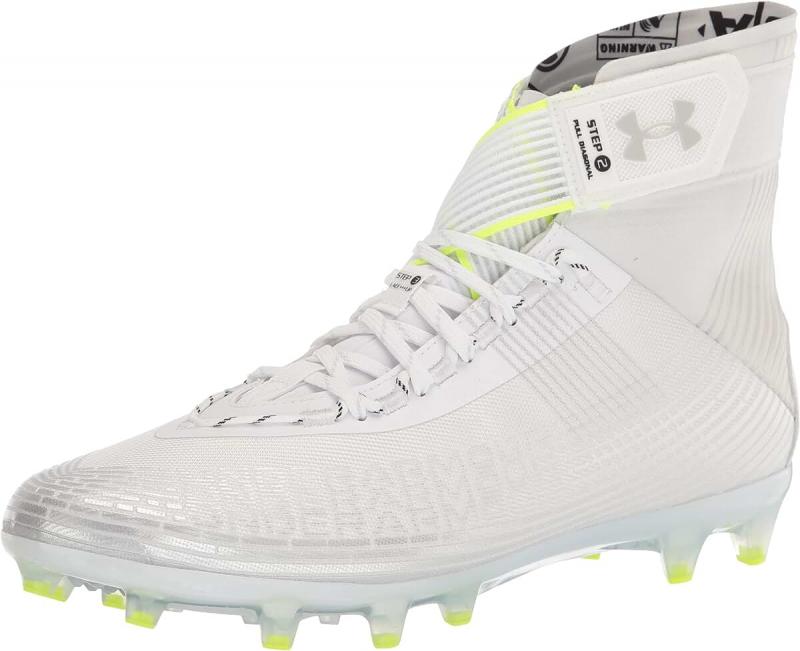
Many brands now offer removable or exchangeable studs on lacrosse cleats. This allows customizing your stud pattern for optimal traction. You can add more aggressive studs for muddy conditions or go with shallower ones on harder turf. Removable studs are a great way to tweak your grip.
Balance Heel and Forefoot
Pay attention to balancing studs at the heel and forefoot. An evenly distributed stud pattern prevents feeling stuck in the mud or having grip concentrated to the toes. Look for women’s lacrosse cleats with traction elements spread from heel to toe for fluid motion and stability.
Choose Hybrid or Turf Studs
Most lacrosse athletes are best served by a hybrid stud pattern with both bladed and conical studs. This allows moving efficiently in all directions. Some brands also offer turf-specific styles with lots of rubber traction elements ideal for artificial surfaces. Both hybrid and turf options are smart choices.
Think About Your Position
Stud needs can vary by player position on the lacrosse field. Middies who run all over may want an evenly balanced stud pattern. Defensive players go for stability with more cones. Speedy scorers need extra bladed studs for quickness. Goalies need strong gripping studs for traction changing direction in the crease. Choose what matches your needs.
Test Studs on Your Field Surface
If possible, take women’s lacrosse cleats out on the actual surface you play on to test stud performance. Jog, cut, and pivot to assess if the studs provide enough grip without limiting mobility. Trying cleats on the field surface helps ensure optimal traction for where you play.
Focus on Fit and Comfort Too
While stud pattern is key, don’t overlook fit and feel. The right studs won’t matter if the cleat doesn’t fit your foot shape well or causes discomfort. Try on different lacrosse shoes, jog around, practice sprints and cuts. Make sure any cleat feels comfortable before purchasing.
Selecting women’s lacrosse cleats with the ideal stud pattern for your position and playing style is crucial. Blades, cones, customization options, and strategic stud placement all maximize your stability, speed, and maneuverability on the field. With the optimal traction and footwork, you’ll be unstoppable out there.
Choose Your Preferred Height