When it comes to finding the best lacrosse goalie gloves, there are several key factors to consider before making your purchase. Proper sizing and fit are critical – you’ll want gloves that protect your hands and allow flexibility without being overly bulky or restrictive. The type of glove, construction materials, and features like cuff closures and thumb protection will also impact comfort, protection, and performance.
What Size Lacrosse Goalie Glove Do You Need?
Goalie glove sizing can vary across brands, so be sure to consult each manufacturer’s size chart. Measure the circumference of your dominant hand, excluding the thumb. A proper fitting glove should be snug but not limit mobility. For example, a size 10 glove would fit a 7.5-8 inch wrist circumference. Allow about .5-1 inch of room for a glove to break in while still fitting snugly. Consider trying on different sizes to find the optimal fit for your hands.
Ill-fitting gloves that are too large can rotate or slide on your hand, reducing protection and control. Gloves that are too small will be uncomfortable and restrict movement. Taking the time to find well-fitted gloves for your individual hand size is worth the effort for maximized performance.
Types of Lacrosse Goalie Gloves (Box vs. Field)

Box lacrosse goalie gloves differ from field lacrosse gloves in their design and protective elements. Box lacrosse prioritizes lightweight mobility for reacting to quick, close-range shots in an indoor setting. Box gloves have less rigid plastic plates but integrate padded foam for flexibility and shock absorption.
Field lacrosse requires gloves to withstand the impact of harder, long-distance outside shots on a larger goal. Field gloves have thicker foam padding on the back of the hand along with plastic plates for added protection. Consider your primary style of play when choosing glove type.
Major Goalie Glove Brands (Maverik, STX, Warrior)
When researching goalie gloves, you’ll encounter the major brands of Maverik, STX, and Warrior. Maverik focuses on comfort and flexibility but doesn’t sacrifice durability. STX maximizes protection with molded foam and plastic plates. Warrior goalie gloves balance mobility and protection with adjustable features.
While personal preference plays a role, evaluating glove materials, construction, and protective elements across these top brands can help identify the best option for your needs.
Glove Protection Levels (Beginner, Intermediate, Advanced)
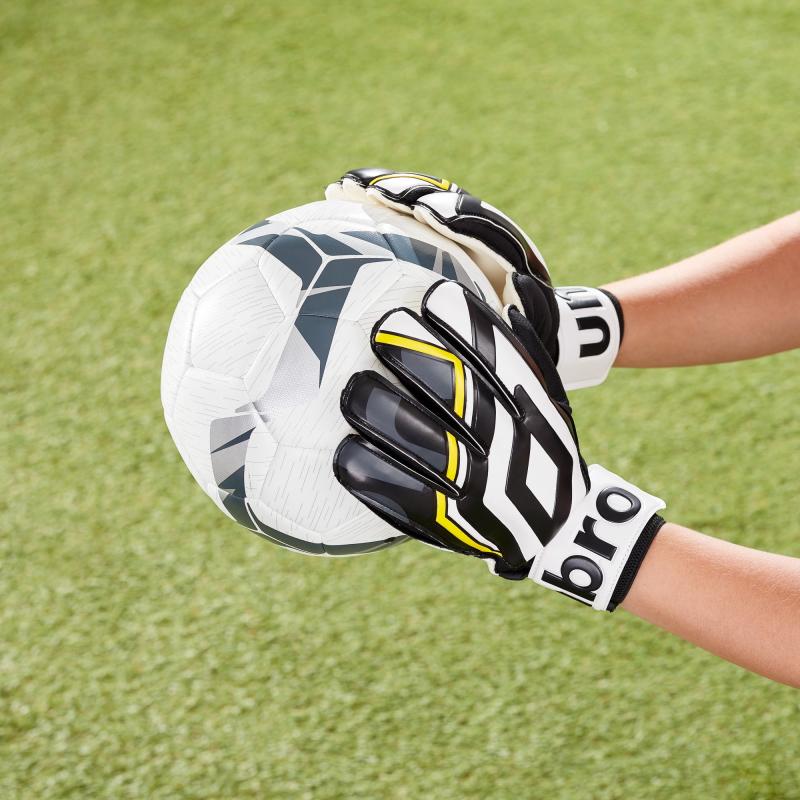
Goalie glove protection levels range from beginner to intermediate and advanced. Beginner gloves prioritize flexibility and lightweight feel while sacrificing some rigid protective elements. Intermediate gloves offer more substantial padding and plastic plates while maintaining mobility.
Advanced goalie gloves maximize protection with triple density foams, plastic shields, and increased padding – though this comes at the expense of some dexterity. Identify your skill level and needs to choose the right amount of protection.
Palm Construction (Leather, Synthetic, Mesh)
Palm materials affect the gloves’ durability, weather resistance, grip, and breathability. Natural leather palms offer superb grip and ages well over time. Synthetic leather is more affordable but less breathable. Mesh palm construction focuses on ventilation to reduce sweat but is less durable.
Consider playing conditions (wet versus dry) and priorities (grip versus breathability) when evaluating palm construction options.
Cuff Protection and Adjustability
An adjustable cuff closure ensures a secure fit around the wrist to keep gloves in place. Elastic, Velcro, and adjustable straps allow you to tweak tightness. Cuff wraps help seal gaps between gloves and arm pads. Increased padding or plastic plates on the cuff provide protection from shots targeting glove gaps.
Look for adjustable, well-padded cuffs that completely enclose your wrist and forearm without limiting mobility.
Thumb Protection Options
From hanging freely to being attached to the glove, thumb construction varies. Attached thumbs offer more protection at the expense of natural thumb movement. Floating thumbs promote mobility but can expose more of the thumb to impacts.
Some gloves offer removable thumbs to allow customization. Prioritize protection or dexterity depending on your needs and style of play.
Finger Stall Construction and Protection
Individual finger stalls maximize fit, feel, and flex. But exposed seams between stalls can allow stingers. Some gloves offer extra padding over finger seams for added protection. Multi-piece gusseted fingers build the glove around the hand as one solid piece for a seamless interior and locked-in fit.
Evaluate finger constructions to find the right blend of flexibility and protection from direct hits.
Venting and Breathability
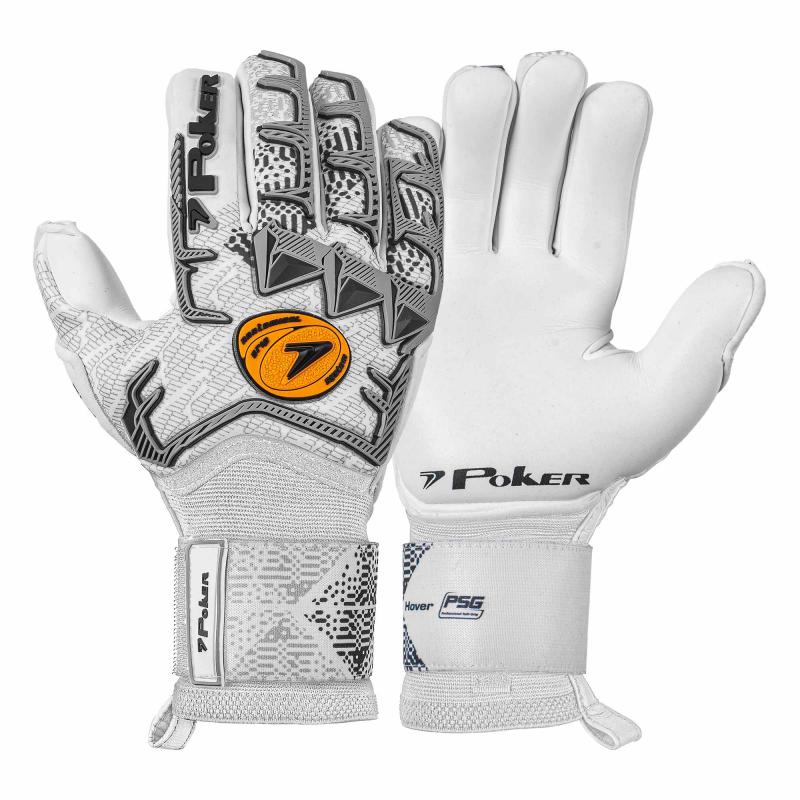
Proper ventilation promotes airflow to keep hands cool and dry. Vent holes along the fingers and back of hand prevent overheating without sacrificing padding. Breathable moisture-wicking liner materials also enhance comfort. Make sure to account for climate – gloves for cold weather play sacrifice ventilation for warmth.
Well-ventilated gloves help maximize comfort during intense goalie play in warm conditions.
Goalie Glove Weight and Dexterity
Bulky, heavy gloves can fatigue hands and wrists over long games. New lightweight foams and minimalist padding promote mobility. Find the right balance of protection and minimal weight to prevent hand fatigue while still absorbing shots.
Test different glove weights to find the optimal model that lets you react and move your hands smoothly.
Aesthetics and Customization
Beyond technical elements, custom colors and graphic designs allow you to express your personal style. Many brands offer gloves in team colors or schemes. Custom glove exteriors showcase your uniqueness in the crease. Just ensure any aesthetic additions don’t impact performance.
A customizable glove helps motivate you and intimidate shooters without affecting play.
New vs. Used Goalie Gloves
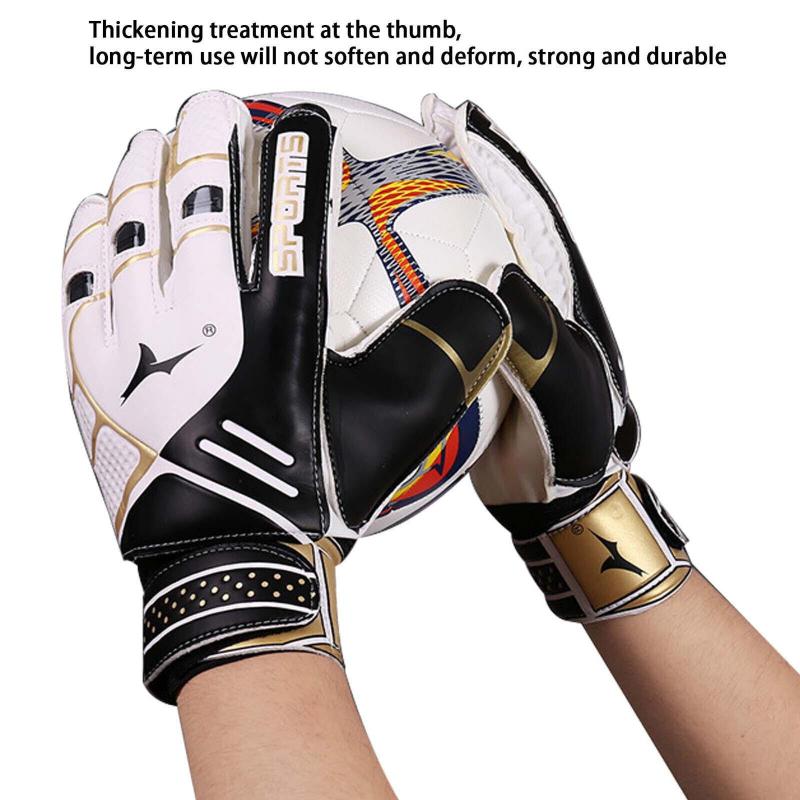
While new gloves offer the latest technology and materials, excellent used gloves can provide substantial savings. Check used items for excessive wear, torn seams, or cracked palms and ensure all closures and adjustments still function properly. Replacement palms/cuffs can also extend glove life.
Used gloves in good condition provide quality protection at a fraction of the cost of new options.
Goalie Glove Comfort and Break-In Time
Expect some gloves to require a break-in period as materials mold to your hand shape. Fingers and palms become more flexible while retaining protection. Quick break-in constructions minimize this process to a few practices. Evaluate comfort during any try-on period.
Make sure to factor in break-in time to find the most comfortable lacrosse goalie gloves.
Goalie Glove Durability and Longevity
Maximize your investment by prioritizing gloves built to last through seasons of play. Durable leathers, high-density foams, and rigid plastics withstand wear and tear. Replaceable palm pads/cuffs extend usability when exterior materials degrade.
Choose gloves offering the resilient construction to continue protecting your hands game after game.
Finding the Best Lacrosse Goalie Gloves Within Your Budget
Goalie gloves span a wide range of budgets. Determine how much protection and features you need versus want. Less expensive gloves focus on vital padding while pro-level gloves incorporate the latest technology. Identify glove necessities, then find options delivering those key elements within a comfortable price range.
With research and by identifying your needs, you can find high performance lacrosse goalie gloves even on a limited budget.
When looking for new lacrosse goalie gloves, one of the first decisions you’ll need to make is whether you want gloves designed for box lacrosse or field lacrosse. The type of glove you choose can make a big difference in fit, feel, and performance based on your primary style of play.
Types of Lacrosse Goalie Gloves (Box vs. Field)
Box lacrosse is played indoors on a smaller field with a much smaller goal. This faster-paced game requires goalies to react quickly to shots from close range. Box lacrosse goalie gloves are designed to maximize mobility and dexterity above all else.
The gloves feature slimmer, low-profile padding so you can move your hands freely. While still protective, box gloves forgo some rigid plastic in favor of padded foam for better flexibility. You’ll sacrifice a bit of brawn for a more natural, “bare-hand” feel in the indoor crease.
On the other hand, field lacrosse is played outside on a larger field with more distance between you and the shooter. Field lacrosse goalie gloves offer beefed-up protection to handle those blistering long-range shots.
Look for thick foam padding on the back of the hand and wrists along with hard plastic shielding over the fingers and knuckles. While field gloves may reduce mobility slightly, they provide maximum protection when facing 90+ mph shots from 20+ yards out.
So in summary, box lacrosse gloves promote lightweight mobility for quick reactions while field lacrosse gloves focus on maximum padding and shielding for hard outside shots. Make sure you choose the right glove type that matches the unique needs of your primary style of play.
Major Goalie Glove Brands (Maverik, STX, Warrior)

The major players in lacrosse goalie gear include Maverik, STX, and Warrior. Maverik is known for providing a great blend of mobility, protection, and durability in their goalie gloves. They use flexible materials that conform nicely to your hand for a broken-in feel right off the shelf.
STX goalie gloves are tanks – built like brick walls to withstand even the nastiest point blank shots. They use thick multi-layer foam with heavy plastic plates for top-notch protection. The downside is some loss of dexterity from the bulky padding.
Warrior fills the gap between the other two brands by balancing mobility and protection. Their cinches and adjustable wrist straps allow you to customize the gloves for a dialed-in fit. Warrior also uses top-grade leathers for a supple, natural feel.
While personal preference dictates, knowing the strengths of these major brands helps narrow your search for the ideal lacrosse goalie gloves.
Glove Protection Levels (Beginner, Intermediate, Advanced)
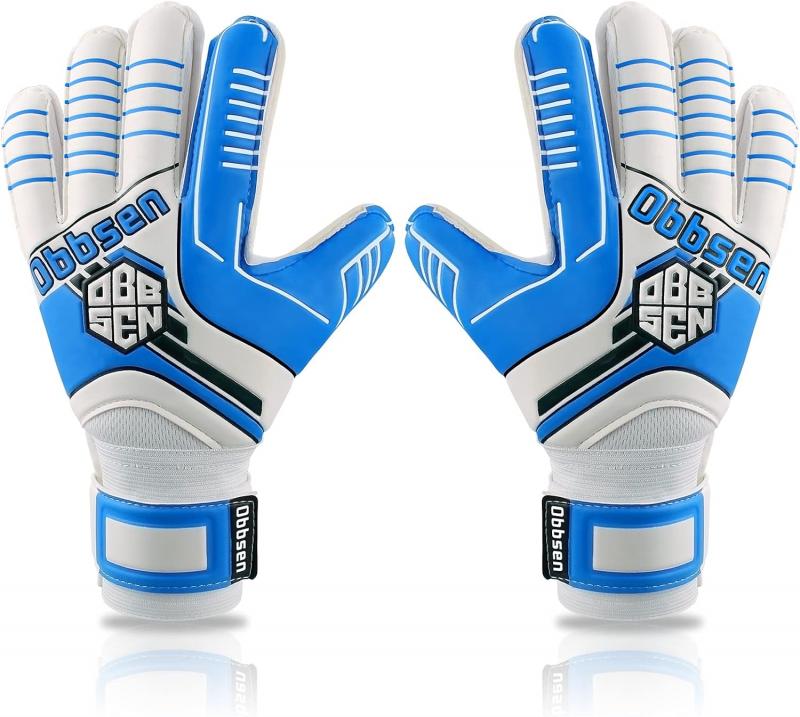
Goalie glove protection ranges from beginner to intermediate and professional/elite levels. Beginner gloves allow for maximum hand movement and “feel” by using thin padding and little to no plastic shielding.
These gloves work well for new players who are still developing hand-eye coordination and need to build confidence handling the ball. Just know the minimal padding leaves your hands vulnerable to stingers.
Step up to intermediate gloves and you’ll see thicker padding on the back of the hand along with plastic fingertips for increased protection. Advanced elite gloves pull out all the stops with multiple foam layers, large plastic shields, and maximum wrist and thumb protection.
Know your skill level and needs, then choose gloves offering the right amount of padding and protection for where you’re at in your goalie development.
Palm Construction (Leather, Synthetic, Mesh)
When gripping your stick, the goalie glove’s palm takes a beating. Palm materials affect durability, weather performance, grip, and breathability.
Natural leather palms offer superb grip, even when wet, along with long-lasting durability. The downside is natural leather retains heat and moisture.
Synthetic leathers are more affordable but less breathable. Meanwhile, mesh palm construction focuses on ventilation to reduce sweat at the cost of worse grip and less durability.
Factor in playing conditions and priorities around grip, breathability, and durability when evaluating palm options.
When searching for new lacrosse goalie gloves, you’ll come across the major brands of Maverik, STX, and Warrior. Getting to know the key features and reputations of these top glove manufacturers can help guide your buying decision.
Major Goalie Glove Brands (Maverik, STX, Warrior)
Maverik is one of the most popular and well-respected brands in lacrosse goalie gear. They’ve earned a reputation for offering an exceptional blend of fit, feel, protection, and durability in their gloves.
Maverik gloves utilize flexible padding materials that mold nicely to your hands right out of the box. The pre-curved fingers and curved thumb design match the natural closure of your hand for a broken-in feel immediately.
While protective, Maverik gloves remain lightweight and deliver excellent dexterity. Their goalie gloves cover all levels from beginner to collegiate players.
STX goalie gloves live up to the brand’s “Protect This House” motto. They utilize the heaviest foam padding and plastic reinforcements to create a virtual fortress around your hands.
If maximum protection is your top priority, STX gloves are built like tanks to absorb even the nastiest point blank shots. Just know that all that armoring comes at the cost of some flexibility and feel.
Warrior goalie gloves strike a balance between high levels of protection and optimized mobility. Their cinch straps and adjustable wrists allow you to customize the fit for a dialed-in feel.
Warrior also uses premium leather palms and soft liner materials for excellent comfort right off the shelf. For goalies wanting protection without sacrificing dexterity, Warrior is a great option.
While personal preference ultimately dictates, understanding the strengths and reputations of the major glove brands helps inform your decision when searching for your next pair of lacrosse goalie gloves.
Glove Protection Levels (Beginner, Intermediate, Advanced)
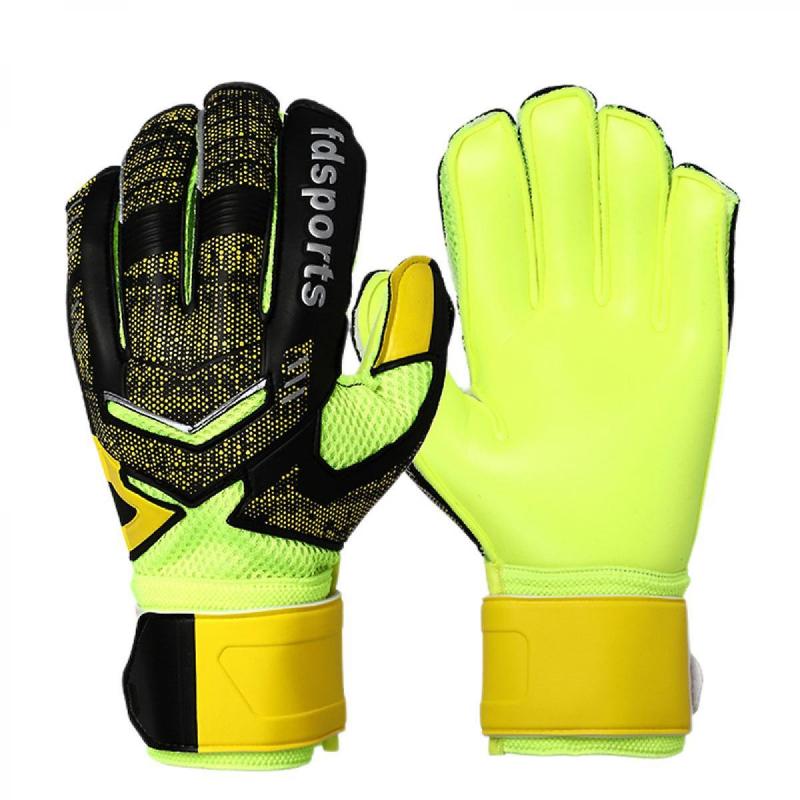
Goalie glove protection levels generally fall into beginner, intermediate, and advanced categories. Beginner gloves allow for maximum flexibility and feel by using minimal foam padding and little to no plastic shielding.
While great for developing hands skills, beginner gloves leave you exposed to painful stingers from shots. They’re best suited for new goalies focused on building confidence catching and handling the ball.
Step up to intermediate gloves and you’ll see thicker foam padding on the back of the hand and plastic caps on the fingertips for enhanced protection. Advanced elite gloves pull out all the stops in terms of padding and plastic reinforcements.
Know your skill level, then choose gloves with the right amount of protection to match where you’re at as a developing lacrosse goalie.
Palm Construction (Leather, Synthetic, Mesh)
When gripping your stick, a goalie glove’s palm takes a beating. Palm materials affect durability, weather performance, grip, and breathability.
Natural leather offers outstanding grip, even when wet, along with long-lasting durability. The tradeoff is leather retains heat and moisture.
Synthetic leather palms are more affordable but less breathable. Mesh palm construction focuses solely on ventilation, but sacrifices weather protection and durability.
Factor in playing conditions and your needs around grip, breathability, and durability when evaluating palm options.
When shopping for new lacrosse goalie gloves, one of the key factors to consider is the level of protection offered. Goalie gloves come in beginner, intermediate, and advanced categories that provide varying degrees of padding and shielding.
Glove Protection Levels (Beginner, Intermediate, Advanced)
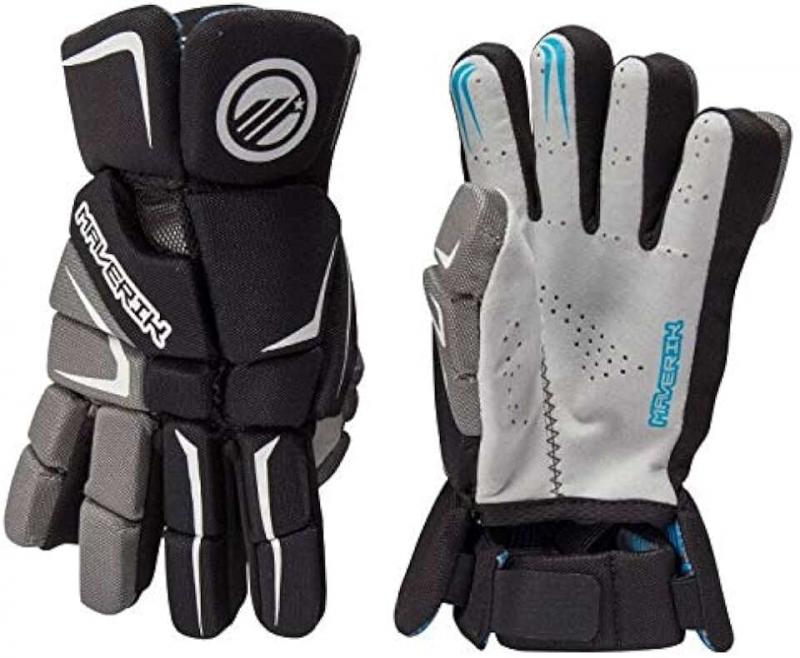
Beginner lacrosse goalie gloves focus on maximizing flexibility and “feel” by using minimal foam padding and little to no plastic shielding.
The advantage of beginner gloves is they allow for excellent hand mobility and dexterity, letting new goalies develop confidence handling the ball. The tradeoff is your hands will be vulnerable to painful shots without ample padding.
Intermediate gloves provide enhanced protection with thicker foam on the back of the hand and plastic caps covering the fingertips. This added armor helps absorb stingers while still allowing reasonable mobility.
Step up to advanced gloves and you’ll get max protection – triple density foams, large plastic shields, and beefed up wrist support. While bulky, advanced gloves offer a protective fortress for elite goalies.
Consider your skill level and needs. As a newer goalie, beginner gloves allow you to hone fundamentals while developing hands skills. Intermediate gloves deliver solid protection for goalies beyond the beginner phase.
Advanced gloves provide maximum armor for high-level goalies facing blistering shots, though some loss of “feel” comes with all that padding.
Palm Construction (Leather, Synthetic, Mesh)
Palm materials directly impact the gloves’ durability, weather protection, grip, and breathability. Natural leather offers unbeatable wet weather grip and ages beautifully over time.
The tradeoff with leather palms is minimal breathability – expect some hot, sweaty hands. Synthetic leather palms are cheaper but retain moisture like natural leather.
Mesh palm construction focuses strictly on ventilation and cooling. Just know that mesh palms sacrifice weather protection and durability.
Factor in playing conditions along with your needs around ventilation, grip, and durability when selecting the ideal palm material.
Cuff Protection and Adjustability
A goalie glove’s cuff closure and wrist protection are vital. Adjustable closures using elastic, Velcro, or straps let you tweak tightness for a secure fit.
Cuff wraps help seal gaps between gloves and arm pads. Padded or shielded cuffs protect your wrists and forearms from painful stingers.
Look for adjustable, well-padded cuffs that completely enclose your wrist without restricting mobility – no gaps for shots to sneak through.
Thumb Protection Options
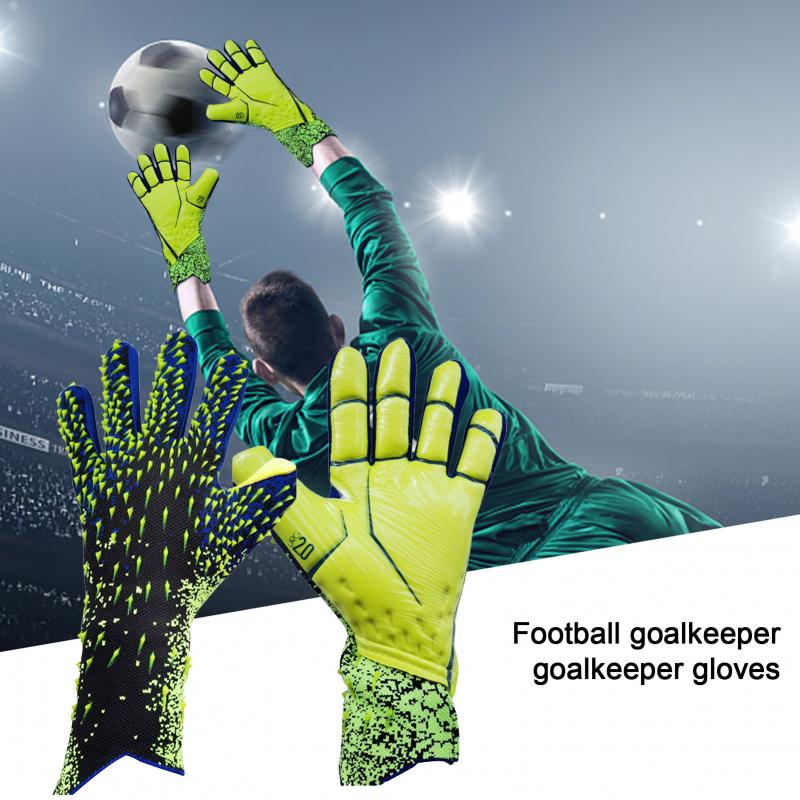
Goalie glove thumbs may hang freely for mobility or attach to the hand for protection. Floating thumbs promote natural movement but expose more thumb to impacts.
Attached thumbs offer better shielding from shots but can inhibit thumb flexibility. Some gloves feature removable thumbs so you can switch as needed.
Prioritize protection or dexterity for your thumb depending on your level of play and style in goal.
The palm material used in lacrosse goalie gloves directly impacts durability, grip, breathability, and weather protection. Common palm constructions include leather, synthetic leather, and mesh.
Palm Construction (Leather, Synthetic, Mesh)
Natural leather palms offer the best all-weather grip, even when wet, along with outstanding durability. The tradeoff is minimal breathability – leather retains heat and moisture.
For goalies where grip is a top priority, leather palms are hard to beat. Just expect some hot, sweaty hands as the cost of that superior grip.
Synthetic leather palms are more affordable but mimic leather’s moisture retention. Ventilation suffers, but you get a decent combination of grip and cost savings.
Mesh palm construction focuses strictly on maximum breathability and ventilation. Airflow is great for keeping hands cool and dry.
The downsides of mesh palms are reduced weather protection, less grip when wet, and less durability over time. Mesh works best in dry conditions.
Consider playing conditions – will gloves see a lot of wet weather use? Also evaluate your needs in terms of grip, breathability, and durability when selecting the ideal palm material.
Cuff Protection and Adjustability

An adjustable cuff closure ensures your gloves stay securely in place during intense play. Elastic, velcro, and adjustable straps allow you to tweak tightness for just the right fit.
Cuff wraps connect your glove and arm pad to seal gaps at the wrist joint. Increased cuff padding or shielding protects from painful stingers.
Look for cuffs that completely enclose your wrist and forearm without restricting mobility. Proper adjustments and padding keep shots from sneaking through.
Thumb Protection Options
Goalie glove thumbs may float freely for mobility or attach to the hand for protection. Floating thumbs promote natural movement but expose more thumb to impacts.
Attached thumbs offer better shielding from shots but can inhibit flexibility. Some gloves feature removable thumbs to get the best of both worlds.
Prioritize protection or dexterity for your thumb depending on your level of play and reliance on thumb mobility in goal.
Finger Stall Construction and Protection
Individual finger stalls maximize movement but expose seams vulnerable to stingers. Added padding over seams helps. Multi-piece gusseted fingers have an inner mesh liner with outer padded layers for a seamless interior and locked-in fit.
Evaluate finger constructions to find the right blend of flexiblity and seam protection for your preferences in goal.
Finding the Best Lacrosse Goalie Gloves Within Your Budget
Looking for the best lacrosse goalie gloves? Consider these 15 key factors:
As a lacrosse goalie, having the right pair of gloves is absolutely essential. Your gloves protect your hands and help you make those game-changing saves. With so many options on the market, choosing the best lacrosse goalie gloves within your budget can be tricky.
Here are 15 key factors to consider when shopping for lacrosse goalie gloves:
1. Size
Getting the right fit is crucial. Goalie gloves should fit snugly without restricting movement. Measure your hand size and compare to sizing charts when possible. Brands fit differently, so you may need a large in one brand and a medium in another.
2. Palm Padding
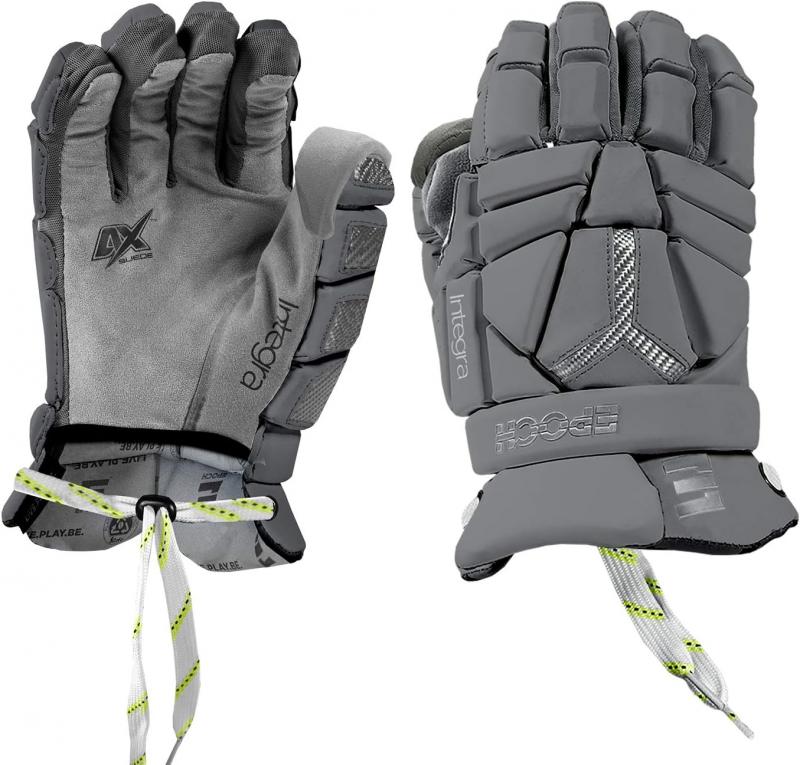
Look for thick, durable padding in the palm. This protects against stingers when the ball hits your hand. Multi-layer foam or materials like Poron XRD provide excellent shock absorption.
3. Finger Protection
Individual finger stalls with padding reduce impact and protect your hands. High-density foam or plastic inserts are ideal for finger stalls.
4. Closure System
The closure keeps the glove secure on your hand. Elastic wrists with Velcro closures are preferred for adjustability and support.
5. Ventilation
Mesh panels, perforations and ventilation holes keep your hands cool and dry during games. Breathable materials like nylon mesh promote airflow.
6. Durability
Goalie gloves take a beating, so durability is a must. Features like double stitching, reinforced palms and fingertips extend glove life.
7. Protection
Look for rigid plastic shielding to protect the thumb and wrist from shots. High-density foam across the back of the hand also provides protection.
8. Dexterity
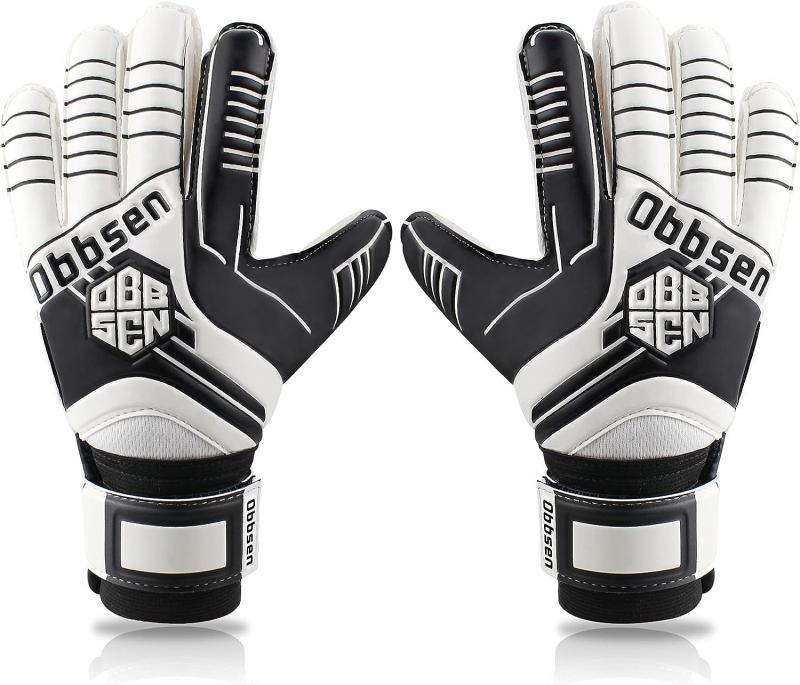
Mobility and responsiveness are vital for goalies. Flexible materials like textured latex allow you to catch and handle the ball easily.
9. Grip
Textured latex palms provide the best grip and ball control. Other sticky materials like silicone can also help grab ground balls.
10. Weight
Lighter gloves allow for quicker hand speed and motion. Many high-end gloves weigh around 8-12 ounces for optimal balance of protection and mobility.
11. Wrist Support
Look for adjustable wrists with cuff closures to stabilize your wrists and prevent overextension when saving shots.
12. Comfort
Padding and materials inside the glove should provide a comfortable, snug fit. Breathable fabrics that wick moisture also enhance comfort.
13. Style
Goalie gloves come in a variety of colors and designs. Consider the look you want along with function.
14. Brand
Trusted brands like Maverik, STX and Warrior provide excellent goalie gloves across price points. Buy from reputable lacrosse companies.
15. Budget
Determine how much you want to spend. Goalie gloves range from $50 for entry-level to $250+ for pro models. Set a budget and look for sales to maximize value.
With these factors in mind, try on different glove models from brands like Maverik, epoch lacrosse, and lax goalie gloves in your size. Compare the fit, protection and dexterity to find the best lacrosse goalie gloves for your budget and style of play.
Prioritize proper sizing along with padding and mobility. Durability, grip and breathability will also improve performance and hand protection during games. Don’t forget wrist support and adjustable closures for a secure fit. With the right pair of lacrosse goalie gloves, you’ll have the tools to confidently protect the net.