When it comes to tennis balls, Penn is hands down one of the best brands on the market. As an avid tennis player myself, I’ve tried multiple brands over the years and keep coming back to Penn as my top choice. Here’s why I think Penn tennis balls are superior:
Unparalleled Quality and Durability
Penn uses state-of-the-art materials and technology to manufacture their tennis balls. The felt material and rubber core hold up incredibly well over time, maintaining optimal bounce and performance for longer than cheaper brands. I’ve found Penn balls will often last me several matches without losing their liveliness or fluffiness.
In particular, the Extra Duty line of Penn balls is designed for maximum durability on hard courts. The felt withstands friction better, so you can expect dozens of hours of high-intensity play before noticing deterioration.
Trusted by Tennis Pros Worldwide
It’s no accident that Penn is the official ball of so many major tennis tournaments, including the US Open and Australian Open. The best players in the world rely on the consistent, predictable performance of Penn tennis balls during high-stakes competition.
The exceptional quality gives players the confidence they need to go all-out with their shots. I know I personally feel better playing competitively when I have a fresh can of Penns.
Optimized for Visibility

Penn tennis balls feature high-visibility felt that makes them a breeze to see, even on dark courts or in fading evening light. The optic yellow felt contrasts sharply against the green or blue backdrop.
I find I can track and connect with Penn balls much easier than dull, white balls from lesser brands. The visibility gives me an edge when placing tough shots near the lines.
The Best Variety of Options
Whether you prefer a soft, lively ball for indoor courts or a firm, heavy ball for clay, Penn has an offering to match your needs. Their product line includes pressureless balls, extra duty balls, high altitude balls, and regular duty balls.
You can even find Penn balls tailored for kids or beginners with lower compression. It’s nice having so many options to choose from within one brand I trust.
At the end of the day, you can’t go wrong stocking up on Penn tennis balls for your matches, drills, and practice sessions. While they may cost a bit more than generic brands, the impeccable quality and performance of Penn balls makes them well worth the investment for serious players. Don’t settle for mediocre balls – choose the best and see your game improve.
Penn offers two main types of tennis balls for recreational and competitive play – Extra Duty and Regular Duty. Understanding the key differences between the two is important for choosing the right ball for your playing style and conditions.
Penn Tennis Ball Types: Extra Duty vs Regular Duty

Extra Duty balls are Penn’s most durable line of balls, designed for superior performance on hard court surfaces. They feature a firm rubber core and durable felt cover that withstands friction and abrasion. Regular Duty balls have a softer core and felt for better playability on softer surfaces like clay or grass.
Here’s a breakdown of the key differences:
- Felt Material – Extra Duty felt uses wool-nylon-poly material while Regular Duty felt is wool-nylon.
- Core – The Extra Duty core is high-energy rubber while the Regular Duty core is standard rubber.
- Durability – Extra Duty balls last significantly longer, often 2-3 times longer than Regular Duty.
- Playability – Regular Duty offers slightly more control and spin potential.
- Court Surfaces – Extra Duty for hard courts, Regular Duty for clay or grass.
- Pressure – Extra Duty balls are pressurized higher at 3.9-4.0 psi while Regular Duty is 3.0-3.5 psi.
Beyond the core differences, there are some additional factors to consider:
– Extra Duty balls like the Penn Pro Heavy Duty are ITF approved for high-level tournament play while Regular Duty balls may not meet those standards.
– Extra Duty balls will feel firmer and bounce higher off hard surfaces compared to Regular Duty.
– Altitude and temperature impact bounce. Extra Duty retains bounce better in high heat/altitude.
– Regular Duty plays slower overall though some find it offers more control and spin potential.
So in summary, opt for the Extra Duty Penn balls if you mostly play on hard courts or want maximum durability. Go for Regular Duty for more finesse/touch on soft courts. Knowing these differences allows you to dial in the right tennis balls for your playing preferences.
Looking to get your hands on some Penn tennis balls but not sure where to find them locally? Here are some of the best options for buying Penn tennis balls in-person rather than online.
Where to Buy Penn Tennis Balls Locally
Penn balls are sold at most retailers that carry tennis equipment, but not all local stores will have ample inventory. Here are some of your best bets for finding Penn tennis balls near you:
- Dedicated Tennis Shops – Pro shops at tennis clubs, tennis-specialty stores, and small racket shops often have the largest selection of Penn balls.
- Big Box Sporting Goods Stores – Major retailers like Dick’s Sporting Goods, Academy Sports, and Modell’s carry Penn balls, but selection is limited.
- Amazon Lockers – Order Penn balls online and select an Amazon locker pickup location near you.
- University Bookstores – College bookstores, especially at schools with tennis teams, frequently sell Penn balls.
- Pharmacies – Large pharmacies like Walgreens and CVS will have a small display of Penn balls near the register.
When buying locally, be aware of a few things:
– Prices may be higher than buying online.
– Selection is limited to general retail inventory, not the full Penn catalog.
– Limited size options – typically only 4-ball cans available.
– Retail staff likely won’t offer specialized guidance.
– Checking manufacturing date is wise – avoid old stock.
With some diligent searching and phone calls to confirm inventory, you can usually track down Penn balls at a shop near you. Just be prepared to pay a small premium for the convenience of same-day local pickup. Supporting small tennis businesses also feels good!
Online shopping brings huge selection and tempting prices, but is buying tennis balls online the best move? Here’s an overview of the pros and cons to consider when purchasing Penn tennis balls online.
Buying Penn Tennis Balls Online – Pros and Cons

PROS:
- Convenience – balls shipped right to your door.
- Better prices & deals – avoid retail markups.
- Huge selection – access full Penn catalog.
- Newer stock – rotate inventory faster.
- Easy price comparisons – find best deal.
- Bulk options – buy large quantities.
- Radar app – gauge new vs used.
CONS:
- Shipping costs – reduce savings.
- Won’t see/feel product – must trust descriptions.
- Return hassle – if dissatisfied with order.
- Shipping damage – balls could get crushed.
- No expert advice – rely on reviews.
- Delay for delivery – wait days or weeks.
So weigh these factors carefully as you decide whether to buy online or locally. Consider how soon you need new balls – is it worth waiting a few days for delivery? How significant are the online savings once shipping is factored?
Try buying a case online first to test a retailer’s packing/shipping. Inspect balls promptly upon arrival. Overall, the selection and cost benefits often make online purchase worthwhile for non-urgent needs.
Penn is one of the premium tennis ball brands, which also means you can expect to pay a little more versus generic, budget-friendly brands. Here’s an overview of typical pricing for different types of Penn tennis balls.
Penn Tennis Ball Prices – What to Expect

Penn ball pricing depends on several factors:
- Regular Duty vs. Extra Duty – Extra Duty is more expensive
- Can Size – Bulk cases are cheaper per ball
- Pressurized vs. Pressureless – Pressurized cost more
- Specialty balls – Altitude, kid size, etc. cost more
- Retailer – Online prices tend to be lower
Here are some ballpark price ranges:
- Individual can (3 balls) – $5 to $8
- Case of 24 cans – $100 to $140
- Bucket of 60+ loose balls – $60 to $80
- Recreational Practice Pack (80 balls) – $30 to $50
- Court Pack (144 balls) – $90 to $120
So while you’ll pay a premium for the Penn performance and quality, the cost becomes more reasonable when buying larger quantities. Opt for extra duty balls in bulk cases online and you can usually get each ball under $2.
Consider Penn balls an investment in consistent play that prolongs time between replacing dead balls. Take advantage of sales when possible, but expect to budget $100-150 annually for a competitive player.
Penn balls have a reputation for quality that comes at a price. Luckily, there are ways to get deals on Penn tennis balls if you know where to find sales and closeout pricing.
The Best Places to Get Penn Tennis Ball Deals
Here are some of the best retailers to check for discounted Penn tennis balls:
- Tennis Express – Frequent sales and clearance on older Penn stock.
- Tennis Warehouse – Clearance section has discounted Penn cans/cases.
- Dick’s Sporting Goods – Markdowns on limited Penn inventory.
- Amazon – Check daily deals and warehouse pricing.
- eBay – Search for auction listings and buy in bulk.
- Craigslist – Tennis players selling used Penn balls.
- Play It Again Sports – Good for used cans at a discount.
A few tips for getting the best deals:
- Buy in bulk – cases, buckets, court packs for lowest cost per ball.
- Consider “factory seconds” for cosmetic defects only.
- Check Penn closeout specials online.
- Avoid retail displays – old, dead stock.
- Search eBay auctions for deals on bulk quantities.
With some smart shopping at the right merchants, you can stock up on Penn balls without overspending. Just focus on specialty tennis retailers and buy in bulk online for the biggest savings.
When shopping for Penn tennis balls, you’ll notice they offer both pressurized and pressureless options. So does Penn make pressurized balls? Here’s a breakdown of their pressurization methods.
Does Penn Make Pressurized Tennis Balls?
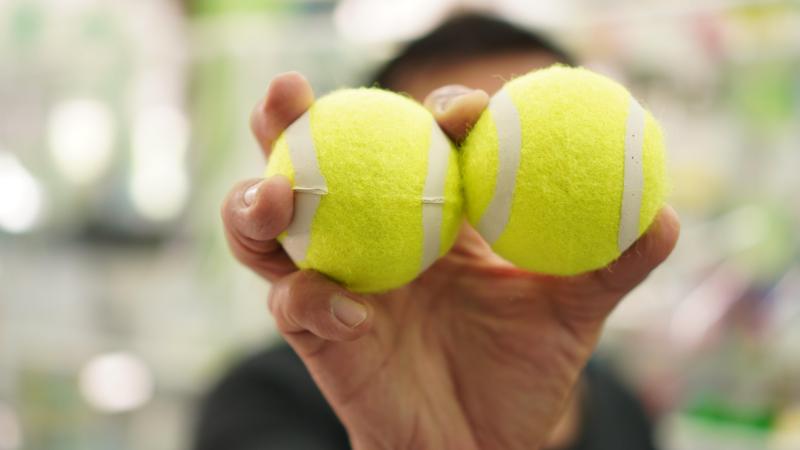
Yes, Penn does manufacture and sell pressurized tennis balls across several of their leading product lines including:
- Penn Championship Extra Duty
- Penn Championship Regular Duty
- Penn Pro
- Penn ATP
- Penn Championship High Altitude
These Penn balls are pressurized to the recommended inflation levels at sea level to maintain consistent bounce and performance:
- Extra Duty – 3.9-4.0 psi
- Regular Duty – 3.5-3.6 psi
- High Altitude – 4.6-4.9 psi
The pressurization process adheres strictly to ITF standards. Penn uses precision air filling and pressure testing methods before sealing each ball.
In addition to their pressurized lines, Penn does offer a few pressureless balls including the Training, Play, and Recreational Practice lines. These lack internal pressurization.
So in summary – yes, many Penn balls are pressurized but they also offer non-pressurized options for beginners, recreational play, or practice. The pressurized lines optimize bounce consistency.
One of the top benefits of investing in quality Penn tennis balls is their impressive durability and longevity. But exactly how long can you expect Penn balls to maintain their playability?
How Long Do Penn Tennis Balls Last?
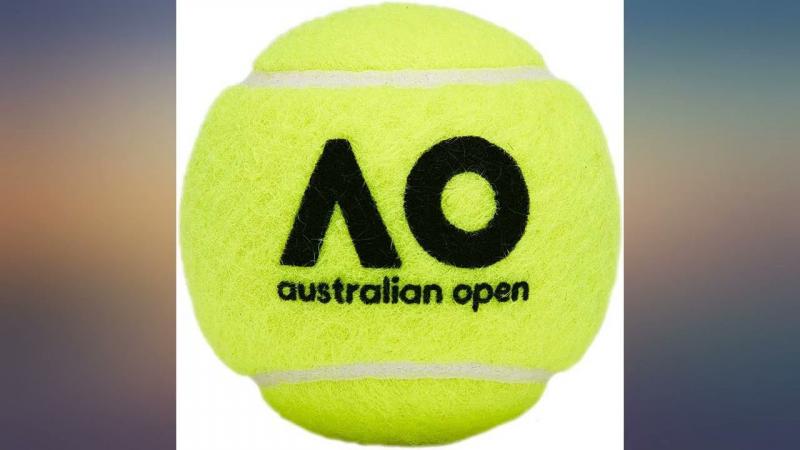
With proper storage and care, here is the approximate lifespan for Penn balls:
- Pressurized – Up to 6 months of play
- Pressureless – 1-2 months of play
However, there are several variables that influence overall longevity:
- Court surface – Hard courts shorten life
- Frequency of use – Daily play vs. occasional use
- Climate conditions – Heat and humidity
- Ball Type – Extra Duty lasts longer
- Pressurization – Pressurized maintain liveliness longer
You can optimize Penn ball lifespan by:
- Storing balls properly in cool, dry area
- Rotating multiple cans to evenly distribute play
- Re-pressurizing periodically if needed
- Cleaning fuzz/dirt off surface
- Avoiding excessive heat exposure
With the right handling, storage, and rotation, you can expect pressed Penn balls to deliver 6+ months of consistent performance. Penn’s durability is a key benefit over cheaper brands.
When buying Penn tennis balls, you’ll typically find them packaged in pressurized cans containing 3 or 4 balls. However, Penn does offer alternative can counts and ball quantities.
Do Penn Tennis Balls Come in Cans of 1, 2 or 3?
The standard packaging for Penn tennis balls includes:
- 3-ball cans – Most common size
- 4-ball cans – Also readily available
- 24-can cases – Bulk case of 72 or 96 balls
While 3 and 4 cans are standard, you can also find:
- 1-ball cans – Specialty singles cans
- 2-ball cans – Less common size
- 36-ball bucket – Loose bulk balls
- 48-ball recreational bucket
- 60-75 ball court pack – Varies by retailer
Penn’s lowest cost options come in bulk loose pack quantities of 60 balls or more. But for higher single-unit cost, the 1-ball and 2-ball cans offer the convenience of popping open a fresh ball as needed.
Cans help maintain the pressurization longer and protect balls during shipping. But large recreational packs work well for high-volume club or team use.
So in summary, Penn provides a range of quantities from single-ball cans up to bulk packs of 100+ loose balls to suit different playing needs and budgets.
With all the different types of Penn tennis balls available, it can get confusing choosing the right one for your game. The ball you choose should complement your playing style and conditions.
Choosing the Right Type of Penn Ball for Your Play Style
Here are some tips on selecting the ideal Penn ball for your needs:
- Extra Duty for fast courts – Ideal for hard courts or indoor play
- Regular Duty for slower courts – Better for clay or grass
- Altitude balls for high elevations – Maintain liveliness
- Softer balls like Penn Play for beginners – More control
- Pressurized for consistent bounce – Avoid pressureless
- New balls for competitive play – Rotation is key
- Reactive Felt balls for big hitters – Added spin and control
Also consider your playing tendencies:
- Aggressive baseliner? Try Extra Duty for durability
- Finesse player? Regular Duty offers more “feel”
- Big server? Go for Tournament Extra Duty for speed
- Focus on spin? Choose a Reactive Felt ball
Test out a few different Penn offerings on your home court. See which provides the best balance of responsiveness, control, and longevity for your abilities and playing environment. While pricey, dialing in the right Penn ball can elevate your performance.
It’s no coincidence that you’ll see the Penn logo proudly displayed on tennis ball cans at major pro tournaments worldwide. Top pros overwhelmingly choose Penn as their ball of choice for competitive play.
Pros Using Penn Tennis Balls on Tour

While sponsorship deals play a role, many leading tennis professionals opt to use Penn balls even when they have the option to use other brands:
- Roger Federer
- Rafael Nadal
- Serena Williams
- Novak Djokovic
- Andy Murray
- Naomi Osaka
- Daniil Medvedev
- Maria Sharapova
In addition to these household names, Penn is the official ball sponsor of major events like:
- US Open
- Australian Open
- French Open
- Wimbledon
The best in the world trust Penn tennis balls because of their:
- Consistent bounce and performance
- High visibility felt
- Durability for long matches
- Responsiveness on all court surfaces
For most pro players, only Penn delivers the combination of quality, reliability and visibility needed to excel at the highest levels of tennis.
Tennis legend Roger Federer has used Penn balls for much of his record-breaking career. Why does Fed and many other top pros insist on Penn for high-level play?
Why Do Pros Like Roger Federer Use Penn Balls?
There are several key reasons pros like Federer choose Penn tennis balls:
- Consistent performance – Penn quality ensures identical bounce and feel on every ball. This helps pros dial in shots.
- Durability – Penn felt and rubber withstand many hours of hard, competitive play. Balls stay lively longer.
- Visibility – Bright yellow felt is easier to see coming off rackets at high speed. Allows quicker reactions.
- Responsiveness – The felt grabs and releases from court surfaces very uniformly. Provides precision.
- ITF Approved – Meets rigorous specifications for competitive tournaments.
- Reputation – Decades of use by top players reinforces Penn’s reliability.
Roger Federer in particular demands perfection from his equipment. He understands that every competitive edge counts at the world class level. The consistent quality and performance of Penn balls gives him confidence in their reaction off the racket.
While some pros may use a lesser known brand by choice, most adhere to the logic “use what the best use.” For future Hall of Famers like Federer, only Penn passes the test when major titles are on the line.
Penn and Wilson are two of the top tennis ball brands on the market. How does Penn stack up against Wilson and other leading manufacturers?
How Do Penn Balls Compare to Wilson & Other Brands?

Here’s a quick brand comparison:
- Penn – Used by more touring pros. Better durability. More rigid construction. Top visibility.
- Wilson – More affordable recreational balls. Softer feel preferred by some players.
- Dunlop – Decent budget-friendly option. Lacks the prestige of Penn or Wilson.
- Slazenger – Lesser known brand but offers solid recreational balls.
When it comes to high-level tournament play, Penn edges out Wilson and other brands. Penn is the official ball of more pro tournaments and used by top pros like Federer, Nadal and Williams.
For recreational and club play, Wilson provides a quality ball at lower cost. Their softer compression works well for casual players. Dunlop and Slazenger also make affordable options for practice.
But players looking for maximum durability, visibility and prestige on the court will still favor Penn over other manufacturers. While pricier, Penn’s proven reputation for tour-level performance makes them hard to beat.
In the end, opt for Penn if you prioritize quality and can budget the extra cost. Wilson and other brands work if you just need a basic ball for recreational games and hitting.
With a premium brand like Penn, it’s helpful to hear directly from players who have used their tennis balls. What are real reviewers saying about their experiences with Penn balls?
Penn Tennis Ball Reviews: What Players are Saying
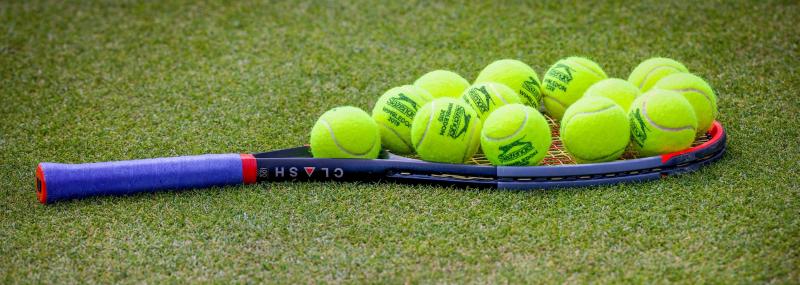
Here’s a summary of feedback on Penn balls from actual tennis players:
- “Great bounce and durability. I get several matches out of each ball.”
- “The optic yellow felt makes them easy to see. I can track them much better.”
- “They feel solid off the strings with nice pace. Very consistent response.”
- “Holds up great on hard courts compared to other brands I’ve tried.”
- “I’ve used Penn balls for years and always come back to them.”
- “They are expensive but worth it if you play frequently.”
- “The pressurized balls maintain their liveliness longer.”
- “TheExtra Duty felt lasts a really long time.”
- “My pro shop sells them so I know they are fresh.”
The main takeaways from player reviews seem to be that Penn balls are durable, visible, consistent, and maintain their liveliness longer than cheaper brands. The biggest complaint is the high cost.
But most say the performance and longevity outweigh the price difference, especially for frequent or competitive players. Overall, reviews reinforce that top players prefer the quality and reliability of Penn above all other brands.
Anytime you’re investing in premium tennis balls, it’s normal to have some questions come up. Here are answers to the most frequently asked questions about Penn tennis balls.
Frequently Asked Questions About Penn Tennis Balls
Q: Do Penn balls come pressurized?
A: Some do, but not all. Models like Penn Championship and Pro are pressurized. Others like Practice and Training are not.
Q: How are Penn balls packaged?
A: Most commonly in 3 or 4 ball pressurized cans. Also available in bulk buckets and court packs.
Q: Why are Penn balls more expensive?
A: Higher quality materials and manufacturing, plus rigorous standards testing and precision, results in a higher cost to produce.
Q: Where can I buy Penn balls?
A: Most retailers like Dick’s, Walmart, pro shops. Also at major online shops like Tennis Express and Tennis Warehouse.
Q: How often should Penn balls be replaced?
A: Every 2-3 months for regular play. But variables like court surface impact longevity.
Q: Can I re-pressurize used Penn balls?
A: Yes, with proper ball pressure pumps. But re-pressurized balls won’t be as lively or consistent.
Hopefully these answers help provide some guidance on selecting and caring for quality Penn tennis balls!