Choose the Right Arm Guards for Your Position
When it comes to lacrosse arm protection, not all gear is created equal. The type of arm pads you need depends on your position on the field. For example, midfielders do a lot of running so they need lightweight padding that won’t restrict movement. Meanwhile, defensemen take a beating from constant checks, so they need maximum protective coverage. Here are some position-specific tips:
Midfield
- Focus protection on forearms and elbows since these take the most abuse.
- Avoid bulky, restrictive upper arm pads.
- Look for breathable, moisture-wicking materials that won’t weigh you down.
- Consider elbow pads with plastic caps to deflect checks.
Defense
- Prioritize maximum coverage with full arm guards.
- Look for pads with high-density foam padding to absorb big hits.
- Protect elbows, forearms, biceps, and shoulders from checks.
- Ensure a snug fit so pads don’t shift during contact.
Attack
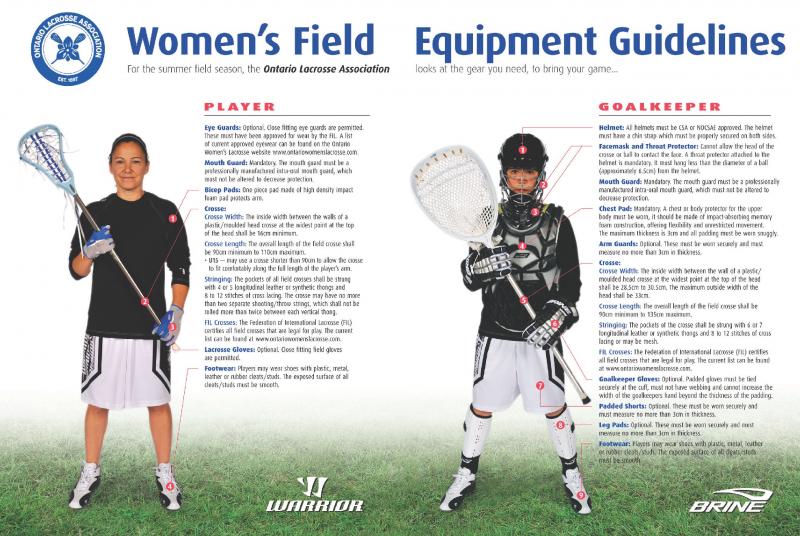
- Focus protection on elbows and forearms for handling checks.
- Allow mobility in shoulders to facilitate shooting and passing.
- Avoid bulky pads that could hinder your range of motion.
- Consider gloves with padded palms to protect against checks.
Goalie
- Use maximum coverage arm guards to protect against close-range shots.
- Look for compression sleeves to keep pads from shifting.
- Prioritize forearm and elbow protection when blocking shots.
- Ensure a full range of motion isn’t restricted by bulky pads.
The bottom line is that the right lacrosse arm pads let you play your position at your best. Talk to coaches and teammates to get recommendations on guards that offer protection without impeding performance. And don’t forget to replace worn gear for optimal safety and comfort.
Look for Padded Gloves for Hand Protection
While arm pads shield your limbs, don’t neglect protecting your hands and wrists in lacrosse. Taking checks directly to unprotected fingers or palms can lead to broken bones or sprains. That’s why finding the right padded gloves is a key part of overall arm protection.
For field players, look for gloves with thick padding across the palms and back of the hands. This cushions the blow from routine checks. Prioritize gloves that allow flexibility in the fingers and good grip on your stick handle. Defensemen in particular should opt for maximum padding to withstand constant physical contact.
Goalies require padded gloves with reinforced palms and wrists to absorb the impact of stopping shots. Look for compression cuffs that secure the gloves in place. Consider gloves with removable palms you can swap out when worn. Breathable fabrics help reduce sweat buildup in gloves during intense play.
When trying on lacrosse gloves, mimic motions like cradling, scooping, and passing to ensure full mobility. The gloves shouldn’t slide around or constrict movement. For the right fit, measure hand size against manufacturers’ sizing charts. Break in new gloves before game play to maximize comfort.
Here are some other glove tips to protect hands in lacrosse:
- Replace damaged gloves with holes or worn padding.
- Consider gloves with removable liners to customize padding.
- Clean gloves regularly to prevent odor and bacterial growth.
- Let gloves fully dry between uses to maximize lifespan.
- Tape wrists or wear wristbands to stabilize gloves.
Well-padded lacrosse gloves work hand-in-hand with arm pads to provide comprehensive protection. Don’t let hands become an afterthought in your safety gear. With the right gloves, you can confidently cradle and pass knowing your hands are shielded from harm.
Don’t Forget Elbow Pads for Shock Absorption
When it comes to lacrosse arm protection, there are a few essential pieces of gear that every player needs to stay safe on the field. Lacrosse is a fast-paced, full-contact sport, so having proper padding on your arms is crucial. Here are 15 must-know tips for outfitting yourself with the right lacrosse arm guards and pads to protect against checks, slashes, and stray balls.
1. Wear Elbow Pads
Elbow pads are arguably the most important piece of arm protection in lacrosse. When your elbows take a hit, the impact forces can travel straight to the fragile joint. Quality elbow pads will absorb shock and disperse energy from checks and falls. For youth players, soft cap-style pads are a good option since they allow more mobility. For older players, hinged pads with plastic caps offer the highest level of protection.
2. Consider Forearm Guards
Adding forearm guards is another great way to expand your protection range. They shield the vulnerable forearm and wrist areas from slashes and crosses. Many pads come integrated with elbow caps too. For midfielders who take more checks, forearm guards are a smart addition.
3. Use Arm Pads for All-Over Coverage
Lacrosse arm pads cover everything from your wrist to your shoulder in light padding. They’re a versatile option ideal for beginning and younger players. The extended coverage helps protect against incidental checks and balls while still allowing mobility.
4. Pick the Right Pad Size
Getting the proper fit is key for both comfort and safety. Arm pads should fit snugly without restricting your movement or circulation. Measure the length of your arm from wrist to elbow and elbow to shoulder. Compare those measurements against sizing charts to select the right pad size for full coverage.
5. Prioritize Padding Over Protection
More padding doesn’t always equal better protection. In fact, some of the most protective pads have lightweight, low-profile designs. Bulky pads can make arm motion awkward and may tempt you to remove or adjust them. Slimmer pads with strategic padding placements often provide the best fit.
6. Choose Breathable Materials
Lacrosse is a hot, sweaty sport. Arm pads made with breathable fabrics like mesh allow airflow to keep you cool. Moisture-wicking materials also draw sweat off your skin to prevent overheating. Staying dry will help you avoid skin irritation and focus on play.
7. Get the Proper Pad Texture
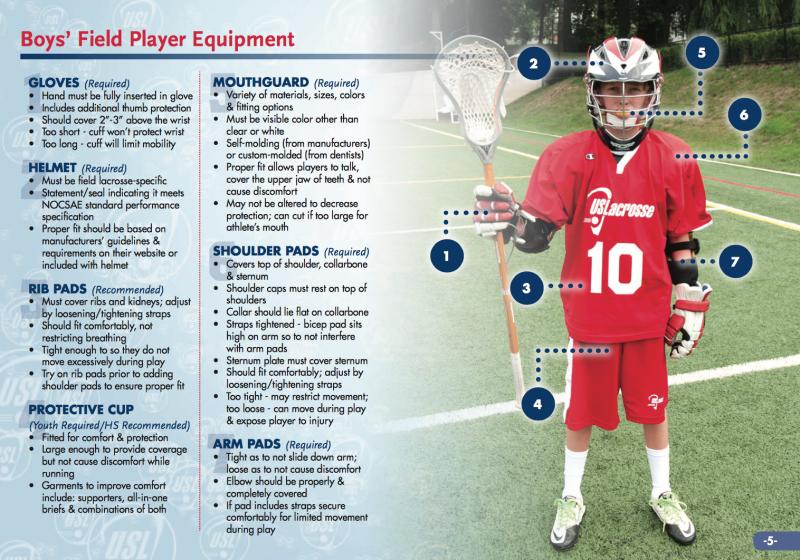
The right pad texture ensures your gear stays in place. Silicone grips on the interior arm sleeve create friction to prevent sliding. Exterior surfaces with some texture also help pads stay positioned when you get checked. Smooth pads tend to shift around more during play.
8. Don’t Neglect Hand Protection
Though not arm guards per se, lacrosse gloves still play an important role. They provide padding to the vulnerable hand and wrist areas. Goalie gloves offer the most protection. Field players can opt for padded palms and adjustable cuffs to customize fit.
9. Combine Arm Pads With Shoulder Pads
Pairing arm pads with shoulder pads extends protection up to the neck and down to the ribcage. It leaves fewer gaps for potential injury. Youth players, midfielders, and non-contact players can often get by with just arm sleeves. Defenders need extended padding from combined arm and shoulder gear.
10. Keep Gear On Until Off the Field
Don’t take pads off prematurely when exiting the field or bench area. Passes and missed shots can and do go errant. Keep all protective gear on until safely on the sideline or back in the team box area.
11. Inspect Gear Regularly
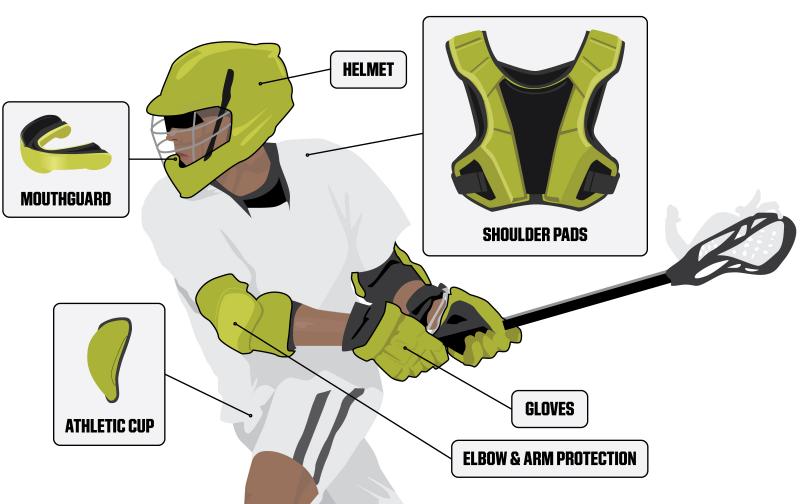
Check pads over thoroughly before each use for cracks, tears or defects. Damaged pads won’t provide full impact absorption. Replace any pads showing signs of excessive wear. Periodically sanitize guard interiors to prevent buildup of dirt, sweat and bacteria.
12. Break in New Pads Gradually
Brand new lacrosse pads can be stiff and restrictive until broken in. Transition into new arm guard use slowly. Wear them for shorter periods during practices to ease into the fit. Don’t debut new equipment for full games right away.
13. Remove Jewelry Before Padding Up
Jewelry worn under pads can be a hazard. Necklaces, bracelets, rings and other jewelry should be removed prior to putting on lacrosse equipment. Tuck in or tape down jersey drawstrings too to eliminate strangulation risks.
14. Get Properly Fitting Helmets
Though not arm guards, a well-fitting helmet still complements your protection.Helmets should sit level on the head with the chin strap properly adjusted. Newer helmet styles provide enhanced facemask visibility too.
15. Focus on Play, Not Pads
Quality lacrosse arm pads should move naturally with you on the field. With the right pads, you can focus on playmaking rather than fidgeting with shifting equipment. Break in new pads fully so they become like a second skin.
Protecting your arms in a hard-hitting sport like lacrosse is non-negotiable. With the right pads and guards, you can play confidently without sacrificing mobility. Follow these essential tips to find the best lacrosse arm protection for your position and style of play.
Find Forearm Guards to Prevent Bruising
When stepping out onto the lacrosse field, having complete protection for your arms is non-negotiable. With hard checks, errant slashes, and high-velocity shots, players need quality pads and guards. Use these 15 must-know tips to find the best lacrosse arm protection to keep you safe during play.
1. Shield Your Elbows
The elbow joint is vulnerable, so having pads that absorb and disperse impact forces is critical. Youth players can use soft cap elbow pads for mobility, while older players need sturdy pads with plastic caps for maximum protection.
2. Add Forearm Guards
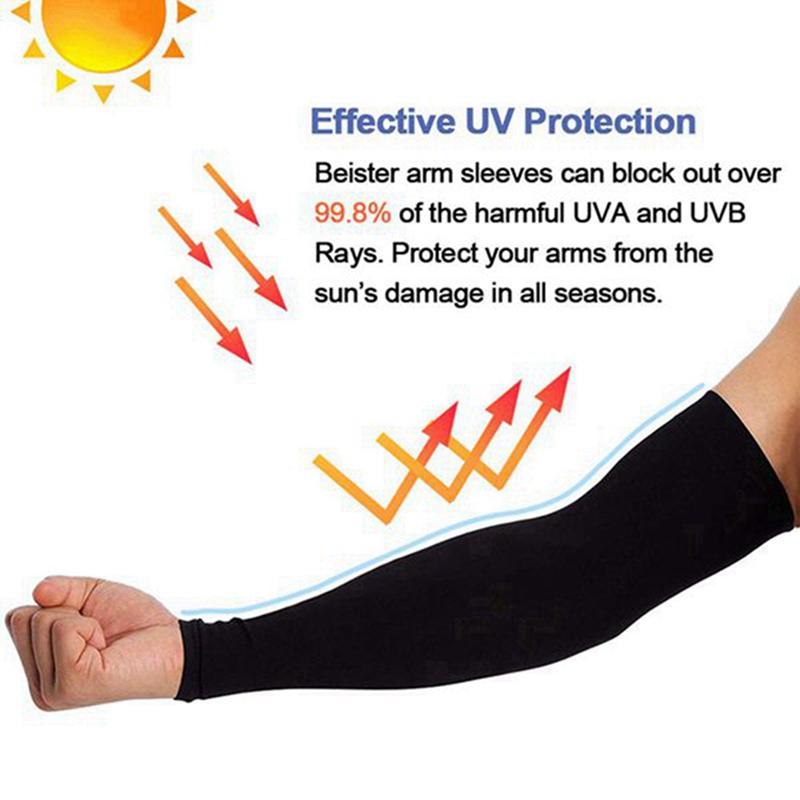
Forearm guards are a smart addition, especially for midfielders who take frequent checks. They safeguard the forearm and wrist against potential slashes and crosses from all angles.
3. Consider Full Arm Pads
For comprehensive coverage, lacrosse arm pads extend from wrist to shoulder. Ideal for new and young players, the pads cushion incidental contact while allowing free movement.
4. Get the Proper Fit
Measure your exact arm length and compare to size charts. Pads should fit snugly without limiting mobility or circulation. Proper sizing equals better protection.
5. Lightweight Doesn’t Mean Less Protection
Bulky pads can hinder movement and tempt removal. Slim, strategic designs often protect better by moving naturally with you on the field.
6. Opt for Breathability
Mesh fabrics allow airflow to keep players cool during intense play. Moisture-wicking materials also prevent irritating sweat buildup.
7. Texture Keeps Pads in Place

Silicone grips inside sleeves prevent sliding, while textured exteriors keep pads from shifting during checks. Smooth pads tend to migrate during play.
8. Add Hand Protection
Lacrosse gloves safeguard hands and wrists with padding. Goalies need maximum padding; field players can customize fit with adjustable wrist cuffs.
9. Combine With Shoulder Pads
Pairing arm guards with shoulder pads bridges protection gaps from neck to ribs. Defenders need this extended coverage the most.
10. Keep Pads On Until Off Field
Stay fully padded, even when exiting the field. Errant shots and passes can and do occur from the sidelines.
11. Inspect Gear Before Each Use
Check for cracks, tears or defects before each use. Replace damaged pads immediately for safety. Periodically sanitize interiors too.
12. Break In New Pads Slowly
Gradually wear new stiff pads during practices first. Don’t debut new pads for full games right away.
13. Remove Jewelry Before Padding Up
Eliminate lacrosse injury risks by removing all jewelry beforehand. Also tuck in or tape jersey drawstrings.
14. Get Properly Fitting Helmets
Helmets should sit level on your head with the chin strap snugly adjusted for optimal facemask visibility.
15. Focus on Play, Not Adjustments
Quality lacrosse pads should move seamlessly with you. With the right fit, you can concentrate on play rather than fidgeting.
Lacrosse is high-pace and hard-hitting, making arm protection non-negotiable. Utilize these essential tips to find the best lacrosse pads and guards for your position and style of play.
Get Upper Arm Pads for Vital Coverage
Stepping onto the lacrosse field requires protective gear from head to toe. For the arms specifically, players need quality pads and guards to stay safe from checks, slashes, and stray shots. Use these 15 essential tips to outfit yourself with the best lacrosse arm protection.
1. Shield Elbows from Impact

With the fragile elbow joint vulnerable, sturdy elbow pads are a must. They absorb shock and diffuse energy from hard contact. Youth need flexible cap-style pads, while older players require maximum protection from hinged pads.
2. Guard Forearms from Slashes
Adding forearm guards is smart, especially for frequently checked midfielders. Shielding the forearm and wrist, they protect against slashes from all directions.
3. Extend to Upper Arm Pads
For comprehensive arm coverage, pads spanning from wrist to shoulder cushion incidental contact for newer and younger players while allowing free movement.
4. Get the Right Pad Size
Take exact arm measurements and use sizing charts to find the proper fit. Snug pads prevent mobility restrictions and circulation issues for optimal safety.
5. Lightweight Doesn’t Equal Less Safe
Bulky pads can be restrictive and tempt removal. Slim, strategic padding often protects better by moving naturally with you.
6. Opt for Breathable Fabrics

Mesh and moisture-wicking materials allow airflow and sweat dissipation to avoid overheating and irritation during intense play.
7. Texture Prevents Pad Slippage
Silicone inner sleeve grips create friction to eliminate sliding. Textured external surfaces also prevent pads shifting on checks.
8. Add Hand Protection
Lacrosse gloves pad vulnerable hands and wrists. Max padding for goalies, adjustable cuffs for field players.
9. Combine With Shoulder Gear
Pairing arm pads with shoulder pads bridges coverage gaps. Defenders need this extended protection most.
10. Stay Padded Off-Field
Keep all gear on even when exiting the field. Errant shots and passes happen from the sidelines.
11. Inspect Before Each Use
Check for damage pre-use and replace worn pads immediately. Periodically sanitize interiors too.
12. Break In New Pads Slowly
Wear stiff new pads briefly during practices first. Don’t debut in full games right away.
13. Remove Jewelry Pre-Padding
Eliminate lacrosse injury risks by removing all jewelry first. Also secure jersey drawstrings.
14. Get Proper Helmet Fit
Helmets should sit level on your head with the chin strap snugly fastened for best visibility.
15. Focus on Play, Not Adjustments
Quality lacrosse pads should move seamlessly with you, letting you concentrate on playmaking.
With its fast pace and hard hits, lacrosse demands arm protection. Use these key tips to find the best lacrosse pads and guards for your position and style.
Pick Lightweight Pads for Mobility and Comfort
When playing the fast-paced, hard-hitting sport of lacrosse, keeping your arms shielded from harm is non-negotiable. With proper pads and guards, you can take the field confident you’re protected from checks, slashes and stray shots. Use these 15 essential tips to find the best lacrosse arm protection for your needs.
1. Absorb Impacts at the Elbow
The fragile elbow joint is vulnerable, making sturdy elbow pads critical. They dissipate shocks and blows to the joint. Youth need flexible cap pads while older players require maximum hinged pad protection.
2. Guard Against Forearm Slashes

Forearm guards wisely expand protection coverage. Especially useful for frequently checked midfielders, they protect the forearm and wrist from all angles.
3. Extend Protection With Arm Pads
For comprehensive arm coverage, pads from wrist to shoulder pad incidental contact for newer and younger players yet allow free movement.
4. Get Measurements for Proper Fit
Using exact arm measurements and sizing charts gets the right snug fit. Prevent mobility restrictions and circulation issues for optimal safety.
5. Lightweight Doesn’t Mean Less Safe
Bulky pads can hinder motion and tempt removal. Slim, strategic padding often protects better by moving naturally with you.
6. Opt for Cooling Breathable Fabrics
Mesh and moisture-wicking materials allow airflow and sweat evaporation, preventing overheating and skin irritation during intense play.
7. Texture Prevents Pad Sliding
Silicone sleeve grips create friction to eliminate arm pad sliding. Textured exteriors also prevent pads from shifting during checks.
8. Shield Hands and Wrists Too
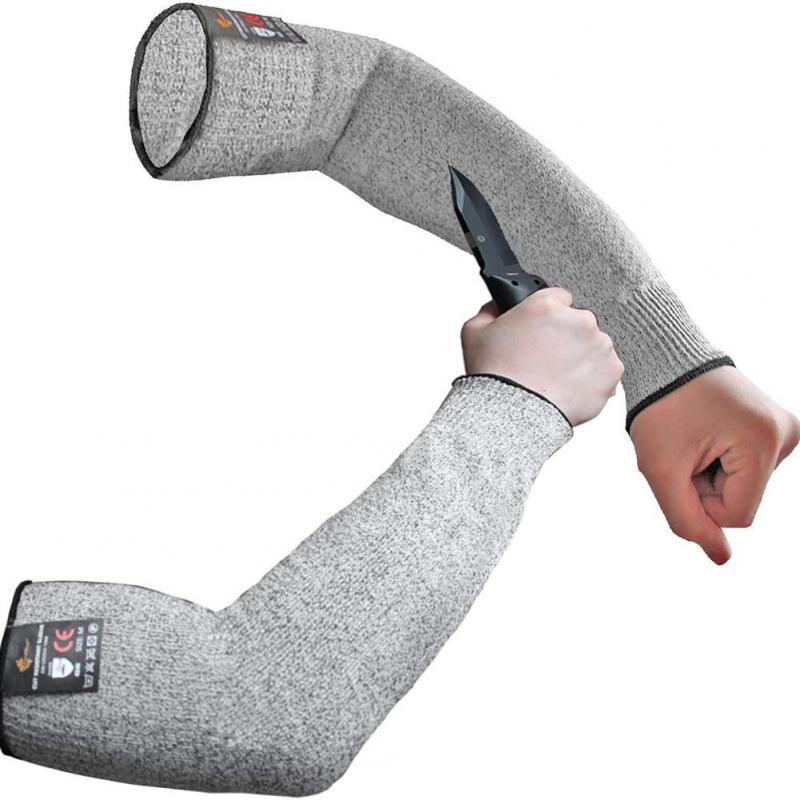
Lacrosse gloves safeguard vulnerable hands and wrists with padding. Goalies need maximum protection, field players can customize fits.
9. Connect With Shoulder Pads
Pairing arm guards with shoulder pads bridges coverage gaps. Defenders benefit most from this extended padding.
10. Stay Padded When Exiting Field
Keep all protective gear on even when leaving the field. Errant shots and passes still occur from the sidelines.
11. Inspect Gear Before Each Use
Check for damage and replace worn pads right away. Periodically sanitize pad interiors too.
12. Break In New Pads Slowly
Gradually wear stiff new pads during practices first before debuting in full games.
13. Remove Jewelry Pre-Padding
Eliminate lacrosse injury risks by removing all jewelry first. Also secure loose jersey drawstrings.
14. Get Proper Helmet Fit
Helmets should sit level on your head with the chin strap snugly fastened for optimal visibility.
15. Focus on Play, Not Adjustments
Quality lacrosse pads should move seamlessly with you, letting you focus on play rather than fidgeting.
Stay protected in the hard-hitting sport of lacrosse by utilizing these tips to find the best arm pads and guards for your needs.
Ensure Proper Fit to Prevent Slipping and Gaps
When playing the fast-paced, physical sport of lacrosse, keeping your arms shielded is non-negotiable. With hard checks and shots, quality pads and guards are a must. Use these 15 essential tips to find the best lacrosse arm protection to meet your needs.
1. Shield Elbows from Blows
The fragile elbow joint needs protection, making sturdy pads critical. They absorb and disperse impacts. Youth need flexible caps, older players require maximum hinged pad protection.
2. Add Forearm Guards
Forearm guards wisely expand coverage. Especially useful for frequently checked midfielders, they protect the forearm and wrist from all angles.
3. Consider Full Arm Pads

For comprehensive coverage, arm pads spanning wrist to shoulder pad incidental hits while retaining mobility for new and young players.
4. Use Size Charts for Proper Fit
Measure arms precisely and use sizing charts to get the right snug fit. Prevent mobility restrictions and circulation issues.
5. Lightweight Doesn’t Mean Less Protection
Bulky pads can hinder motion and tempt removal. Strategic slim padding often protects better by moving naturally.
6. Opt for Cooling Breathable Fabrics
Mesh and moisture-wicking materials allow airflow and sweat evaporation, preventing irritation during intense play.
7. Texture Keeps Pads from Sliding
Silicone sleeve grips create friction to eliminate sliding. Textured exteriors prevent pads shifting during checks too.
8. Shield Hands and Wrists
Lacrosse gloves safeguard vulnerable hands and wrists with padding. Goalies need maximum protection.
9. Connect Arm Guards With Shoulder Pads

Pairing arm and shoulder pads bridges coverage gaps. Defenders benefit most from this extended padding.
10. Stay Padded Off-Field
Keep all protective gear on even when leaving the field. Errant shots and passes still occur sidelines.
11. Inspect Gear Before Each Use
Check for damage and replace worn pads right away. Periodically sanitize pad interiors too.
12. Break In New Pads Slowly
Gradually wear stiff new pads during practices first before full game debuts.
13. Remove Jewelry Pre-Padding
Eliminate lacrosse injury risks by removing all jewelry first. Also secure loose jersey drawstrings.
14. Get Proper Helmet Fit
Helmets should sit level on your head with the chin strap snugly fastened for best visibility.
15. Focus on Play, Not Adjustments
Quality lacrosse pads should move seamlessly with you, letting you focus on play rather than fidgeting.
Stay protected playing lacrosse by using these tips to find the best arm pads and guards for your needs.
Consider Youth Sizes for Growing Kids
When playing the fast-paced, physical sport of lacrosse, keeping arms shielded is crucial. With hard checks and shots, quality pads and guards are essential. Use these 15 tips to find the best lacrosse arm protection to meet your needs.
1. Absorb Elbow Impacts
The fragile elbow joint needs protection, making sturdy pads key. They diffuse blow forces. Youth need flexible caps, older players require maximum hinged pads.
2. Add Forearm Shields
Forearm guards smartly expand coverage. Great for frequently checked midfielders, protecting the forearm and wrist from all angles.
3. Extend to Full Arm Pads
For comprehensive coverage, arm pads from wrist to shoulder cushion incidental hits while allowing mobility for new and young players.
4. Use Size Charts For Proper Fit
Measure arms precisely and use charts to get the right snug fit. Prevent mobility restrictions and circulation issues.
5. Lightweight Doesn’t Mean Less Safe
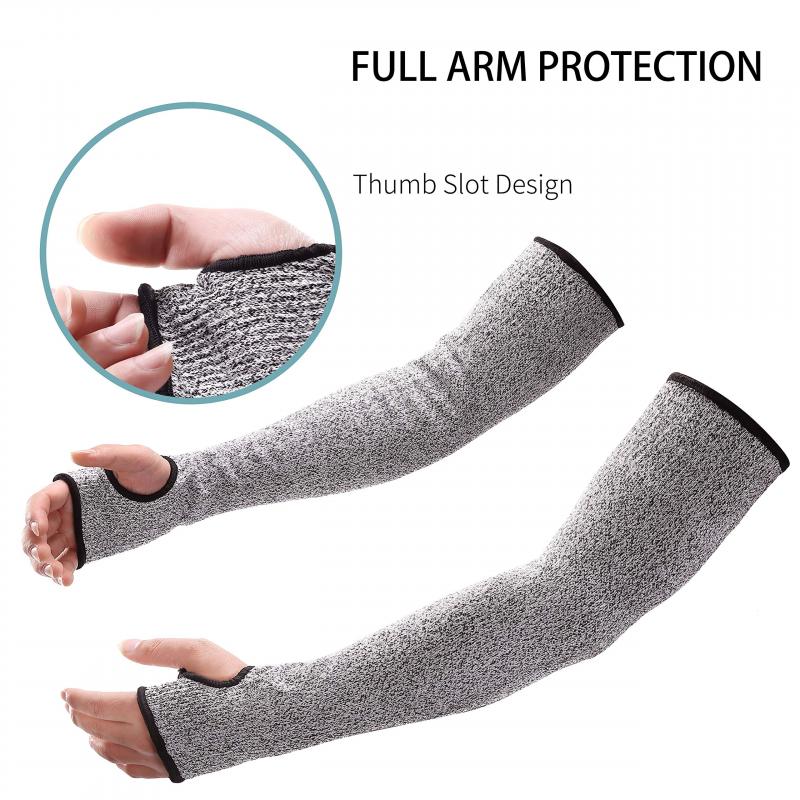
Bulky pads can hinder motion and tempt removal. Strategic slim padding often protects better through natural movement.
6. Opt For Cooling Breathable Materials
Mesh and moisture-wicking fabrics allow airflow and evaporation, preventing irritation during intense play.
7. Texture Stops Pads Sliding
Silicone sleeve grips prevent sliding. Textured exteriors stop pads shifting during checks too.
8. Shield Hands and Wrists Too
Lacrosse gloves protect vulnerable hands and wrists with padding. Goalies need maximum coverage.
9. Connect Arm and Shoulder Guards
Pairing arm and shoulder pads bridges gaps. Defenders benefit most from extended padding.
10. Stay Covered Off-Field
Keep all gear on even exiting the field. Errant shots and passes still happen from the sidelines.
11. Inspect Before Each Use
Check for damage and replace worn pads ASAP. Also periodically sanitize pad interiors.
12. Break In New Pads Slowly
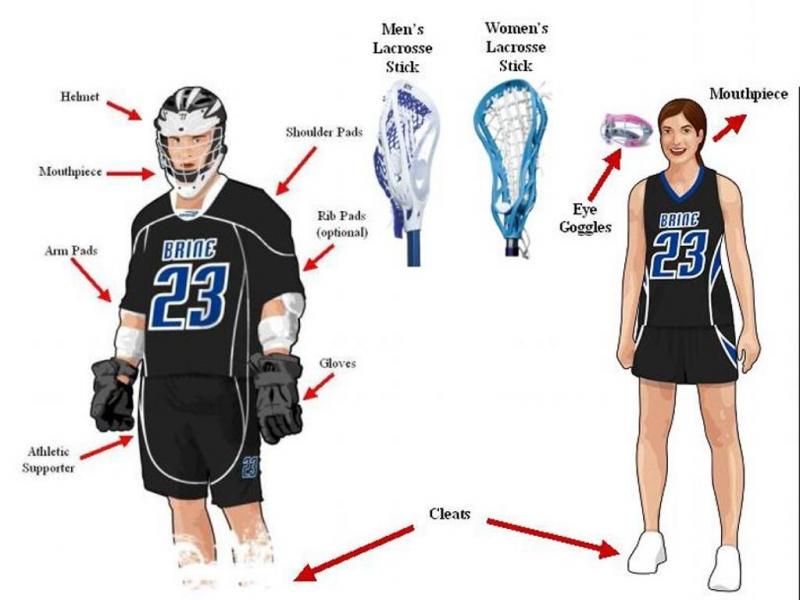
Gradually wear stiff new pads during practices first before full game debuts.
13. Remove Jewelry Pre-Gearing
Eliminate injury risks by removing all jewelry first. Also secure loose jersey drawstrings.
14. Get Proper Helmet Fit
Helmets should sit level on your head with the chin strap tightly fastened for best visibility.
15. Focus on Play, Not Adjusting
Quality lacrosse pads should move seamlessly with you, letting you focus on play not fidgeting.
Stay protected playing lacrosse by utilizing these tips to find the best arm pads and guards for your needs.
Prioritize Protection Over Style for Beginners
When stepping onto the fast-paced, physical lacrosse field, keeping arms shielded is crucial. With hard checks and shots, quality pads and guards are a must. Use these 15 essential tips to find the best lacrosse arm protection for your needs.
1. Absorb Elbow Impacts
The fragile elbow joint requires protection, making sturdy pads vital. They diffuse blow forces. Youth need flexible caps, older players require maximum hinged pads.
2. Add Forearm Shields
Forearm guards smartly expand coverage. Great for frequently checked midfielders, protecting the forearm and wrist from all angles.
3. Consider Full Arm Pads
For comprehensive coverage, arm pads from wrist to shoulder cushion incidental hits while allowing mobility for new and young players.
4. Use Size Charts for Proper Fit
Measure arms precisely and use charts to get the right snug fit. Prevent mobility restrictions and circulation issues.
5. Don’t Sacrifice Protection for Style
Bulky pads can hinder motion but provide vital protection. New players should prioritize safety over style.
6. Opt for Cooling Breathable Fabrics
Mesh and moisture-wicking materials allow airflow and sweat evaporation, preventing irritation during intense play.
7. Texture Stops Pad Sliding
Silicone sleeve grips prevent sliding. Textured exteriors stop pads shifting during checks too.
8. Shield Hands and Wrists Too
Lacrosse gloves protect vulnerable hands and wrists with padding. Goalies need maximum coverage.
9. Connect Arm and Shoulder Guards
Pairing arm and shoulder pads bridges gaps. Defenders benefit most from extended padding.
10. Stay Covered Off-Field
Keep all gear on even exiting the field. Errant shots and passes still happen from the sidelines.
11. Inspect Before Each Use
Check for damage and replace worn pads ASAP. Also periodically sanitize pad interiors.
12. Break In New Pads Slowly
Gradually wear stiff new pads during practices first before full game debuts.
13. Remove Jewelry Pre-Gearing
Eliminate injury risks by removing all jewelry first. Also secure loose jersey drawstrings.
14. Get Proper Helmet Fit
Helmets should sit level on your head with the chin strap tightly fastened for best visibility.
15. Focus on Play, Not Adjusting
Quality lacrosse pads should move seamlessly with you, letting you focus on play not fidgeting.
Stay protected playing lacrosse by using these tips to find the best arm pads and guards for your needs.
Focus on Vital Strike Zones Like Elbows and Forearms

When playing the fast-paced, physical sport of lacrosse, keeping your arms shielded is crucial. With hard checks and shots, quality pads and guards are essential. Use these 15 must-know tips to find the best lacrosse arm protection to meet your needs.
1. Absorb Impacts at the Elbows
The fragile elbow joint requires protection, making sturdy pads vital. They diffuse blow forces. Youth need flexible caps, older players require maximum hinged pads.
2. Shield the Vulnerable Forearms
Forearm guards smartly expand coverage against slashes. Great for frequently checked midfielders, protecting the forearm and wrist from all angles.
3. Consider Full Arm Pads
For comprehensive coverage, arm pads from wrist to shoulder cushion incidental hits while allowing mobility for new and young players.
4. Use Size Charts for Proper Fit
Measure arms precisely and use charts to get the right snug fit. Prevent mobility restrictions and circulation issues.
5. Prioritize Vital Strike Zones
Focus protection on the most vulnerable areas like elbows and forearms. Sacrifice full arm coverage if needed.
6. Opt for Cooling Breathable Fabrics
Mesh and moisture-wicking materials allow airflow and sweat evaporation, preventing irritation during intense play.
7. Texture Stops Pad Sliding
Silicone sleeve grips prevent sliding. Textured exteriors stop pads shifting during checks too.
8. Shield Hands and Wrists Too
Lacrosse gloves protect vulnerable hands and wrists with padding. Goalies need maximum coverage.
9. Connect Arm and Shoulder Guards
Pairing arm and shoulder pads bridges gaps. Defenders benefit most from extended padding.
10. Stay Covered Off-Field
Keep all gear on even exiting the field. Errant shots and passes still happen from the sidelines.
11. Inspect Before Each Use
Check for damage and replace worn pads ASAP. Also periodically sanitize pad interiors.
12. Break In New Pads Slowly
Gradually wear stiff new pads during practices first before full game debuts.
13. Remove Jewelry Pre-Gearing
Eliminate injury risks by removing all jewelry first. Also secure loose jersey drawstrings.
14. Get Proper Helmet Fit
Helmets should sit level on your head with the chin strap tightly fastened for best visibility.
15. Focus on Play, Not Adjusting
Quality lacrosse pads should move seamlessly with you, letting you focus on play not fidgeting.
Stay protected playing lacrosse by using these tips to find the best arm pads and guards for your needs.
Ventilated Gear Allows Airflow to Keep Cool
When playing the fast-paced, physical sport of lacrosse, keeping your arms protected is crucial. With hard checks and shots, quality pads and guards are a must. Use these 15 essential tips to find the best lacrosse arm protection to meet your needs.
1. Absorb Impacts at the Elbows
The fragile elbow joint requires protection, making sturdy pads vital. They diffuse blow forces. Youth need flexible caps, older players require maximum hinged pads.
2. Shield the Vulnerable Forearms

Forearm guards smartly expand coverage against slashes. Great for frequently checked midfielders, protecting the forearm and wrist.
3. Consider Full Arm Pads
For comprehensive coverage, arm pads from wrist to shoulder cushion hits while allowing mobility for new and young players.
4. Use Size Charts for Proper Fit
Measure arms precisely and use charts to get the right snug fit. Prevent mobility restrictions and circulation issues.
5. Focus Protection on Vital Zones
Prioritize crucial impact areas like elbows and forearms. Sacrifice full arm coverage if needed.
6. Opt for Ventilated, Breathable Gear
Mesh and moisture-wicking materials allow airflow and sweat evaporation, preventing overheating during intense play.
7. Texture Stops Pad Sliding
Silicone sleeve grips prevent sliding. Textured exteriors stop pads shifting during checks too.
8. Shield Hands and Wrists Too
Lacrosse gloves protect vulnerable hands and wrists with padding. Goalies need maximum coverage.
9. Connect Arm and Shoulder Guards
Pairing arm and shoulder pads bridges gaps. Defenders benefit most from extended padding.
10. Stay Covered Off-Field
Keep all gear on even exiting the field. Errant shots and passes still happen from the sidelines.
11. Inspect Before Each Use
Check for damage and replace worn pads ASAP. Also periodically sanitize pad interiors.
12. Break In New Pads Slowly
Gradually wear stiff new pads during practices first before full game debuts.
13. Remove Jewelry Pre-Gearing
Eliminate injury risks by removing all jewelry first. Also secure loose jersey drawstrings.
14. Get Proper Helmet Fit
Helmets should sit level on your head with the chin strap tightly fastened for best visibility.
15. Focus on Play, Not Adjusting
Quality lacrosse pads should move seamlessly with you, letting you focus on play not fidgeting.
Stay protected playing lacrosse by using these tips to find the best arm pads and guards for your needs.
Wash Regularly to Prevent Unpleasant Odors & Growth
When playing the fast-paced, physical sport of lacrosse, keeping your arms protected is vital. With hard checks and shots, quality pads and guards are essential. Use these 15 must-know tips to find the best lacrosse arm protection for your needs.
1. Absorb Impacts at the Elbows
The fragile elbow joint requires protection, making sturdy pads vital. They diffuse blow forces. Youth need flexible caps, older players require maximum hinged pads.
2. Shield the Vulnerable Forearms
Forearm guards smartly expand coverage against slashes. Great for frequently checked midfielders, protecting the forearm and wrist.
3. Consider Full Arm Pads
For comprehensive coverage, arm pads from wrist to shoulder cushion hits while allowing mobility for new and young players.
4. Use Size Charts for Proper Fit
Measure arms precisely and use charts to get the right snug fit. Prevent mobility restrictions and circulation issues.
5. Focus Protection on Vital Zones
Prioritize crucial impact areas like elbows and forearms. Sacrifice full arm coverage if needed.
6. Opt for Ventilated, Breathable Gear
Mesh and moisture-wicking materials allow airflow and sweat evaporation, preventing overheating during play.
7. Texture Stops Pad Sliding
Silicone sleeve grips prevent sliding. Textured exteriors stop pads shifting during checks too.
8. Wash Pads Regularly
Clean pads often to avoid unpleasant odors and bacteria growth. Use mild detergent and air dry.
9. Connect Arm and Shoulder Guards
Pairing arm and shoulder pads bridges gaps. Defenders benefit most from extended padding.
10. Stay Covered Off-Field
Keep all gear on even exiting the field. Errant shots and passes still happen from the sidelines.
11. Inspect Before Each Use
Check for damage and replace worn pads ASAP. Also periodically sanitize pad interiors.
12. Break In New Pads Slowly
Gradually wear stiff new pads during practices first before full game debuts.
13. Remove Jewelry Pre-Gearing
Eliminate injury risks by removing all jewelry first. Also secure loose jersey drawstrings.
14. Get Proper Helmet Fit
Helmets should sit level on your head with the chin strap tightly fastened for best visibility.
15. Focus on Play, Not Adjusting
Quality lacrosse pads should move seamlessly with you, letting you focus on play not fidgeting.
Stay protected playing lacrosse by using these tips to find the best arm pads and guards for your needs.
Replace WORN or Damaged Lacrosse Arm Guards
When playing the fast-paced, physical sport of lacrosse, keeping your arms shielded is vital. With hard checks and shots, quality pads and guards are key. Use these 15 must-know tips to find the best lacrosse arm protection for your needs.
1. Absorb Impacts at the Elbows
The fragile elbow joint requires protection, making sturdy pads vital. They diffuse blow forces. Youth need flexible caps, older players require maximum hinged pads.
2. Shield the Vulnerable Forearms

Forearm guards smartly expand coverage against slashes. Great for frequently checked midfielders, protecting the forearm and wrist.
3. Consider Full Arm Pads
For comprehensive coverage, arm pads from wrist to shoulder cushion hits while allowing mobility for new and young players.
4. Use Size Charts for Proper Fit
Measure arms precisely and use charts to get the right snug fit. Prevent mobility restrictions and circulation issues.
5. Focus Protection on Vital Zones
Prioritize crucial impact areas like elbows and forearms. Sacrifice full arm coverage if needed.
6. Opt for Ventilated, Breathable Gear
Mesh and moisture-wicking materials allow airflow and sweat evaporation, preventing overheating during play.
7. Texture Stops Pad Sliding
Silicone sleeve grips prevent sliding. Textured exteriors stop pads shifting during checks too.
8. Replace Damaged or Worn Pads
Inspect closely and replace any cracked, torn or defective pads immediately. Don’t risk injury with compromised gear.
9. Connect Arm and Shoulder Guards

Pairing arm and shoulder pads bridges gaps. Defenders benefit most from extended padding.
10. Stay Covered Off-Field
Keep all gear on even exiting the field. Errant shots and passes still happen from the sidelines.
11. Inspect Before Each Use
Check for damage and replace worn pads ASAP. Also periodically sanitize pad interiors.
12. Break In New Pads Slowly
Gradually wear stiff new pads during practices first before full game debuts.
13. Remove Jewelry Pre-Gearing
Eliminate injury risks by removing all jewelry first. Also secure loose jersey drawstrings.
14. Get Proper Helmet Fit
Helmets should sit level on your head with the chin strap tightly fastened for best visibility.
15. Focus on Play, Not Adjusting
Quality lacrosse pads should move seamlessly with you, letting you focus on play not fidgeting.
Stay protected playing lacrosse by using these tips to find the best arm pads and guards for your needs.
Store Properly After Use to Maintain Shape
When playing the fast-paced, physical sport of lacrosse, keeping your arms protected is key. With hard checks and shots, quality pads and guards are essential. Use these 15 must-know tips to find the best lacrosse arm protection for your needs.
1. Absorb Impacts at the Elbows
The fragile elbow joint requires protection, making sturdy pads vital. They diffuse blow forces. Youth need flexible caps, older players require maximum hinged pads.
2. Shield the Vulnerable Forearms
Forearm guards smartly expand coverage against slashes. Great for frequently checked midfielders, protecting the forearm and wrist.
3. Consider Full Arm Pads
For comprehensive coverage, arm pads from wrist to shoulder cushion hits while allowing mobility for new and young players.
4. Use Size Charts for Proper Fit
Measure arms precisely and use charts to get the right snug fit. Prevent mobility restrictions and circulation issues.
5. Focus Protection on Vital Zones

Prioritize crucial impact areas like elbows and forearms. Sacrifice full arm coverage if needed.
6. Opt for Ventilated, Breathable Gear
Mesh and moisture-wicking materials allow airflow and sweat evaporation, preventing overheating during play.
7. Texture Stops Pad Sliding
Silicone sleeve grips prevent sliding. Textured exteriors stop pads shifting during checks too.
8. Replace Damaged or Worn Pads
Inspect closely and replace any cracked, torn or defective pads immediately. Don’t risk injury with compromised gear.
9. Store Properly After Use
Keep pads in breathable bags and allow to fully air dry after games to maintain shape and prevent odor.
10. Stay Covered Off-Field
Keep all gear on even exiting the field. Errant shots and passes still happen from the sidelines.
11. Inspect Before Each Use
Check for damage and replace worn pads ASAP. Also periodically sanitize pad interiors.
12. Break In New Pads Slowly

Gradually wear stiff new pads during practices first before full game debuts.
13. Remove Jewelry Pre-Gearing
Eliminate injury risks by removing all jewelry first. Also secure loose jersey drawstrings.
14. Get Proper Helmet Fit
Helmets should sit level on your head with the chin strap tightly fastened for best visibility.
15. Focus on Play, Not Adjusting
Quality lacrosse pads should move seamlessly with you, letting you focus on play not fidgeting.
Stay protected playing lacrosse by using these tips to find the best arm pads and guards for your needs.
Ask Coaches for Specific Recommendations
When playing the fast-paced, physical sport of lacrosse, keeping your arms protected is vital. With hard checks and shots, quality pads and guards are essential. Use these 15 must-know tips to find the best lacrosse arm protection for your needs.
1. Absorb Impacts at the Elbows
The fragile elbow joint requires protection, making sturdy pads vital. They diffuse blow forces. Youth need flexible caps, older players require maximum hinged pads.
2. Shield the Vulnerable Forearms
Forearm guards smartly expand coverage against slashes. Great for frequently checked midfielders, protecting the forearm and wrist.
3. Consider Full Arm Pads
For comprehensive coverage, arm pads from wrist to shoulder cushion hits while allowing mobility for new and young players.
4. Use Size Charts for Proper Fit
Measure arms precisely and use charts to get the right snug fit. Prevent mobility restrictions and circulation issues.
5. Focus Protection on Vital Zones
Prioritize crucial impact areas like elbows and forearms. Sacrifice full arm coverage if needed.
6. Opt for Ventilated, Breathable Gear
Mesh and moisture-wicking materials allow airflow and sweat evaporation, preventing overheating during play.
7. Texture Stops Pad Sliding
Silicone sleeve grips prevent sliding. Textured exteriors stop pads shifting during checks too.
8. Replace Damaged or Worn Pads
Inspect closely and replace any cracked, torn or defective pads immediately. Don’t risk injury with compromised gear.
9. Store Properly After Use

Keep pads in breathable bags and allow to fully air dry after games to maintain shape and prevent odor.
10. Ask Coaches for Recommendations
Consult coaches on the best pads for your position and skill level. Their experience can guide you.
11. Inspect Before Each Use
Check for damage and replace worn pads ASAP. Also periodically sanitize pad interiors.
12. Break In New Pads Slowly
Gradually wear stiff new pads during practices first before full game debuts.
13. Remove Jewelry Pre-Gearing
Eliminate injury risks by removing all jewelry first. Also secure loose jersey drawstrings.
14. Get Proper Helmet Fit
Helmets should sit level on your head with the chin strap tightly fastened for best visibility.
15. Focus on Play, Not Adjusting
Quality lacrosse pads should move seamlessly with you, letting you focus on play not fidgeting.
Stay protected playing lacrosse by using these tips to find the best arm pads and guards for your needs.