If you’re thinking of starting a used car dealership in Wisconsin, obtaining the proper license is a crucial first step. Though the licensing process may seem daunting, breaking it down into clear steps makes achieving your goal of legal operation much more feasible. This comprehensive guide covers everything you need to know to get a car dealer license in the Badger State.
Requirements for Obtaining Dealers License
When applying for a used auto dealer license in Wisconsin, there are several key requirements you must meet. First, you’ll need to have an established place of business, whether you plan to operate out of a commercial lot, an office building, or even your home residence. This dealership location must meet zoning and building code regulations. You’ll also need to show proof of garage liability insurance to operate legally. All owners and operators must pass a background check as well. And of course, various fees apply for both the initial license and renewals.
The state’s Department of Transportation also mandates certain educational requirements for used car dealers. You’ll need proper training in law, finance, and ethics to help you navigate the complex regulations in this industry. Some choose to meet these education requirements by taking applicable college courses, but trade organizations also offer approved curriculum options online or through self-study programs.
Having prior sales experience or on-the-job training under an existing dealer can also help demonstrate your qualifications when applying for a license. Knowledge of automobiles and diagnostic repair skills may come in handy too. Overall, convincing the state that you have the proper knowledge, character, experience, and facilities demonstrates your readiness for operating a compliant used car business.
Applying for Licenses
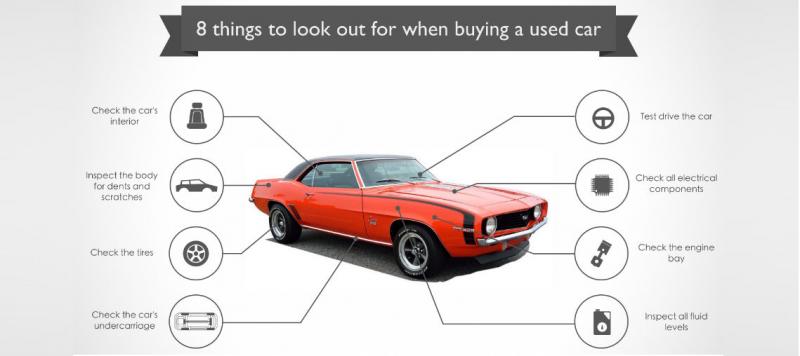
To legally sell used vehicles in Wisconsin, you must obtain a license by submitting the proper application forms to the state Department of Transportation’s Dealer Section. This department offers both a used vehicle dealer license and a motor vehicle salvage dealer license. Determine which best suits your business model before starting the paperwork.
The detailed application asks for information on your chosen location, qualifications, criminal history, and financial solvency. Processing time takes six to eight weeks under normal circumstances. You’ll receive either an approval or request for further documentation. Once approved, you can operate legally as a licensed dealer in compliance with relevant regulations.
Meeting Facility Requirements
Your physical dealership location plays a key role in licensing. It must meet building codes and be properly zoned for commercial retail activities. The premises must have office space for completing paperwork along with a display area for your vehicle inventory.
Having a vehicle repair garage on-site gives you more flexibility but isn’t strictly required. The facility must pass any municipal inspections and be approved by the state as a suitable dealership site.
Dealers operating out of their home residence have more flexibility if the property and zoning allow for commercial use. Even a small number of vehicles for sale in your yard or garage may require licensing.
Insurance Requirements
The right liability insurance coverage is also mandatory. Garage liability insurance tailored to dealership needs covers risks specific to selling used vehicles. This protects your business in the event of incidents like auto accidents involving inventory vehicles. Auto service operations on-site would need additional coverage.
Bring proof of adequate insurance when submitting your dealers license application. Maintaining continuous coverage is also required to stay compliant with state regulations.
Background Checks
As part of the licensing approval process, the state conducts background checks on all applicants. Any owners or partners with at least 10% stake in the business must submit fingerprints and pass this screening.
Significant criminal records or convictions could lead to rejection. Minor violations or financial troubles in your past won’t necessarily preclude licensing. Full, honest disclosure is recommended throughout the application process.
Acquiring Vehicles
Some initial inventory may help demonstrate the legitimacy of your planned dealership. But it’s wise to wait on acquiring significant inventory until after you’ve obtained state licensing. The license simplifies the process of properly titling all used autos you take in.
Once licensed, look to auctions, trade-ins, and private parties for inventory. Develop relationships with franchised dealers for sourcing off-lease trade-ins as well. Follow regulations on titling and advertising when reselling vehicles to comply with state law.
License Renewal
Initial Wisconsin used auto dealer licenses remain valid for two years. You must renew the license biennially to legally continue operating. This renewal process is simplified compared to the initial application.
However, you’ll still need to provide updated background checks, insurance forms, and any other documentation requested by the DOT. Failing to renew properly could force your business to temporarily cease operations.
Staying on top of renewal deadlines ensures your dealership avoids any disruptions. Mark your calendar well in advance of expiration dates for smooth renewals.
Key Takeaways
Obtaining and maintaining a used auto dealer license enables compliant operation in Wisconsin. From meeting facility and insurance requirements to completing state applications accurately, follow all steps carefully. This comprehensive guide touches on central elements of the licensing process so you can open your used car dealership smoothly.
Starting a used car dealership in Wisconsin requires obtaining a state license. But not all licenses are created equal. The specific type you’ll need depends on your business model and operations. Understanding the different license options helps ensure you pursue the ideal one for your goals.
Types of Licenses for Car Dealerships
The Wisconsin Department of Transportation (DOT) offers several classes of dealer licenses. Each comes with its own unique requirements, so review them closely to choose the optimal match.
Used Vehicle Dealer License
For those focused strictly on selling pre-owned passenger vehicles and light trucks, a used vehicle dealer license makes the most sense. This allows buying and selling used cars, trucks, vans, and SUVs that fall under 8,000 pounds gross vehicle weight.
With this license, you can offer test drives and carry out private transactions. However, restrictions apply to dealer-to-dealer wholesale sales. And unlike wholesalers, used vehicle dealers cannot buy vehicles solely for export out of state.
Wholesale Vehicle Dealer License
Wholesalers buy and sell used vehicles strictly to other licensed dealers. They don’t sell directly to retail consumers. This wholesale dealer license provides more flexibility for dealer-to-dealer transactions and out-of-state exports.
However, wholesalers face greater restrictions on activities like test drives. Their facilities also don’t require sales offices since they don’t conduct retail transactions. Wholesaling can make a good stepping stone toward opening a full retail used car lot.
Salvage Dealer License
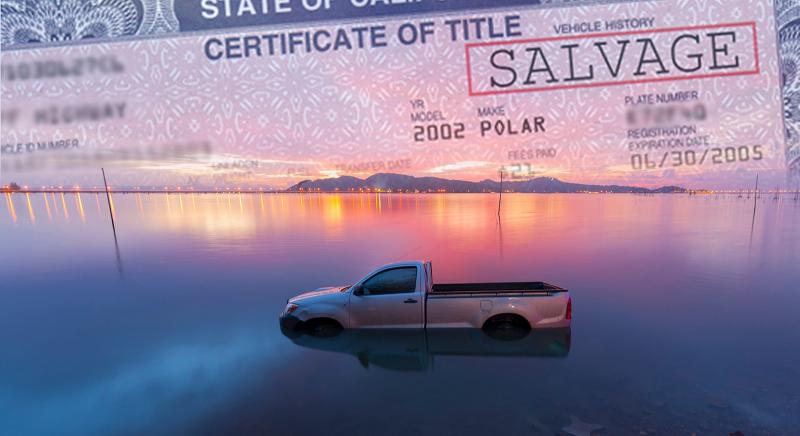
Dealing in salvaged vehicles requires a specialized salvage dealer license. These are vehicles deemed total losses from accidents or natural disasters and issued salvage titles. Salvage dealer licenses allow purchasing, repairing, and reselling salvage-titled vehicles.
Extensive regulations cover rebuilding salvage vehicles to roadworthy condition. Dealers must document all repair work and get vehicles re-inspected before reselling with rebuilt titles. Handling salvage vehicles makes compliance quite complex.
Motor Vehicle Auction Dealer License
Independent auto auctions require licensing as auction dealers. This allows organizing and operating real-time used vehicle auctions, including simulcast sales. Auction dealers can facilitate sales between licensed dealers and commercial buyers.
They must follow regulations around temporary vehicle titling and transfers during the auction process. Most public consumers can’t directly buy vehicles at licensed motor vehicle auctions.
Key Considerations
Review the used dealer license category definitions closely to choose the right option for your business model. Factor in current plans and future goals. For instance, wholesaling may work initially but a used vehicle dealer license opens more growth potential long-term.
Navigating the complex state licensing regulations becomes much smoother when you select the optimal dealer license class early on. Identify the category that aligns with your target inventory, customers, and operations model.
After deciding on the right dealer license class for your Wisconsin used car business, it’s time to apply for the official state credential. Successfully applying for a new motor vehicle dealer license requires meticulous attention to detail, paperwork, and procedures.
Applying for New Motor Vehicle Dealer License
The Wisconsin DOT provides instructions for submitting new dealer license applications. Gathering the required documents and forms takes diligence. Be prepared to invest substantial time completing this licensing paperwork.
The Dealer License Application
The DOT’s MV2162 application form for motor vehicle dealers serves as the core of your paperwork. Download the latest version and fill it out meticulously. Double-check for accuracy, as any errors could delay processing.
This multi-page application asks for extensive personal, business, and location information. You’ll list all owners, partners, and financial stakeholders. Expect to provide driver’s license, tax ID, and incorporation documents.
Application fees also apply. The exact cost depends on the license type sought, numbering of dealerships, and other factors. Be ready to pay required licensing and background check fees.
Personal Background Checks
As noted on the application, every dealer owner and partner must complete background check procedures. The DOT provides fingerprint cards for this purpose.
Visit an authorized fingerprinting service to have prints taken for all owners with at least 10% ownership stake. Follow precisely the instructions for completing cards and payment.
DOT reviewers scrutinize personal histories for any issues that might disqualify applicants from holding a dealer license.
Dealership Photos

Your application must include photographs of the proposed dealership location. Both interior and exterior images should show the general facilities and layout.
Provide photos of the office, customer areas, and any service or garage bays. Clean, organize and stage areas to make the best impression on reviewers.
Local Zoning Statements
Include an official statement or permit from local zoning authorities. This should state that the property’s zoning allows for motor vehicle sales and dealership activities.
Some municipalities require special use permits for dealership businesses. Seeking their approval early makes the DOT application process simpler.
Ensuring Completeness
Meticulously assembling all required documents, fees, and forms prevents application delays or rejections. Double and triple check for mistakes before submitting. With attention to detail, your approval should follow within two months.
In Wisconsin, operating a used car lot selling pre-owned vehicles to the public requires a used motor vehicle dealer license. Navigating the application process ensures you obtain the proper state credential for legal compliance.
Used Motor Vehicle Dealer License Application
Like new car dealers, used vehicle dealers must apply for and receive an official license from the Wisconsin DOT. The process shares many similarities but also has some unique requirements.
Using the MV2162 Form
All dealer license applications in Wisconsin utilize the DOT’s MV2162 form. Used car dealers fill out the same basic document as new vehicle franchisees.
Clearly mark that you are applying for a used vehicle dealer license. Provide all details on your business structure, ownership, location, and inventory. The DOT reviews everything thoroughly.
Application Fees
A $200 nonrefundable application fee applies to used vehicle dealer applicants, along with a $7 processing fee. All owners must also pay $10 each for individual background checks.
Calculate total fees carefully based on the number of owners involved. The DOT wants a single check or money order covering all associated costs.
Education Requirements
Used vehicle dealers in Wisconsin must meet certain education requirements through approved courses. Options include college classes, industry seminars, and online programs.
Submit certificates of completion for the requisite hours of instruction with the application. Coursework must cover law, ethics, finance, and regulation specifically relevant to dealerships.
Surety Bond
Applicants must file a $50,000 surety bond from an authorized firm. This guarantees the dealer’s financial responsibility to customers and creditors.
Work with an insurance agent or broker to arrange the necessary bond and include documentation with your completed application.
Allow 6-8 Weeks
Once submitted, used vehicle dealer license applications take six to eight weeks to process. The DOT will follow up on any missing items or issues requiring clarification.
With persistence and attention to detail, used car dealers can navigate the licensing process successfully.
When applying for a used car dealer license in Wisconsin, you’ll need to account for various licensing fees. Understanding these costs ensures your business budget covers them completely so your application proceeds smoothly.
License Fees for Car Dealers in Wisconsin
The Wisconsin DOT charges certain fees to auto dealers seeking licensure. These help cover administrative costs for processing applications, conducting background checks, and general licensing oversight.
Initial License Fees
For an initial used car dealer license, expect to pay:
- $200 nonrefundable application fee
- $7 processing fee
- $10 per owner for background checks
So for example, an LLC with two owner/partners would pay $227 in total initial fees ($200 + $7 + $10 x 2).
Biennial Renewal Fees
Licenses must be renewed every two years in Wisconsin. Renewal costs are:
- $100 base renewal fee
- $7 processing fee
- Updated background check fees
Any inactive periods or lapses in licensing also require paying all back renewal fees before being reinstated by the DOT.
Other Potential Costs
Fees for surety bonds, fingerprints, education courses, and other licensing requirements may also apply. And once open, dealers must pay $15 to the DOT for each new title issued.
Shop around for the best rates on items like surety bonds. Complete necessary classes economically as well.
Budgeting Properly
Confirm fee amounts by contacting the Wisconsin DOT Dealer Section directly. Then allocate sufficient funds in your business budget to cover these licensing expenses without financial strain.
Wisconsin requires used car dealers to meet certain educational criteria to obtain and maintain a license. Understanding these requirements helps you properly qualify and operate legally.
Education Requirements for Dealers
Along with business experience, used auto dealers in Wisconsin must complete educational coursework geared to the industry. This demonstrates core competencies for legal compliance and ethical operations.
Initial Education Minimums
To qualify for an initial used vehicle dealer license, applicants must complete:
- 3 credit hours of motor vehicle law
- 3 credit hours of motor vehicle finance
- 2 credit hours of ethics
These credits can be earned through approved college courses, seminars, online classes, and other formats. Most focus specifically on laws, rules, and ethics for Wisconsin dealerships.
Ongoing Education Requirements
Every two years when renewing licenses, dealers must complete:
- 3 credit hours of law
- 3 credit hours of financial management
Continuing education ensures dealers stay up-to-date on changing regulations and business best practices.
Finding Qualified Courses
The Wisconsin DOT maintains a list of approved education providers both within the state and online. Look for affordable courses that meet your schedule needs.
Industry associations like the WI Automobile & Truck Dealers Association often offer programs fulfilling state requirements as well.
Verifying Compliance
Carefully document any education credits earned and submit them with your initial dealer application and renewal paperwork. Following Wisconsin’s education requirements for dealers ensures your license remains valid.
Beyond just fees and forms, securing a Wisconsin used auto dealer license requires meeting key qualifications. Understanding these prerequisites helps you evaluate your readiness for licensing.
Necessary Qualifications to Get License

The Wisconsin DOT wants dealers to demonstrate their fitness for operating legally and ethically. While any adult can apply, certain qualifications make approval far more likely.
Good Character
During background checks, the DOT looks for significant criminal records or convictions that could indicate risks with licensing. Minor issues like old traffic tickets won’t necessarily disqualify you.
However, recent felony convictions or fraud charges will certainly jeopardize applications. Wisconsin also denies licenses to registered sex offenders.
Industry Experience
Previous experience selling vehicles or working at a dealership provides a solid foundation of knowledge. Those new to the industry may need to first gain hands-on experience before applying.
Some complete dealer education programs prior to licensing to partially compensate for their lack of direct work experience.
Financial Stability
The DOT verifies an applicant’s financial solvency to operate a licensed business. Significant personal or business bankruptcies or unpaid tax liens could hurt your chances, unless these are older issues that you’ve recovered from.
Bonding Ability
As independent brokers, used dealers must acquire a $50,000 surety bond. This guarantees their financial responsibility to consumers and creditors.
Having good credit and a solid business plan makes obtaining the necessary bond much easier.
Preparing Thoroughly
Evaluate your qualifications objectively and shore up any weaknesses before applying. This helps set your Wisconsin used car dealer application up for smooth sailing.
After assembling all the required forms, documents, and fees, submitting your Wisconsin used auto dealer license application correctly is the final step. Careful attention to a few key details helps ensure smooth processing.
Submitting License Application to State
The Wisconsin DOT provides clear instructions for submitting new dealer license applications. Following these guidelines prevents avoidable processing delays.
Completing All Forms
Double and triple check that every question or field on the application forms is completed. Don’t leave anything blank unless the instructions say otherwise. Missing information can delay approval.
Including All Fees
Calculate the total license application fees carefully based on the number of owners/partners and other factors. Send a single check or money order made payable to the DOT for the full required amount.
Organizing Paperwork
Attach any necessary supplemental documents, such as surety bonds, background check fingerprints, zoning forms, and education certificates. Organize everything neatly to help reviewers.
Making Copies
Before dropping the envelope in the mail, make copies of the entire application packet for your records. This provides helpful backup in case anything gets misplaced in transit.
Sending to the DOT
Mail the packaged application materials via certified mail with return receipt requested. This provides delivery confirmation right to the Wisconsin DOT Dealer Section office in Madison.
Following Up
The DOT will contact you by phone or mail if any issues arise with your application. Otherwise, expect it to take 6-8 weeks to process. Stay patient but persistent in following up if you don’t hear back.
A suitable facility is crucial for securing and maintaining a Wisconsin used car dealer license. Meeting key requirements for your dealership’s physical premises ensures compliance.
Fulfilling Car Dealership Facility Requirements

The DOT wants proof that license applicants have an established place of business for sales activities. Certain standards exist for dealer facilities in Wisconsin.
Approved Location
The property must be commercially zoned and approved for operating a motor vehicle dealership. Residential areas often prohibit commercial activities.
Check local regulations and secure any necessary zoning permits or special use exemptions in advance.
Permanent Office Space
An enclosed office area provides space for safely storing records and completing sales transactions. It should include desks, file storage, a computer, and other standard office equipment.
Vehicle Display Areas
Customers need to access inventory vehicles for shopping, test drives and inspection. Displays should be neat, orderly and allow easy viewing.
Customer Parking
Ample parking space provides convenience for multiple customers. Complying with the Americans with Disabilities Act standards is also critical.
Required Signage
Dealership signs must clearly identify the business name and indicate operations as a licensed dealer. Other exterior sign requirements may also apply locally.
Facilities Impact Operations
The right dealership facility setup supports efficient operations while complying fully with Wisconsin requirements.
Maintaining adequate garage liability insurance coverage is an essential requirement for licensed used auto dealers in Wisconsin. Providing current proof of insurance ensures compliance.
Providing Proof of Garage Liability Insurance
All licensed dealers must carry garage liability, also called dealer’s liability, insurance policies. This protects the business in case of issues like:
- Test drive accidents
- Inventory vehicle crashes
- Customer or employee injuries on premises
State minimum policy limits exist based on business volume. But most experts recommend more robust coverage between $1-5 million.
Acquiring Coverage

Work with a knowledgeable commercial insurance agent to obtain suitable garage liability policies. Discounts may apply for safety features like video cameras and gated inventory lots.
Providing Initial Proof
Submit a current certificate of insurance from the carrier with your new dealer license application. This verifies active coverage as required.
Renewing Coverage
The state requires seeing updated proof of continuous insurance at each license renewal. Let your agent know to supply new certificates promptly to help keep your license valid.
Don’t Let Insurance Lapse
Maintaining ongoing garage liability insurance and providing proof to the DOT prevents license suspensions or penalties for non-compliance.
Wisconsin requires thorough background checks on all auto dealer license applicants. Successfully passing this screening is mandatory before obtaining approval.
Passing Background Check for All Owners
The DOT diligently vets the personal histories of all dealer license applicants in the state. This ensures only ethical, accountable individuals can operate used car businesses.
Submitting Fingerprints
All owners and partners with at least a 10% ownership stake must submit fingerprints for identity verification. The DOT provides fingerprint cards for capturing prints via authorized services.
Conducting Checks
Authorities crosscheck prints against law enforcement databases. The DOT reviewers look for any disqualifying criminal records based on set criteria.
Avoiding Red Flags
Significant recent convictions for offenses like fraud, theft, or violence could jeopardize licensing. Other possible red flags include sex offender registry listings or immigration issues.
Explaining Past Problems
Applicants can include letters explaining any past minor offenses or financial problems that you have overcome. Context helps reviewers make fair judgments.
Maintaining Standards
Wisconsin’s mandatory background checks ensure used auto dealers meet standards of trustworthiness. Review your history closely before applying to avoid unpleasant surprises.
It’s tempting to start acquiring inventory vehicles as soon as you decide to open a Wisconsin used car dealership. But it’s vital to first obtain proper licensing.
Getting Licensed Before Purchasing Vehicles
Purchasing used vehicles to resell requires a Wisconsin dealer license. Jumping the gun by acquiring inventory too soon can create major compliance headaches down the road.
Avoiding Title Issues
Buying vehicles at auctions or from private parties before licensing leaves you holding titles under your personal name. Transferring these to the dealership later gets complicated.
Acquire inventory only when the business name and dealer license number can go directly on the titles from the outset.
Limiting Upfront Costs
Financing a large used vehicle inventory without being open for business yet represents a major financial risk. Wait until licensed so the vehicles actually start generating sales revenue.
Preventing Sale Violations
You could find yourself illegally operating as an unlicensed dealer if you start reselling vehicles too soon. This risks penalties before even submitting your application.
Remain Patient
Give the Wisconsin licensing process the necessary 6-8 weeks to approve your application before acquiring dealer inventory vehicles.
Once approved for a Wisconsin used auto dealer license, important compliance responsibilities begin. Maintaining detailed records remains essential for renewing your credential smoothly.
Maintaining Records After Receiving License

Meticulous recordkeeping helps licensed dealers prove compliance if the DOT ever audits or investigates your business. Keeping key documents organized also streamlines license renewals.
Titles and Registrations
Carefully store copies of all vehicle titles and registration paperwork you handle in buying and selling transactions. Keeping title records in order helps document inventory and sales activity.
Deal Jackets
For each vehicle sale, compile a “deal jacket” file with copies of buyer contracts, invoices, financing forms, and related documents.
Accounting Records
Maintain detailed financial accounts covering all business income, expenses, payroll, taxes, fees, and insurance payments.
Advertising Archives
Keep copies and recordings of all dealership advertising materials. Review these periodically for compliance with state advertising laws.
Streamlining Renewals
Meticulous records make it easy to prove you operate ethically and legally when renewing your Wisconsin dealer license every two years.
To maintain active status, Wisconsin requires used auto dealers to renew their license every two years. Following proper renewal procedures ensures you avoid disruptions to your business.
Renewing Car Dealer License in Wisconsin

The DOT sends reminders to dealers as their license expiration nears. However, the responsibility ultimately falls on dealers to renew on time.
Renewal Application
Submit a new MV2162 dealer license application form, marking it as a renewal. Update all information as needed. Even if nothing has changed, the DOT wants fresh verification.
Background Checks
All owners must complete new background checks every renewal, involving updated fingerprints and fees. This reconfirms no new criminal issues have arisen.
Education Credits
Provide proof of completing your continuing education credits (6 hours) in law, finance, and ethics courses required of renewing dealers.
Fees
Pay the $100 dealer license renewal fee, along with all supplemental fees, including $7 processing fee. Submit a single payment with your packet.
Avoiding Lapses
Renew at least 2-3 months ahead of expiration dates in case any issues arise. Letting your license lapse even temporarily requires paying all back renewal fees plus penalties.
Obtaining and maintaining a Wisconsin used vehicle dealer license involves extensive steps. But staying organized and determined makes the process manageable.
Key Takeaways for Navigating Licensing Process
Here are some top tips for smoothly navigating dealer licensing in Wisconsin from start to finish:
- Select the right license class for your business model
- Meticulously complete all application forms and gather supplemental paperwork
- Plan for all required application and renewal fees in your budget
- Secure an approved facility that meets location and space requirements
- Submit application packets accurately and respond promptly to any DOT inquiries
- Maintain detailed business records after licensing for compliance
- Renew license diligently every two years to avoid suspensions
- See DOT guidance or consult attorneys for additional support
While licensing involves commitment, having passion for this business makes each requirement very manageable. Stay organized and proactive each step of the way to smoothly get and keep your Wisconsin used auto dealer license.
With persistence and care, the process will unfold successfully. You’ll join the respected professionals operating legal, ethical dealerships across the state.