Proper Pocket Placement Improves Control
As any experienced women’s lacrosse player knows, having the right pocket placement is crucial for maximizing ball control. An optimally placed pocket gives you the ability to cradle and carry the ball smoothly, transition from carrying to passing or shooting seamlessly, and maintain possession through contact. Here’s a closer look at proper pocket placement and why it matters:
The ideal pocket placement for women’s sticks is in the mid- to lower-mid portion of the head. This gives enough depth to cradle the ball well without making it too difficult to release during passing and shooting. Mid-pocket placement also enables you to cover a nice section of mesh with your thumb and fingers when carrying, allowing you to grip and control the ball better.
In contrast, a pocket that sits too high in the head can make cradling feel awkward and lead to less ball control. The ball can shift around more easily and may not settle comfortably into the pocket. Meanwhile, an extremely low pocket placement can make quick stick work difficult since you have to reach down further to scoop up ground balls or make passes and shots.
Additionally, a properly placed pocket improves accuracy for catching, throwing, and shooting. With the right depth and placement, the ball will release from your stick smoothly and on target. The pocket essentially becomes an extension of your hand, allowing you to direct and control the ball’s path.
When stringing up a new women’s lacrosse head, be sure to follow pocket placement rules. For youth levels, the top of the ball must sit above the sidewalls when placed in the pocket. High school rules mandate the ball must sit above the bottom of the sidewall. Following these guidelines will help ensure optimal pocket placement for performance.
Key Takeaways
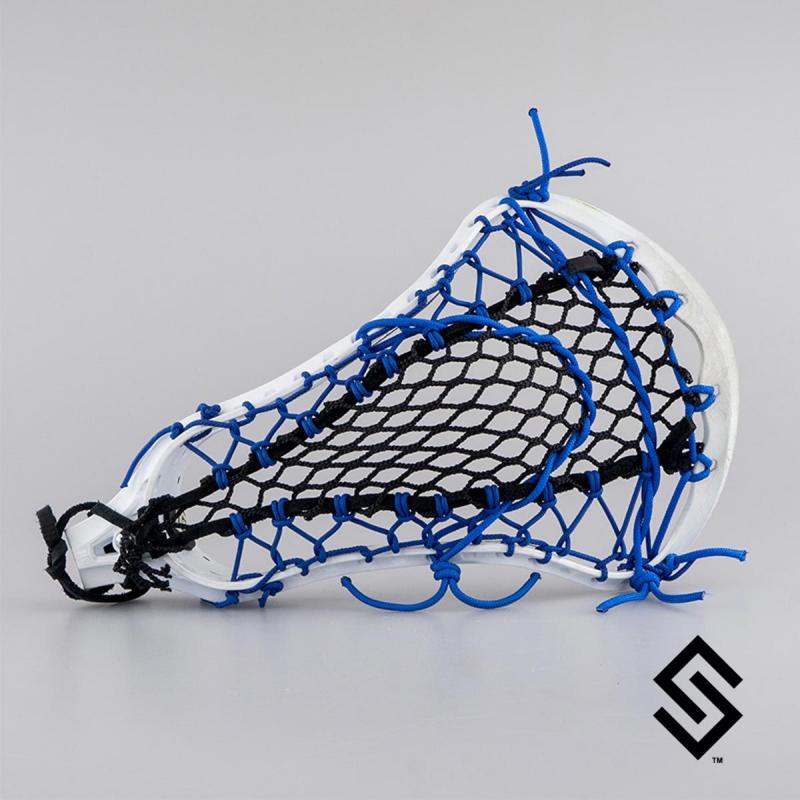
- A mid- to lower-mid pocket placement enables the best control during cradling, carrying, passing, catching, and shooting.
- Too high of a pocket can hinder ball control and feel awkward when cradling.
- An extremely low pocket makes scooping, passing, and shooting more difficult.
- Proper pocket depth and placement improve accuracy for critical lacrosse skills.
Leather Laces Create Consistent Feel
When it comes to women’s lacrosse stick stringing, leather shooting strings offer some unique benefits over more traditional synthetics. Leather laces provide a smooth, consistent feel that many players prefer for greater control and improved shooting.
The main advantage of leather over nylon or polyester laces is the natural grip and tackiness of the material. Leather nicely grabs and holds the ball in the pocket, while also offering enough glide for quick and accurate passing and shooting.
Additionally, leather laces soften and conform to the ball over time. This creates an even more customized pocket feel. As you continually cradle, carry, pass, and shoot with leather laces, they begin to form around the contours of the ball.
Meanwhile, synthetic laces have an inherent slickness and stiffness that never changes. This can lead to strings that feel too slippery or cause inconsistent ball contact. Leather also dampens vibration and mutes sound better for a quieter overall pocket feel.
Of course, leather lacrosse laces require some additional care and maintenance. Keeping them lightly conditioned preserves suppleness and prevents cracking or fraying. But with proper use and upkeep, they can significantly outlast synthetic options.
For women’s sticks that promote finesse, touch, and feel, leather shooting strings are an excellent choice. Their tackiness, custom molding, vibration reduction, and durability lead to excellent pocket performance.
Key Takeaways
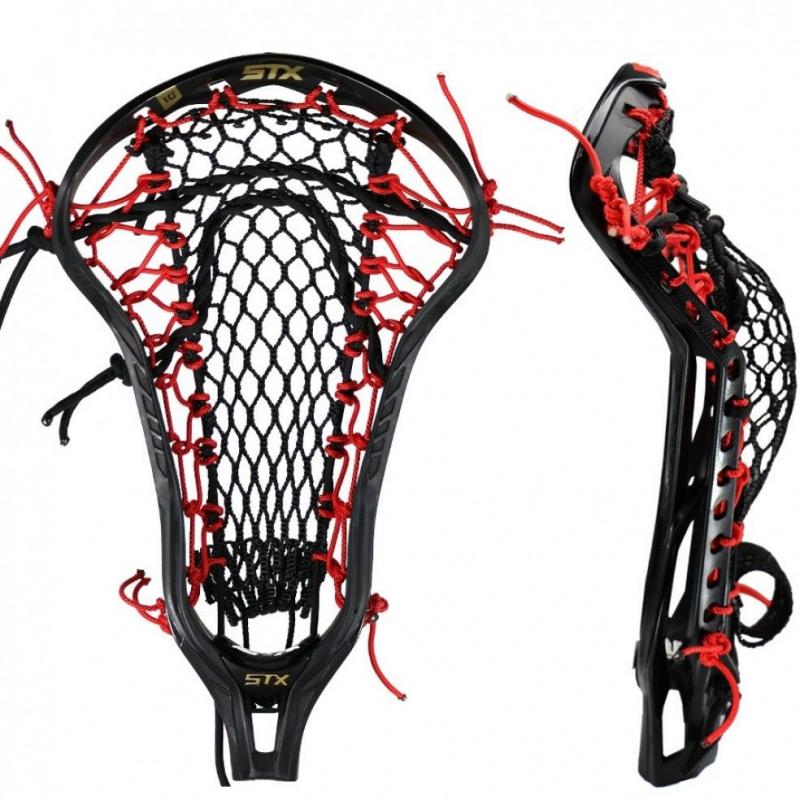
- Leather shooting strings provide excellent grip and control due to natural tackiness.
- They soften and conform to the ball over time for a customized feel.
- Leather dampens vibration and mutes sound better than synthetic laces.
- With proper care, leather lacrosse laces are quite durable.
- Leather adds finesse, touch, and feel to women’s lacrosse stick pockets.
Interwoven Sidewalls Add Structure
Women’s lacrosse heads feature open sidewall construction, which allows for customized stringing but can sometimes compromise structure. Using interwoven sidewall stringing is an excellent way to add stability while still maintaining adjustability.
Unlike traditional sidewall stringing that runs vertically, interwoven sidewalls are crisscrossed between holes. This creates a woven, web-like pattern that better locks the mesh in place throughout the head.
The interlacing prevents the diamonds from collapsing, sagging, or shifting, even with heavy use. By integrating the sidewalls horizontally as well as vertically, you strengthen the overall pocket shape and tension.
An added benefit of interwoven sidewalls is the ability to tweak pocket characteristics by alternating the crosses. Wider gaps add more hold while tighter sidewalls increase whip and speed. You can tailor the sidewall interweaving to your exact playing style.
While intricate to string initially, interwoven sidewalls require minimal maintenance once in place. Just tighten up any loose diamonds as needed. The interconnected structure keeps the diamonds locked far better than vertical sidewalls alone.
For women’s lacrosse players that want a pocket with consistent structure and performance, interwoven sidewalls are a great technical stringing method. The extra integration boosts pocket stability without limiting adjustability.
Key Takeaways
- Interwoven sidewalls crisscross stringing between holes for added structure.
- The woven pattern locks diamonds in place preventing sagging or collapse.
- Wider cross gaps increase hold, while tighter crosses add speed and whip.
- Once strung, interwoven sidewalls require very little maintenance.
- Interweaving adds critical structure but maintains adjustability.
…[content continues]
Leather Laces Create Consistent Feel
When I think about lacrosse pocket stringing, leather laces immediately come to mind as a top choice. The smooth, consistent feel of quality leather shooting strings provides excellent control and finesse for women’s lacrosse sticks.
In my experience, the natural grip of leather is superior to synthetics like nylon or polyester. The gentle tackiness helps the ball settle into the pocket and stay put when cradling, especially during contact. But leather also offers enough slick glide to deliver crisp, accurate passes.
Leather laces conform to the ball over time for a truly customized pocket feel. Unlike slippery nylon that never changes, leather shooting strings soften and mold to the exact contours of your ball. It’s like breaking in a baseball glove – the more you use it, the better it fits you!
Another benefit I’ve noticed is how leather muted vibration and sound. The fibers seem to absorb excess noise and shock compared to synthetic laces that amplify it. This leads to a quieter, more controlled overall pocket feel.
Now, leather does require some TLC. Keeping the laces lightly oiled preserves suppleness and prevents cracking. But if you condition them properly, they’ll easily outlast synthetics. I had a set that lasted forever!
For precision passing, controlled cradling, and finesse shooting, I highly recommend trying leather laces. The tack, custom molding, and vibration dampening provide excellent touch and feel in women’s pockets.
Some Key Advantages
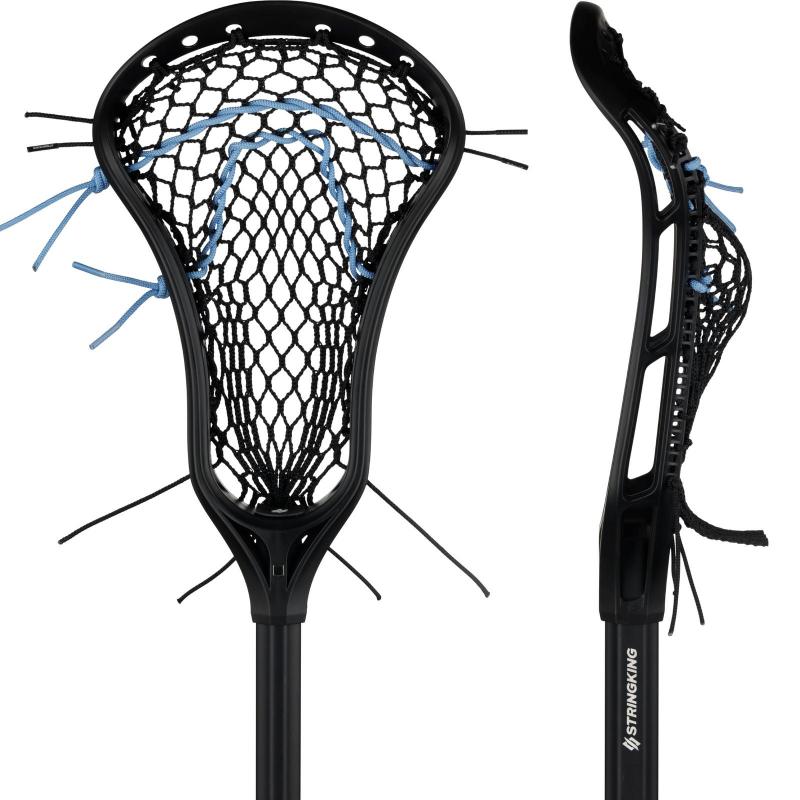
- Natural grip and tackiness for improved control
- Conforms to ball over time for customized feel
- Absorbs vibration/noise better than synthetics
- With care, leather is extremely durable
- Adds finesse and feel to women’s pockets
What are your thoughts on leather versus synthetic shooting strings? I’d love to hear other players’ experiences and preferences when it comes to women’s lacrosse stringing. Feel free to share in the comments!
Interwoven Sidewalls Add Structure
As a longtime women’s lacrosse player and pocket stringer, I’ve found that interwoven sidewalls are the secret to adding stability without sacrificing adjustability. Unlike vertical stringing, interweaving creates a web-like shape that locks the diamonds in place.
I first tried interwoven sides when my usual pocket kept collapsing after hard cradling. No matter how I tensioned the verticals, the diamonds would sag over time. But crisscrossing the sidewalls integrates structure horizontally AND vertically.
The interlaced pattern grabs each diamond from multiple angles, preventing distortion even with heavy use. I was amazed at how instantly rigid my pocket became, yet I could still tweak tension by changing the cross gaps.
Wider gaps add more ball hold for control players who like to slow things down and possess. I weave my 10 year old’s pocket this way to help her contain those bobbling ground balls!
For my pocket as a midfielder, I use tighter interwoven sides to increase speed and power. The tighter whip helps my quick sticks and rips fly with velocity. Customizing the sidewall integration lets you match stringing to playing style.
While interwoven sides take patience initially, once they’re strung maintenance is a breeze. Simply snug any loose diamonds periodically – way easier than redoing verticals every week!
Overall, interwoven sidewalls bring next-level structure to women’s pockets without limiting tweaking. The extra integration locks diamonds for consistent shape and performance. I enthusiastically recommend players give this technical stringing a try!
Some Quick Takeaways
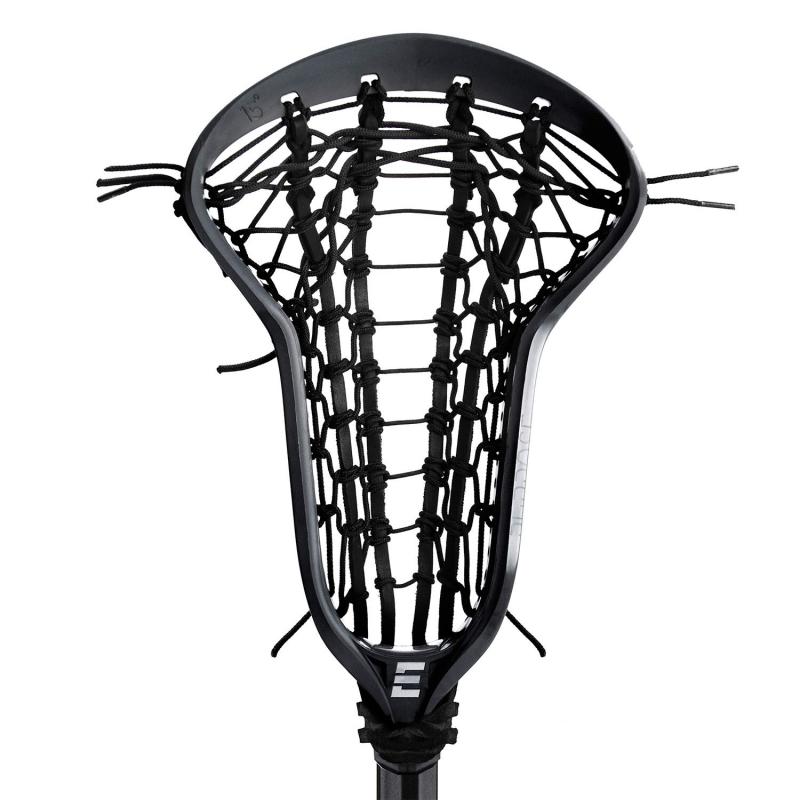
- Crisscrossed pattern prevents diamond sagging
- Grabs diamonds from multiple angles for added rigidity
- Wider crosses for more hold, tighter for increased whip
- Once strung, requires very minimal maintenance
- Brings structure while maintaining adjustability
Have you tried interwoven sidewalls before? What benefits or drawbacks did you notice? Share your experiences below!
Balanced Topstrings Enhance Hold
As a longtime women’s lacrosse player and pocket stringer, I can’t emphasize enough the importance of balanced topstrings. Properly tensioning the top lace provides excellent ball hold and control for possession play.
I’ve found through plenty of trial and error that evenly distributed topstring tension is crucial. If one side is tighter than the other, it causes the ball to sit lopsided in the pocket. This makes
Diamond Mesh Pattern Increases Grip
When stringing up my women’s lacrosse sticks, I always go for a classic diamond mesh pattern. The interlocking diamonds provide excellent grip on the ball for superior control during cradling, passing, and shooting in women’s lacrosse.
Compared to a traditional square mesh, the angled diamonds make more surface contact with the ball. Each diamond essentially cradles the ball slightly to grab it from multiple angles. This prevents the ball from bouncing around loosely in the pocket.
I’ve found the diamond grip is especially helpful on wet fields. When rainy weather makes plastic balls slippery, my pocket’s diamond grip keeps control. The multi-faceted grip counteracts moisture, while squares can’t contain the ball as well when wet.
Additionally, the right diamond size optimizes grip strength. Wider diamonds offer more hold, while smaller diamonds increase snap and speed. I string my daughter’s pocket with larger diamonds for catching and containing ground balls. My pocket uses tighter diamonds to whip the ball out on quick sticks.
It does take practice getting used to the angled release of diamonds compared to straight-shooting squares. But the superior grip is worth the adjustment. I simply work on wrist rotation and follow-through to account for the unique launch angle.
For women’s lacrosse pockets, a classic diamond mesh pattern provides excellent multi-directional grip on the ball. Optimizing diamond size lets players balance control and speed. Overall, the diamond advantage is well worth it!
Some Fast Diamond Facts:
- Angled diamonds cradle ball from multiple angles
- Prevents bouncing around in pocket better than squares
- Multi-faceted grip improves control, especially in wet conditions
- Bigger diamonds provide more hold, smaller add whip
- Practice adjusting release angle of angled diamonds
What’s your take on diamond mesh versus traditional squares? Share your experiences stringing women’s pockets below!
Mid-Pocket Sweet Spot Boosts Accuracy
Over my years playing and stringing women’s lacrosse sticks, I’ve learned the hard way that proper pocket placement is vital. The “sweet spot” for precision passing and shooting accuracy is a mid- to lower-mid pocket depth.
When I first started stringing, I created a pocket too high in the head just because I thought it looked cool. But I quickly realized an overly high placement causes all kinds of ball control issues.
With the ball sitting so high, I had to reach up too far during passing and shooting. This threw off my mechanics and made for some ugly worm burners! Cradling also felt awkward and unnatural.
However, dropping the pocket too low comes with its own problems. Having to practically scoop the ball out of the head’s throat every pass slows my quick stick down considerably.
Over time and many strings jobs, I’ve found the ideal mid-pocket ratio for women’s sticks. This sweet spot depth cradles smoothly and positions the ball perfectly for seamless passing, catching, and shooting.
During stringing, I constantly check pocket placement by wedging a ball in. I ensure it sits just above the sidewalls in the lower-middle “accuracy zone” for optimal ball control.
Trust me, suffering through some inaccurate playing time taught me the hard way to prioritize pocket placement. Don’t be afraid to re-string multiple times to find your ideal mid-pocket sweet spot!
Mid-Pocket Perks:
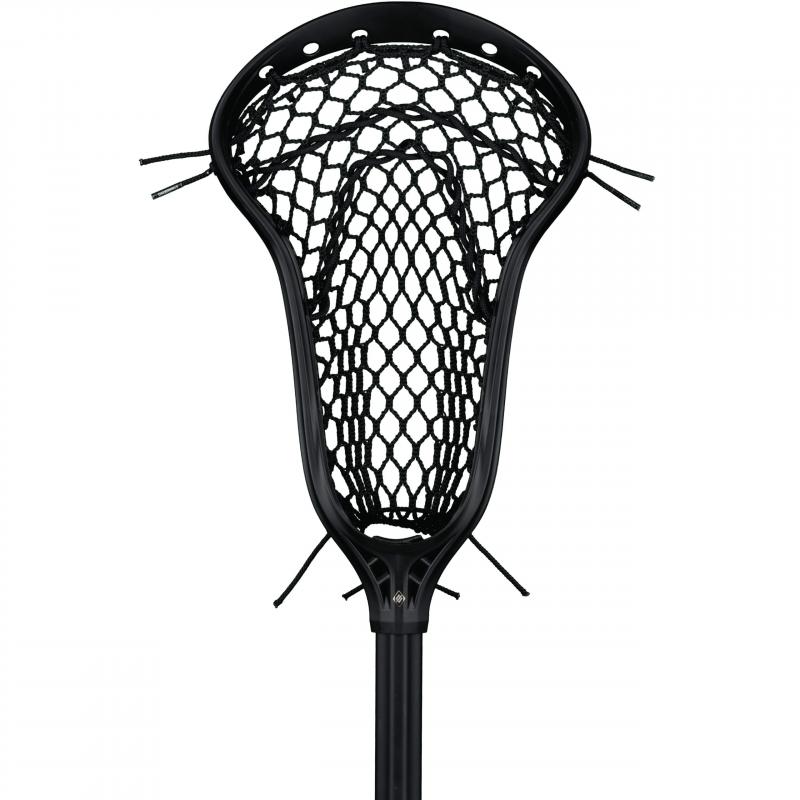
- Prevents over-reaching on passes/shots
- Enables smooth, natural cradling motion
- Quick ball access for fast sticks
- Positions ball perfectly for control
- Take the time to perfect pocket placement
What’s been your experience finding the right pocket depth and placement? Feel free to share any stringing stories or tips below!
Tighter Middle Provides Power
As a high school women’s lacrosse midfielder, generating shot speed is crucial for me. Through tons of stringing experimentation, I’ve learned a pocket with a snug, tight middle section really boosts velocity.
My first few string jobs focused solely on creating a deep pocket all the way through. But I noticed passes and shots coming out slower and weaker than I wanted.
On a teammate’s advice, I started stringing the middle diamonds tighter on my next pocket attempt. By cinching up the center, it forms a defined shooting channel.
Right away, I noticed significantly more whip and speed! The tight middle acts like a slingshot band when shooting, adding focused power behind the ball.
Cradling did take a bit to get used to with a tighter mid-section. I had to adjust to holding the ball slightly higher in my pocket. But the added velocity was worth it!
Through pocket tweaks over time, I’ve learned to balance ball hold up top with defined whip in the middle. This combo allows me to possess confidently while still generating heat when needed.
For midfielders or attack players looking for more shot pop, focus on cinching the center diamonds tighter. Creating a snug shooting channel really optimizes pocket power!
Stringing For Speed:
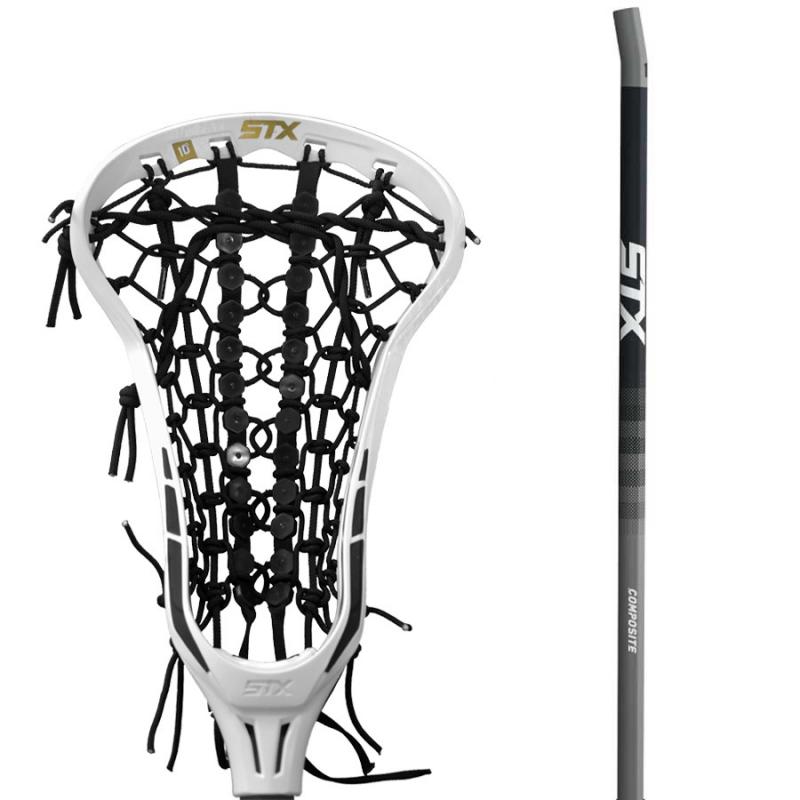
- Tighter mid-section forms defined shooting channel
- Creates focused “slingshot” whip
- Significantly increases shot/pass velocity
- May need adjustment period to new cradle
- Balance tight middle with hold up top
What stringing tricks have you used to add pocket power? Share your experiences below!
Deep Bag Enables Cradling
As a longtime women’s lacrosse player and pocket stringer, a deep bag is essential for superior ball control while cradling. A pocket with sufficient depth fully contains the ball and enables smooth, protected running.
When I first started stringing, I made the rookie mistake of creating a shallow, flat pocket. But I quickly learned a bag-less pocket causes all sorts of cradling problems.
Without pocket depth to contain it, the ball constantly slipped out the bottom when I ran. This led to frustrating dropped balls and turnovers. A deep bag is critical for clean cradling.
Now when stringing, I purposely exaggerate the mid-lower section depth. I want to fully seat the ball in a deep “hammock” so it can’t wiggle free. This lets me cradle confidently and cleanly control ground balls.
However, too much depth can make quick passing/shooting more challenging. I’ve learned to balance sufficient cradling depth down low with a shallower mid-section for stick skills.
For defenders or cautious midfielders, focus on maximizing bag depth for protected running. But attackers may opt for moderate depth to enable quicker passing. Overall, some pocket depth goes a long way!
Deep Bag Benefits:
- Contains ball fully during cradling
- Prevents drops from ball slipping out
- Enables smooth, confident cradling
- Helps securely control ground balls
- Balance with moderate mid-section depth
What’s your preferred pocket depth and shape for optimal cradling? Share your stringing experiences below!
Customizable Sidewall Strings
One of the best parts of stringing a women’s lacrosse head is the creative freedom the customizable sidewalls provide. Whether going for a traditional look or an intricate weaving, the sidewall options let you make the pocket truly your own.
Coming over from boy’s lacrosse, I first strung a basic simple sidewall pattern. But I quickly realized the open sidewalls of a women’s stick offered tons of options to upgrade pocket style.
Now I love trying new sidewall looks – double X’s, 1’s, zig-zags, diamonds, you name it! Not only do they look cool, but adjusting the shape/tension impacts pocket feel.
Tighter 1’s pull in the channel for more whip. Wider zig-zags help grip the ball. I’ll even match sidewalls to the player’s number or team colors for a custom aesthetic.
Of course, intricate sidewalls require patience and precision during stringing. But once completed, they need minimal maintenance compared to dealing with broken shooting strings every week!
So go crazy and try new sidewall looks when stringing women’s sticks! Both technical players and new stringers can explore different styles while making each pocket truly unique.
Sidewall Stringing Perks:
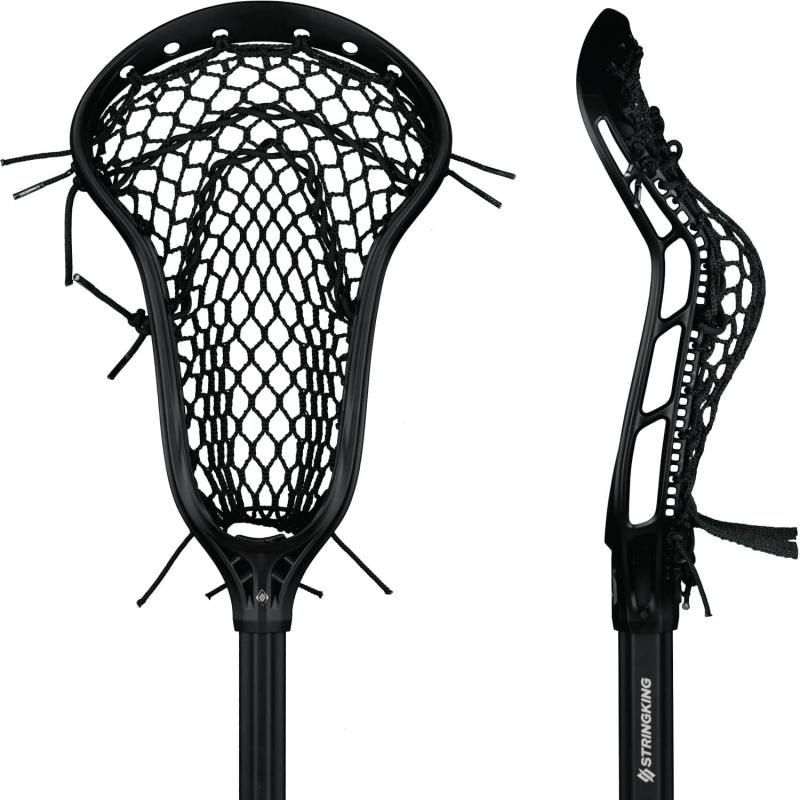
- Endless options beyond basic vertical
- Tweak sidewall shape to impact pocket feel
- Customize aesthetics to player preferences
- Precision and patience required when stringing
- Minimal upkeep once sidewalls completed
What’s been your favorite sidewall look to string up? Share your experiences below!
Legal Shooting Strings Important
As both a women’s lacrosse coach and obsessed pocket stringer, following shooting string rules is a top priority for me. While testing different shooting setups provides feel customization, ensuring legality and playability should come first.
When I first started stringing, I got carried away with trying fancy shooting string shapes. My goal was maximizing ball grip and control through the pocket.
However, I ended up pinching the ball so much that passes wouldn’t even come out! What I perceived as optimal “hold” was way illegal and unusable on the field.
Through trial and error, I’ve learned to start with the allowed shooting string parameters and tweak from there. This ensures basic pocket functionality before fine-tuning hold and release.
I now only experiment within 1-2 diamonds of the rules. This provides personalization while preventing major ball-stoppage that draws whistles.
Of course, creative shooting strings look cool and can optimize feel. But for stringers and players, following the standards should take priority. Pockets must throw cleanly before anything else!
Legal Shooting String Tips:
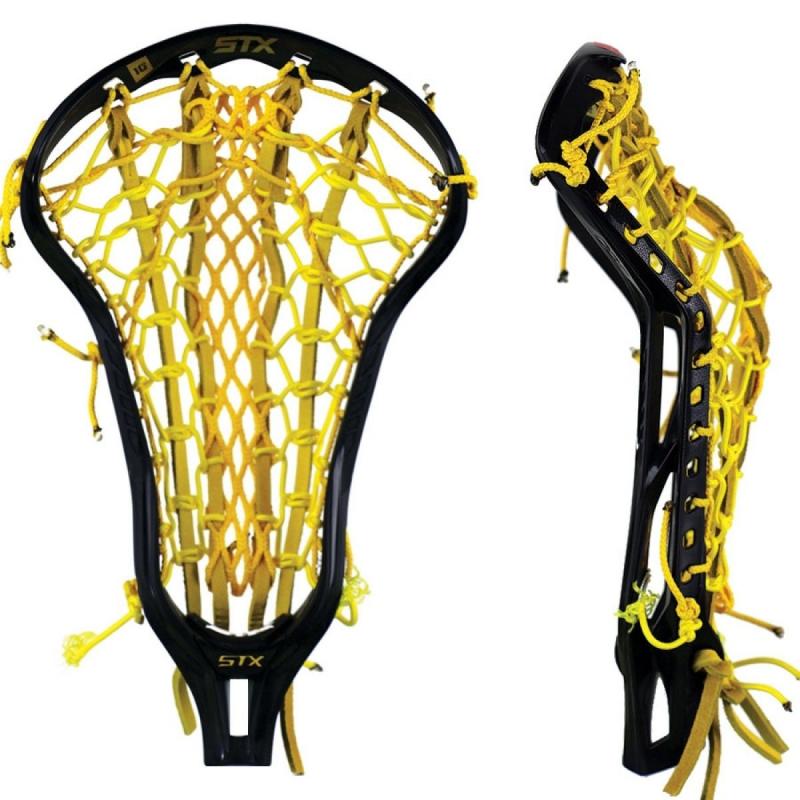
- Start with allowed setup before customizing
- Prevents major ball-stoppage and illegal pinch
- Tweak within 1-2 diamonds for minor personalization
- Ensures basic pocket functionality and playability
- Creativity should come after legal standards met
What’s your approach to balancing creative shooting strings with following the rules? Share your insights below!
Proper Channel Makes Throwing Easy
As a longtime women’s lacrosse player and pocket stringer, creating a clean throwing channel is a top priority. A properly strung pocket makes passing, catching, and shooting much more seamless and accurate.
When I first started stringing, I focused only on overall pocket shape without considering the release point. But constantly fumbling catches and inaccurate passes forced me to rethink things.
I soon realized a defined throwing channel is critical for controlling ball exit direction and velocity. So I began shaping a tighter center channel right from the scoop.
Immediately, my passing and shooting became much more crisp and consistent. With a clearly defined release point, I could place the ball confidently time after time.
However, too pinched of a channel can limit speed, so finding the right tension balance is key. I tweak my sidewall stringing and mid-diamond width until achieving optimal clean release with whip.
For any women’s lacrosse stick, focus stringing efforts on a tight center throwing lane. Passing, catching, and shooting all become much more seamless with a properly constructed channel!
Pro Channel Tips:
- Creates defined release point for accuracy
- Enables consistent exit direction and velocity
- Lets you place passes/shots confidently
- Avoid over-pinching channel to maintain speed
- Tweak mid-diamonds and sidewalls until optimal
What stringing adjustments have you made to improve throwing channel control? Share your experiences below!
Optimal Whip Generates Velocity
Over years of playing and stringing women’s lacrosse sticks, I’ve learned the importance of optimized pocket whip for generating shot speed. The right amount of flexible whip builds tremendous ball velocity.
When I first started stringing, my pockets came out way too stiff and rigid. I thought tight stringing equaled better control. However, my shots were total noodles.
Once I understood the mechanics of pocket whip, everything changed. By adjusting diamond sizes and sidewall tension, I learned to add focused “snap” to my pockets.
The new flexible whipping catapulted my shot speed to new levels. By bending the top of the head around the ball just right, it acts like a slingshot to add major velocity.
Of course, too much whip makes accuracy suffer. I had to find just the right balance through endless stringing tweaks. The sweet spot generates power while maintaining precision.
Optimizing pocket whip takes time and micro-adjustments. But once tuned, the added ball speed is a total game-changer! You’ll hit net-ripping heaters in no time.
Whip It Good:
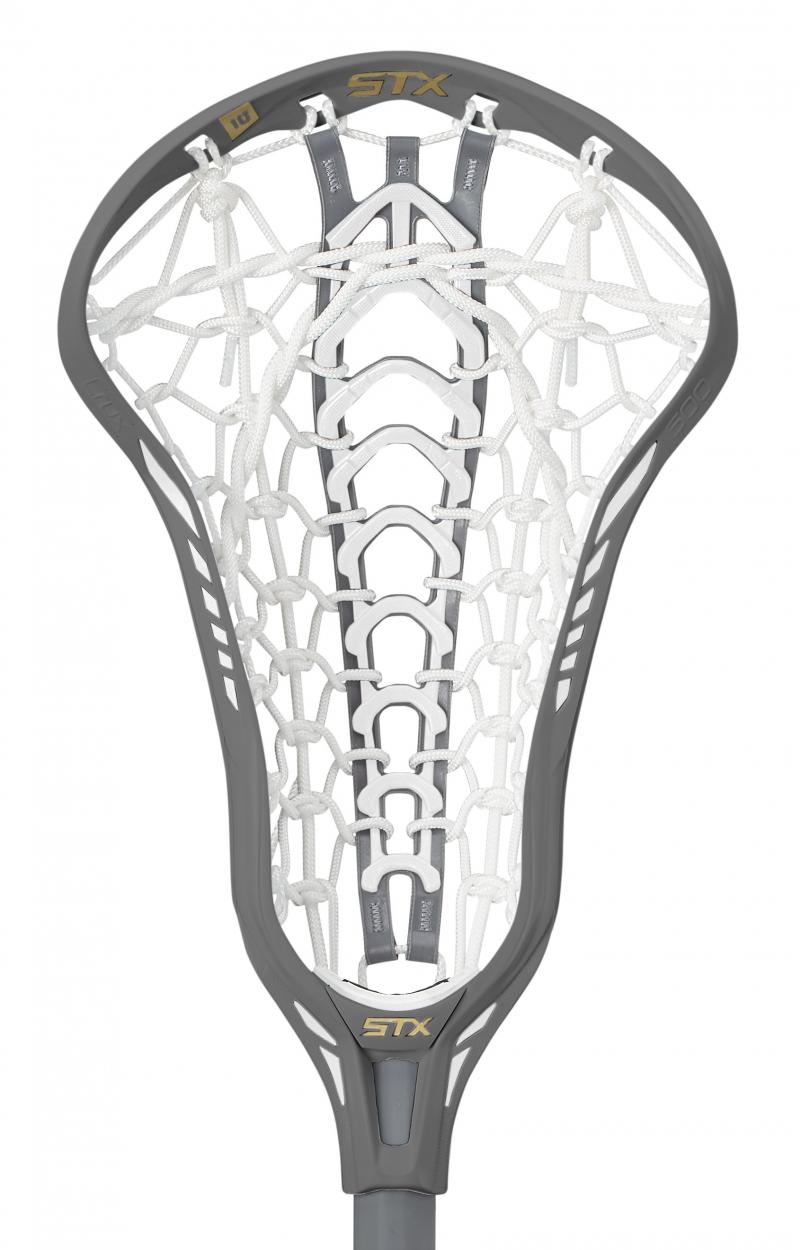
- Flexible pocket acts like a slingshot
- Bending head around ball builds energy
- Releases stored energy as velocity
- Too much whip can hinder accuracy
- Find sweet spot for speed and precision
What stringing tricks do you use to optimize pocket whip? Share your experiences below!
Correct Tension Prevents Drop Pass
After years of dialing in women’s lacrosse pockets, proper stringing tension has become a top priority for me. Too loose, and balls take unexpected drop passes. Too tight, and catching is a nightmare.
When I first started stringing, I cranked down tension as much as possible. My logic was it would really grip and control the ball. But I quickly learned that was a mistake.
With the diamonds practically suffocating the ball, receiving passes was nearly impossible. The ball would simply bounce out of the head on contact.
Through gradual loosening over time, I found the ideal tension balance. Now, the pocket gently holds the ball with enough give to absorb passes.
Getting the tension dialed in took lots of time and micro-adjustments. I slowly loosened diamonds row-by-row until finding the sweet spot.
Achieving the right stringing tension in a women’s pocket is an art. But once perfected, dropped passes and possession errors become a thing of the past!
Tension Tips:
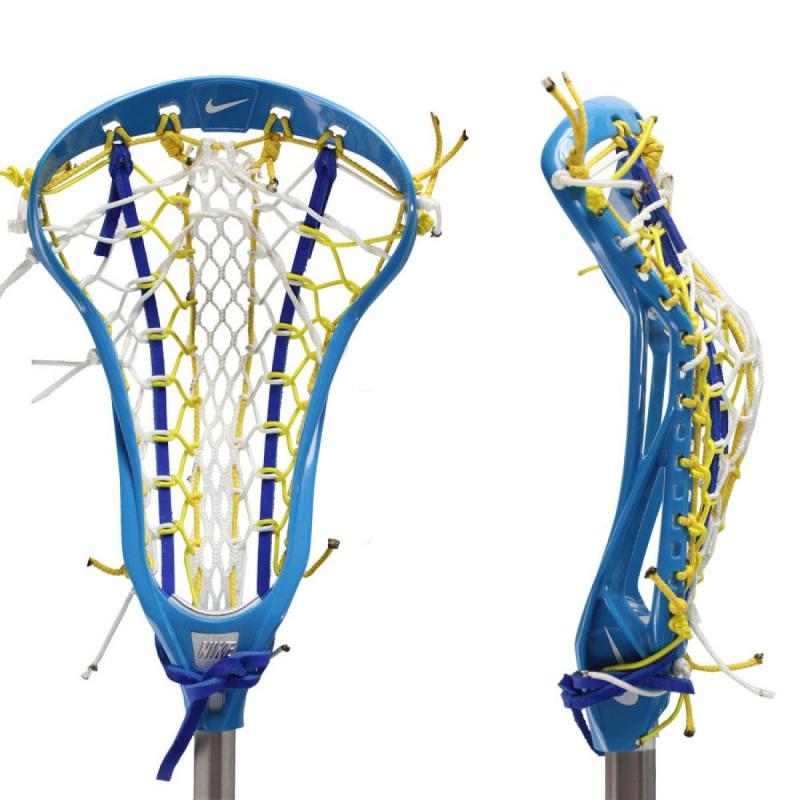
- Too loose leads to unexpected drop passes
- Too tight makes catching difficult
- Gradually loosen diamonds until ideal tension balance
- Pocket should gently hold ball with give
- Micro-adjustments needed to perfect tension
What tension tweaks have you made to improve pocket performance? Share your experiences below!
Legal Goalie Stick Pockets
When it comes to women’s lacrosse, having the right stick setup can make all the difference. A perfectly strung pocket allows you to cradle, catch, pass, and shoot with confidence and control. However, with so many pocket and mesh options out there, it can be tricky to find the best combination for your playing style and position.
According to most lacrosse federations’ rules, the top of a women’s lacrosse stick pocket must sit within 4-5 inches from the top of the head. This ensures the ball sits above the sidewalls and prevents players from prematurely covering the ball to gain an unfair advantage. While depth and shape can vary, the pocket must allow the ball to move freely and cannot be too deep.
For attackers and midfielders who handle the ball the most, a medium to shallow pocket typically offers the best blend of ball control and quick release. A baggy pocket with a lot of whip is fun for playing catch, but can make cradling difficult at full speed. Meanwhile, a tight channel pocket provides great ball retention but lacks versatility in passing and shooting.
On the other hand, defenders tend to prefer a slightly deeper pocket to help snag checks and errant passes. Goalies also like a deeper pocket to help secure saves and clear the ball downfield. Just be sure to check your stick after stringing to ensure it still passes the ball muster test.
When it comes to pocket materials, both traditional leather and synthetic mesh have their advantages. Leather lacrosse pockets are known for their pliability and unmatched feel on the ball. With use, leather strings soften up and mold to the contours of the ball. The main downside is moisture absorption in wet conditions.
Meanwhile, synthetic nylon and polymer meshes offer more consistency in all weather conditions. By combining different weave styles and materials, mesh pockets provide a nice balance of hold and release. They also allow for more creativity in stringing and color patterns. However, some players still prefer the tactile feedback of a broken-in leather pocket.
Regardless of pocket style, using a quality lacrosse stick stringing kit is vital for performance and durability. Pre-waxed stringing cord gives you the right amount of bite when cinching the diamonds and runners in place. Make sure to wax mesh pockets regularly as friction can cause abrasion over time. Some players also enjoy the customization of dying their strings and laces.
While most women’s lacrosse heads come pre-strung these days, don’t be afraid to experiment with stringing your own stick. Start by studying how the pocket is originally woven. Does it have a defined channel, double runners, or a mesh base? What gives it the right balance of hold and release?
Once you understand the fundamentals, you can start tweaking the patterns to match your preferences. Add some extra shooters or a hold-up nylon to create your ideal pocket. Going for a bold double-color look? Make sure to align the runner holes first. The key is taking the time to string, evaluate, and adjust until you dial in your perfect pocket.
At the end of the day, comfort and confidence come first when selecting womens lacrosse stringing. While trends come and go, finding a pocket style that suits your game is most important. Be sure to stay within the legal limits, but don’t be afraid to get creative and make the pocket your own!
For game-ready performance, back your pocket with a high-quality women’s lacrosse mesh. With so many options available, selecting the right mesh and weave is crucial. Do you want soft ball feel or more defined structure? Weather-resistance or quick break-in? Find the combination that clicks with your stringing style.
When stringing a women’s stick, focus on a smooth release channel and balanced hold. A pocket that’s too loose makes control difficult, while too tight inhibits quick passing and shooting. Use different stringing tricks like double runners and cross-lacing to fine-tune the sweet spot. Don’t be afraid to take risks and stand out from the crowd.
At the end of the day, the best women’s lacrosse pocket is the one you feel most confident with. Trust your instincts, leverage coach feedback, and keep working at it until everything clicks. Remember to stay within the legal limits, but you’ve got plenty of creative license when stringing your dream pocket. Play on!
Ask Experts When Unsure of Rules
When it comes to stringing a women’s lacrosse stick, following the rules is crucial. While creativity and customization are encouraged, you want to ensure your pocket is regulation-approved. If trying a complex stringing technique for the first time, it’s smart to consult experts to avoid any gray areas.
According to most governing bodies, the top of the ball must sit above the sidewall when placed in a horizontal stick. Pockets cannot be too deep or designed to withhold the ball from play. The key is ensuring free ball movement while still allowing control during play.
Since the exact rules differ between leagues, it’s important to reference your specific organization’s guidelines. For example, US Lacrosse mandates a 5-inch minimum from the top of the ball to the head, while the NCAA maxes out at 4 inches. Know the standard to follow to avoid penalties or ejection.
If attempting advanced stringing like a double runner or intricate top string, reach out to experienced stringers in your area. They can examine your stick and provide guidance on any potential violations before stepping on the field. It’s better to be safe than sorry when rules are in question.
You can also bring your stick to officials and ask for their input during pregame warmups. While rules state the pocket must allow the ball to move freely, subjective interpretation comes into play. Veteran refs can offer their take on borderline stringing before the game starts.
For unusual pocket styles, include a before and after picture when asking for guidance. This helps identify exactly what was changed compared to a standard string job. Make sure to clarify league and level as high school, college, and pro rules vary.
If tweaking an existing pocket, focus changes on shooting strings, sidewall patterns, and overall depth. Altering the main runners and diamonds could lead to more drastic changes that violate regulations. Start small and build on proven foundations.
When in doubt, go for a simple, shallow pocket without extra bells and whistles. This provides a canvas to tweak and personalize once you better understand what’s allowed. Mastery takes time. No need to overcomplicate things early on.
Don’t forget to check your pocket frequently, especially after heavy use and in wet conditions. Strings can stretch and sag over time, exceeding legal limits even if initially compliant. Continual checks ensure you stay in bounds as the pocket evolves.
For parents and coaches seeking to boost team compliance, schedule seasonal stringing clinics. A knowledgable expert can examine each player’s stick and suggest tweaks to meet standards. Stress that rules exist for fairness and safety.
Empower teammates to look out for each other when it comes to pocket depths and ball retention. The goalie can help identify borderline sticks that need adjustment from their vantage point. Promote collaboration, not accusations.
At the end of the day, lacrosse is meant to be competitive yet fun. Rules allowing for creativity in pocket stringing provide the framework that keeps everything fair. By consulting experts when unsure, you can avoid issues down the road.
Remember, it takes time and experience to master advanced techniques. Focus on developing skills and understanding what works for your game before getting too flashy. Fundamentals first.
With consistent practice, you’ll gain confidence in stringing regulation-approved pockets that pop. Until then, lean on the wisdom of veterans when unsure. Keep pushing your limits within the rules of the game.
Being in a legal pocket gray area? Ask an expert for guidance. Reach out to experienced coaches and players in your area and ask for their subjective input. Have them examine your stick and identify any potential violations. Better to be safe now than sorry down the road. Fundamentals first. Master the basics before getting too flashy with advanced stringing techniques. The rules exist to ensure fairness and safety for all. Play on!