When stepping out on the lacrosse field, having proper protective gear is essential. This is especially true for lacrosse shoulder pads, which help shield your upper body from checks, slashes, and falls. With so many options on the market, choosing the best lacrosse shoulder pads for you can be a daunting task.
Introduction to Lacrosse Shoulder Pads
Lacrosse shoulder pads are designed to protect your shoulders, collar bones, ribs, and upper back. They absorb impact and diffuse the energy from checks. Shoulder pads come in a range of sizes, protection levels, and styles to suit players of all positions and experience levels.
For starters, consider the fit. Pads should feel snug but allow full mobility of your arms and upper body. Straps and adjustable buckles let you customize the fit. Pay attention to the shoulder cap design – some offer more mobility while others focus on maximum protection.
You’ll also want to evaluate the pad materials. Hard plastic caps disperse impact while foam or soft padding provide comfort and absorb shock. Look for lightweight yet durable materials so you don’t feel weighed down.
Ventilation is another key factor, especially for youth players and goalies. Sweat-wicking linings and mesh paneling promote airflow to keep you cool. For cold weather play, insulated shoulder pads add warmth.
When choosing shoulder pads, think about your position and style of play. Attackmen and midfielders may opt for low profile, lightweight pads for speed and agility. Defensemen tend to choose more protective pads to fend off checks. Consider if you want padded or non-padded options too.
Top Brands for Lacrosse Shoulder Pads
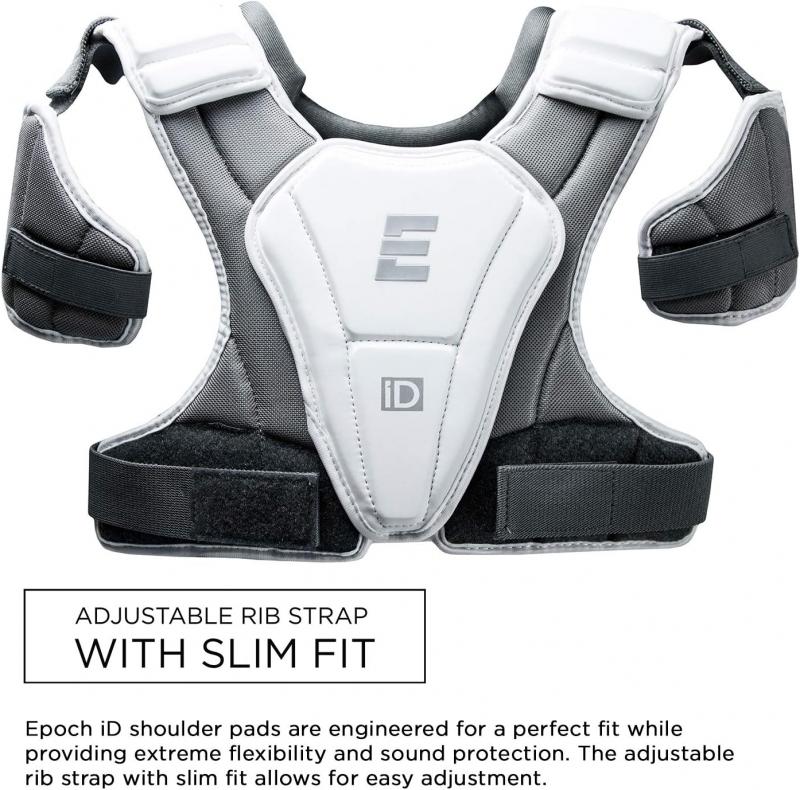
Most major sporting goods companies like Brine, Warrior, STX, and Maverik offer a range of lacrosse shoulder pads. Smaller brands like Epoch and StringKing also make quality pads. Do your research to find the right brand for your preferences and budget.
Brine is known for comfortable, flexible pads with innovative designs like Airflow cooling technology. Warrior focuses on high-end, protective gear favored by top players. STX offers a wide selection of pads for all skill levels and positions.
Maverik emphasizes lightweight padding for speed and agility on the field. Epoch and StringKing use premium materials for maximum protection without sacrificing mobility.
Getting the Right Size
To find your ideal shoulder pad size, first measure your chest circumference under your arms. Compare this to the manufacturer’s sizing chart. Keep in mind your shoulder width and arm length too – some brands size their pads based on this.
The pads should fit snugly but have a bit of room for your chest protector underneath. Make sure you can move your arms fully in all directions. For goalies, allow room for your chest protector without limiting mobility.
You may need to go up or down a size to get the right fit. Try on different sizes of the same model to find the one that suits your body type. Adjust all the straps and buckles to secure the pads in place.
With the right sizing and adjustments, your shoulder pads will move with you on the field while still protecting your upper body from harm.
When to Replace
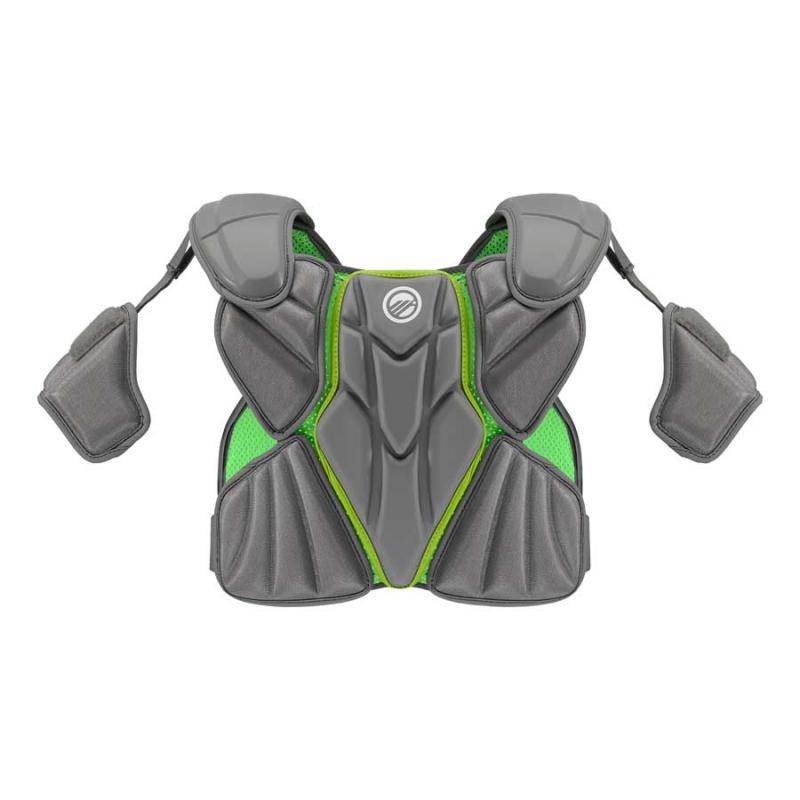
Even with proper care, lacrosse shoulder pads do wear out over time. Look for signs of deterioration like stretched or loose straps, broken buckles, worn padding, and cracks or dents in the plastic.
Replace your shoulder pads every 2-3 seasons or if you notice a decline in protection and performance. Don’t take chances with worn out gear – new shoulder pads help prevent injuries so you can play your best.
Choosing new lacrosse shoulder pads is an important decision. Do your research, understand what features matter for your position, and take the time to find the right fit. With high-quality, well-fitting shoulder pads, you can feel confident and protected on the field.
With so many options for lacrosse shoulder pads on the market, it can be tricky to know what features to look for. The key is understanding what kind of protection and performance you need based on your position, skill level, and preferences.
Key Features to Consider When Buying
One of the most important factors is finding the right fit. Shoulder pads need to move with your body, so take measurements and try on different sizes. Adjustable straps and stretch panels allow you to customize the fit. Goalies in particular need room to layer pads over a chest protector.
Evaluate the materials used in the shoulder caps and padding. Hard plastic caps disperse impact while foam cushions and absorbs shock. Newer materials like compressed EVA foam are lightweight yet offer serious protection. For padding, look for moisture-wicking fabrics to keep you cool and dry.
Ventilation is a must, especially for youth players prone to overheating. Mesh paneling, shoulder cap cutouts, and breathable lining fabrics allow air to flow through. Some pads even have built-in cooling technologies to reduce sweat.
The design of the shoulder caps and padding varies based on position needs. Midfielders may prefer low profile caps for mobility while defensemen need extended shoulder caps and padding for extra protection against checks.
For field players, padded shoulder pads allow better freedom of movement but less protection. Non-padded options offer more safety at the expense of mobility. Goalies almost always choose padded pads for maximum coverage.
Straps and buckles should be durable and adjustable for a customized fit. Plastic clips are secure but can break – metal buckles are more rugged. Elastic and Velcro straps provide flexibility as you move.
Extra features like integrated chest padding, built-in neck rolls, removable bicep pads, and glove clips offer added protection and convenience. But more features can add weight, so choose what you really need.
Think about when and where you’ll play too. Cold weather shoulder pads have insulation to retain body heat. Clearance pads offer savings if you’re on a budget.
By balancing protection, comfort, and mobility features against your needs and preferences, you can find the best shoulder pads to elevate your lacrosse game.
With so many lacrosse shoulder pad brands on the market, it can be hard to decide which ones live up to the hype. Understanding the reputations and technologies of the top brands helps you make the right choice for your needs and budget.
Top Brands for Lacrosse Shoulder Pads
Brine is one of the most trusted names in lacrosse gear. They offer a wide selection of shoulder pads geared for every position. Brine focuses on comfort and flexibility, with innovative features like Airflow to keep players cool.
Warrior shoulders pads cater to elite and pro players who need serious protection. Their technologies like WarTech and SmartShield absorb heavy impacts while staying light. Expect premium quality and price tags.
STX makes reliable shoulder pads loaded with features. STX Cell padding is lightweight and flexible for mobility. Stallion molding offers extra protection across the collar bone and sternum.
Maverik emphasizes speed and agility in their shoulder pad designs. Slide pads allow smooth arm movement while the Vector chest plate absorbs checks. Great for midfielders.
Epoch lacrosse is newer but fast gaining respect. Their Carbon Pro shoulder pads use engineered carbon fiber for impenetrable protection with incredible lightness.
StringKing avoids gimmicks and focuses on quality materials like compressed EVA foam for hardcore impact diffusion. A great value-focused option.
For goalies, brands like STX and Maverik offer pads tailored for netminders. Beefed up padded coverage across the belly and sides with mobility in the arms and shoulders.
Don’t overlook smaller brands either. Precision Pro maximizes mobility for developing players. Gecko Headwear makes affordable pads perfect for kids learning the game.
Do your homework before investing in new shoulder pads this season. Understanding the technology and reputation behind top lacrosse brands will help you find your dream pads.
Lacrosse shoulder pads come in a variety of styles to suit players of different positions, ages, and ability levels. Understanding the key types available helps you pick the right protection for your needs.
Different Types of Lacrosse Shoulder Pads
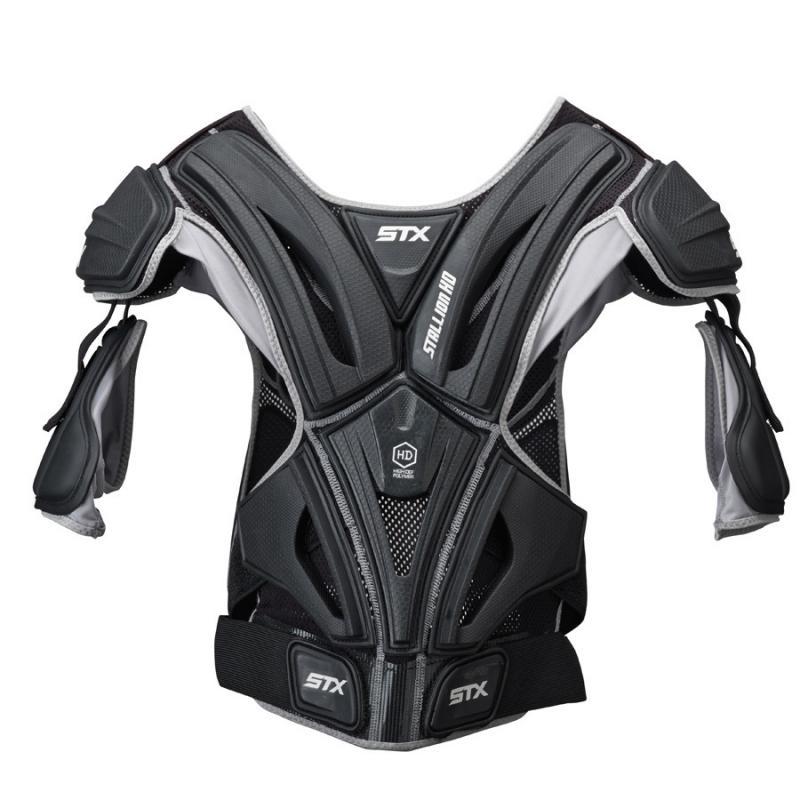
Traditional pads with full shoulder caps and padding offer the most protection for defensemen and physical middies. Broad caps with extended padding shield from checks and collisions.
Low profile or speed pads sacrifice some protection for mobility. Midfielders and attackmen favor the freedom of movement and lighter weight.
Non-padded shoulder pads focus protection in the shoulders only. Minimalistic for maximum speed and flexibility but less protection for the sternum and ribs.
Goalie shoulder pads bulk up protection across the belly and sides with extra padding. Arms maintain mobility for reacting to shots while absorbing impacts.
Women’s shoulder pads fit slimmer frames with tailored shapes and padding densities. Designed for the type of checks and impacts seen in women’s lacrosse.
Youth pads scale down adult sizes for proper fit and protection. More adjustability allows growing kids to get multiple seasons of use.
Reversible pads offer flexibility of padded and non-padded styles in one. Wear padded side for games, reverse to non-padded for practices.
Cold weather shoulder pads have inner insulation to retain body heat. Ideal for early spring practices and games in cold climates.
Clearance shoulder pads deliver savings for cost-conscious players. Older models discounted but still provide quality protection.
Understanding the variety of lacrosse shoulder pad types lets you focus on the options that offer the ideal fit, protection level, and features for your game.
Getting the right fit is critical when selecting lacrosse shoulder pads. Properly fitted pads allow full mobility while providing vital protection against checks and falls.
Importance of Proper Fit and Adjustments
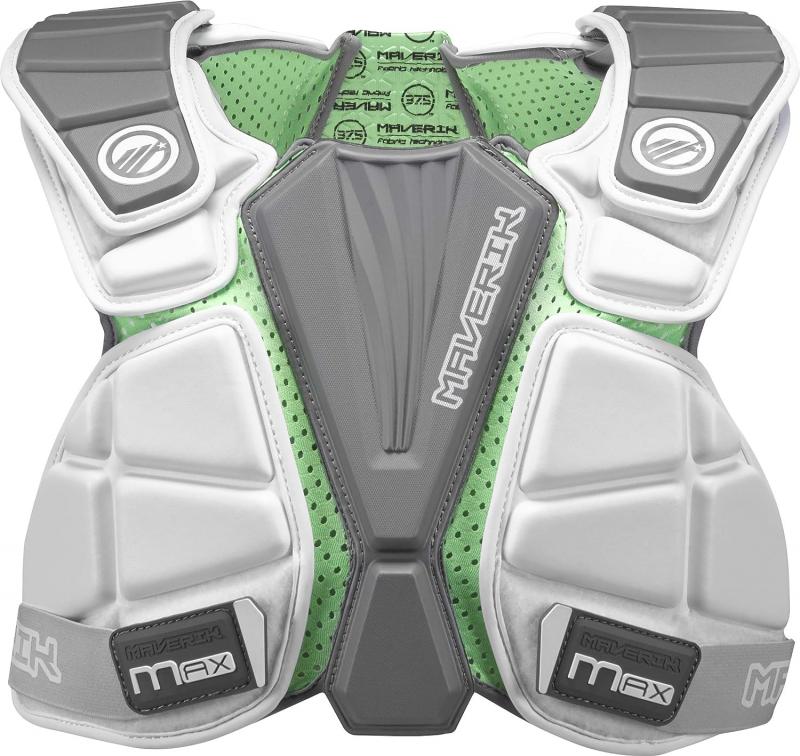
Start by measuring your chest and arm length to choose the right pad size for your body. Shoulder pads should fit snugly but not restrict movement. Straps and adjustable clips let you customize the fit.
The shoulder caps should contour your shoulders without limiting your range of motion. You don’t want pads too small that allow gaps in protection or too big that impede movement.
Arm openings must allow full extension and rotation of your arms. Test different arm positions to ensure you can move freely. If needed, loosen arm straps for more flexibility.
Chest and rib padding should be snug but not tight. You need room for your undershirt and to breathe comfortably. Loosen or tighten side straps until the fit feels secure but not constricting.
Get help adjusting the back harness for the right amount of compression. The back plate should rest firmly between your shoulder blades without restricting mobility.
Test different shoulder pad models in your price range to find the best match for your body type. Brands fit differently, so don’t assume the same size works across the board.
Take time to break in new pads before games. Wear them around the house to shape padding to your body. Adjust straps over several practices until the pads move naturally with you.
Properly fitted lacrosse shoulder pads give you confidence in your gear and let you focus on playing your best game.
Lacrosse shoulder pads offer varying levels of protection based on their materials, construction, and intended position. Understanding these differences helps you pick pads suited for your needs.
Protection Levels Offered by Different Models
Standard shoulder pads with full hard caps and thick padding provide maximum protection. The broad shoulder coverage and added chest/rib padding is ideal for defensemen or midfielders who take a lot of contact.
Mid-level protection pads offer a balance of mobility and protection with moderate shoulder cap coverage and padding density. Versatile for all field positions except goalie.
Low profile and speed pads sacrifice some padding for lightweight designs and high mobility. Attackmen and middies favor these for quick cuts and dodges. Less ideal for heavy contact positions.
Non-padded shoulder pads focus protection in the shoulder caps only. Minimal rib or chest padding for maximum freedom of movement but less impact absorption.
Goalie shoulder pads feature full belly and side padding in addition to shoulders. Maximum coverage for netminders while allowing arm mobility.
Women’s pads have tailored sizing and padding densities to suit female athletes. Protection for women’s style checks but optimized for quickness.
Youth pads use lightweight padding materials to allow mobility under smaller impacts. Protection scales up as kids grow into harder checking levels.
Research shoulder pad specs like cap molding, padding materials and thickness to gauge the protection level. Consider your position and size to choose what’s right for you.
Lacrosse shoulder pads come in padded and non-padded styles. Understanding the trade-offs of each helps you decide what works best for your position and style of play.
Padded vs. Non-Padded Shoulder Pad Options
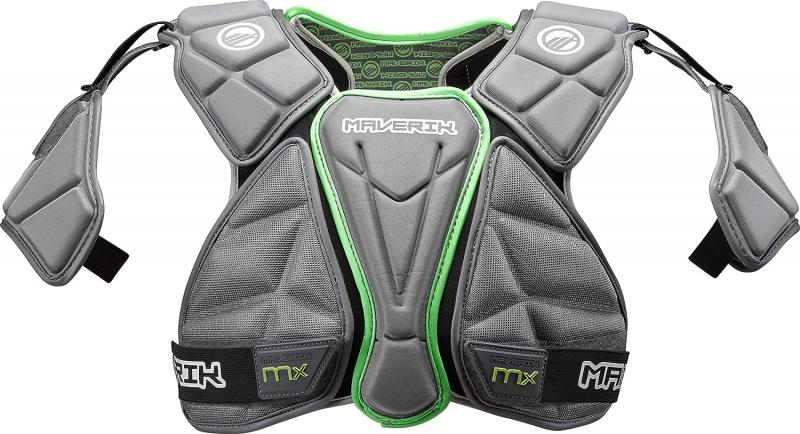
Padded shoulder pads offer maximum protection for the shoulders, collarbone, sternum, and ribs. More surface area cushioning distributes and absorbs impacts from checks, slashes, and contact.
Padding adds stability but can impede mobility. The extra weight and bulk hinders freedom of movement, especially during quick dodges, cuts, and rolls.
Non-padded shoulder pads only protect the shoulders. No extra padding for the chest, back, or ribs. Ultra-lightweight and mobility focused.
Without padding, more impact is transmitted through the shoulders directly to your collarbone and torso. Increased injury risk for positions that take frequent checks.
Most attackmen and midfielders opt for non-padded pads to maximize their speed, quickness, and agility on the field.
Defensemen, who absorb more physical punishment, tend to prefer padded shoulder pads for the extra protection during frequent body contact.
Goalies need the 360-degree padded protection to cover their entire upper body as shots ricochet off their equipment.
Reversible pads offer the versatility of padded and non-padded options in one. Wear padded side for games and non-padded for practices.
Evaluate your position’s needs and style of play to decide if mobility or maximum protection is more important when choosing pad type.
When selecting lacrosse shoulder pads, players face a choice between lightweight, mobile designs and maximum protective models. Choosing what’s right for you depends on playing style, position, and personal preference.
Lightweight vs. Maximum Protection Models
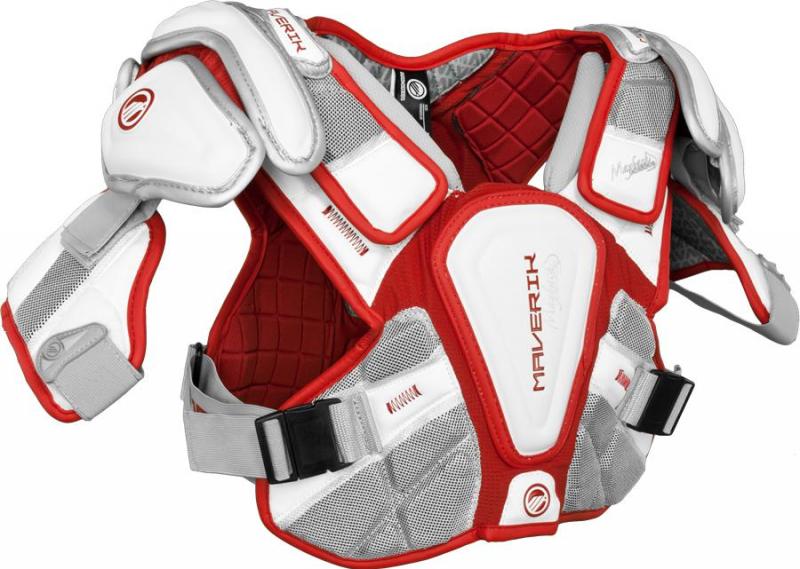
Lightweight pads use compressed foam, perforated padding, and reduced surface area to cut weight. Great for speed positions like midfield and attack.
Low profile shoulder caps and minimal rib padding sacrifice some protection for agility. Vulnerable to injury from heavy slash and check impacts.
New high-tech foams disperse impact nearly as well as bulkier pads. But repeated heavy hits can still compromise lightweight protection over time.
Max protective shoulder pads offer complete coverage of the shoulders, collarbone, ribs and torso. Ideal for defensemen.
Thick, dense foams and large shoulder caps provide unmatched impact absorption. Physical play causes less bruising and pain.
The added bulk limits mobility for quick changes of direction. Significant fatigue from carrying the extra weight over a full game.
Midfielders must balance mobility and protection. Moderate padding coverage allows physicality while maintaining speed.
Goalies need 360-degree padded protection to shield against close-range shot impacts from all angles.
Evaluate your playing style and risk tolerance. Lightweights favor speed and mobility, while max protection pads reduce injury risk from checks.
Finding properly fitted lacrosse shoulder pads is key for youth and women players. Sizes and designs are tailored to suit their developing bodies and style of play.
Youth and Women’s Lacrosse Shoulder Pad Sizing
Youth shoulder pads are sized by age groups like 12U, 14U, etc. Measurements like chest circumference, arm length, and shoulder width determine the best fit.
Allow room to grow when sizing up. Adjustable straps help tunes fit across multiple seasons as kids grow bigger and stronger.
Lightweight, low-density foams cushion impacts without restricting mobility. Focus is on learning proper body contact techniques.
Women’s shoulder pads cater to slimmer builds with contoured shapes and targeted padding zones. A medium women’s often equals a small men’s size.
Slimmer shoulder caps with shorter torso lengths allow full arm and shoulder mobility for quick stick movements.
Reduced padding density absorbs women’s style checks. No need for heavy-duty protection that would sacrifice speed.
Female youth players should start with girls’ specific sizing when possible before sizing up to women’s pads.
Trying on different sizes and adjusting straps ensures proper length, width, and compression. Ask coaches for fitting guidance.
Well-fitted, youth-specific shoulder pads protect developing bodies while allowing athletic growth and skills development.
Your lacrosse position plays a key role in choosing shoulder pads with the right size and protective features.
Getting the Right Size Based on Your Position
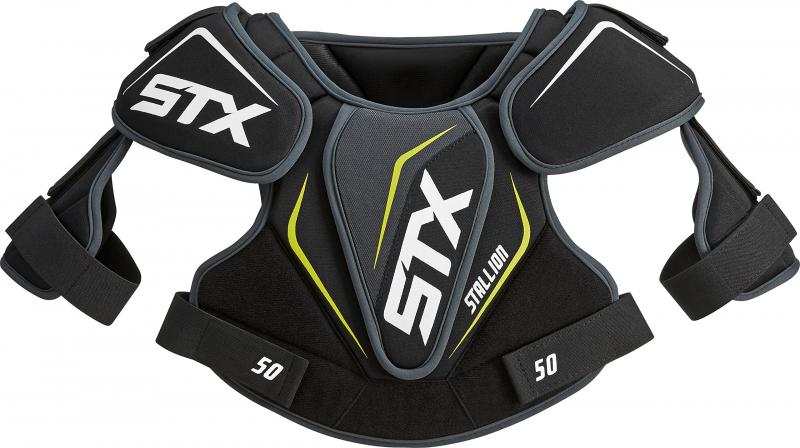
Attackmen should opt for smaller, speed-focused pads that maximize mobility for quick dodges and rolls. Priority is agility over maximum protection.
Midfielders need a balance of protective coverage and lightweight mobility for two-way transition play. Low or moderate bulk pads work best.
Defensemen take a physical beating from checks, picks, and battles in front of the net. Larger, max protective pads absorb contact best.
Goalies require full belly and rib protection given the close-range shot impacts. Arm and shoulder mobility remain important too.
Measure your chest, shoulders, and arm length against size charts to get the objective fit baseline. Consider padding needs for your position’s play style.
If you play both offense and defense, choose a versatile mid-level protection pad. Or invest in a reversible padded and non-padded set.
Trying on different pad makes and models is the best way to assess fit and feel. Don’t assume the same size works across brands.
Break in pads before games by wearing them around the house. Adjust straps as needed until the fit feels dialed in.
Your lacrosse shoulder pads should fit your body and playing style. An informed position-based approach gets you the right pads for maximum performance.
Lacrosse shoulder pads come in a range of profile designs – high, medium and low. Understanding the key differences helps you pick the right height pads for your position and needs.
High, Medium and Low Profile Design Differences
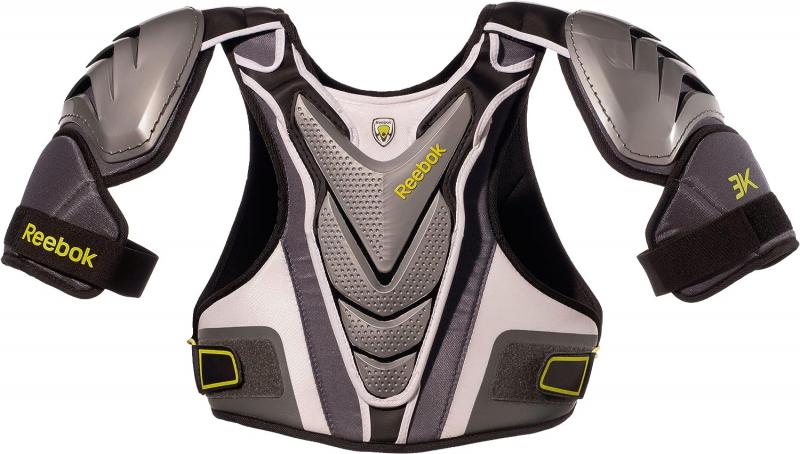
High profile shoulder pads extend padding up the neck for full coverage of shoulders and collarbone. Ideal for aggressive defensive play.
Thick shoulder caps and wide rib protection provide unmatched protection. Some mobility sacrificed for maximized protection.
Medium profile designs offer a balance of coverage and mobility. Moderate padding extends partially up the neck and across the chest.
Full shoulder cap cushioning with flexible rib padding. Allows physical play while maintaining agility.
Low profile pads minimize material above the shoulders. Padding truncated for a lightweight, contoured fit.
Unrestricted mobility for quick rolls, cuts and transitions. Less protection from direct shoulder impacts during checks.
Attackmen favor low profile pads for speed. Defensemen gravitate to high profile for physicality. Middies bridge styles to balance both.
Try on different pad profiles with your helmet and other gear. Make sure you can turn and move your head fully.
Choosing the right shoulder pad height gives you optimal fit, coverage and mobility for your position and style of play.
Lacrosse shoulder pads are designed differently to suit the specialized needs of attackmen vs. defensemen. Understanding these positional differences helps select the right pads.
Best Shoulder Pads for Attackmen vs. Defensemen
Attackmen favor lightweight, low profile designs maximize mobility for quick rolls, cuts, and dodges to goal.
Minimal shoulder caps and little to no rib padding offers unmatched freedom of movement and speed.
The trade-off is less protection from checks. But mobility is more vital for driving and finishing offense.
Defensemen need maximum protective padding to absorb repeated checks, blocks, pushes and collisions.
Broad shoulder caps, thick foam, and extended rib padding provide full-contact protection during physical play.
The bulkier padding limits mobility which is less imperative for defensive positioning.
Midfielders balance the needs of both positions. Low or medium profile pads with moderate padding suits transition play.
Goalies require 360-degree padded belly, rib, and shoulder coverage given the close-range shot impacts.
Understand your position’s priorities, then select shoulder pads tailored for attackmen speed or defensemen physicality.
Ventilation is an important yet often overlooked factor when selecting lacrosse shoulder pads. Well-ventilated pads keep you cool and dry for enhanced comfort.
Ventilated vs. Non-Ventilated for Comfort
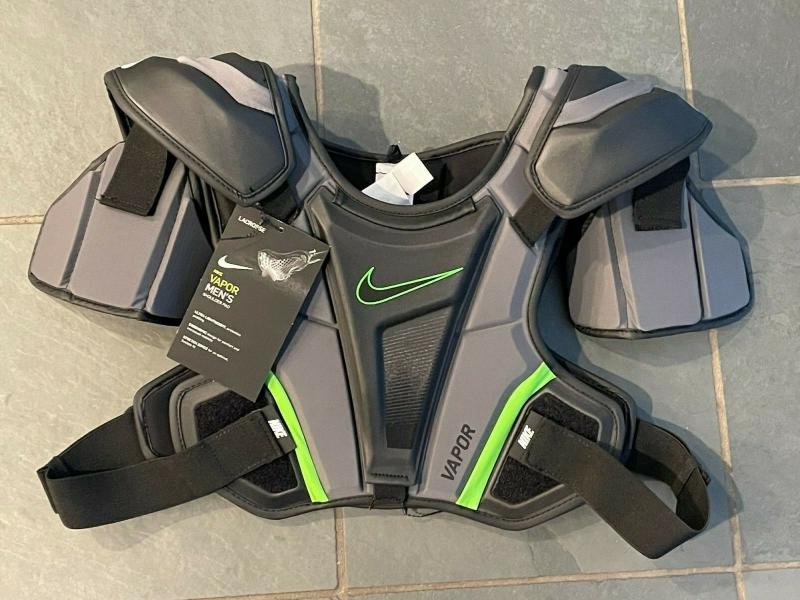
Ventilated shoulder pads use mesh paneling, perforated padding and airflow channels to circulate air. Keeps you cooler and drier.
Moisture-wicking liner fabrics draw sweat off your skin rather than trapping it within the pads.
Better temperature regulation helps maintain energy levels and reduces irritating chafing as you sweat.
Padding cutouts and shoulder cap perforations sacrifice some protection. Repeated impacts may degrade foam integrity over time.
Non-ventilated pads feature solid foam and closed-cell padding. No airflow means heat and moisture is trapped.
Staying drenched in sweat can lead to dehydration, fatigue, and decreased performance during games.
Without airflow, pads absorb odors over time. Requires more frequent deep cleaning to reduce bacteria.
Consider your climate and sweat rate. Ventilated pads excel in hot, humid conditions. Non-ventilated work fine in cooler weather.
Well-ventilated lacrosse shoulder pads keep you comfortable dry regardless of temperature for peak performance.
Taking proper care of your lacrosse shoulder pads ensures they last longer and provide maximum protection season after season.
Care and Maintenance Tips for Lacrosse Pads
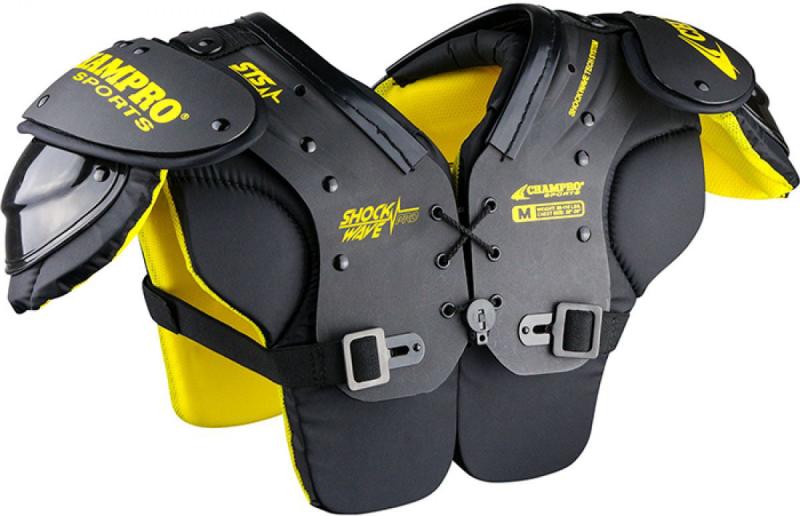
Inspect pads before each use for cracks, loose screws or damage to the shell and padding. Address issues immediately to maintain integrity.
Wipe away dirt after games and practices with a damp cloth. Spot clean heavy stains. Air dry completely before storing.
Sanitize regularly by wiping down with non-bleach disinfectant. This prevents odor buildup from bacteria and sweat.
Never machine wash or dry pads – hand wash only. Use mild detergent in cool water. Air dry away from direct sun to avoid pad deterioration.
Replace worn or loose pads straps and hardware. Check with manufacturers for replacement parts to keep pads securely fitted.
Store shoulder pads properly when not in use. Hang up or lay flat to retain shape. Don’t fold or stuff pads into a cramped space.
Consider periodic reconditioning services offered by manufacturers. Refurbishes padding for optimum shock absorption and extends pad life.
Replace shoulder pads every 2-3 years or if damaged or worn out. Don’t risk old, degraded padding for vital protection.
With some basic care and maintenance, your lacrosse shoulder pads will deliver reliable protection season after season.
Knowing when to replace your lacrosse shoulder pads is important to maximize protection. Look for signs of wear and don’t try extending pad life too long.
When to Replace Worn or Damaged Shoulder Pads
Inspect pads regularly for cracks, tears, loose screws, and compression marks. Padding deteriorates with age and use.
Replace pads if the plastic caps are cracked or if padding feels soft or bottoms out. Compromised protection leads to injury.
Straps and belts stretch with use. Replace if straps are loose or worn, allowing pads to shift during play.
Sanitize pads regularly to reduce odor from bacteria and mold buildup within the padding.
If pads have a foul, lingering odor even after cleaning, the padding is likely deteriorating and needs replacement.
Average pad lifespan is 2-3 seasons with regular use. The materials break down over time, reducing shock absorption.
Replace youth pads more frequently as kids outgrow them faster. Don’t just size up if pads are already worn out.
Buying new shoulder pads every few seasons ensures optimum protection and peace of mind on the field.
While pricy, pads are the cheapest “insurance” against potential injury. Don’t risk old, faulty equipment.