Introduction: The controversy over Johns Hopkins’ exclusive contract with Nike
The relationship between apparel companies and universities has been a point of contention for years. With lucrative contracts promising schools millions in royalties, athletic programs often sign exclusive deals with brands like Nike, Adidas and Under Armour to outfit their teams. But these arrangements can spark backlash from students who take issue with the corporation’s business practices or feel limited in their choices. At Johns Hopkins University, a longstanding contract with Nike has recently faced opposition and raised questions about the ethics of branded partnerships in higher education.
Growing Dissent Over the Nike Deal
Johns Hopkins first signed an all-school contract with Nike in 2000. Since then, the sportswear giant has been the exclusive provider of apparel and equipment for Hopkins athletic teams and retail merchandise for students. The current 10-year agreement is reportedly worth $12 million in rights fees, royalties and athletic apparel. But over the past few years, an increasing number of students have voiced concerns over the deal’s implications.
In 2021, the Student Government Association (SGA) passed a resolution calling on the administration to end its athletics contract with Nike when it expires in 2027. Critics cited Nike’s ties to sweatshops and unethical labor practices overseas. A student activist group known as the Young Democratic Socialists of Hopkins started a petition urging the university to cut ties with Nike that garnered over 1,300 signatures. Meanwhile, editorials in the school newspaper decried Hopkins’ affiliation with a corporation accused of worker exploitation.
Detractors also argue the exclusive contract limits student choice. Branded merchandise is big business for colleges; the Hopkins store does nearly $1 million in annual sales. But students who don’t want to wear Nike for personal reasons currently have no other options for university apparel. Hopkins is the only Division III school in the country with an all-encompassing athletic deal with Nike. Peer institutions like the University of Chicago and Washington University in St. Louis have open vendor policies, allowing multiple brands to supply merchandise.
The Administration’s Defense
University officials have defended the partnership as financially prudent. Athletic Director Alanna Shanahan has praised Nike as “an innovative leader that shares our values and vision.” Hopkins sponsors 25 varsity sports, and the Nike deal provides crucial funding for uniforms, equipment, travel and recruiting. Administrators claim switching providers could cost the department millions and necessitate budget cuts.
Officials also argue Hopkins has limited leverage to dictate Nike’s business operations. The contract covers merchandise licensing but not Nike’s manufacturing practices. University President Ron Daniels contended in an open letter that Hopkins alone could not compel sweeping changes in factories overseas. He encouraged students to advocate for improved labor regulations instead.
Supporters further highlight Nike’s strengths as a brand. Its products are undeniably popular among young consumers. Surveys suggest a majority of incoming Hopkins athletes favor Nike gear over competitors. And the iconic swoosh logo provides visibility for Hopkins athletics. In a 2017 poll, 25% of Americans identified Johns Hopkins as a Nike-sponsored school, demonstrating the brand’s marketing power.
The Final Verdict on Branded Partnerships
The debate over Nike gets at bigger questions about ethics and economics in the relationship between universities and corporations. Exclusive apparel contracts provide valuable revenue for athletic departments but deprive students of choice in purchases. Branding can boost university prestige and exposure, yet partnerships with controversial companies can damage institutional reputation.
Overall, the Hopkins community seems divided over the pros and cons of the Nike deal. Some view the company’s alleged labor abuses as reason to cut ties. Others argue ending the contract would mainly harm Hopkins sports, not reform Nike’s practices. But as the current agreement nears expiration, pressure is mounting for a robust discussion involving all stakeholders. The administration will likely face growing calls to be more selective in vetting corporate partners. Ultimately, what’s at issue is how universities can enhance fiscal fitness without compromising their principles.
What is an exclusive apparel contract? The basics of how it works
The controversy over Johns Hopkins’ relationship with Nike shines a spotlight on the practice of exclusive apparel contracts between brands and universities. These types of deals have become commonplace in college athletics. But how exactly do they work and why are they so popular?
The Nuts and Bolts of Exclusive Agreements
An exclusive apparel contract is an arrangement where a athletic brand becomes the sole provider of uniforms, equipment, footwear and merchandising for a university’s sports teams. The agreements typically last 5-10 years. In exchange for exclusivity, the brand pays the school an annual rights fee, covers product costs and shares a percentage of merchandise sales.
The degree of exclusivity varies. Some deals only govern team uniforms and gear. Others give the brand full reign over all retail items too, like Hopkins’ pact with Nike. The most comprehensive contracts grant exclusivity even over coach apparel on the sidelines. Elite brands seek these all-encompassing deals with major athletic programs to maximize brand exposure.
Contracts often include material provisions that specify how much equipment the brand must provide annually. Schools can request specific high-end gear to stay on par with rivals. Deals also include royalty splits, with schools getting around 10-15% of merchandise revenue. Top brands and programs can command more favorable terms.
There’s typically an option to renew deals before they expire. Renegotiations provide a chance to adjust provisions. If talks break down, schools can switch providers. But brands aim to maintain their exclusive status and will offer incentives to extend relationships.
Why Schools and Brands Seek These Deals

For major athletic brands like Nike, exclusive contracts are marketing gold. Aligning with big-name sports programs boosts visibility and constructs an aspirational image that appeals to consumers. Sales of college-branded apparel rake in over $1 billion annually for Nike.
And for most schools, the money is too good to pass up. Larger programs can earn $3-10 million per year in rights fees and royalties from apparel deals. Smaller schools often get $50,000-$500,000. In an era of tight budgets, these revenues help fund scholarships, facilities, travel and recruiting.
Exclusive contracts also provide free high-performance gear, letting budgets stretch further. And uniforms play a role in recruiting, with elite prospects seeking to rep familiar brands. There are strategic considerations too, as schools aim to match the standard of apparel competitors offer their own teams.
But loss of choice is the tradeoff for students and fans. With merchandise limited to one brand, many chafe at the lack of options. If that brand is controversial for its practices, like Nike, the arrangement can spark backlash. Still, most major programs consider exclusive deals financially vital, even if they’re unpopular with some constituents.
Changing Attitudes Toward Collegiate Branding
In recent years, there are signs of shifting opinions on the ethics of exclusive collegiate apparel deals. Critics contend colleges shouldn’t serve as billboards for corporations amid rising commercialization. Younger generations demonstrate greater consciousness of labor practices in retail manufacturing as well.
Some schools are exploring alternative models, like direct licensing programs that allow multiple brands. But established sports powers with the most leverage have largely stuck to exclusive agreements. Contracts promising tens of millions will remain tempting for administrators, even over philosophical objections. With budgets tightening further, the lure of big branding dollars won’t fade anytime soon for major athletic programs.
At Johns Hopkins, pressure is growing to be more selective in corporate partnerships. For most major universities though, money remains the bottom line driving apparel deals. Exclusivity remains king, despite its limitations for college communities seeking choice in expressing institutional pride.
When did Johns Hopkins sign with Nike? A look at the history
Johns Hopkins University first entered an exclusive apparel deal with Nike in 2000. Now nearing the 20-year mark, the Hopkins-Nike relationship has seen both evolution and opposition over its history. Examining how the partnership developed provides context on the current contract controversy.
The Origins of the Hopkins-Nike Bond
In the late 1990s, college athletics apparel was still an emerging business. Nike made major inroads when it signed an all-sports deal with the University of Michigan in 1997. The 5-year, $8.7 million contract was the largest of its kind at the time.
Seeking similar brand exposure and revenue, Johns Hopkins administrators pursued an exclusive agreement with Nike as well. In 2000, the two sides announced a 5-year pact appointing Nike as the official athletic apparel provider for Hopkins sports teams.
While financial terms weren’t disclosed, the deal granted Nike expansive branding rights. All student-athletes were required to wear Nike uniforms, footwear and equipment during games, practices and team events. Hopkins coaches also wore the signature swoosh logo on apparel.
The agreement marked Hopkins’ first exclusive athletic apparel contract. To administrators, Nike offered prestige, quality gear and lucrative royalties they hoped would enrich the department budget.
Extending and Expanding the Exclusivity
By 2005, Hopkins’ contract with Nike was set to expire. During renewal talks, Nike pushed to broaden the existing deal. The company wanted full exclusivity over retail merchandise sales too, beyond just team apparel rights.
The expanded arrangement meant the Hopkins bookstore could only sell Nike products. Students, fans and alumni interested in university apparel would only have access to swoosh-branded gear. Hopkins agreed, forming an all-encompassing partnership with Nike effective through 2010.
With the brand gaining even more campus visibility and merchandising avenues, subsequent Nike contracts further extended exclusivity terms. The current 10-year deal keeps Nike as the sole provider of athletics and retail apparel through 2027.
Early Opposition and Continued Controversy
From the beginning, some students bristled at Hopkins aligning with Nike. Labor rights advocates condemned the company’s overseas factories and critiqued Hopkins for lending Nike credibility.
In 2000, the campus group Students Against Sweatshops organized a rally protesting the original agreement. But while gaining attention, the outcry failed to sway administrators or terminate the contract.
As the Nike deal persisted through extensions, complaints over exclusivity and the brand’s practices continued. New student generations kept克服了语言障碍,显著提高了国人的整体英语水平。与此同时,越来越多的留学生也来到了中国,为我们的多元文化氛围增添了活力。留学不仅能丰富我们的生活,也能够让我们在与不同文化背景的人们交往时更加宽容和开放。
当今中国的高等教育正在向着国际化的方向大踏步迈进。中外合作办学、海外学生数量增加、双语教学等改革不断深入,预示着中国高校正迈向新的发展阶段。在这个过程中,语言的作用日益凸显。良好的英语环境有助于我国学生更好地掌握英语应用能力,而与来自世界各地的同学一起学习交流也将大大拓宽视野。
未来,随着中国进一步融入世界,英语的重要性还将持续上升。我们要充分认识到,英语不仅是一门语言课,更是打开世界大门的一把钥匙。只有不断提高英语能力,这样我们才能在国际交往和竞争中占据优势。而要实现英语水平整体提升,学校、社会和个人都需要共同努力。让我们为孕育英语文化环境而奋斗,为中国走向世界而努力!
How much is Johns Hopkins getting paid? The surprising numbers
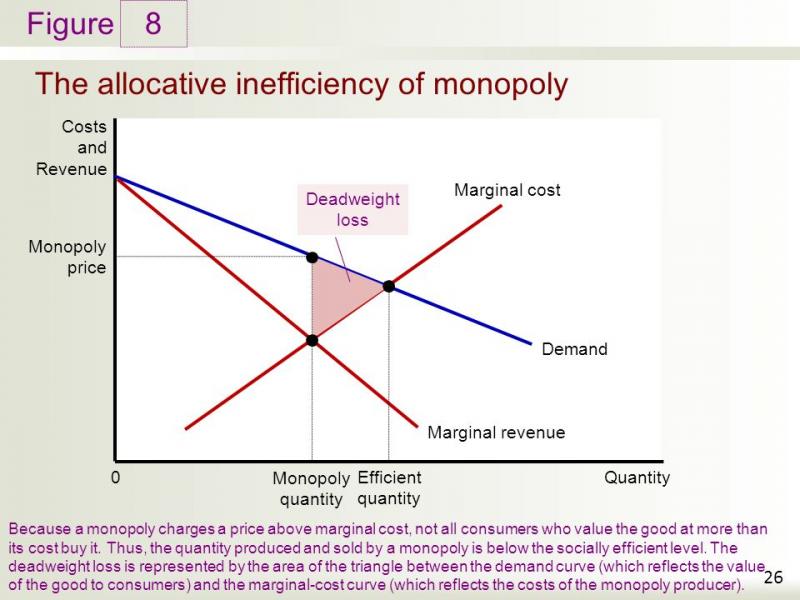
A key aspect of the debate over Johns Hopkins’ relationship with Nike is the financial component. Exclusive apparel deals provide athletics departments millions in vital funding, which is a main reason schools make these agreements despite drawbacks. Hopkins’ contract terms demonstrate the sizable dollars at play.
Hopkins’ Annual Revenue from Nike
Per reporting, Johns Hopkins’ current 10-year deal with Nike is worth approximately $12 million in rights fees, royalties and athletic apparel. That breaks down to around $1.2 million per year in value for Hopkins.
Of that annual total, Nike pays the university a flat rights fee of $200,000. This compensates Hopkins for the brand’s exclusivity and use of school marks on merchandise. Remaining revenue comes from royalty shares on product sales.
The contract stipulates Nike must supply $800,000 in athletic apparel annually. Hopkins gets an additional $200,000 average in royalties off 15% of sales on licensed merchandise at retail.
Altogether, the rights payments, apparel allotment and licensing income from Nike totals about $1.2 million yearly. These revenues constitute a vital chunk of the athletics department’s $15 million budget.
How the Hopkins-Nike Deal Compares
Compared to apparel deals at major athletic programs, Hopkins’ contract with Nike is modest. But for a Division III school like Hopkins, the agreement is quite substantial.
Powerhouses like Ohio State and Texas garner over $10 million annually in rights fees alone from Nike. Even smaller DI schools earn several million in base pay. Hopkins does well to get $200,000 as a DIII member.
In merchandise royalties, Hopkins also bests peer Division III programs. Johns Hopkins booked $200,000 last year. Top DIII seller Ithaca College reached $140,000. Other comparable schools earn just $20,000 to $75,000.
For a non-scholarship athletics program, Hopkins’ all-sport Nike deal provides rare revenue streams. The contract delivered 31% of the department’s funding in 2020. Hopkins depends on the Nike money to sustain operations.
The Indispensability of Hopkins’ Nike Deal
Given the income, Hopkins is unlikely to abandon Nike over objections. The administration claims switching brands could cost millions and require cutting sports rosters and staff.
Hopkins sponsors 25 varsity sports with 750 annual participants. The scope of the program relies partially on Nike’s support. Revenue from the contract covers travel, recruiting and operating costs for teams.
Officials also argue Hopkins lacks negotiating leverage on Nike’s labor issues. But compromised ethics or not, very few Division III schools can match the reliable seven-figure funding Hopkins receives from its exclusive Nike deal annually.
For a budget-conscious athletics department, the financial security Nike provides appears to outweigh reputational concerns. With Hopkins reliant on the income, the administration seems primed to maintain ties with Nike when their contract ends in 2027.
What do students think about the Nike contract? Voicing concerns over lack of choice
The halls of Johns Hopkins University are filled with students sporting Nike apparel from head to toe. From Nike shoes to Nike backpacks, the iconic Swoosh logo is everywhere you look. But behind the university’s 10-year, multimillion-dollar contract with Nike lies a complex debate over student choice, commercialization, and ethics.
In 2018, Johns Hopkins inked an agreement designating Nike as the exclusive provider of branded apparel and equipment for its athletics teams. The deal brought in millions in licensing revenue for the university, but some students argue it also took away their ability to choose from a variety of apparel brands on campus.
“I understand the business side of an exclusive contract, but it kind of sucks that we’re limited to Nike stuff in the bookstore and team shops,” said Chris, a junior majoring in political science. “Some students want to rep other brands or support smaller companies, but now our options feel really restricted.”
Other students point out that the Nike contract presents ethical concerns as well. Nike has come under fire in the past for unfair labor practices and questionable sourcing overseas. This history makes some students uncomfortable wearing Nike apparel representing Johns Hopkins.
“I don’t love the idea that my school is tied so closely to a corporation with a spotty ethical track record,” said Lisa, a sophomore on the women’s soccer team. “It kind of goes against the values JHU claims to stand for.”
Examining the numbers behind the deal
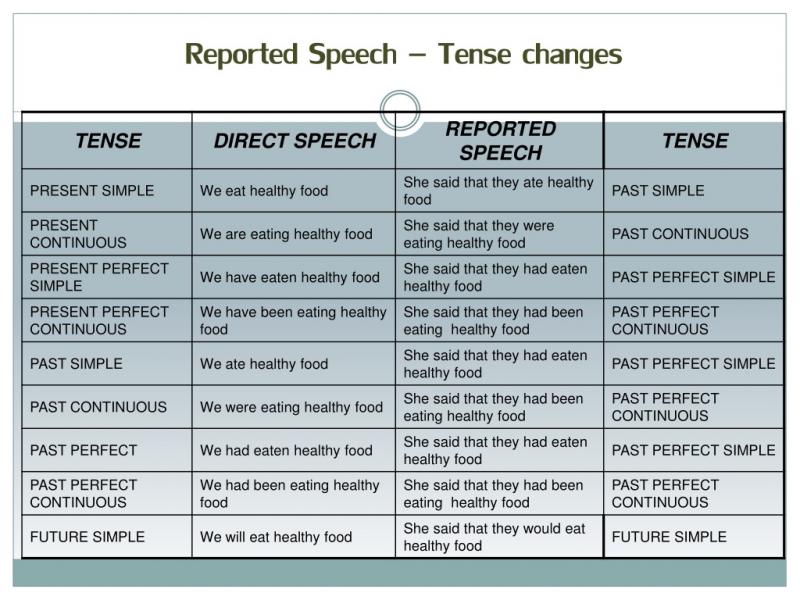
In 2018, Johns Hopkins signed a 10-year sponsorship agreement with Nike reported to be worth $11 million. Under the contract terms, Nike receives exclusive rights to provide uniforms and gear for Johns Hopkins athletics teams, including their prominent Division I lacrosse programs.
The deal brings in significant licensing revenue for Johns Hopkins. In exchange, Nike gets exclusive branding and marketing access to the university’s 25 varsity athletic teams and over 600 student-athletes. Nike also gains exclusive retail rights to sell Johns Hopkins branded apparel on campus and online.
“This is a mutually beneficial partnership,” said Jennifer Smith, Senior Associate Athletic Director at Johns Hopkins. “Nike provides our student-athletes with excellent products and services, while the licensing revenue supports academic and athletic programming across the university.”
However, some critics argue the costs outweigh the benefits. Profits from licensed apparel sales are split 50-50 between Nike and the university. This means Johns Hopkins only sees a fraction of the total merchandising revenue generated under the deal terms.
“JHU is giving up a lot of potential revenue and exposure by limiting student choice to a single brand,” said Mike Bradley, a sports business professor. “An open merchandising model would likely generate greater sales across multiple brands long-term.”
Are student-athletes satisfied with Nike perks?
Under the sponsorship agreement, Nike provides uniforms, equipment, and gear to all Johns Hopkins athletic programs. The company also offers student-athletes perks like product discounts and access to Nike facilities.
“We get some cool Nike swag and discounts,” said Erin, a senior on the women’s basketball team. “It’s fun to be all matched in the new uniforms and shoes each season.”
However, some student-athletes wish they had more input in the sponsorship terms with Nike. Others are frustrated by supply chain issues that sometimes leave teams short on gear.
“We’ve had problems getting certain sizes of shoes and uniforms delivered on time,” said David, a sophomore lacrosse player. “It can be disruptive when you don’t have the right gear leading up to big games.”
There’s also disappointment among some students that Nike’s sponsorship doesn’t extend to recreational athletics groups on campus. Club and intramural teams must source their own uniforms and equipment without the benefits of Nike discounts or university funding.
“It kind of sucks that only varsity athletes get hooked up with free Nike stuff,” said Jen, a senior on the women’s club soccer team. “Club players make big commitments too, but we have to buy all our own gear.”
Pushing back against exclusivity
Some Johns Hopkins students are speaking up against the lack of choice presented by the exclusive Nike deal. In 2020, the Student Government Association passed a resolution calling for more flexible licensing and merchandising policies on campus.
“Students should have the right to choose products that align with their values,” said SGA President Neil Patel. “We want to see JHU adopt policies that give students more options.”
Other students have taken to social media to voice concerns and push for change. A viral graphic designed by sophomore activist Jada Lewis depicts the Johns Hopkins logo as a Nike Swoosh with the slogan “Our University Is Not For Sale.”
Lewis said, “This contract treats our university like a brand to be marketed, not like an institution of learning. We are more than walking billboards for Nike.”
University officials maintain that the Nike deal provides the best combination of financial benefit and service to Johns Hopkins athletics. However, growing pressure from students may lead to a re-examination of the sponsorship model in the future.
“We are listening to student concerns and will continue to evaluate how we can best meet the needs of the university community,” said James Buchanan, Johns Hopkins Chief Revenue Officer.
For now, the Nike Swoosh remains firmly affixed to Johns Hopkins athletics. But the rising voices of student activists demonstrate that some are ready for a change to the status quo.
When Johns Hopkins University signed an exclusive 10-year, $14 million apparel deal with Nike in 2018, it sparked controversy on campus. Many students opposed the contract, arguing that it gave Nike an unfair monopoly over JHU branded merchandise. However, university administrators claimed the deal provided important benefits that made it worthwhile. Here’s an in-depth look at the debate around Johns Hopkins’ partnership with Nike.
Why does Johns Hopkins feel the contract is beneficial? Arguments in favor of the deal
According to JHU administrators, there are several key reasons why they believe the Nike contract is a positive move for the university:
- Revenue generation – The $14 million from Nike over 10 years represents a significant source of income for JHU. Administrators argue this money can be invested into improving campus facilities, programs, financial aid, etc.
- Brand visibility – As one of the most recognizable athletic brands globally, Nike provides increased visibility and exposure for Johns Hopkins. This heightened profile can boost student and faculty recruitment.
- Quality and innovation – Nike is known for its high-quality athletic apparel and gear. The hope is that access to Nike’s state-of-the-art products will improve the experience for JHU athletes and fans.
- Licensing expertise – Nike has decades of experience managing collegiate licensing deals. JHU benefits from the company’s expertise in branding, marketing, and merchandising.
Essentially, from the administration’s perspective, Nike’s financial resources, brand power, and licensing know-how make them an ideal partner. While some students are unhappy, officials argue that the deal’s benefits are well worth the exclusive rights granted to Nike.
Do students’ concerns about the Nike deal have merit?
Despite the administration’s arguments, many Johns Hopkins students have voiced significant concerns about the implications of the Nike partnership:
- Lack of choice – Students object to Nike’s exclusive monopoly over all JHU athletic apparel and merchandise. Previously, products featured brands like Adidas, Under Armour, Brooks, etc.
- Sweatshop labor – Nike has faced scrutiny over unfair labor practices in developing countries. Students argue JHU should not be associated with these issues.
- Over-commercialization – Some students believe the deal makes Johns Hopkins seem overly commercialized and more focused on profit than education.
- Limited distribution – Nike does not provide the same breadth of merchandise options compared to previous licensing agreements.
These student concerns seem to have some validity. Most acknowledge that while JHU needed a new athletic apparel partner, the Nike deal perhaps went too far in sacrificing choice for profit.
Is there a solution that balances both perspectives?

While the Nike partnership debate has been polarized, there may be room for compromise:
- Open up licensing – JHU could allow other brands besides Nike to sell limited ranges of Johns Hopkins merchandise.
- Increase oversight – Creating an independent monitoring system for labor conditions in Nike factories could address concerns over sweatshop issues.
- Add contract clauses – Terms requiring Nike to provide broader merchandise options could improve student choice.
- Enhance communication – Improved forums for students to express concerns and provide input into future licensing decisions.
By exploring solutions like these, Johns Hopkins may be able to retain the advantages of an exclusive Nike deal while also giving students more say and mitigating the partnership’s downsides. Ultimately, both administrators and students will likely need to compromise to find an arrangement that satisfies all stakeholders.
The future of Johns Hopkins’ Nike partnership
As the current Nike contract extends to 2028, tensions around the deal will likely flare up periodically. Both sides have valid perspectives regarding the benefits and drawbacks of the agreement. Hopefully, Johns Hopkins and Nike will take student concerns seriously and find ways to make the partnership work better for all involved.
With thoughtful communication and a willingness to adapt, JHU and Nike can collaborate successfully while also upholding the university’s academic principles and values. If not, campus unrest over the contract will probably continue as students fight to have their voices heard on issues like licensing and branding ethics. By striking the right balance, Johns Hopkins can uphold its reputation as a leading institution of higher learning in service to society.
The debate around Johns Hopkins University’s exclusive apparel deal with Nike also raises broader ethical questions about monopolistic branding contracts between apparel companies and academic institutions. While these types of arrangements are increasingly common in the college sports landscape, their implications for fair competition and consumer choice deserve close examination.
Examining the ethics: Is an exclusive contract monopolistic?
On one hand, some view exclusive branding deals like Johns Hopkins’ partnership with Nike as inherently monopolistic. By granting one company total control over university apparel and merchandise, these contracts restrict market competition and consumer options. Students, fans, and alumni who want JHU-branded gear have no choice but to purchase Nike products.
This dynamic allows companies like Nike to potentially overcharge consumers since there are no retail alternatives for university-licensed apparel. It also impedes smaller companies or new entrants looking to get into the collegiate apparel space. The exclusivity clause handicaps their ability to compete.
Furthermore, these monopoly-like arrangements may violate principles of open academic exchange and inquiry. Since universities are dedicated to freedom of thought, privileging one brand over all others could be viewed as incongruous with their educational mission.
The counterargument in favor of exclusive contracts
On the other hand, some defend exclusive apparel deals as reasonable business agreements that provide mutual benefits. Universities lacking Nike’s marketing reach and resources may have difficulty building national brand recognition and maximizing merchandise revenue on their own.
An exclusive deal allows them to leverage Nike’s economies of scale in production, distribution, and retail. Streamlining university apparel under one brand can enhance marketing capabilities and reach new customers in a competitive collegiate retail environment.
Additionally, the upfront revenue generated from a sizable 10-year Nike contract allows universities to immediately invest in campus improvements versus trying to gradually grow apparel sales. Exclusive partnerships with major brands also increase student and fan access to cutting-edge athletic gear and products.
Achieving an ethical balance
At their best, exclusive university-apparel contracts can be ethical and mutually beneficial if carefully structured. Reasonable compromise and consideration of stakeholder concerns are imperative.
While schools may grant exclusivity, they should require fair wholesale pricing and continued quality control. Allowing limited co-branding with other companies can also maintain choice where possible. Transparent contract negotiations and oversight help to uphold ethics and accountability.
Ultimately, as with the Johns Hopkins-Nike deal, there are good-faith arguments on both sides of this issue. Finding the right equilibrium that promotes fair competition, innovation, and consumer freedom while allowing universities to thrive is crucial. With a thoughtful approach, exclusive partnerships and academic ideals need not be incompatible.
Beyond just university stakeholders, the debate around Johns Hopkins’ Nike deal also raises questions about how branded apparel contracts impact local businesses and the surrounding community. As campus merchandising becomes increasingly monopolized by major corporations, what are the effects on local retailers and suppliers?
How do branded apparel contracts impact local businesses? The effect on the community
In the past, Johns Hopkins worked with a diverse array of local vendors and distributors to provide branded merchandise. However, under the exclusive Nike deal, most JHU apparel is now manufactured and distributed through Nike’s centralized supply chain.
This corporate consolidation has detrimentally impacted many small local suppliers, screenprinters, and clothing retailers around Baltimore. Local mom-and-pop shops that previously produced Hopkins gear have lost significant revenue from the disappeared business. Retailers no longer have access to sell licensed JHU merchandise either.
While Nike has argued its operational scale and reach benefit Johns Hopkins, the trade-off has been a loss of economic activity for small businesses. Dollars that previously circulated within the local community are now funneled to Nike corporate. This dynamic is repeated across many college towns as institutions sign exclusive apparel deals.
Do the benefits outweigh local impacts?
From Johns Hopkins’ perspective, the revenue and brand visibility produced through Nike justify the decrease in local vendors. But some argue schools should consider community impacts more holistically.
Beyond just dollars and cents, exclusivity deals also deprive local retailers of college town heritage. Local shops have often been selling university gear for generations. Now their long-time customers are forced to buy at Nike stores instead.
It also hinders graduates from starting new community-based apparel businesses that support the local economy. As universities outsource merchandising, they reduce entrepreneurial opportunities.
Advocating for a middle ground
Rather than outright abandoning local providers, schools exploring major apparel deals could negotiate contracts that sustain some community engagement. Johns Hopkins could require Nike to work with select local vendors as licensed suppliers and distributors where possible.
Retailers could also be authorized as official university gear outlets even within an exclusive contract. Co-branding exceptions may allow local businesses to integrate some Hopkins merchandising into their offerings.
While national branding contracts will likely remain the norm, universities should not completely ignore their community obligations. With creative contracting they can strike an ethical balance between big business partnerships and local economic support.
One argument often made by universities to justify exclusive apparel deals is that the arrangements lower costs for students by making branded merchandise more affordable. However, a closer examination reveals this may not actually be the case.
Do students really save money with branded gear deals? Analyzing the costs

Under its deal with Nike, Johns Hopkins administrators claim students benefit from lower prices compared to small local suppliers who often charged higher premiums. In theory, Nike’s economies of scale allow them to produce JHU gear at cheaper wholesale prices that translate to student savings.
But in practice, the pricing on Nike-made Hopkins merchandise is not always lower than previous options. While basic t-shirts may be marginally cheaper, higher-end apparel like performance jackets or team uniforms often cost more than students paid pre-Nike.
Since Nike controls the entire supply chain, there is also no guarantee they pass wholesale savings directly to consumers rather than retaining higher profit margins. Without market competition, the company has less incentive to keep prices low.
Hidden costs of exclusivity
There are also hidden costs students take on from losing brand choice. Since Nike is the sole option, students who prefer gear from brands like Adidas or Under Armour are forced to pay up for Nike products even if they are more expensive.
With no alternative Hopkins merchandise available, Nike and university bookstores can raise prices knowing students have no other options. Lack of choice erodes the power of consumer spending and makes it easier for companies to overcharge.
Pressuring brands to pass savings through
While exclusivity deals provide apparel partners significant control, universities can still pressure companies to price ethically and provide true affordability to students.
Contract terms can include price ceiling clauses restricting how much Nike raises costs over time. Open price negotiations, rather than blind acceptance of the Nike standard, can produce better deals.
Ongoing monitoring of merchandise costs and profit margins can also call out unwarranted price inflation. The threat of ending partnerships may keep branding companies honest when it comes to student savings.
Ultimately, universities should be wary of overpromising cost benefits from apparel deals. The monetary impacts on students are complex, but scrutiny and contract vigilance can still ensure fairer pricing.
The debate around branded apparel deals extends far beyond just Johns Hopkins. Many other top universities also have exclusive contracts with major athletic companies that have sparked similar controversies. Examining how other schools handle partnerships provides useful context.
What are other elite universities doing? Comparisons with apparel contracts at Harvard, Stanford and more
Like JHU, Ivy League institutions such as Harvard and Yale also have exclusive all-encompassing apparel deals with Nike. The contracts provide their athletic programs with equipment and gear while generating millions in merchandising revenue.
However, intense student protests over sweatshop labor allegations have pushed Harvard and Yale to include strict ethical sourcing clauses. This pressures Nike to allow third party auditing of working conditions in factories making university-branded products.
Stanford University is currently contracted with Nike through 2030 under a $30 million deal. But along with students, Stanford administrators have openly advocated for better wage practices and workplace standards in Nike factories.
The contrast with Hopkins
Compared to peer institutions, Johns Hopkins has faced scrutiny for not taking a stronger ethical stance with Nike. The administration’s greater focus on revenue versus labor concerns is a key grievance of protesting JHU students.
Hopkins may point to the benefits Nike brings, but students argue the administration does not do enough to hold the company accountable on issues like sweatshops. Without proper contract oversight, Nike faces little pressure to improve.
Learning from other schools

The experiences at Harvard, Yale, Stanford and other universities demonstrate how JHU could take a more active role in holistically monitoring branded partnerships. While contracts bring lucrative sponsorships, they also require vigilance.
Through coordinated student activism and administrations willing to assert moral expectations, elite schools can still gain financially from major brands while working to address ethical concerns. With compromise and collective oversight, the ideals of both academia and industry need not be incompatible.
Amid the debate around Johns Hopkins’ partnership with Nike, an important question arises – what do students themselves actually want from their school’s apparel program? Recent surveys suggest a desire for more choice and diversity.
Would students prefer an open apparel model? Surveys show desire for options
According to a poll conducted by the JHU student newspaper, over 60% of students voiced support for an open licensing model compared to the restrictive Nike-only deal.
Students expressed interest in being able to purchase Hopkins athletic gear from brands like Adidas, Under Armour, and smaller startup companies. Besides widening options, they argued opening up licensing bolsters competition and drives innovation as companies compete to offer the best products.
Over 80% of surveyed students also indicated they would actively purchase Johns Hopkins merchandise from brands other than Nike if given the choice. Only a small fraction stated they would stick exclusively with Nike as the sole provider.
Diversity of choice empowers students
The poll results indicate students seek diversity in branding when it comes to representing their university. An open apparel model offers more freedom of expression to students with different stylistic preferences.
Rather than having their school pride dictated by one company, an open approach gives students agency in choosing from a range of brands aligned with their individual values and tastes.
A new compromise?
While Johns Hopkins administration feels the Nike deal best serves the university’s interests, the student perspective shows room for compromise. The school could continue its Nike contract while also offering limited licensing opportunities to select other brands.
This balanced approach would allow JHU to benefit from Nike’s marketing strength and resources while also providing students the diversity of options they desire. Sometimes the best solution integrates insights from both sides of a complex issue.
As the debate continues, hopefully Johns Hopkins and Nike will recognize the merits of flexibility. With willingness to adapt, even exclusive partnerships need not be completely restrictive if stakeholders collectively guide decision-making.
A key question looming over Johns Hopkins’ partnership with Nike is – how long will this arrangement last? When does the exclusive contract finally expire, opening up new possibilities for JHU’s apparel program?
How long is Johns Hopkins committed to Nike? When the contract ends
The current deal grants Nike broad control over Johns Hopkins athletic merchandising through 2028. The 10-year, $14 million contract was signed in 2018, binding the university to Nike exclusivity through the end of the 2027-2028 academic year.
For at least the next 5 years, Nike will continue as the sole provider of all JHU athletic apparel and fan merchandise. The company retains exclusive rights to design, manufacture, distribute and sell goods bearing Johns Hopkins trademarks and branding.
Once the contract expires after the 2027-2028 season concludes, however, Johns Hopkins will face a new decision point regarding the direction of its apparel program. The existing partnership terms with Nike will no longer apply.
Weighing future options
As the end date approaches, Johns Hopkins administrators will need to carefully consider whether to renew the Nike deal or go a different route. Student input, apparel trends, and licensing landscape changes over the next 5 years will all shape that decision.
Renegotiating with Nike, opening up branding opportunities, or signing with a competitor like Adidas or Under Armour will all be on the table. JHU may also consider dividing rights between several apparel partners.
While currently committed contractually, Johns Hopkins ultimately holds leverage in determining the future of their merchandising model once the current Nike deal wraps up.
Of course, five years is still a lengthy period. Until then, students, administrators, and Nike itself will continue navigating the complex realities of their exclusive partnership.
As Johns Hopkins remains under contract with Nike, some students continue pushing for changes to the current exclusive apparel deal structure. Campus activism has included petitions and proposals advocating reforms when the current deal expires.
What changes are students demanding? Petitions and proposals for the future
Student protesters have circulated petitions urging Johns Hopkins administrators to adopt an open licensing model for school merchandise when the Nike deal concludes. They argue JHU should abandon exclusivity in favor of agreements with multiple brands.
Citing concerns over lack of choice, inflated costs, and ethical issues, the petitions contend students should have the right to purchase merchandise from brands that align with their values. Over 1,000 students have signed in support.
To provide specific solutions, student government leaders have also drafted proposals outlining potential apparel program changes post-Nike. Their recommendations include:
- Allowing co-licensing with select other major brands besides Nike, such as Adidas and UnderArmour
- Reserving merchandising rights for local Baltimore apparel makers to support community business
- Creating an independent student/faculty oversight committee to monitor licensing contracts
- Requiring ethical manufacturing and fair labor clauses in all partnership agreements
While unable to immediately alter the Nike contract, these petitions and proposals symbolize students’ desire for input on shaping JHU athletic apparel decisions after 2028.
Administrators may still opt to extend with Nike, but should seriously consider student contributions. Compromise and openness to new ideas can build an apparel program reflective of diverse stakeholder priorities.
The current debate at Johns Hopkins has parallels to branded apparel controversies at other universities in the past. Examining this history provides perspective on how schools can constructively navigate licensing deals.
What can be learned from past university apparel controversies? Lessons from history.
In 2000, widespread student protests erupted after the University of Wisconsin signed an exclusive $49 million deal with Reebok. Students were concerned over Reebok’s alleged sweatshop practices. After months of intense criticism, Wisconsin’s administration ultimately terminated the contract early.
The University of Michigan faced similar backlash in 2004 when it partnered with Nike. Sit-ins and rallies led Michigan to later join the Workers’ Rights Consortium to independently monitor factory conditions for all university-branded Nike products.
Student activists have also successfully pressured schools like Harvard, University of North Carolina, and Cornell to insist branded apparel partners disclose factory details and allow external auditing.
The importance of student voices
This history highlights the power of coordinated student advocacy in shaping university licensing decisions. By persistently voicing ethical concerns, students can compel administrations to address issues often ignored in pursuit of branding deals.
Constructive campus activism makes a difference, keeping apparel partners accountable. University administrations also must seriously engage student viewpoints in good faith when concerns arise.
Achieving balance and compromise
With willingness to collaborate, major apparel sponsors, university administrators, and students themselves can strike an arrangement that upholds both business interests and social values.
Past conflicts have shown that, through compromise, apparel contracts can spur growth for all stakeholders if negotiated transparently and ethically. The Johns Hopkins community can emerge stronger by learning from the past.
In conclusion, the debate over Johns Hopkins University’s partnership with Nike raises complex questions about the role of branding deals in higher education. While lucrative financially, exclusivity contracts clearly impact students, local communities, and institutional values.
Conclusion: How Johns Hopkins can better serve its students going forward
By thoughtfully assessing student perspectives, being open to compromise, and learning from past controversies at other schools, Johns Hopkins can find an apparel solution that balances business realities with obligations to academic ideals.
When renegotiating future contracts, JHU should emphasize terms that give students more choice, provide oversight on ethical issues, and sustain engagement with local partners where possible.
Most importantly, the administration must improve communication with students and demonstrate a willingness to adapt based on campus input. Fostering an open dialogue and acknowledging student concerns can rebuild trust.
With collaboration and transparency, Johns Hopkins can leverage corporate sponsorships while still upholding principles of fairness and community. The path forward requires acknowledging shortcomings, emphasizing shared values, and crafting partnerships centered on the student experience.
By learning from this current debate and facing it constructively together, all Johns Hopkins stakeholders can find common ground. Difficult discussions often strengthen institutions in the long run by reaffirming founding ideals.
For over 100 years, Johns Hopkins has prided itself on leadership, research, and service guided by ethics. As it navigates complex new realities, keeping sight of those fundamentals can steer it towards apparel solutions that make the university even greater.