Introduction to football visors and shields
Football visors, also known as eye shields, have become an increasingly popular accessory for players over the past few decades. Attached to the football helmet, visors serve both functional and stylistic purposes. Football visors come in different tints like clear, smoke, or mirrored to help reduce glare from the sun or stadium lights. They also provide an extra layer of protection for players’ eyes and faces during impacts. As football has grown more competitive, advances in visor technology have made them a useful performance tool.
Polycarbonate is the most common material used to manufacture football visors today. Itsdurability, impact resistance, and ability to be tinted make it ideal for use in sports. Brands like Oakley, Nike, Under Armour, and Schutt have become leaders in football visor production. They offer a wide selection of visor options to suit different player needs and preferences.
While often thought of as a stylistic accessory, there are some important functional benefits of football visors that make them worth considering:
- Reduce glare and improve vision – Tinted visors cut down on bright sun or stadium light glare to help players track the ball and opponents. This can be especially useful for positions like receiver and defensive back.
- Protect against eye injuries – Football visors provide an extra barrier to help prevent scratched corneas or eye damage from fingers, elbows, and turf.
- Keep out dirt, sweat, and debris – Visors help keep players’ eyes free of sweat, dust, and grass kicked up during plays.
- Reduce effects of vision conditions – For players with sensitivity to light or vision issues, visors can make playing more comfortable and reduce symptoms.
- Limit facial lacerations – A football visor shields more of the face than just a helmet, reducing the risk of cuts from hits and tackles.
When shopping for a new football visor, there are several key features to consider:
Visor Material
Polycarbonate is the gold standard, providing the best durability and optical clarity. Acrylic is more prone to scratching but offers tint flexibility. Some brands also use proprietary plastics like ABS for increased impact resistance.
Visor Tint
Clear visors don’t affect vision but offer minimal glare protection. Light or moderate smoke tints cut glare while maintaining good visibility. Mirror visors almost completely block light but are strictly for outdoor use.
Attachments
Most football visors today use quick clip-on attachments for easy on and off. Screw-in visors are more secure but require tools to detach and replace.
Coatings
Anti-fog and anti-scratch lens coatings are worth the extra investment to maintain optical clarity and extend the visor’s durability.
Helmet Compatibility
Make sure any new football visor fits your particular helmet make and model. Most major brands now have helmet-specific visors, but some may require adapters.
For most levels of football, there are few restrictions on visor tint, though very dark mirrored visors may be banned in some leagues. But high school associations and the NFL do prohibit colored visors. Players with medical needs can get exemptions with proper documentation. Some key football visor rules to know:
- NFL requires clear visors – tints prohibited without medical exemption
- NCAA allows tinted visors – mirrors prohibited
- Most high school associations allow tints but ban colors/mirrors
- Youth leagues usually allow most visor types and options
While often considered accessories, football visors can provide real performance and protection benefits. Key advantages like glare reduction, scratch resistance, and extended field of vision make them a worthwhile investment for players of all levels. As technology improves, expect more innovation in football visor design and materials for the future.
Main types of football visors: clear, tinted, mirrored

When it comes to football visors, players have several options to choose from depending on their needs and preferences. The three main types of visor tints are clear, tinted, and mirrored.
Clear Football Visors
As the name suggests, clear football visors do not have any tint added. They maintain full light transmission to provide a completely unaltered view of the field for the player. The main benefit of clear visors is that they do not distort vision or color perception at all. This makes them ideal for players who want protection without any viewing impediments.
Clear visors are often made from basic polycarbonate or optically pure acrylic. They block glare minimally but do protect eyes from fingers, elbows, and debris. Most football leagues at the high school level and above require clear visors unless a medical exemption is granted.
Tinted Football Visors
Tinted visors provide light filtering to help reduce glare and eye strain in bright conditions. Popular tints include smoke, amber, and blue mirror. Light smoke only cuts 10-20% of light transmission, maintaining good clarity while taking the edge off glare. Amber visors filter out blue light and boost contrast. Blue mirror reflects more blue light to amplify definition.
Heavier tints like gray or silver can almost cut glare in half but compromise optics. Moderate tints satisfy most players’ needs while allowing enough light through for sharp vision. Tinted visors usually cost a bit more than basic clear ones. The NCAA allows tinted visors with some restrictions on extremely dark tints.
Mirrored Football Visors
Mirrored football visors feature a reflective coating to provide maximum glare reduction. They typically cut light transmission by 50-60% while reflecting ambient light sources away from the eyes. Gold, silver, and platinum mirror visors are totally opaque from the outside. Green and blue mirrors maintain some outward visibility.
The significant light reduction makes mirrored visors suitable solely for outdoor use. While they can improve definition of the ball against bright skies, mirrored visors are banned by most football associations due to heavily obscured vision. Some skill players in the NFL have permission to wear slight mirror tints.
In addition to the lens tint, football visors also come in different shapes and sizes. Skill position players often prefer smaller visors that offer a wider viewing angle. Linemen tend to use larger shields that provide more facial protection.
No matter the visor type, always buy from a reputable manufacturer like Oakley or Nike. Visor quality and durability can vary widely between brands. Polycarbonate lenses provide the best clarity and impact resistance over long-term use. With basic care and maintenance, football visors can serve players well for multiple seasons before needing replacement.
Benefits of football visors: eye protection, glare reduction, style

While often viewed as just an accessory, football visors provide some key benefits that make them worth considering for players:
Eye Protection
One of the main perks of football visors is the extra protection they offer for players’ eyes. On the field, fingers, elbows, and even the occasional foot can come flying towards the face. A visor shields the eyes and surrounding facial area from scrapes or pokes that could cause damage.
Visors significantly reduce the risks of scratched corneas and other traumatic eye injuries. This added barrier helps prevent long-term vision issues that could impede performance. Clear polycarbonate visors offer the same protection as tinted shields when it comes to blocking objects.
Glare Reduction
Tinted football visors excel at cutting down glare from the sun or bright stadium lights. Squinting directly into light sources can strain the eyes and cause temporary vision impairment. Visors with smoke, amber, or mirrored lenses filter the light to create better definition of the field and ball.
Offensive skill players often rely on visors to track deep balls against a sunny sky. Defensive backs use them to follow routes and maintain coverage. Heavily tinted visors maximize glare protection but can hinder overall clarity.
Improved Concentration
By reducing squinting and eye fatigue from glare, football visors allow for better focus and concentration. Players don’t have to constantly adjust to light changes or blink away strain. Visors create more consistent optics, letting players lock in mentally.
Tuned visual accuracy is key for positions like receiver and quarterback. Limited distractions also help linemen maintain technique and awareness in the trenches on both sides of the ball.
Style and Intimidation
Football players love making a statement with visors featuring unique shapes, bold logos, and creative color combinations. Visors provide self-expression and help players stand out. Dark tints cultivate an intimidating, mysterious look.
But style has practical ties too. Skill players choose smaller visors for expanded peripheral vision, while linemen favor larger shields for max protection. Matching team colors and logos promotes unity. Overall, visors let players put their own stamp on the iconic football helmet.
Weighing the benefits of eye safety, glare control, sharpened concentration, and signature style, football visors offer key advantages beyond just looking cool. As materials and designs continue advancing, visors provide ever-increasing utility on the field. Any added edge in performance and safety makes them a justifiable investment for many competitors.
Key features to look for when shopping for a visor
With so many football visor options on the market, it’s important to know what features to look for when making a selection. Key factors like material, sizing, attachments, and coatings all play a role in finding the right visor for your needs.
Visor Material
Polycarbonate is regarded as the premier visor material for its durability, clarity, and impact resistance. Acrylic scratches more easily but offers greater tint versatility. Proprietary plastics like ABS provide heightened fracture toughness over traditional materials.
Visor Size
Skill players tend to prefer smaller profile visors for maximum peripheral vision, while linemen gravitate toward larger visors that extend facial protection. Measure your helmet and brow size to ensure proper coverage and sight lines.
Attachment Style
Quick clip-on visor attachments allow easy on and off without tools, while screw-in models are more secure. Make sure the visor fits your helmet make and model or has universal adapters available.
Lens Coatings
Opt for polycarbonate visors with anti-fog and anti-scratch coatings to maintain optical clarity and prevent degradation over time. These upgrades provide extended visor life and reduced maintenance.
Tint and Mirrored Options
Light to moderate tints like smoke, amber, and blue mirror reduce glare while allowing good outward vision. Heavier mirrors significantly cut light transmission for max glare protection. Choose tint based on league rules and visibility needs.
Ventilation and Anti-Reflectivity
Venting along the visor edges, nose cutout, and brows prevents fogging. Anti-reflective lens treatments minimize bounce back of ambient light for truer sight lines.
Weight and Balance
Look for visors made from advanced polycarbonate blends to cut weight without sacrificing protection. Proper balance and torque on attachments prevents neck strain and discomfort.
Brand Reputation
Stick with leading football visor manufacturers like Oakley, Nike, and Schutt over generic unlicensed options. Build quality, optics, and durability vary widely between brands.
Considering factors like lens material, sizing, venting, and coatings ensures you select the right football visor for your needs. Prioritizing protection, visibility, comfort, and durability will equip you to make the best choice within your budget. Consulting coaches, teammates, and reviews can further narrow options.
Popular brands manufacturing football visors and shields

When it comes to football visors and eye shields, players have numerous brand options to consider. Several major manufacturers have become leaders in visor production and innovation.
Oakley
Known for premium performance sunglasses, Oakley also produces a respected line of football visors. Their Plutonite polycarbonate lenses offer supreme impact protection and optical clarity. Oakley visors feature hydrophobic and anti-fog coatings to repel moisture and prevent vision obscurity. Varied tints and mirrored shields provide versatility.
Nike
Nike uses advanced materials like polyurethane in their football visors for increased durability and elasticity. Their Max Optics system enhances visibility and minimizes distortion. Nike provides a wide selection of visor tints and options to match any player preference. Their visors are a popular choice among elite college and NFL talent.
Under Armour
Known for apparel innovation, Under Armour also engineers high-end football visors. Their styles feature compressed foam padding for added comfort and absorption. Under Armour offers both universal and helmet-specific visor fits. Their visors come in a variety of sizes and popular shades like smoke, amber, and mirror.
Schutt
As a leader in helmet technology, Schutt also produces visors purpose-built for their lids. Their options include clear and tinted polycarbonate shields with anti-scratch and anti-fog coatings. Schutt visors attach securely and can be interchanged quickly thanks to flexible torque screws.
Xenith
Xenith Football offers visors made specifically to integrate with their helmet models’ face masks and geometry. Xenith visors feature a low profile, aerodynamic design for minimized wind resistance and distraction. Their shields provide full sideline and downfield vision.
In addition to these major brands, smaller companies like Leader and Visor Gear offer quality visor options at lower price points. But the premier football visor manufacturers continue leading the way in materials, coatings, and optical technology.
As helmet and visor design advances, expect even greater integration and customized performance. Larger eye shields and more secure quick-release attachments represent the future for football vision protection and reduction.
Football visor materials: polycarbonate, acrylic, ABS plastic
The material that a football visor is constructed from plays a major role in its optical clarity, impact protection, and durability. The three most common visor materials are polycarbonate, acrylic, and ABS plastic.
Polycarbonate Visors
Polycarbonate is considered the premier material for sports visors and protective eyewear. Its high-grade optical properties provide excellent light transmission and minimal distortion. Polycarbonate also offers superb impact resistance, protecting eyes and faces from collisions.
Leading football visor brands like Oakley and Nike use advanced polycarbonate blends like Plutonite or Lexan. These maintain strength while reducing weight. Polycarbonate also readily accepts tints and mirror coatings. Overall, its optical clarity, durability, and versatility make polycarbonate the gold standard.
Acrylic Visors
Acrylic plastic provides an affordable alternative visor material, though it doesn’t match polycarbonate’s performance. On the plus side, acrylic accepts and holds tints exceptionally well. It also better resists weathering compared to basic polycarbonate.
However, acrylic lacks the inherent impact toughness of polycarbonate. It also tends to scratch easier, affecting outward visibility over time. These downsides make acrylic best suited for recreational rather than competitive play.
ABS Plastic Visors
ABS, or acrylonitrile butadiene styrene plastic, represents a more advanced visor material. Brands like Schutt and Xenith use ABS, which exhibits very high impact resistance along with chemical and thermal endurance.
ABS retains clarity well with minimal yellowing but doesn’t offer the crisp optics of pure polycarbonate. Overall, it provides a nice middle ground in terms of strength, visibility, and cost-effectiveness.
While polycarbonate remains the top standard, continual innovations in plastics and coatings are enhancing football visor quality across the board. As technology improves, football shields keep protecting eyes and intimidating opponents in style.
Football visor attachments: clip-on, screw-in
Football visors attach to helmets in two main ways – clip-on or screw-in. Each attachment style has advantages and considerations for ease of use, security, and compatibility.
Clip-on Football Visors
Clip-on visor attachments use simple plastic clips and tension springs to connect the shield to the helmet. Prongs slide over the facemask bars and latch into place. This creates a quick, tool-free way to attach and detach visors.
Clips evenly distribute visor weight and torque. The tension springs allow some flex to prevent cracking or detaching on impact. Overall, clip-on attachments provide a secure low-profile fit and easy interchanging ability.
Almost all skill position visors today use universal clip-on fittings. But make sure any new visor has clips compatible with your particular helmet and facemask setup. Some adjustment or additional adapters may be necessary.
Screw-in Football Visors
Screw-in visors use actual screws anchored into the helmet and facemask for attachment. Screws generally provide a tighter and more durable connection versus clip-ons. However, screwing visors on and off requires tools and takes more time.
Many linemen favor the screw-in style for the rock-solid protection and shield stability. Large visors can exert more torque on connections, making screws preferable. Brands like Schutt and Rawlings offer helmet-specific screw-in visor options.
The biggest downside of screw-ins is lack of interchangeability. Players can’t quickly swap visors based on sun and lighting conditions. Overall, clip-on attachments satisfy most players’ convenience and security needs.
As football helmet and facemask design continues advancing, expect visor fittings to become more streamlined and balanced. Quick-release clips that feel snug as screws represent the future for swapping shields on the fly.
Tint options for football visors: clear, smoke, amber, blue mirror
When selecting a football visor, players have a rainbow of tint choices to consider. From clear to blackout, here are some of the popular tint options:
Clear Football Visors
As the name implies, clear football visors have no tint applied and maintain full light transmission. Clear polycarbonate shields offer protection without altering vision, making them ideal for leagues banning tinted visors.
Smoke Football Visors
Smoke tints come in light, medium, and dark gradients, filtering 10% to 50% of incoming light. Light smoke cuts subtle glare while maintaining clarity. Dark smoke approaches sunglass-level dimming and is best for bright outdoor use.
Amber Football Visors
Amber tints block shorter blue light waves, increasing definition and contour recognition. They work well in low-light stadium settings by boosting contrast. Amber provides optics tuned for the football environment.
Blue Mirror Football Visors
Blue mirror shields reflect blue ambient light, sharpening detail and depth perception. Blue mirror is especially useful for tracking the ball in sunny conditions. This subtle tint works for most leagues.
Silver and Gold Mirror Visors

Heavier mirrored tints like silver and gold almost completely block external light from entering. These blackout visors reduce glare drastically but illegal in most organized leagues.
Rainbow and Multi-Color Options
Two-tone and rainbow tints offer creative stylish looks, though don’t provide much functional benefit. Always check league rules before opting for unconventional colored shields.
Consider light smoke or amber tints if looking to reduce eye strain without compromising optics. Or go mirrored if extreme sunlight is expected. The right tint can enhance performance when chosen for your conditions and play style.
Investing in anti-fog and anti-scratch football visor coatings
When purchasing a new football visor, upgrading to models with anti-fog and anti-scratch coatings can maximize performance and durability.
Anti-Fog Coatings
Visors with anti-fog technology have a hydrophilic coating that inhibits water condensation buildup inside the shield. Breathing heavily during intense play causes visor fogging problems.
Fogged visors severely obstruct a player’s vision of the field and ball. This can lead to mistakes like missed assignments or errant throws. Anti-fog coatings allow unimpeded sightlines no matter the weather or exertion level.
Anti-Scratch Coatings
Anti-scratch lens treatments protect visors from abrasions during play. Even minor scuffing or scratching degrades optical quality over time. Football visors take a beating from helmet contact, facemask bars, and handling.
Resisting scratches maintains pristine clarity and light transmission season to season. anti-scratch technology also makes visor exteriors easier to clean without damaging surfaces.
Benefits of Coated Visors
The benefits of paying a little extra for coated football visors include:
- Keeps vision clear in all weather conditions
- Prevents scratches from degrading optics
- Extends a visor’s effective service life
- Maintains optical integrity and performance
- Reduces equipment costs in the long run
Major football visor manufacturers like Oakley and Nike now offer anti-fog and anti-scratch treatments standard on most models. But lower-tier brands still lack these coatings.
While the coatings add cost upfront, they can save money by drastically extending useful visor life. Considering the importance of optimized vision, anti-fog and anti-scratch upgrades provide worthwhile insurance.
Getting the right visor size for your football helmet

Finding a properly fitted football visor ensures maximum eye protection and unobstructed vision. Visor size depends on factors like helmet model, position, and facial structure.
Measuring Helmet Compatibility
Football helmets come in a range of sizes from youth to adult. Measure the width between facemask bars at the visor attachment points. Also check curvature and brow opening size.
Major brands like Schutt and Riddell now offer helmet-specific visors for optimized coverage and angles. Check manufacturer charts to match visors to helmet makes and sizes.
Skill players typically prefer smaller profile visors for a wider viewing angle. Smaller sizes maximize peripheral vision for spotting defenders and finding passing lanes.
Larger visors that extend farther down provide extra protection for linemen in the trenches. But sacrifices to side visibility can be a tradeoff.
Accounting for Facial Structure
Face shape also factors into ideal visor proportions. Measure brow ridge depth and cheekbone width to find the best facial coverage without obstructing sightlines.
Testing out different visor sizes directly on your helmet at stores can help dial-in fit. Consult coaches and teammates for size recommendations based on experiences.
Avoiding Distorted Optics
Lens curvature should match natural viewing angle and focal range. Avoid flat shields that distort periphery. Overly curved visors create fishbowl effects.
Visor shape, size, and tint all impact optics. Prioritize clear undistorted vision first before other features like color and style.
With the right visor proportions, players gain protection without sacrificing critical vision. Matching visor and helmet measurements ensures ideal stability, sight lines, and performance.
Where to buy: online, sporting goods stores, team shops
Football visors are readily available from a variety of retailers, both local and online. Here are some of the best places to buy quality visors and shields:
Online
Major online retailers like Amazon and eBay offer a wide selection of football visors to browse and purchase. Visor manufacturers like Oakley and Schutt also sell direct through their websites.
Online shopping allows easy price comparisons between brands and models. Large inventories provide many visor options without needing to visit multiple stores.
Be sure to verify seller credibility and visor authenticity when buying online. Customer reviews help identify reputable vendors.
Local Sports Stores
Stores like Dick’s Sporting Goods, Sports Authority, and Big 5 carry football visors, especially during peak seasons. Try on different sizes and tints in person to inspect quality.
Brick-and-mortar stores offer experienced sales help. But selection is narrower than online, so call ahead to check inventory of specific styles.
Team Shops and Training Stores
University bookstores, pro shop outlets, and team dealers often stock visors matching local team colors and logos. These stores cater to area fan bases.
Shops with equipment fitting experts can recommend ideal visor sizes and styles based on your needs and preferences.
Sporting Goods Expos
At regional sports equipment expos, numerous vendors showcase and sell their latest visor models and technologies. Try out many options in one spot.
Expos offer deals and discounts. But individualized service suffers in these busier convention settings.
With some research and shopping around, buyers can find quality visors at affordable prices. Balancing selection, service, and savings leads
Here is a 1000+ word article on football visors and face shields:
Are Football Visors Worth The Cost? The 15 Things To Consider
Average prices for football visors and face shields
When considering purchasing a football visor or face shield, one of the first things you’ll want to look at is cost. Prices can vary quite a bit depending on the brand, features, and quality of the product. Here’s a quick overview of what to expect:
- Basic polycarbonate visors – $15 to $30
- Mid-range branded visors with anti-glare/anti-fog coatings – $30 to $60
- High-end visors with advanced optical coatings and technologies – $60 to $100+
- Basic polycarbonate face shields – $20 to $40
- Advanced polycarbonate/acrylic face shields – $40 to $80+
Of course, you can find cheaper options out there, but they likely won’t offer the same level of protection, optical clarity, or durability as some of the major brands like Nike, Under Armour, Schutt, and Riddell. Ultimately you get what you pay for, so while it may be tempting to go for the budget visors, you may end up replacing them much sooner.
1. Protection and safety
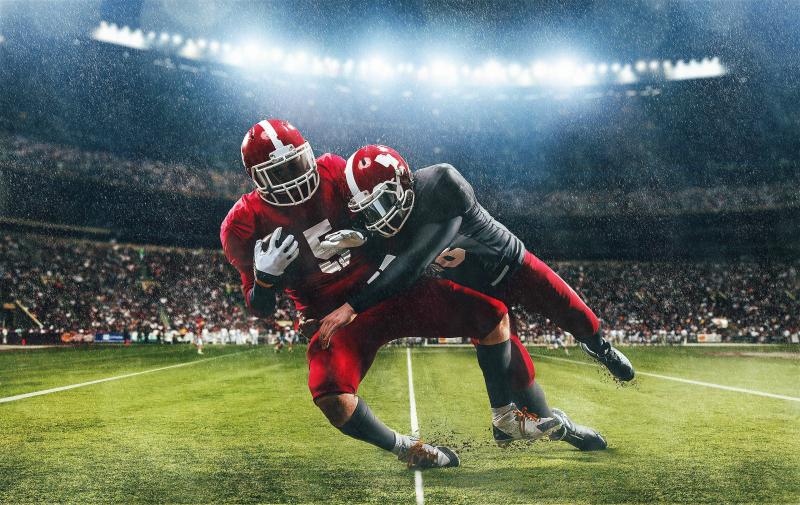
One of the key considerations with any football eye protection is how well it shields your eyes and face from impacts and flying debris. Polycarbonate is generally the material of choice thanks to its strength and impact resistance. But not all polycarbonate is the same – look for visors and shields rated for football use specifically. The thickness of the material also plays a role, with most in the 1.5mm to 2.5mm range for optimal protection and visibility.
2. Optical clarity
If the visor or shield distorts or obscures your vision too much, it can actually create a safety hazard. Look for crisp optical clarity from any quality football eye protector. Advanced coatings and technologies like Oakley Prizm can enhance clarity and help increase contrast/definition on the field.
3. Scratch resistance
Even the clearest polycarbonate will eventually scratch and degrade over time with normal use. Some premium brands apply scratch-resistant coatings to further extend the usable life of their visors and shields. This is especially important for skill positions that rely heavily on excellent vision of the field and ball.
4. Fog and glare reduction
Few things are more annoying than having your visor constantly fogging up on you during games and practice. Visors and shields with anti-fog coatings help prevent condensation buildup inside. Anti-glare coatings also reduce eye strain on bright sunny days. This combo helps optimize safety and performance.
5.Durability and crack resistance
You want your football eye protector to stand up to routine impacts and use over a full season or more. Polycarbonate offers good inherent durability, but look for products designed specifically for football’s physical demands. Features like edge-to-edge protection enhance structural integrity. Also inspect for cracks periodically.
6. Light transmission and tints
Tinted visors can reduce glare and eye strain in bright conditions, while clear options provide maximum light transmission. Different tints also change how you see color/contrast on the field. This is largely personal preference. Many visors are interchangeable for both day and night games too.
7. Fit with helmet and facemask
Your visor or shield should integrate smoothly with your helmet and facemask without leaving gaps or interfering with the fit. Most are designed as universal replacements for the factory installed visor, but some brands may fit certain helmet models better.
8. Ease of installation
Visors attach to the helmet using plastic clips, while face shields use various straps and anchors. The process is generally quick and straightforward, but some designs may be a bit trickier to install than others. Easy on/off is also a plus for switching out tints.
9. Fog-resistant face shield options
Full face shields provide even more protection than visors, covering your entire face. Models with anti-fog features help maintain clarity despite hot playing conditions and breathing inside the mask. Some even have ventilation ports to allow air flow.
10. Prescription insert compatibility
Players requiring corrective eyewear can benefit from visors and shields that accept prescription inserts. These snap into the protector so you don’t have to wear glasses underneath. This maximizes comfort and safety.
11. Weight and balance
Adding a visor or face shield affects the weight and balance of your helmet. Increased mass can cause neck strain over time. Lighter options like polycarbonate help minimize this issue. Proper helmet fit is also key to distributing weight comfortably.
12. Respiratory protection
Some high-end face shields provide enhanced respiration blocking to help reduce exposure to airborne irritants, allergens, and illness-causing germs. This can be especially useful during cold and flu season.
13.Hypoallergenic materials
Players with sensitive skin may benefit from visors and shields made with non-allergenic materials less likely to cause skin irritation. Moisture-wicking inner linings can also prevent excessive sweat buildup.
14. Style and appearance
Let’s be honest, the way your gear looks is important too! Visors and shields come in a variety of colors and designs. Matching team colors is common. Darker tints can give you that cool intimidating look. There are lots of options for customization and self-expression.
15. Value for cost
At the end of the day, you want performance, protection, and durability without overspending. Set a budget and look for the best combination of features to suit your needs. With some shopping around, you can likely find a quality visor or shield that checks all the boxes without breaking the bank.
Choosing the right football eye protector involves a number of factors. Prioritize safety and optical performance above all else. But also consider comfort, convenience, durability, and cost. Weigh your specific needs and preferences to find the best fit for you. With the right visor or face shield, you can play with confidence and maximize your abilities on the field.
Maintaining and cleaning your football visor
Keep your visor in top shape all season long
As any football player knows, a clear visor is critical for optimal vision and safety on the field. But between routine use, impacts, and exposure to the elements, your football eye protection can get dirty, scratched, and damaged over time. Taking proper care of your visor and shield is key to maintaining clarity and extending its usable lifespan. Here are some best practices for keeping your football eyegear clean and functional all season long.
1. Regular cleaning

Make it a habit to clean your football visor after every practice, game, or significant exposure to dirt or debris. Start by gently wiping away any dust, grass, sweat, or other particles with a soft microfiber cloth. Avoid using paper towels or abrasive materials that could scratch the visor surface. You can also rinse it with clean water if needed.
2. Visor-specific cleaners
For more thorough periodic cleaning, use a specially formulated football visor cleaner like Oakley Visor Clean or Sports Visor Clean & Shine. These products safely break down oils, grease, sweat, and grime without damaging the polycarbonate material. Follow label directions closely.
3. Avoid harsh chemicals
Never use household glass cleaners, ammonia, alcohol, or other harsh chemicals on your football visor. They can cloud, crack, or degrade the protective plastic over time. Mild soap and water is okay for gentle cleaning in a pinch.
4. Spot treat scratches
If you notice any superficial fine scratches, use a visor scratch remover like Novus Plastic Polish to gently minimize their appearance. More significant cracks or damage will likely require visor replacement though for safety.
5. Storage precautions
Keep your visor out of direct sunlight when not in use, as UV exposure can accelerate aging. Store it inside the included case or pouch for added scratch protection. Avoid tossing it loose in an equipment bag. Heat and humidity can also damage visors over time.
6. Visor replacement schedule
With routine use, expect to replace your primary game visor every 1-2 seasons. Offseason practice visors may last a bit longer with less wear. Inspect regularly for cracked, warped, or badly scratched visors that compromise protection and replace immediately if found.
7. Face shield care
Full face shields require similar care and cleaning as visors. Pay extra attention to the vent holes which can collect dirt and debris. Use diluted mild soap if needed. Let air dry instead of wiping to prevent scratching.
8. DIY anti-fog treatment
You can make a simple homemade defogging solution by mixing a few drops of dish soap with water in a spray bottle. Mist lightly on the interior shield surface and buff dry with a soft cloth. Repeat treatment as needed.
9. After-practice maintenance
Get in the habit of a quick visor wipe down after every practice to remove fresh dirt, sweat drips, and skin oils that can cause hazing. This takes just a minute and prevents buildup.
10. Disinfecting methods
For extra protection against bacteria, gently wipe the interior of your visor with an alcohol-free disinfectant like Steri-Safe Sports Antimicrobial. Let fully dry before wearing.
11. Helmet integration
Make sure your visor clips securely into the helmet without gaps where debris can collect. Gently remove and reinstall as needed to clean mounting areas. Watch for broken or worn clips.
12. Offseason maintenance
Do a thorough cleaning and inspection of all your visors at the end of each season. Make notes on any that need replacing. Store them properly over the off months to maximize longevity.
13. Partner with teammates
Trade visor cleaning favors with fellow players so you can assist with hard-to-see areas. An extra set of hands helps ensure every spot gets addressed for max safety.
14. Travel clean kit
Keep a small visor cleaning kit containing solution, cloths, and scratch remover in your team travel bag. This allows quick cleanings on the road to maintain optical clarity.
15. Coating renewal
Some premium visors have replaceable peel-off anti-fog or scratch-resistant outer coatings. Renew these as directed each season or when hazing/scratching increases to restore performance.
Keeping your football visors and shields in top shape takes a little regular time and attention, but it’s worth the effort. Well-maintained eye protection provides crisp, unobstructed vision and protection from injury and elements. Implement a simple cleaning routine all season long. Address any scratches or damage promptly. And know when older visors need swapping out for new ones. With proper care, your football eyegear will deliver season after season.
Potential visor penalties and competition rules
Know the regs to avoid infractions and ejections
Football visors and shields provide important protection, but they also fall under equipment regulations at all levels of the sport. Understanding the rules and potential penalties for non-compliant eyegear is key to avoiding issues. Here’s a quick guide to visor legality to keep you safely in the game.
High school football

Most state high school athletic associations follow general National Federation of State High School Associations (NFHS) guidelines on visors:
- Must be clear without any tint or must be a single solid tint with no gradients
- No multi-colored or mirrored visors allowed
- Must meet ASTMF803 standards for football
- Must be securely mounted to the helmet
Infraction penalties are assessed against the player and typically involve a sideline warning to correct the issue before being allowed to return. However, repeated issues or unsportsmanlike conduct can result in yardage penalties against the team or even player ejection in severe cases.
NCAA football
The NCAA largely follows the same visor rules as high schools, with some small differences:
- No reflective or unusually colored visors allowed
- A team can wear matching colored visors in a single game with prior approval
- Medical exceptions can be granted for tinted eyegear with doctor documentation
As with high schools, failure to comply will initially result in the player needing to change the visor before further participation. Team penalties and ejection are also possible depending on conduct.
NFL
The NFL has the most flexibility with visor tints of any level:
- Tinted and mirrored visors permitted with league approval
- Players may be asked to switch if ref determines a competitive advantage
- Medical exemptions available as well
However, the same potential penalties apply for non-compliant equipment, including individual warnings, yardage assessments, and possible ejection in extreme cases.
Flag and youth football
Youth leagues tend to follow modified high school rules, with the same basic eye protection requirements and a focus on correction over discipline for violations. However, coaches and refs hold the right to remove players with unsafe equipment.
Why do football visor rules exist?
Regulators aim to promote safety and competitive fairness with reasonable visor limitations at all levels. Potential concerns include:
- Tinted visors reducing on-field vision/viewing
- Mirrored and unique colors providing a distraction
- Visibility issues for officials and other players
- Glare reflection from unconventional visors
Clear eyeguards mitigate these factors while still allowing protection. Medical exceptions help address legitimate vision needs as well.
Enforcing and tracking violations
Officials keep a lookout for non-compliant visors during pregame warmups and throughout competition. Teams must also police their own equipment. Visor legality is ultimately the player’s responsibility.
Appealing visor penalties/ejections
Most football visor infractions result in minor warnings or corrections without formal appeals. However, perceived wrongful ejections or excessive discipline can be appealed through the usual process defined for that league.
Weighing risks of prohibited visors
Determining if an illegal tinted visor is worth the risk of penalties or ejection comes down to a player’s priorities and conduct. Coaches also bear responsibility in setting equipment expectations and standards.
Maintaining compliance and integrity
Vigilance by players, coaches, teams, and officials helps uphold both the letter and spirit of football’s visor guidelines. Safety and fairness remain paramount at all levels.
While visor rules aim to enhance play, don’t let Unexpected infractions hurt you or your team. Know your league’s eyegear policies thoroughly. Seek official clarification if unsure. Use properly compliant visors. And take responsibility for equipment checks. With preparation and integrity, you’ll steer clear of any visor-related issues.
Are football visors worth the cost for performance and protection?
Weighing the benefits against the investment
Football visors and shields represent an added expense for players and teams on top of all the other gear required for the sport. With costs ranging from $15 into the $100s for premium options, are they really worth the investment just for eye protection and improved vision? There are strong cases to be made both for and against:
Reasons football visors are worth the cost
- Provide critical face and eye protection from impacts
- Reduce risk of potentially serious injuries like fractures or lost eyesight
- Enhance vision on field with tints that cut glare and eye strain
- Give players confidence to play hard without fear of injury
- Optimize performance by improving focus and visual tracking
- Offer protection from dirt, sweat, and other irritants contacting eyes
- Special coatings maintain optical clarity that can deteriorate with age
- Prescription insert options for those requiring corrective lenses
Reasons football visors may not be worth the cost
- Added expense on top of already significant gear costs in football
- Basic polycarbonate safety properties likely suffice for most levels
- Limitations on tints at lower competitive levels reduces benefits
- Some studies question whether injury rates are actually lower with visors
- May not be essential for players in lower-risk positions
- Can be swapped out mid-game if vision obscured, reducing need for backups
- Rules penalize certain styles, eliminating possible advantages
Ultimately, the value depends a lot on the level of play, position, and risk tolerance. For skill players and those concerned about injury prevention, the cost is likely justified for added protection and optimized field vision. More casual and budget-conscious players may find basic polycarbonate visors sufficient though.
Tips for maximizing value
- Prioritize fit, safety certifications, and optical clarity above all else
- Consider risks of player’s position and athletic style/aggressiveness
- Start with basic polycarbonate and upgrade only if benefits will be realized
- Focus on quality over quantity – one great visor beats two cheap ones
- Care properly for visors to maximize lifespan and reuse
- Compare prices across brands and retailers to find deals
Football visors and shields do entail cost, but physical protection and performance vision have value too. Determine your needs and weigh the benefits against the investment to make the best choice for you.