Consider Protection Levels Offered by Different Pad Models
When selecting lacrosse rib and shoulder pads, one of the most important factors to consider is the level of protection offered. Pads differ significantly in the amount of protective cushioning and coverage provided, so take the time to evaluate the options.
For rib pads, look at the thickness and quality of the foam or other cushioning materials used. Multi-layer or high-density foams often provide enhanced shock absorption. The overall shape and coverage area of the rib pads is also key – broader pads with more overlap will disperse impact forces better. Brands like Warrior leverage innovative materials like D3O smart foam that hardens on impact for pro-level protection.
For shoulders, the pad cap design determines protective capability. Pads with thicker, more enveloping caps spread force over a wider surface area. Cap materials like high-grade vinyl or HD foam perform better than basic soft foams. Extended shoulder caps improve protection on the collar bone and upper chest. Some Warrior pads have removable shoulder caps so you can customize protection as needed.
Don’t forget to look at back plate protection too on integrated pads. High-impact polyethylene or EVA foam plates provide a hard shield to stop penetration. For maximum coverage, look for pads with a full back plate rather than just spine protection.
The right balance of protection and mobility comes down to your position and style of play. Close-contact defenders need the highest level of padding, while speedy attackers may prioritize freedom of movement. Knowing your needs helps narrow down the ideal pad models for maximum protection.
Evaluate Mobility and Range of Motion Allowed by Pads
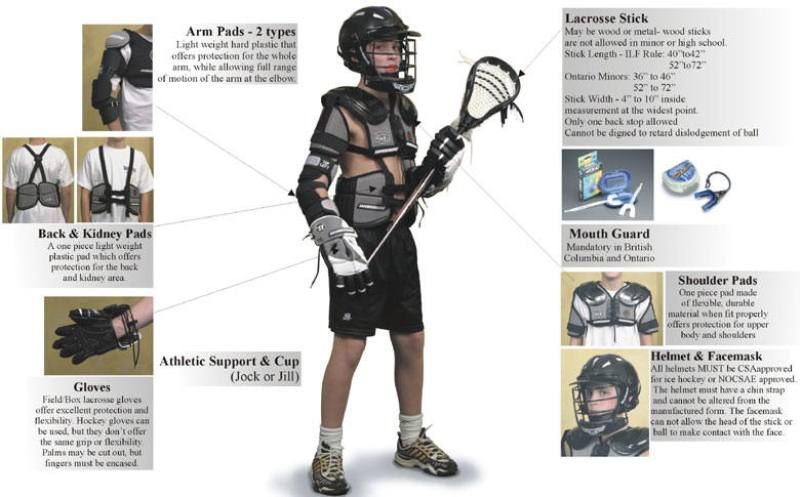
In addition to protection, assessing the mobility and range of motion allowed by lacrosse rib and shoulder pads is a key consideration during selection. The pad design tremendously impacts your ability to move freely in all directions for quick cuts, dodges, checks and shots.
Closely examine the pad’s articulations – the joints or flexible areas that mimic natural body movement. Quality rib pads will flex with your core as you twist and bend. Shoulder pads need articulated neck, sternum, shoulder and back pieces to allow dynamic motion. Play with the demo pads in-store – lifting your arms, rotating your torso, and mimicking lacrosse moves. If the pads feel restrictive or limit your mobility, keep looking.
Also pay attention to straps, adjustable fasteners and fit. Loose pads that shift out of place will hinder agility. Well-contoured pads that move with you provide the best experience. Brands like Warrior use stretch gussets, neoprene hinges and multi-flex zones to optimize natural movement. Their adjustable Fatboy shoulder pads let you customize the fit dial for comfort and responsiveness.
Lighter pad models with strategic padding placement also maximize mobility. By eliminating excess bulk and targeting protection only where you need it, your freedom and dexterity increases. For midfielders constantly in motion, lightweight pads are ideal. Defenders may need to balance protection and mobility more carefully based on their physicality.
Testing out different pad models and styles is the best way to assess the fit and feel. Move as dynamically as possible to determine the pads that offer the highest range of motion for fast-paced lacrosse gameplay.
Look for Pads with Moisture Wicking and Ventilation
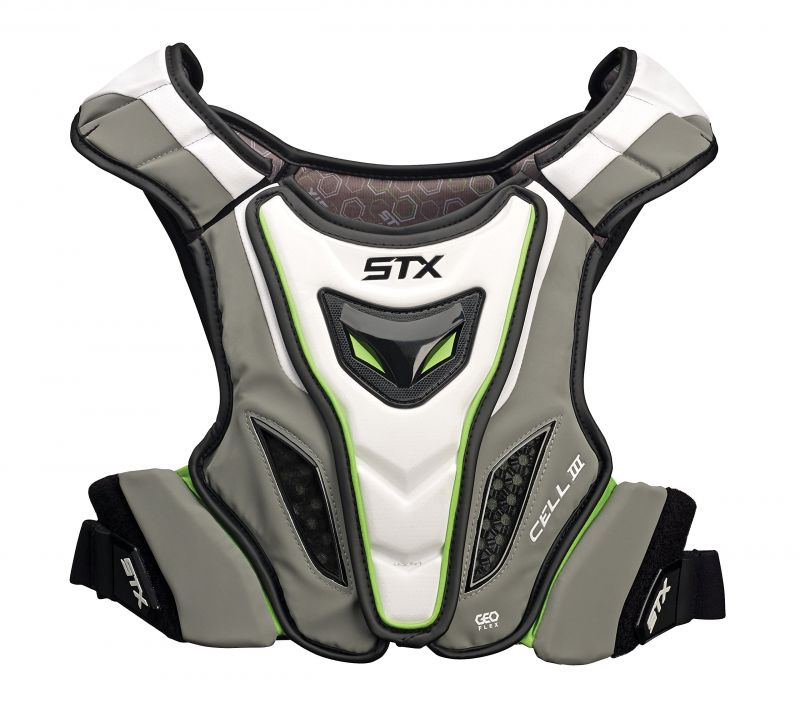
When playing lacrosse, you work up a major sweat, so moisture wicking and ventilation should factor into your rib and shoulder pad selection. Prolonged moisture against your skin leads to chafing and discomfort, potentially impacting performance. Breathable pads keep you cooler and drier for max comfort.
Moisture wicking liner materials like mesh or technical fabrics draw sweat off your body so it can evaporate. Brands like Warrior use hydrophobic linings that actively repel moisture. Ventilation zones with perforations or mesh paneling allow air flow circulation. Some pads have integrated ventilation channels to enhance breathability.
Rib pads with an open back design offer better ventilation than full back protection. For shoulders, look for larger ventilation windows under the arms and over the shoulder blades where major heat buildup occurs. Removable shoulder caps further improve airflow for sweltering outdoor games.
The exterior pad materials also affect moisture wicking properties. Pads constructed with hydrophilic foam outer layers absorb less sweat compared to porous vinyls and textiles. This keeps the pads lighter even when wet with perspiration.
Moisture wicking jock straps, compression shorts and breathable performance fabrics keeping your skin dry under your pads. This combination pulls moisture away from your body for complete sweat management.
Don’t overlook air flow and sweat wicking ability when shopping for lacrosse pads. The cooler and drier you stay, the more energy you’ll have to give it your all out on the field. Breathable, ventilated pads are a must for superior comfort and stamina.
Choose Size and Fit Compatible with Your Body Type
Finding lacrosse rib and shoulder pads that properly fit your body type is crucial for ideal comfort and performance. Pads that are too small leave you exposed, while oversized pads hinder mobility.
Most brands size pads according to your chest/torso measurement, but also consider height and weight recommendations. Taller or bulkier players may need to size up for full coverage. Measure yourself accurately, referencing sizing charts, and remember to account for your shoulder pads under jerseys.
Try on different sizes to assess coverage and range of motion. Rib pads should encircle your core with 1-2 inches of overlap without restricting flexibility. Shoulder caps should extend just past your shoulders without limiting mobility. Back plates should align with your spine and lat muscles.
Adjustable features like removable pads, Velcro straps and dial-fits allow you to customize sizing for a tailored fit. This adapts the pads as your body grows and changes over the season. Young lacrosse players may need to resize pads more frequently.
Anatomically designed pads like Warrior’s contour better to your natural shape. They curve with your body instead of against it, eliminating pressure points and gaps. Women-specific pads cater to the female form for better coverage and movement.
Don’t forget to account for bulky equipment worn under pads too. Goalie chest protectors require upsizing your shoulder pads to fit overtop. Thicker undershirts or colder weather layers may also impact your ideal pad size.
With the wide range of pad sizes and adjustment options, you can achieve the ideal tailored fit to protect yourself and maximize mobility. Take the time to find your perfect match.
Compare Strap and Buckle Styles for Secure Fit
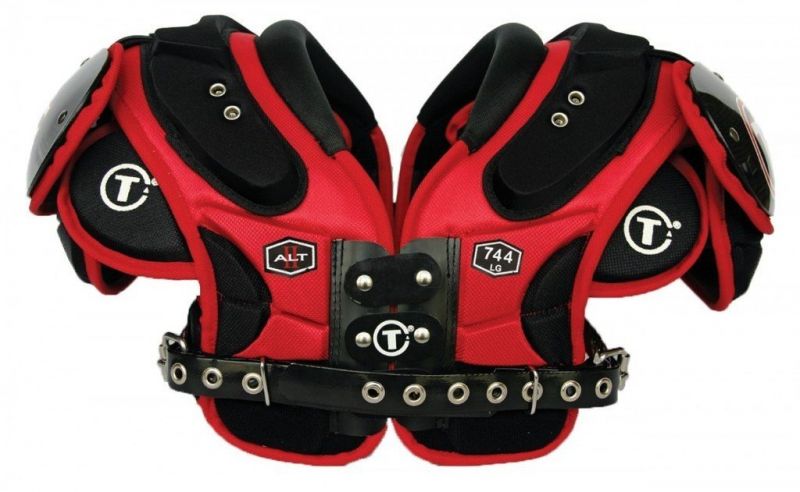
The strap and buckle system that secures your lacrosse rib and shoulder pads in place is an important element that affects overall fit and performance. Different styles offer varying adjustability and security during intense gameplay.
Stretchable elastic straps with Velcro attachments conform to your body type and flex with movement but can loosen over time. Durable nylon straps withstand pull but slip less when sweaty. Silicone gripper taps help prevent sliding.
Plastic snap clips are easy to fasten but prone to breakage. Metal side release buckles are extremely sturdy yet bulky. Quick-release buckles make pads easy to take on and off. Some brands like Warrior use non-snag tri-glide sliders for smooth adjustability.
Look for pads with multiple adjustable straps across critical areas like the torso, shoulders, and back. This allows you to fine-tune the compression and achieve an ultra-secure fit. Removable liners and pads also usually have adjustable inner straps.
The quantity, style and placement of straps impacts comfort and mobility too. Minimal straps enhance range of motion while more contact points maximize stability and control. Well-padded straps prevent digging or pinching.
Ensure any buckles are coated or covered to avoid contact irritation. Streamlined low-profile components avoid unnecessary snagging. For goalies, oversized pads usually feature extra industrial-strength straps and durable plastic clips.
By evaluating strap systems, you can select lacrosse rib and shoulder pads that will lock into place securely for complete confidence in your gear’s protective performance.
Assess Pad Weight to Balance Protection and Comfort
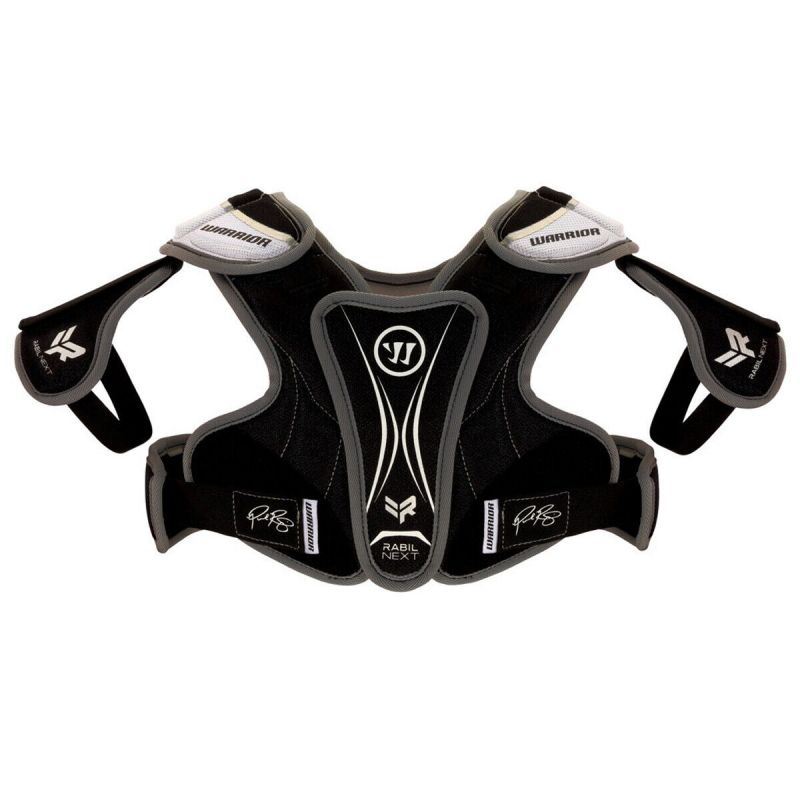
The weight of lacrosse rib and shoulder pads impacts both protection level and comfort during wear. Bulkier, heavier pads provide enhanced coverage and durability but can also cause fatigue over long games. Lighter pads improve mobility yet offer less padding.
Dense, thick foams like D3O and high-impact polymer plates add weight but maximize protective capability against checks and crashes. More adjustability features like swappable pads and extra straps also increase overall pad weight.
Synthetic leather or vinyl outer materials are lighter than traditional leather or textiles but less breathable. Chest plates with smaller surface areas shed ounces. Perforations and mesh venting shave weight but reduce pad life and durability.
Newer technologies like Warrior’s AxyFlex padded sling system reduce material requirements while still redirecting impact forces. By strategic placement of padding only where needed, overall weight drops.
Evaluate the weight alongside your position and personal preference. Bulky pads provide reassurance of safety for vulnerable goalies and defensemen. Midfielders may opt for featherlight pads to enhance speed and agility.
Try pads on with full gear to test maneuverability and endurance. Lighter pads should move seamlessly with your body motions. If heavier pads make you feel sluggish or restricted, reconsider the design.
Pad weight impacts performance and stamina over the course of a game. Finding the right balance for your playing style ensures you stay comfortably protected and energized.
Review Pad Shape and Contouring for Anatomical Design
Lacrosse rib and shoulder pads are available in a variety of shapes and contours which affect their fit and flexibility. Optimal pad designs closely follow the natural curves of the human form for anatomical performance.
Rib pads should wrap the torso without restrictive compression. Brands like Warrior shape their pads to trace the core musculature for unimpeded mobility. Shoulder caps require an arched dome fit to allow arm circular rotation.
Pads shaped like a protective shirt with articulated front and back plates move better than solid, rigid single-piece designs. Separate removable belly pads boost adaptability during play as your body twists and bends.
Pre-curved shields and gusseted underarm regions match your anatomy rather than resisting it. Shock-absorbing foam shaped to match the small of your back increases comfort and dissipates checks.
For goalies, oversized chest plates must contour to the collar bones and abdomen without obstructing the neck or shoulders. Anatomical design enhances coverage while enabling active goalie mobility.
Women-specific pads tailor the shape to the female body with more room in the hip and chest regions. Youth pads size down adult designs but maintain similar contouring.
The more a pad’s shape aligns with your natural physical structure, the better it will perform in terms of protection and responsiveness. Seek lacrosse gear engineered for anatomical design.
Compare Arm and Shoulder Cap Shapes and Sizing
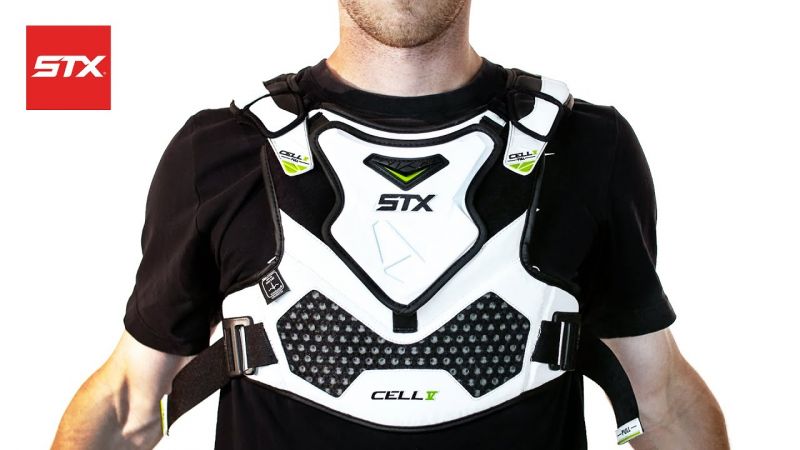
When selecting lacrosse shoulder pads, pay close attention to the arm and shoulder cap shape, size, and adjustability features. Their design directly impacts fit, coverage and mobility.
Caps should extend just past your natural shoulder width without limiting arm rotation or reach. Pads with removable caps like Warrior’s Fatboy let you size up or down as needed. Larger caps increase protective coverage but can restrict quick arm movements.
Look for anatomical cap shaping with front, back and top arch contours to trace your shoulder muscles during play. Pre-curved caps move more naturally than flat or boxy shapes. Flexible caps with elasticized edges or gusseted underarms prevent binding.
Caps constructed from single sheets of vinyl or high-density foam maximize durability but reduce flexibility. Multi-panel designs with foam laminates, ventilation perforations and stretch mesh increase mobility.
Extended shoulder caps flowing down the upper arm protect the fragile collarbone and chest areas better. For field players needing full contact coverage, oversized caps are ideal.
The arm openings on pads should align properly with your jersey sleeves without leaving gaps. Adjustable interior straps allow you to customize the compression and prevent arm sleeve riding up.
Choosing shoulder pads with shoulder caps engineered for anatomical performance and customizable fit ensures you get comprehensive coverage without mobility restrictions.
Examine Chest Plate Shapes and Materials
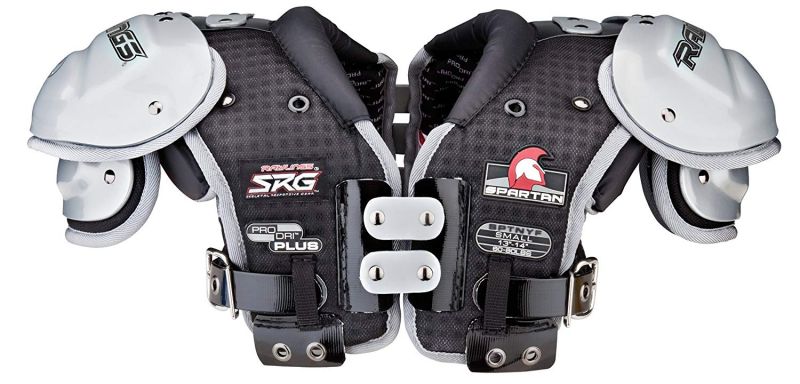
The chest plate is a critical protective component of lacrosse shoulder pads. Analyze the shaping, coverage area and materials used in its construction to ensure optimal protection.
Chest plates should be anatomically contoured to your natural chest structure without limiting mobility. Plates extending too high can obstruct neck movement while short plates leave the collarbone exposed.
Larger chest plates disperse impact forces across a broader surface area for better shock absorption. Standard sizes suffice for most players but defenders prefer maximum coverage from oversized plates.
Ventilation cutouts reduce weight but durability suffers. Plates wrapped in a breathable textile shell boost air flow while retaining integrity. Some plates feature protective ridges or foam laminates for increased padding.
Plates molded from high-density foam like EVA or EPP maintain their shape to absorb multiple impacts. Injection-molded TPU or polyethylene plastic provides extremely rigid shielding.
Chest plates securing to the pads with adjustable elastic straps allow you to customize the fit. Gusseted underarm areas lined with stretch mesh improve range of motion.
For goalies, oversized removable chest plates must withstand point-blank range shots. Thick high-impact foam or hardened plastic over vital organs is essential.
The ideal chest plate offers complete sternum and rib coverage without limiting your mobility or dexterity during play. Focus on anatomical shaping and innovative materials.
Analyze Rib Arch Designs and Protective Capabilities
Lacrosse rib pads utilize various arching designs and protective materials to shield the torso from checks and collisions. Assessing the configurations and padding types helps determine the optimal rib protector.
Full rib wraps provide the most comprehensive coverage and shock dispersion, with extra side padding defending the kidneys. Partial wraps leave some rib exposure but with enhanced mobility.
Pre-arched pads match the natural curve of your core for better anatomical performance. Rigid pads with little flex can dig into your sides during torsional movements.
Multi-layer foam constructions feature impact-absorbing cushions stacked for progressive energy transfer. Ventilated foam configurations reduce heat and sweat buildup.
Advanced polymers like D3O adapt their shock absorption properties instantaneously when impacted. This enables flexible mobility yet rigid shielding when needed.
Some pads feature removable belly plates allowing you to adjust protection levels. Extra abdominal padding is advantageous for defenders anticipating heavy contact.
Hard plastic or polyethylene shields over the sternum provide an extra shield over vital organs. Lightweight EVA or EPP foams withstand high impacts for softer tissue coverage.
Analyze the arching, coverage area, venting and materials used on lacrosse rib pads to determine optimal configurations for your protection needs.
Research Brand Reputations for Quality and Innovation
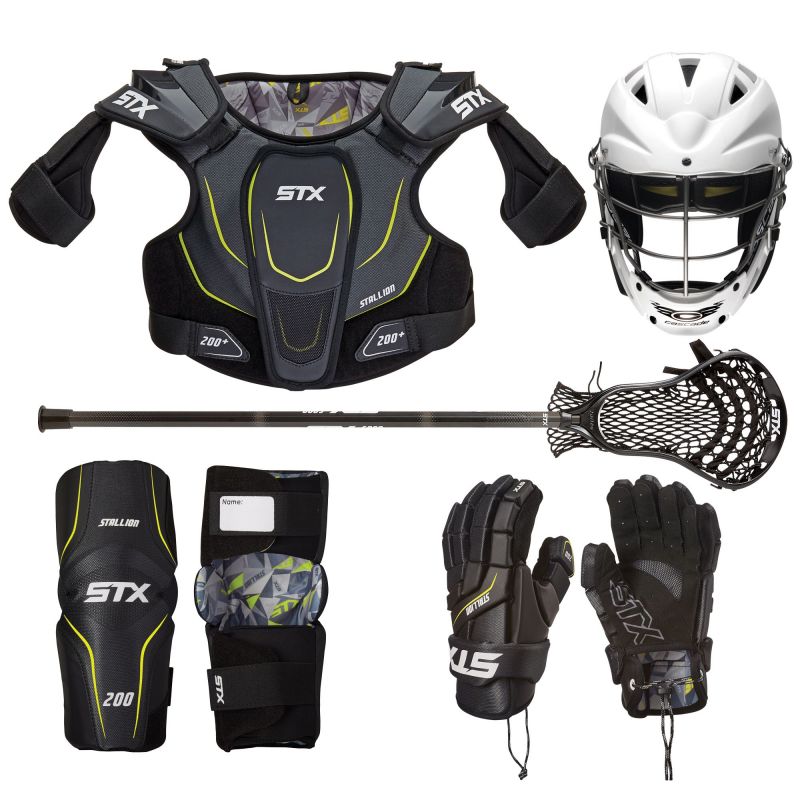
When selecting lacrosse protective gear, the brand’s reputation for quality, innovation and performance is an important consideration. Established manufacturers with years of experience tend to produce the most advanced and durable pads.
Top athletic brands like Warrior, STX, Maverik, Cascade and Brine thoroughly test gear to ensure reliable construction that withstands gameplay impacts and moisture. Their expertise results in technologically advanced equipment.
These leading companies also have the resources to research and develop innovative new materials and designs. Warrior leverages proprietary technologies like AxyFlex and SmartFoam while also utilizing industry-leading D3O padding.
Premium lacrosse brands consult closely with players to create pads meeting their specific needs. Input from pro athletes often inspires improved product features and customization options.
Respected veteran brands additionally have an established track record for consistent sizing, so you know exactly what to expect from their gear lineup each season. For reliability and performance, go with proven industry leaders.
Lesser known brands may save you money upfront, but the gear won’t provide the same level of protection, quality construction or innovation as premium athletic equipment manufacturers.
For your safety and enjoyment playing lacrosse, research brands to find providers with reputations for pioneering technology, premium materials and relentless product testing.
Consider Customizations Offered for Tailored Fit
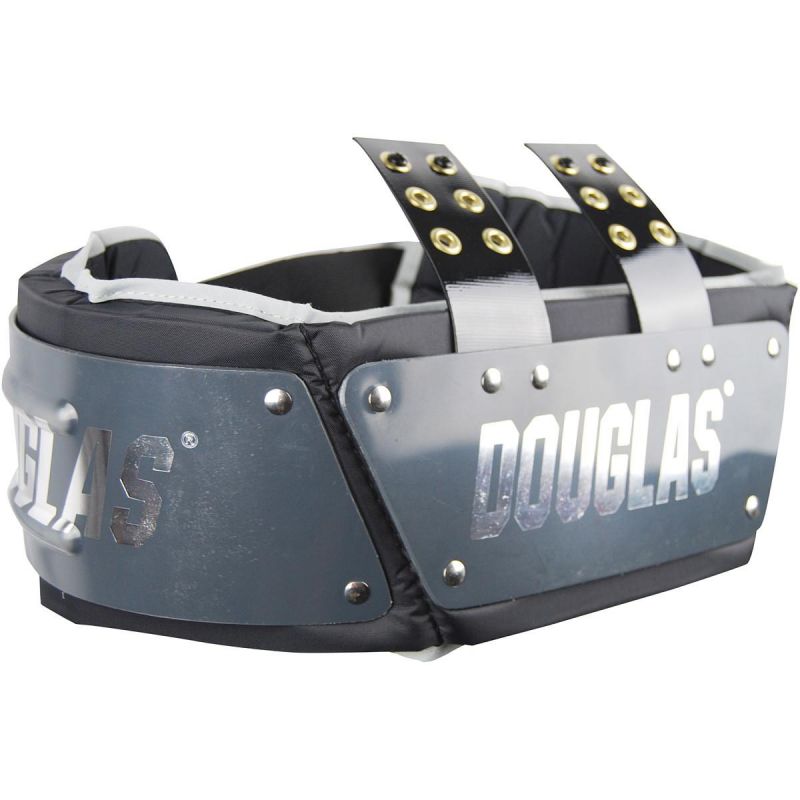
Many lacrosse gear manufacturers now offer custom sizing, color schemes and personalization options for a truly one-of-a-kind tailored fit.
Custom sizing uses your body measurements to create pads designed specifically for you. Although pricier, the precise fit prevents gaps in coverage while maximizing mobility.
Swappable modular components allow you to customize protection levels by adding or removing padding elements. This adjusts rib, shoulder, bicep and kidney protection to your needs.
Interchangeable pads secured with Velcro enable you to reposition or replace cushioning as your body changes. Removable liners and shoulder caps also support fit modifications.
Unique color combinations for straps, caps, and plates give your gear style. Match your team colors or design your own look. Add your name or number for personalization.
For female players, custom pads accommodate the specific contours of the female form. Brands like STX and Maverik offer an entire selection of custom women’s gear.
Youth sizes allow for examples such as enlarging protection zones to match growth spurts while maintaining great mobility and low weight.
With the range of customization now available, you can design lacrosse pads offering the perfect fit, feel and style for your needs.
Check Warranty Coverage for Defects and Damage
When investing in quality lacrosse protective gear, make sure to verify the manufacturer’s warranty coverage before purchasing. Warranties protect against early defects or damage failures.
Most major brands like Warrior, Maverik and STX offer at least a limited 12-month warranty from the purchase date. This covers manufacturing flaws causing breakdowns or improper sizing issues.
Premium or extended warranties protecting 2-3 years provide more coverage as pads age. Some brands offer lifetime warranties on plastic components against cracks or breaks.
Check what damage types the warranty includes. Game-related impacts or tears may not be covered, but accidental harm like strap failures often qualifies for replacement parts.
Find out the warranty claim process for getting replacements or repairs. You’ll likely need to provide dated proof of purchase and product photos showing the defect.
See if there are any exclusions like “normal wear and tear” which disqualify coverage. Used gear usually loses any original warranty.
Understanding warranty terms informs you about manufacturing guarantees and potential recourse if your pads underperform or break prematurely. Protect your purchase.
Read Reviews from Players Who Have Used the Pads
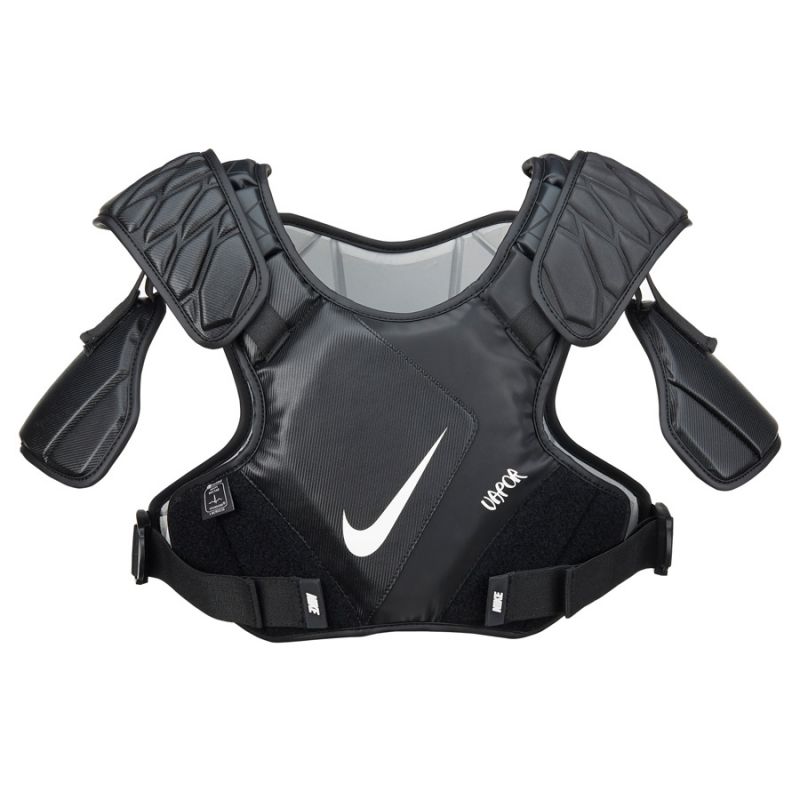
Before selecting new lacrosse rib and shoulder pads, take the time to read through player testimonials and reviews. Their real-world feedback provides invaluable insight into the gear’s actual performance and drawbacks.
Look for recent reviews of the current model year, as brands update pads annually. Sort by most critical to spot potential issues first. Watch user videos to see pads in action.
Key factors players commonly highlight include protection, comfort, mobility, quality and durability. Look for any consistent complaints about poor construction, inadequate padding or sizing problems.
Consider the reviewer’s playing position – a goalie may emphasize different features than a speedy midfielder. Their usage frequency and playing conditions are also insightful context.
Pay attention to objective observations about strap quality, material, stitching and hardware. Subjective comfort and flexibility assessments are still helpful to aggregate.
Keep in mind that negative reviews are not necessarily dealbreakers. Some complaints like heavy weight or stiff mobility may suit your preferences and needs.
By researching players’ first-hand experiences with lacrosse pads, you gain invaluable insights to make the ideal gear selection for your personal requirements as an athlete.
Compare Prices to Get the Best Value Within Your Budget
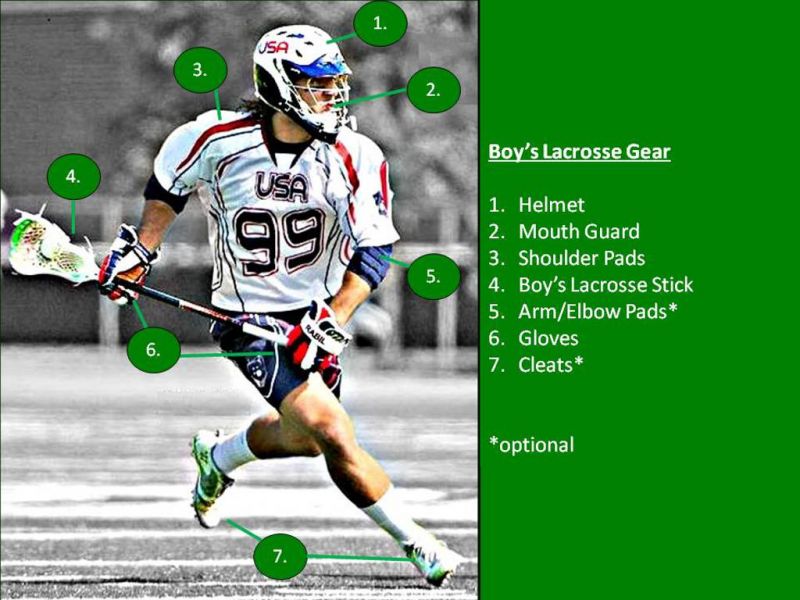
Lacrosse protective gear ranges widely in price from budget-friendly to premium professional quality. Compare options within your spending limit to get the best protection and value possible.
Major athletic brands like Warrior, Maverik and STX produce pro-level gear with the newest technologies, warranties and durability. These cost more but protect well.
Mid-range pads from Brine, Cascade or Under Armour utilize cheaper materials and fewer features, but provide sufficient padding for recreational play. Youth pads tend to be more affordable.
Sale or past model closeouts offer savings, but ensure sizing isn’t compromised. Check product photos closely for differences and durability concerns.
Used pads are a very budget-conscious option, but inspect carefully for wear, sanitation and integrity issues. Replace old helmet pads for safety.
Weigh savings against missing warranty coverage, innovativeness and expected product lifespan when evaluating prices.
Set your max budget, then compare the protection and construction quality you get across different price points and brands.
With lacrosse gear, the adage “you get what you pay for” often rings true. But moderately priced options can still provide you with sufficient safety for playing the sport recreationally.