Choose Custom-Fit For Maximum Comfort And Protection
When selecting a mouthguard for braces, opting for a custom-fit design tailored specifically to your mouth’s unique dimensions is arguably the most critical decision. Stock mouthguards sold off-the-shelf simply can’t rival the protective capabilities and comfort of a custom solution molded to match your dental anatomy perfectly.
Custom-fit guards are formed by first making dental impressions of your teeth and braces. These impressions capture the precise contours and alignment of your smile so the final product hugs your teeth snugly. This tight fight eliminates irritating movement, slipping, and gagging while also sealing out debris. In addition, customization creates evenly distributed protective thickness and density.
The customization process allows the mouthguard material to flow into every nook and cranny in your mouth for full encapsulation of the teeth. This 360-degree protection stabilizes the jaw, braces, and surrounding tissue to absorb shock during impacts. It also prevents the hard surfaces of your orthodontic hardware from damaging your cheeks, lips, and gums.
Finally, a custom-fit enables you to talk, breathe, and drink normally without the guard feeling obtrusive or bulky. Proper customization is well worth the small additional time and expense for unparalleled performance and comfort during sports and recreational activities.
Opt For Double-Sided Designs To Shield Upper And Lower Teeth
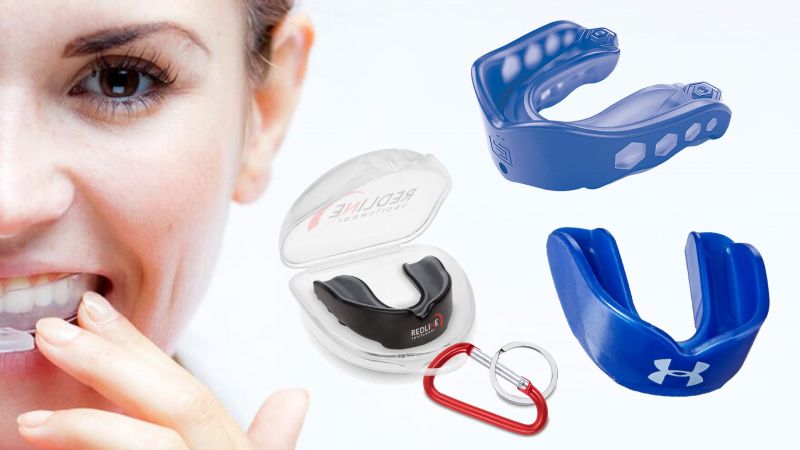
When playing sports with braces, it’s crucial to protect both the upper and lower teeth. Look for a mouthguard that features a double-sided design to safeguard the entire mouth. Unlike single-arch guards that only cover one jaw, a dual-arch model fits over both the upper and lower arches.
Protecting both jaws is critical because the upper and lower teeth can clash together forcefully during athletic collisions and falls. A dual-layer mouthpiece cushions impact from all directions to keep both the upper and lower braces from sustaining damage.
Full two-arch protection also stabilizes the entire bite and reduces stress on the temporomandibular joints. This comprehensive fit minimizes jarring loads transmitted to the jaw joints, bones, and surrounding soft tissues when an impact occurs. Furthermore, shielding the lower arch helps prevent tongue, lip, and cheek injuries.
When worn on both arches, mouthguards keep the jaws properly aligned while acting as a shock absorber. This allows the forces from hits, blows, and contact to dissipate before reaching your mouth. Less transmitted impact force equals greater protection and reduced risk of orthodontic injuries.
The most protective designs will include thick walls, adequate coverage, and a high-quality material on both the upper and lower sides. Prioritizing a dual-layer layout can make all the difference in keeping both your upper and lower braces out of harm’s way during your favorite physical activities.
Prioritize Mouthguards Designed For Braces Specifically
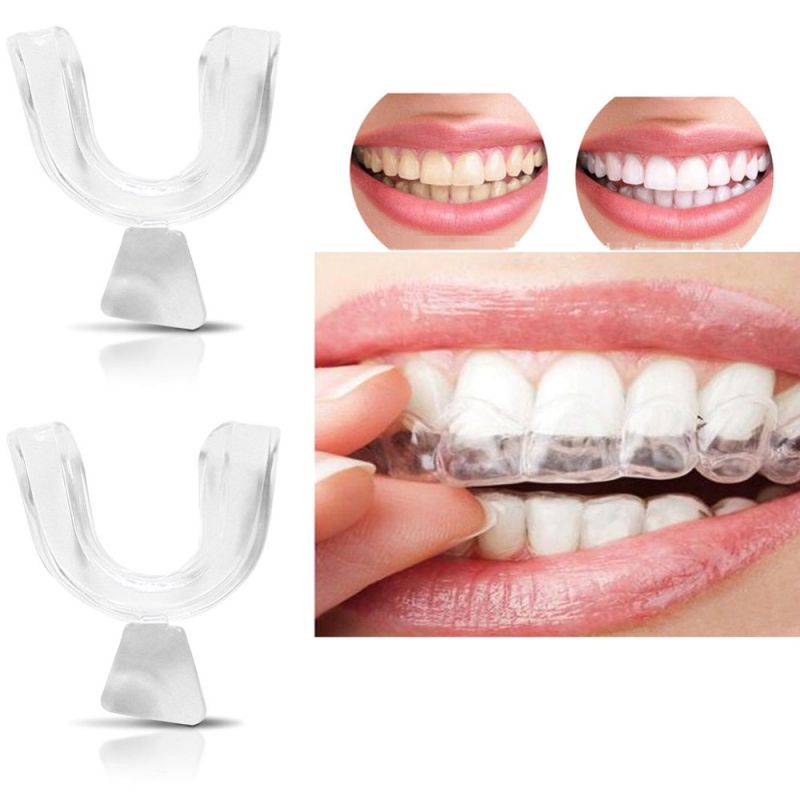
When selecting a mouthguard to wear while having braces, it’s important to choose an option specifically geared towards orthodontic protection. General mouthguards meant for people without braces may not properly shield brackets, wires, elastics, and other orthodontic hardware.
Look for a mouthguard marketed for “braces” or “orthodontics” to ensure it can accommodate dental appliances. The best mouthguards for braces feature wider design elements, thicker walls in key areas, and more complete coverage to envelope hardware.
Guards meant for braces often include an orthodontic “braces buffer” – an extra layer of dense shock-absorbing material that cushions protruding brackets and wires. This extra protection helps prevent brackets from tearing into the mouthguard material over time.
Braces-friendly mouthguards also account for shifting teeth and appliances during treatment. They are softer and more adaptable to maintain a comfortable fit as your orthodontic configuration changes. This flexibility prevents the need for frequent mouthguard replacements.
In addition, mouthguards for braces are easier to insert and remove without dislodging wires or elastics. Their construction also allows you to keep appliances in place instead of removing them for each use. Prioritizing a mouthguard designed for orthodontic needs is key to making sure your braces stay protected.
Focus On Brands Specializing In Sports Dental Protection
When researching mouthguards for braces, look for brands that specialize in sports-related dental protection. Companies focused on athletic mouthguards often have more expertise and innovative technology compared to generic brands.
Leading sport mouthguard companies hire dentists and orthodontists to help design their products. This results in guards better tailored for protection during physical activity. Specialized brands also use advanced materials and construction methods ideal for shock absorption.
For braces, prioritize mouthguard companies with features like “orthodontic buffers” and extra-thick walls around brackets. Brands focused on athletic protection also typically offer more customization options to ensure your mouthguard fits perfectly.
Established sport mouthguard companies invest heavily in research and development. They incorporate modern technologies like anti-microbial coatings to reduce bacteria growth. Specialty brands also tend to use higher-grade materials less prone to tearing or distortion over time.
Additionally, mouthguard companies focused on athletics often have more sizing options, thinner designs, and youth sizes. This helps find the optimal fit for your orthodontic needs and sporting activities. Choosing a leading sport dental protection brand provides added assurance your braces will stay protected.
Seek Advanced Shock-Absorbing Materials And Technology
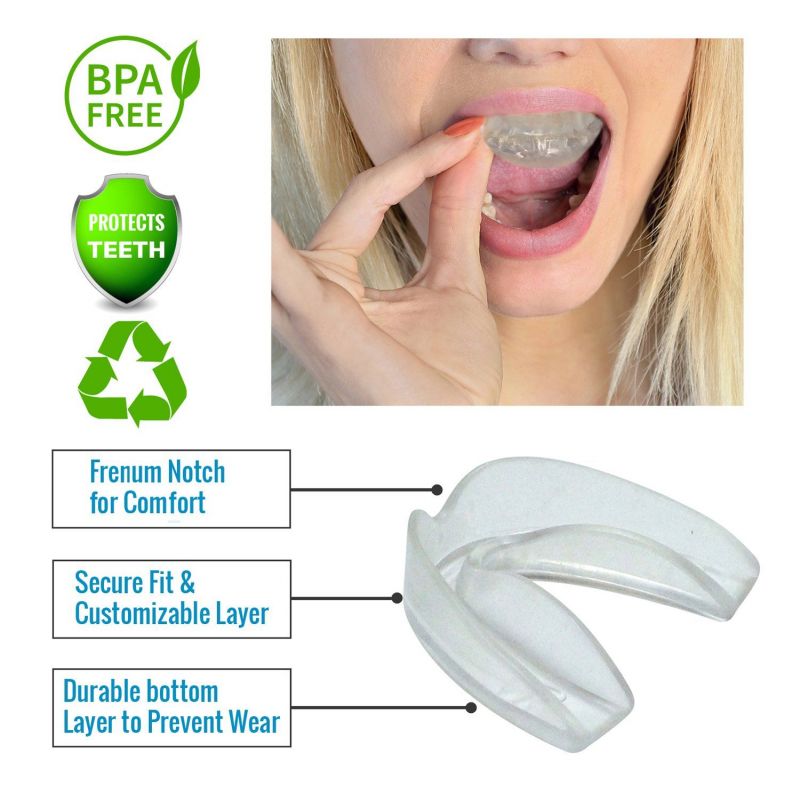
One key factor in selecting a mouthguard for braces is prioritizing advanced shock-absorbing materials and technologies. Premium modern materials and specialized construction methods help reduce the force transmitted to your mouth, teeth and braces when impacts occur.
Look for brands using patented shock-absorbing layers and compounds like gel-fit liners, EVA, or poron foam. These materials provide excellent energy dispersion and cushioning properties to minimize jarring hits. Multi-layered laminate construction also enhances protection compared to single-layer guards.
Some companies infuse mouthguard materials with cutting-edge technology like deflective bead inclusion or “denticulate” impressions. These innovations create internal crumple zones to better absorb kinetic energy. This added shock dissipation safeguards brackets and wires from damage.
Seeking out high-tech ergonomic design features can also enhance fit and protection. Options like diffusix technology, variable thickness layering, and anatomical shaping provide advanced braces shielding during sports.
Don’t settle for basic or outdated materials and construction. Investing in a mouthguard with modern shock-absorbing properties gives your braces the best protection against trauma during your favorite athletic activities.
Ensure Adequate Thickness For Reduced Impact
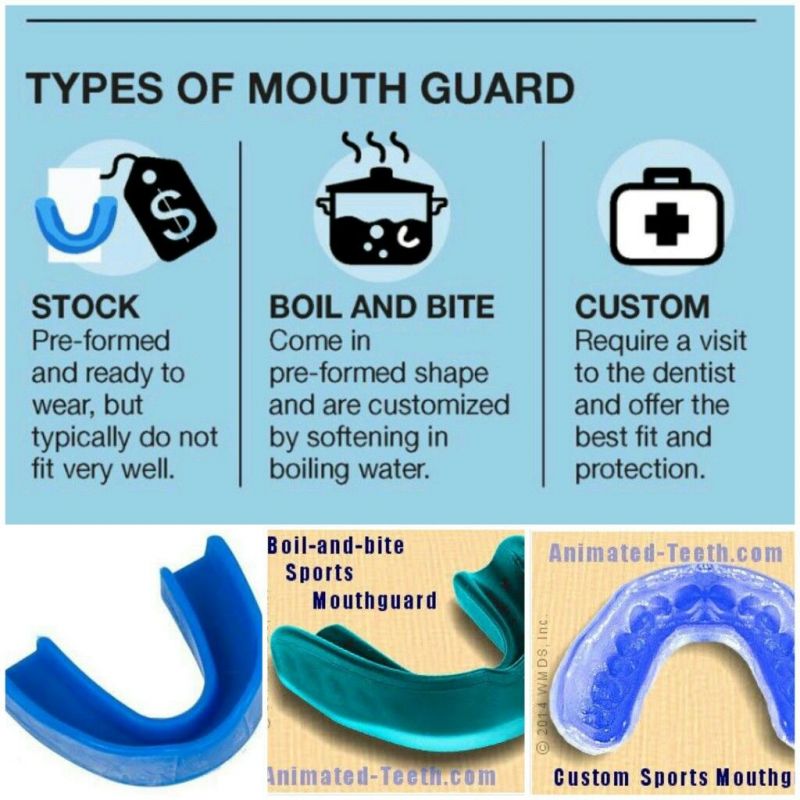
When selecting a mouthguard to protect braces, adequate thickness is essential. The thicker the material, the more shock absorption it can provide to lessen impact forces on your orthodontic hardware.
Look for mouthguard options with 4mm thickness or more in vital areas. Extra thickness around the front teeth and brackets takes the brunt of blows to minimize trauma. If a mouthguard is too thin, your braces can punch through or become exposed.
Increased material thickness acts as a cushion between your braces and any collision. This dissipates impact energy and reduces transmitted forces to the underlying teeth. Proper thickness also allows the mouthguard material to absorb shock omnidirectionally from all angles.
Custom mouthguards tailored to your unique dental anatomy can incorporate ideal thickness in all the right places. They encapsulate brackets and wires with thicker protective material without bulk. However, even stock mouthguards should meet minimum thickness guidelines.
Don’t sacrifice adequate thickness to save money. Proper shock-absorption requires sufficient mouthguard depth. Prioritizing thickness helps give your orthodontic hardware the protection it needs during sports and recreational activities.
Verify An Easy Molding Process You Can Do At Home
When picking a mouthguard for braces, opt for a design you can easily mold at home for a custom fit. Moldable “boil-and-bite” mouthguards use a convenient DIY process to shape the material to your teeth and braces.
Look for boil-and-bite models made from thermoplastic materials that soften when heated briefly in hot water. This allows you to bite down and imprint your teeth patterns into the softened guard material as it cools and hardens.
Choosing a self-moldable mouthguard gives you the customization needed for maximum comfort and protection. The ability to mold the guard yourself also saves time and dental visits compared to fully custom laboratory models.
However, follow product instructions closely when molding at home. Bite down with even pressure while sucking out air and water to prevent bubbles or warping.
With some practice, DIY boil-and-bite mouthguards can replicate professional dental impressions quite accurately. Just be sure to select a reputable brand designed to be user-friendly for molding around braces.
Make Certain The Mouthguard Won’t Irritate Braces Or Gums
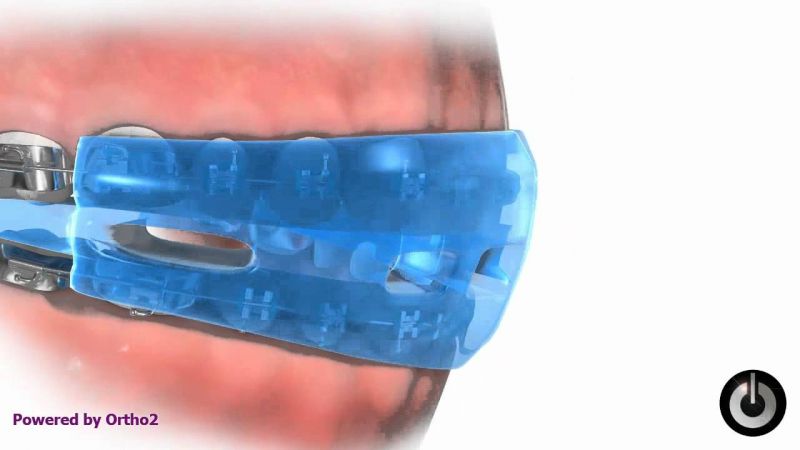
When selecting a mouthguard to use with braces, an important consideration is ensuring the design won’t cause irritation. Sharp or bulky guard edges can rub and poke braces and gums, leading to discomfort.
Look for guards with rounded, beveled, or rolled edges to create a smooth seamless feel. Avoid rigid designs with squared sharp corners that could aggravate your mouth. Soft flexible materials like silicone also reduce abrasion of orthodontic hardware.
Proper thickness is key—too thin and braces can prod through, too thick and the guard exerts excessive pressure. Custom-fit designs molded precisely to your braces prevent irritation by eliminating ill-fitting areas.
Mouthguards that are too narrow in width or short in length can also pinch and rub. Make sure the guard adequately covers all braces and wires without pressing too tightly. Your orthodontist can help recommend ideal dimensions.
Testing out potential mouthguard comfort and fit before purchasing can help avoid types that irritate your unique braces configuration. With some trial and error, you can find an option that protects your braces without causing nagging discomfort.
Check For Built-In Breathing Channel So You Can Breathe Freely
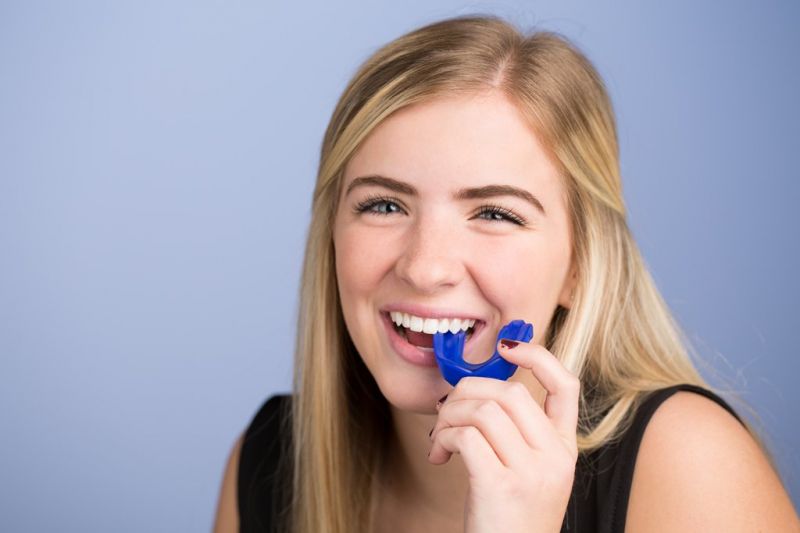
When picking a mouthguard to wear while having braces, an integrated breathing channel is a useful feature to look for. Channels give your mouthguard enhanced comfort and breathability.
A central air channel creates space between your teeth and the guard material to facilitate natural airflow. This alleviates the feeling of breathing restriction that some enclosed mouthguards cause during athletic exertion.
Built-in ventilation channels promote needed oxygen circulation to prevent overheating and allow for freer breathing. Models with an inner mesh layer also enhance airflow and moisture drainage for a cooler, drier mouth environment.
Venting channels become especially useful during multi-layer sports like hockey that involve a face mask. Restricted airflow can become stifling, so channels allow needed breathing room.
However, any breathing holes should not compromise protection or fit. Make sure the channels are properly integrated into the design. Prioritizing an open-flow concept brings much-needed breathability to mouthguard use during sports and exercise.
Select A Style That Allows You To Speak Clearly And Be Heard
When picking a mouthguard to protect your braces, look for a low-profile, flexible design that allows you to speak clearly. Bulky rigid guards can make talking and shouting difficult.
Thinner, softer mouthguards provide enough give to enable intelligible speech. They permit your lips, cheeks and tongue to move freely to enunciate words. Models with an inner mesh also enhance sound transmission.
Proper fit is also key for good speech capacity—a guard molded closely to your teeth won’t impede movement like an ill-fitting one. Custom-fitted designs offer optimal precision and flexibility.
Look also for a mouthguard that doesn’t overfill your mouth or inhibit your bite from closing properly. Compact styles that don’t limit jaw movement or tongue positioning facilitate better verbal communication.
Being able to talk clearly while wearing your mouthguard is a vital practical consideration for team sports. Prioritize a comfortable low-profile model that allows you to speak naturally so teammates can understand your instructions and signals.
Find One With Anti-Microbial Technology To Reduce Odor & Bacteria
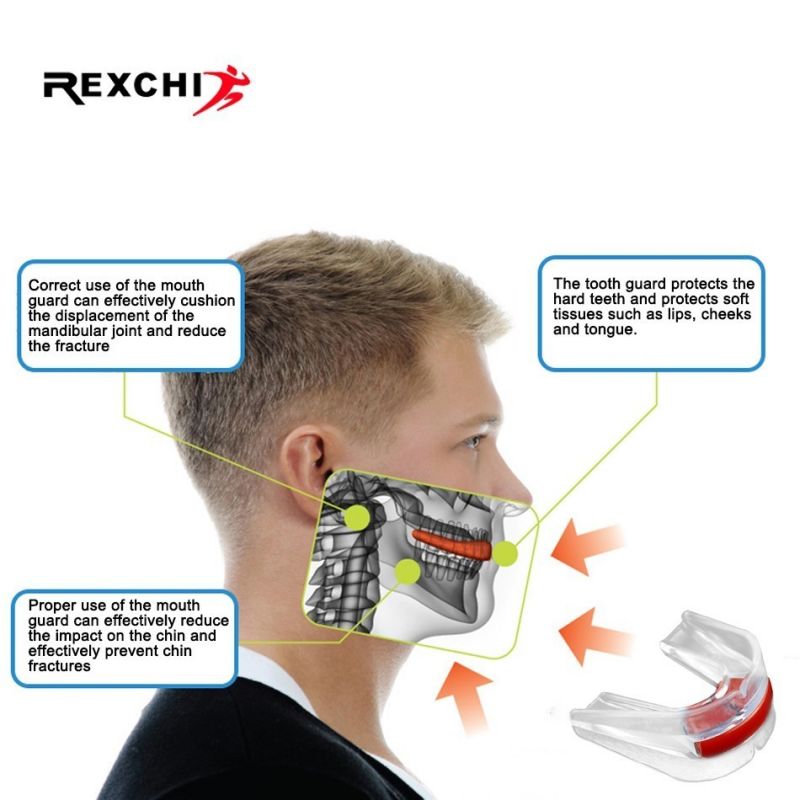
When selecting a mouthguard to protect your braces, look for models that incorporate anti-microbial technology. Anti-microbial additives help reduce bacteria buildup that causes unpleasant odors.
Mouthguards harbor bacteria and moisture that can breed malodor over time. Antimicrobial coatings or additives help curtail the growth of odor-causing germs and microbes.
Silver nanoparticles, chlorhexidine gluconate, and other antimicrobial agents prevent bacterial colonies from taking hold on guard surfaces. This keeps your mouthguard fresher for longer periods between cleanings.
Anti-microbial technology also reduces the spread of bacteria in your mouth that could lead to gum disease or tooth decay. Guard materials infused with antimicrobials help maintain better oral hygiene.
The last thing you want is a smelly mouthguard aggravating your braces experience. Seek out models with modern antimicrobial protection to reduce unwanted odors and promote a healthier mouth environment.
Look For A Durable Construction And Material To Last
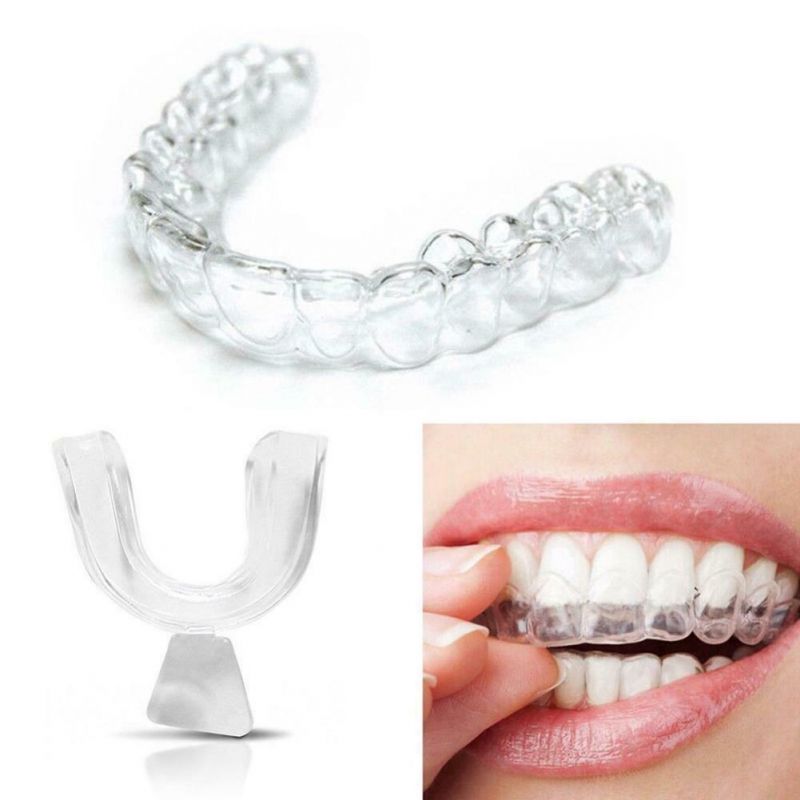
When selecting a mouthguard for orthodontic protection, durability is key to maximizing its longevity. Frequent replacement gets expensive, so prioritize durable, damage-resistant materials.
Look for high-grade thermoplastic materials like EVA or polyurethane that retain shape and resist tearing. Multi-layer laminates also increase strength and impede cracking or chipping from impacts during play.
Reinforced external frames prevent the edges from splitting while internal stiffening wires provide lasting structural integrity. Back-molar clasps can also enhance durability and retention.
Avoid cheaper thermoplastics prone to distortion like LDPE or HDPE. While economical initially, flimsier materials break down faster under athletic wear-and-tear.
Proper care like avoiding extreme temperatures extends longevity, but robust materials and construction are prerequisites. Prioritizing durability ensures your mouthguard withstands repeated use for orthodontic protection season after season.
Consider Clear Styles For A More Discreet Appearance
When picking a mouthguard to protect your braces, clear or translucent styles offer a more discrete aesthetic. Clear guards blend in better and are less conspicuous than brightly colored options.
Transparent thermoplastic materials like polycarbonate or clinpro xtr offer protection without the “bulky” look of opaque models. Clear guards allow your smile to show through attractively.
Clear mouthguards are ideal for those concerned about aesthetics, like teens playing sports with braces. Their inconspicuous profile avoids drawing added attention to orthodontic work.
However, crystal-clear guards stain easier without diligent cleaning. Slightly tinted models resist discoloration better while still maintaining a natural look. But all clear options are far less obvious than boldly colored guards.
With braces already altering your smile’s appearance temporarily, a clear mouthguard helps minimize further changes to your look. While protection remains paramount, transparent styles offer subtler orthodontic coverage.
Choose Youth Sizes For Proper Fit If Needed
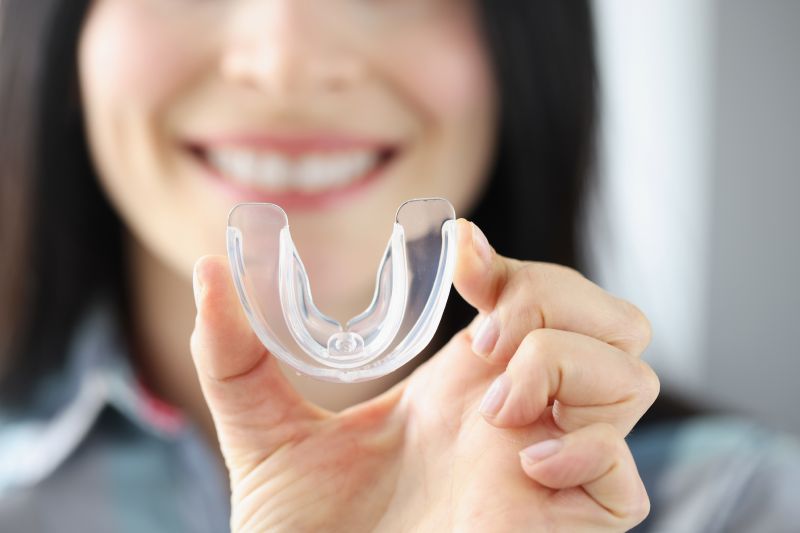
When selecting a mouthguard for braces, choosing the proper size is crucial for maximum protection and comfort. Youth sizes are essential for younger orthodontic patients.
Child and teen mouths have less dental arch width and depth than adult mouths. Ill-fitting adult sizes are too big and bulky, obstructing speech and breathing.
Look for mouthguard brands offering youth sizes for a tailored fit. Youth sizes account for smaller jaw dimensions to eliminate slipping and gaps. Proper sizing is key for optimal shock absorption and injury prevention.
Consult your orthodontist if unsure about appropriate sizing. They can measure dental arch dimensions and recommend an accurate size based on your child’s mouth structure, age and stage of orthodontic treatment.
A mouthguard that fits well enhances wearability and protects developing permanent teeth and braces. Don’t assume standard sizes will accommodate younger mouths properly. Seek out youth-specific models for your child’s orthodontic needs.
Read Reviews To Learn From Other’s Experiences
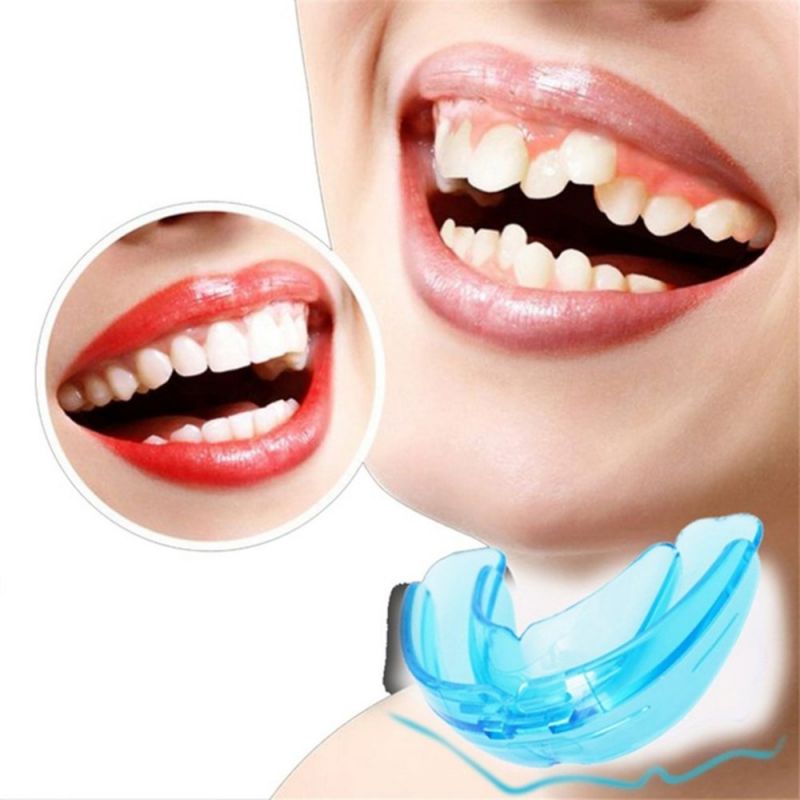
When evaluating mouthguards to protect your braces, reading customer reviews provides helpful insight. Reviews reveal how specific models performed for real-world users with braces.
Look at reviews focused on use with orthodontics. Reviews indicate comfort, ease of fit, speech intelligibility, durability and other aspects pertinent to braces wearers.
You can glean which designs tend to stay put better versus slipping off braces. Reviews also give a sense of which materials withstand biting on hardware without excessive wear or tearing.
However, bear in mind that reviews reflect individual experiences and biases. Focus on common themes and trends rather than a single negative review. Balance reviews with your own needs and orthodontist’s recommendations.
While not a substitute for first-hand testing, reviews offer added perspective from other braces wearers. Let the experiences of past customers guide you towards options likely to succeed in protecting your own orthodontic investment during sports.