Maverik Tactik
Pocket placement sits at the crux of maximizing ball control. A head with a mid to lower pocket helps securely cradle the ball, while a higher pocket lets you get more whip on passes and shots. However, higher pockets can make cradling tricky. The Maverik Tactik’s mid-high pocket provides the best of both worlds – great hold while cradling along with added velocity. Its semi-soft scoop and ACP rail flatten out the channel, optimizing ball control and hold across the pocket’s sweet spot.
Heads with more stringing holes give you greater customization over pocket placement and channel shape. The Tactik comes loaded with 17 holes along the sidewall, allowing players to string a deeper pocket if desired or tweak the channel to their exact liking. The versatility adds to this head’s appeal across positions.
Stiffness also factors into ball control and durability. Rigid heads offer more stability for stick checks, whereas flexible heads have a quicker release and can generate faster shots. The Tactik strikes a balance with a stiff yet forgiving design built to take impacts while maintaining responsiveness. Its EnduraRail sidewalls enhance durability so the head holds its shape season after season.
In the end, the right lacrosse head comes down to feel. With its commanding ball control, customizable pocket, and rugged yet dynamic design, the Maverik Tactik gives players an ideal blend of touch and toughness. Take time to demo a few heads with your preferred stringing to find the best match for your game.
Consider the position you play – attack, midfield, defense?

Attack players should use narrower heads for tighter ball control, like the Maverik Tactik with its stiff yet forgiving design. The offset stringing cradles well for quick passing and shooting. Midfielders need a balance of ball retention and release, so a mid-width head with a mid pocket like the Tactik can excel. Take shots on the run and scoop ground balls more cleanly with the Tactik’s semi-soft scoop. For defense, focus on control checks with a stiff head that holds its shape like the Tactik. Its EnduraRail sidewalls withstand slashes.
In the end, evaluate your needs by position, then demo a few heads with appropriate stringing like the Maverik Tactik to address those needs. Prioritize what you struggle with most before settling on a final choice. Don’t forget to practice specific position skills regularly as you hone your game.
Offset or centered stringing – what are pros and cons?
Offset stringing provides excellent ball control for cradling, passing, and shooting. By shifting the sweet spot, it keeps the ball hugged tightly to the sidewall. This lets you cradle the ball securely while darting around defenders. However, offset can limit your range of motion on passes and shots.
Centered stringing centralizes the lowest part of the pocket. This gives you a more even release on passes, allowing you to direct the ball across a wider arc and flatten out shots. During cradling, the ball sits less tucked into the sidewall. Players need to use more caution cradling with centered pockets.
The Maverik Tactik’s mid-high pocket pairs well with either type of stringing. Its semi-stiff channel holds its shape, giving offset pockets reliable control. The EnduraRail sidewalls also cradle nicely. Centered pockets benefit from the widened channel up top for passing range. Testing out different stringing styles is key – go with what feels best for your game. Don’t be afraid to tweak until you get the ball control and release you want.
Open sidewall vs. closed – how does it impact ball control?
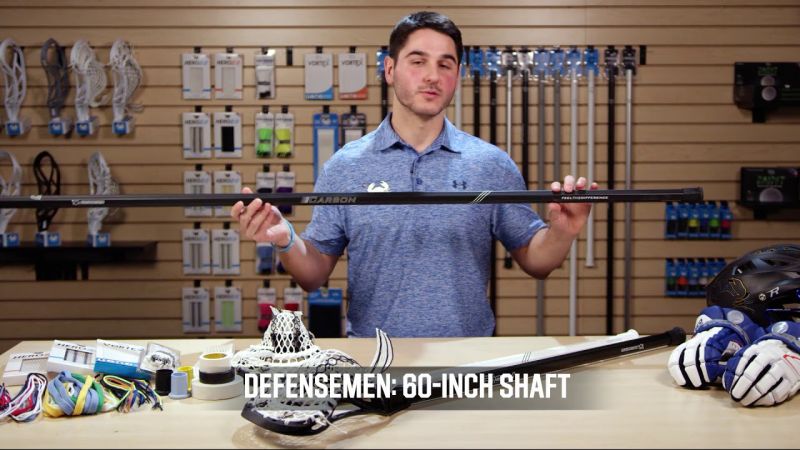
Open sidewall heads have more holes all the way up the sidewall. This creates a deeper, more flexible pocket for improved ball control, especially while cradling. The ball sits lower in an open sidewall head, keeping it tucked in securely. Shooting can require more practice to develop touch and accuracy.
Closed sidewall heads have fewer holes and increased stiffness up the sidewall. They cradle more loosely but offer a quicker release on passes and shots. Their rigid construction makes ball control a bit trickier. Scooping up ground balls may also take more focus with a closed sidewall head.
The Maverik Tactik strikes a balance with its semi-open sidewall design. The lower sidewall holes allow for a deep, customized pocket. Higher up, the stiff EnduraRail and ACP Rail give it solid structure for passing and shooting. Testing out pocket depth is key – go with the ball control and release that best suits your game through demos and tuning.
Face shape – round, pointed, flat?
Rounder faces offer excellent ball control for cradling, catching, and scooping. Their deep sidewalls hug the ball tightly. Shooting with accuracy can take practice. A round head like the Maverik Tactik provides elite control.
Pointed heads have pinched faces. These focus energy for added speed on shots. Their stiff construction gives them quick ball release but cradling control suffers. Pointed heads suit aggressive shooters.
Flatter faced heads widen the ball’s sweet spot for passing and shooting range. They offer a nice compromise between ball control and release. Their versatility suits all-around players. The Maverik Tactik has a flattened face for balance.
Test out different head shapes to see what feels best for your game. Shape impacts feel and performance. Prioritize what you want to improve most, then find a head like the Tactik to address it. Don’t be afraid to demo multiple options until the head feels like an extension of your stick.
Pocket placement – higher, lower, mid
Lower pockets allow superior ball control while cradling, with the ball deeply tucked into the head. Shooting requires extra practice to develop touch. Mid pockets offer a compromise, cradling securely while still allowing decent passing and shooting range. Higher pockets generate maximum whip on shots and passes thanks to ball positioning. Cradling does get trickier.
The Maverik Tactik’s mid-high pocket provides excellent versatility. The pocket sits midway up the head for solid cradling control. Yet there’s ample depth to whip passes and shots. Stringing to the 17 sidewall holes lets you tweak pocket height as needed.
Trying out different placements is crucial, from low to high. Consider what you want to enhance – control while running or passing velocity – then tweak the pocket height until it feels right. The Tactik’s pocket suits most players thanks to its balanced height. Don’t be afraid to adjust until you find your personal sweet spot.
Stiffness – look for stronger materials if playing competitively
Flexible heads generate faster shot speed thanks to their added whip and quick release. They can lack stability during physical play though. Overly stiff heads provide rock solid checking but compromise ball handling.
For elite play, stiffer materials bring durability without sacrificing too much feel. Titanium and aircraft-grade alloys excel here. The Maverik Tactik uses strategic stiffening with carbon-reinforced ACP Rail sidewalls. This maintains its shape and stability while retaining responsive flex.
Newer polymers also optimize stiffness. Maverik’s high-grade Endura Rail polymer maximizes stiffness while keeping the Tactik pocket flexible enough for great control. Its alloy components add structural support for checks.
For youth players, more flexible heads suit developing skills. As you advance, increase stiffness moderately to handle contact but avoid compromising feel. Try out a range of flex ratings by demoing heads like the Maverik Tactik to get the right blend of control and durability. Let your needs guide the choice.
Weight – lighter heads move faster but may be less durable
Lighter lacrosse heads allow you to move your stick faster and change direction quicker thanks to reduced mass. Whipping shots generates increased velocity. Scooping ground balls becomes more effortless. However, durability can suffer without sufficient stiffness.
New alloys like those in the Maverik Tactik optimize the weight vs. strength balance. Strategic stiffening maintains structural integrity and shape. Carbon fiber adds reinforcement without excess weight.
Titanium sidewalls further cut down on heft while providing rigidity. Polymer plastic blends enhance durability too. The Tactik weighs in at only 5 ounces strung despite its solid construction.
Test lighter heads during demos to see if increased maneuverability benefits your game. Just confirm stiffness doesn’t get compromised too far. New tech lets heads like the Tactik shave ounces without sacrificing performance or longevity when strung and used properly.
Throat design – consider scoop and flare attributes

Wider throats with more flare catch and control errant passes better thanks to increased surface area. Narrower throats shift focus to quick stick redirection and tight passing.
For scoops, a rounded, deeper scoop makes picking ground balls off the run easier. A minimal scoop relies more on proper form for clean grabs.
The Maverik Tactik targets balance across throat design. Its scoop has ample depth for scooping grounders, yet retains a crisp edge to funnel balls into the pocket with minimal pinballing. A moderate flare helps snag off-target passes without compromising quick stick skills.
Testing out the nuances of throat design is key when choosing a head. Consider how you handle ground balls and incoming passes. Dial in on heads with a scoop and flare to complement your skills – whether that’s expanding your catching range or focusing control. The Tactik provides a nice compromise suitable for all-around players.
Stringing holes – more holes allow greater customization
Heads with additional stringing holes give you more options for customizing pocket placement, depth, and channel shape. You can tweak stringing to dial in ball control, hold, and release point. Beginners benefit from standardized stringing with fewer holes.
The Maverik Tactik comes loaded with 17 stringing holes up the sidewalls. This allows for greater experimentation to find your ideal pocket sweet spot, whether that’s mid-range or lower. You can tweak pocket depth and fine tune the channel shape as you hone your skills.
Don’t overlook hole quantity and placement when choosing a head. Optimal stringing flexibility lets you adjust your pocket via midpocket row choices, diamond top string placement, and shooting string angles. Test out heads like the Tactik with ample holes to find your perfect channel shape as your game develops. Then take advantage of the adjustability.
Color/styling – does it match your gear, school colors, etc?
Beyond performance, the look of your gear matters too. Heads come in a wide range of colors and designs nowadays. Choose options complementing your personal style and other equipment. Match your school colors if playing for a team. Considerheads with customizable color combinations.
The Maverik Tactik comes in 10 colorways from bold neon orange to subdued matte black. Its minimalist aesthetic pairs well with most setups. The metallic gray and matte gray versions offer versatile styling. Or go bright with hi-vis green if that suits your personality.
Don’t overlook aesthetics – choose a head with visual appeal matching your vibe. Heads like the Tactik provide varied color options to mix and match. Confidence comes from gear that makes you feel good, while representing your team proudly. Let style enhance performance.
Brand reputation – go with trusted brands known for quality
Established lacrosse brands have earned strong reputations thanks to consistent innovation and top-tier gear. Maverik is one such brand, pushing boundaries while optimizing heads for excellent control and durable construction.
Maverik redefined pocket design with its memory mesh stringing. It leads on tech like the carbon-infused ACP Rail and new polymers like EnduraRail for optimized stiffness. The Tactik demonstrates Maverik’s focus on advanced engineering paired with input from elite players.
Don’t just choose the cheapest option. Abit more money on a head from a leading brand like Maverik brings materials and designs proven to perform. Supportive warranties provide peace of mind too.
For your next purchase, go with a head from a brand with a track record of success. Trusted names like Maverik offer the quality to match their reputation. Confidently invest knowing the engineering and tech will maximize your game.
Price – set a budget and look for sales/deals
High-end lacrosse heads run $80-$120 generally, while entry-level options cost $40-60. Mid-tier heads around $60-90 provide a nice balance of performance and value. The Maverik Tactik falls into this category.
Consider how often you’ll use the head playing competitively. Elite high school and college players may want to spend up for maximum durability and features. Less frequent recreational use may not necessitate a $100+ head.
Look for holiday sales around events like Memorial Day to save on new gear. Sign up for brand mailing lists to get discount codes too. Sites like SidelineSwap let you score deals on gently used heads as well.
Set a budget based on your needs and finances. While the priciest heads are high-performing, moderate options like the Tactik offer great playability at lower cost. Time purchases right and scout sales to maximize value. Your dream head awaits.