Choosing Lacrosse Mesh for Optimal Ball Control and Handling
When it comes to lacrosse stringing, one of the most important considerations is choosing the right type of mesh for your stick. The mesh has a huge impact on ball control, handling, and pocket shape. With so many mesh options on the market, it can be tricky to select the best one to suit your playing style and position.
Let’s break down the key factors to consider when picking lacrosse mesh:
- Mesh Type – Hard vs. Soft: Hard mesh maintains its structure better but soft mesh offers more flexibility and a deeper pocket. Attackmen and midfielders often prefer soft mesh for superior ball control while defenders lean towards stiff mesh for crisp passes and checks.
- Mesh Pattern: Traditional types like 10 diamond and 6 diamond are most common but exotic patterns like shark tooth and zig-zag can provide unique stringing options. The pattern impacts pocket shape and ball retention capabilities.
- Mesh Gauge: Thicker monofilaments have more hold while thinner ones increase flexibility. A higher gauge number indicates thinner mesh, while lower ones are thicker. Gauge usually ranges from 10 diamonds to 18 diamonds with higher gauges better for handling and lower ones for power.
- Mesh Brand: Trusted manufacturers like ECD, Stringking, and Throne offer exceptional consistency, durability, shape retention, and performance right out of the bag. Going with an established brand ensures mesh quality.
- Mesh Material: Nylon mesh has great bounce back while Dyneema offers weather resistance and minimal stretching. Multifilament polyester and polyethylene blends optimize feel. Monofilament nylon is ideal for beginners looking for affordability and ease of stringing.
- Pocket Shape: Wider mesh will produce a deeper pocket while narrower diamonds create a tighter channel. Consider your position and preference for hold vs. quick release when selecting pocket style.
By dialing in the right mesh properties for your game, you can maximize control, feel, and overall lacrosse stick performance. Be sure to factor in stringing style, head specs, and personal preference when making this critical choice for optimal ball control and handling.
Lacrosse Sidewall Strings for Durability
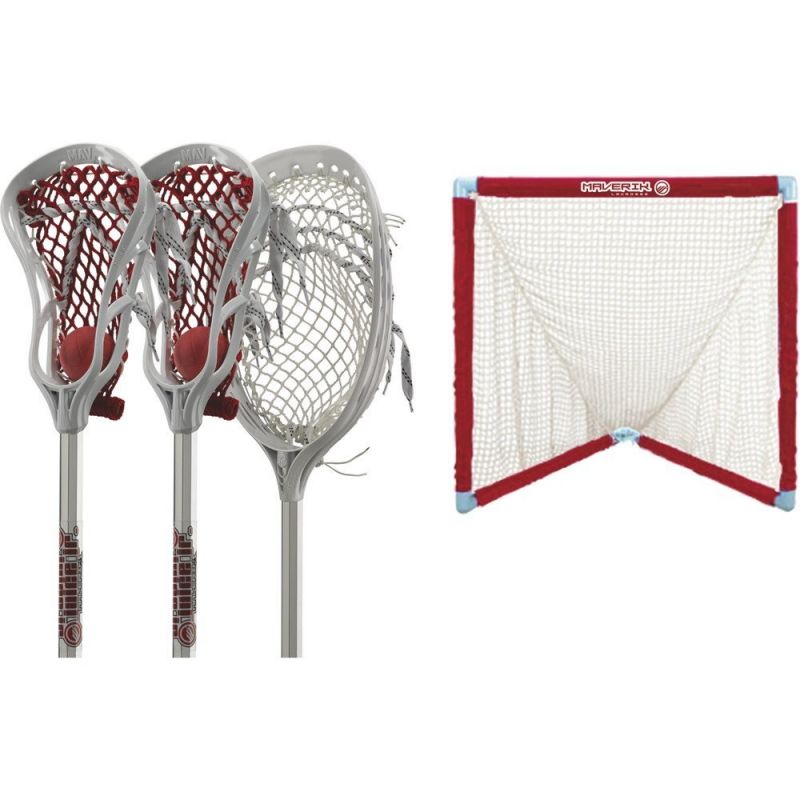
After choosing the ideal lacrosse mesh, the next step in stringing your stick is selecting durable sidewall strings that will optimize shape retention. Sidewalls play a critical role in maintaining the integrity of the pocket and achieving the desired handling characteristics over time.
Here are some key considerations when picking lacrosse sidewall string:
- String Material: Nylon and polyester blends are the most common. Nylon offers stretch resistance while polyester increases durability. Multifilament strings provide a soft feel while preserving shape better than single strand options.
- String Weight: Heavier gauges like 20d and 30d are ideal for beginners as they are easier to string. Intermediates can use 16d or 18d for balance and feel. Experts often prefer 12d or 15d for increased hold and ball control at the cost of some stiffness.
- Wax Coating: Waxed sidewall strings help secure knots and prevent fraying. The wax provides friction to keep knots tied tight. Unwaxed options have a softer feel but may lack durability.
- Manufacturer: Trusted athletic stringing brands like Stringking, ECD, and Throne are known for consistency and reliability. Their premium multifilament blends optimize feel while maintaining shape.
- Stiffness: Stiffer strings hold shape better but can be prone to premature breaking. More flexible sidewalls are easier to string but sacrifice structure. Finding the right balance is key for sidewall performance.
- String Pattern: 1s and 2s refers to how many sidewall strings run from the top to the bottom of the head. More strings increase hold at the cost of stiffness. 2s are common for pockets with wider diamonds.
Choosing the correct sidewall string type and specifications impacts the longevity of your pockets shape, rebound speed, hold, and overall feel. Heavier waxed multifilament strings offer the best blend of control, durability, and performance. Investing in quality sidewalls ensures your lacrosse stick maintains its integrity through seasons of play.
Lacrosse Shooting Strings for Accuracy and Power
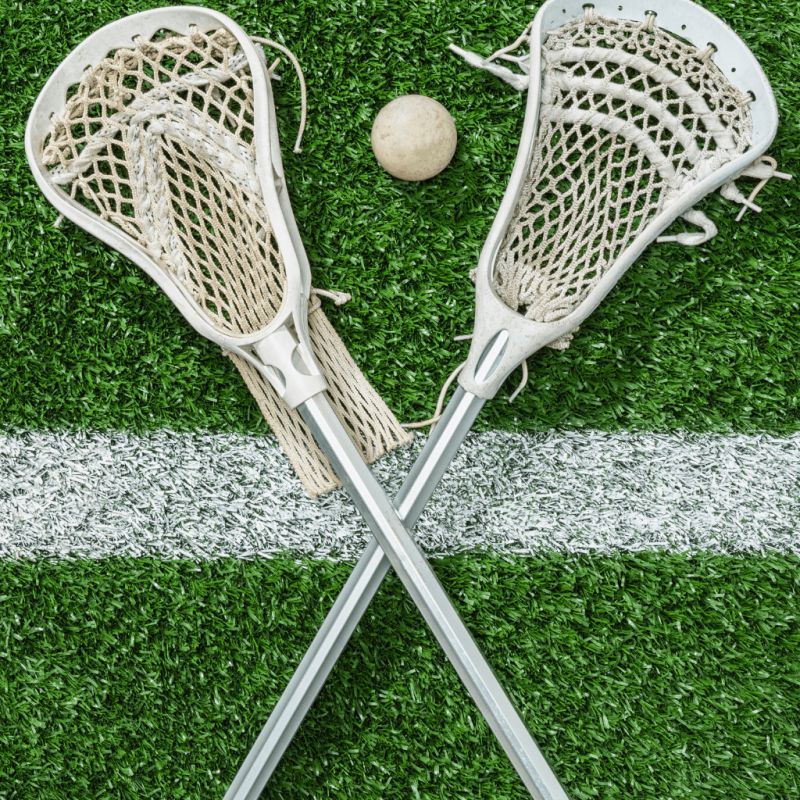
Complementing lacrosse sidewalls are shooting strings, which run horizontally across the top of the head to fine tune ball control and release. Properly installing shooting strings enhances passing, catching, and shooting through optimized pocket tension.
Consider the following factors when selecting shooting strings:
- Shooting String Type: Nylon monofilament and multifilament strings are most common. Monofilament provides stiffness while multifilament offers a softer feel. Advanced players often combine both for ideal blend of control and flexibility.
- Shooting String Placement: Wider placed shooting strings increase hold while narrow placement creates quicker release. Optimizing width based on position and preference is key. Attackmen favor narrower placement for rapid fire while defenders need wider strings for control during checks.
- Shooting String Pattern: Straight two-straights are most common but creative patterns like chevrons, zig-zags, and v’s allow for customization. The shape impacts ball channeling, hold, and pocket tension.
- String Braiding: Lacing shooting strings through sidewall holes braids the pocket for structure and hold. Skipping holes creates a channeled pattern for quicker release. Finding right braiding balance optimizes pocket performance.
- String Tension: Tighter top strings increase hold while looser ones quicken release. Adjusting knot tightness and using string locks are techniques for fine tuning tension to personal playing style.
- String Numbers: More shooting strings means more contact with the ball for control. However, too many can over-stiffen the pocket. Typically 2-4 strings provide the best blend of hold, release, and flexibility.
With the right shooting string selections, lacrosse players can greatly enhance the accuracy, power, and speed of their stick. Consider mixing string types, placements, patterns, and tension settings until the optimal configuration that suits your game is achieved.
Customizing Lacrosse Pockets with Leathers and Nylons
Beyond mesh, sidewalls, and shooting strings, additional lacrosse stringing materials like leathers and nylons allow for further pocket customization and improved performance.
Here’s an overview of leathers and nylons in lacrosse stringing:
- Leather Shooting Strings: Kangaroo, calfskin, and premium leathers offer unmatched feel for top strings. The softness provides excellent grip and ball control. Leathers tend to be thicker so they optimize pocket hold through increased surface area contact.
- Leather Runners: Strip leathers threaded down the center of the head enhance hold and maintain pocket shape. Premium leathers mold well to mesh and prevent sagging. Common in pre-manufactured pockets for consistent shape.
- Nylon Shooters: Thin nylon chord delivers a crisp release for lightning quick passes and shots. They soften with use for improved feel. Popular as cross-laces between main shooting strings due to low profile.
- Nylon Runners: Thin nylon cords alternative to leather runners. Provide unique feel while minimizing interference with ball contact on mesh. Useful for players looking to drop ball to lower pocket.
- Laces: Allow for pull adjustability of pocket placement, depth and shape. Can be tied to sidewalls or shooting strings. Give players ability to tweak stick post-stringing for custom performance.
- Silicone Strings: Applied to main shooting strings, silicone rubber coating adds friction and texture for improved ball control and feel. Especially useful in wet weather.
Strategically integrating leather and nylon lacrosse shooting strings, runners, and laces enables next-level pocket customization. Experienced stringers use these additional materials for enhancing ball control, hold, release, and overall playability.
Lacrosse Goalie Stringing Kits for Maximizing Stick Performance
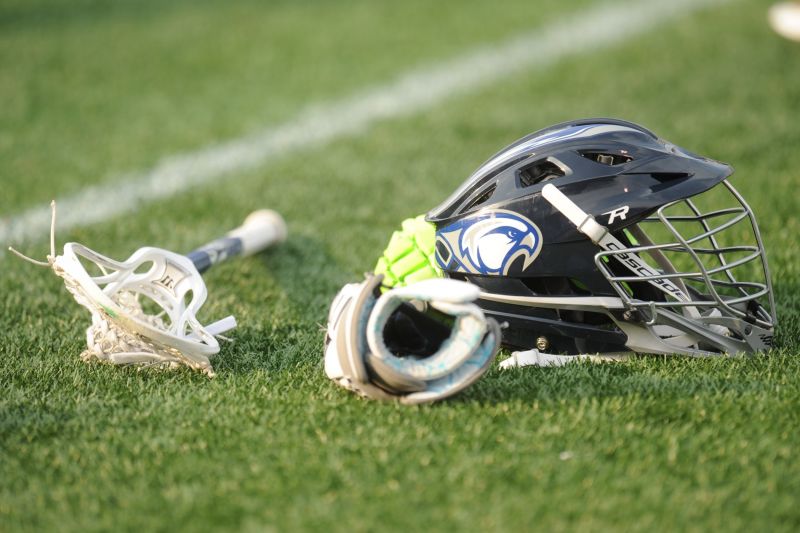
Given the unique demands of playing goalie, specialized stringing kits are available to optimize a goalie’s stick performance. With a deeper pocket and maximized ball control, goalie mesh and sidewall kits allow custom stringing for stopping those point blank shots.
Goalie stringing kits offer:
- Soft Mesh: Extra flexible goalie mesh optimizes ball absorption and pocket depth. Soft polymer blends move with the ball on impact to secure it on saves.
- Deeper Pockets: Wider diamond mesh paired with additional sidewall strings creates an exaggerated deep pocket for controlling hard shots. Pre-formed hard mesh pockets also available.
- Heavy Nylons: Durable 20d and 30d nylon sidewalls withstand high impact shots without premature breakage. Maintain pocket shape despite constant abuse.
- Stiffer Shooting Strings: Robust multifilament shooting strings resist stretching on impact for ball control. Increased durability from heavy use.
- Specialized Leathers: Softer premium leathers customized for goalies mold around the ball on saves. Kangaroo leather popular for maximizing feel.
- Quick Adjust Lacing: Nylon laces allow quick pocket depth and shape adjustments mid-game. Useful for dialing in optimal rebound control.
With reinforced materials made for high impact saves, goalie lacrosse stringing kits optimize pocket performance. Through deeper pockets, heavier nylons, specialized leathers, and stiffer shooters; goalies gain the enhanced ball control needed to stop the toughest shots.
Buying Lacrosse Stringing Supplies in Bulk for Savings
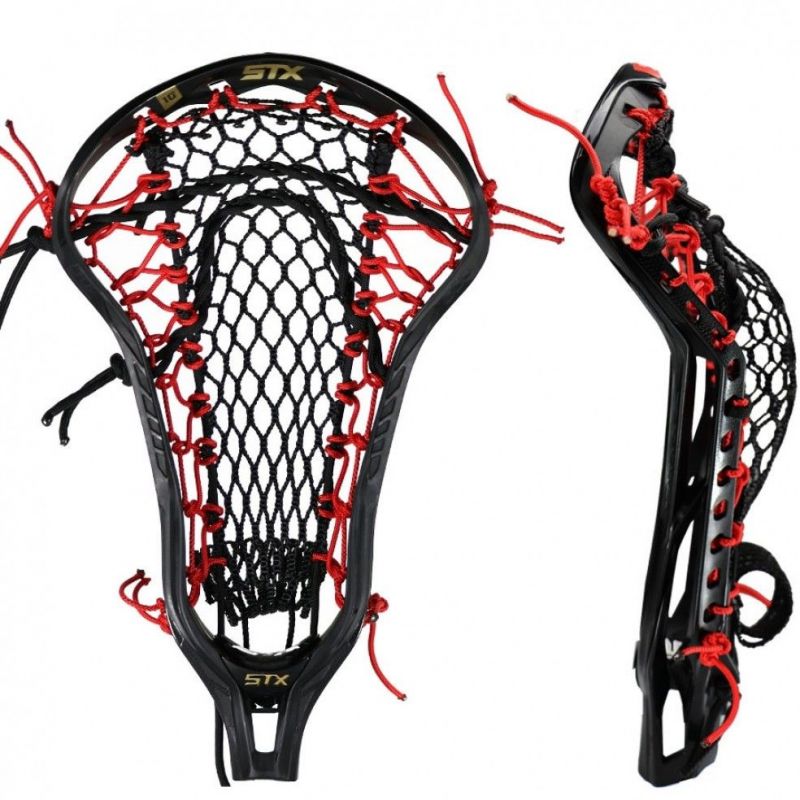
For lacrosse players, coaches, and stringers looking to stock up on mesh, sidewalls, and shooting strings for the season, buying lacrosse stringing supplies in bulk can lead to significant savings.
Here are some benefits of buying lacrosse stringing materials in bulk:
- Lower Cost Per Item: Bulk stringing packages offer discounted rates when purchasing higher quantities. The more you buy, the lower the per piece cost is.
- Convenience: Bulk bundles allow you to stock up on stringing supplies for the season in one purchase. Avoid constantly having to reorder as supplies run low.
- Team Discounts: Many lacrosse equipment retailers offer team pricing discounts for bulk orders. The more players on a team, the bigger discount for buying in bulk.
- Product Consistency: Buying the same materials in bulk ensures consistency across sticks. Especially important for keeping pockets uniform within a team.
- New and Surplus Deals: Bulk clearance deals can offer closeout pricing on surplus products or last season’s designs. Great way to save on still functional materials.
- Fewer Shipping Fees: Make fewer large quantity purchases instead of multiple small ones to reduce shipping costs. Buy enough for the season in one bulk order.
From mesh and sidewall packs to shooter bundles, lacrosse stringing components can be purchased in bulk for savings. For teams, stocking up on standardized stringing supplies ensures consistent pockets across all players while optimizing budgets.
Top Brands for Quality Lacrosse Mesh and Strings
With so many lacrosse equipment manufacturers in the market, determining which brands provide the highest quality mesh and sidewall strings can be challenging. By focusing on established companies with innovative technologies and premium materials, you can ensure you’re getting top-tier stringing supplies.
Some of the leading lacrosse stringing brands include:
- Stringking – Known for consistency and durability. Proprietary hard mesh retains shape while softer mesh options optimize feel.
- ECD – Focus on premium materials like Dyneema polyethylene mesh and high-grade nylon multifilament strings.
- Throne – Emphasis on customization with coated meshes and wax-infused strings for weather resistance.
- Maverik – Mesh and sidewall string variety. Range of diamond mesh gauges and pocket configurations to suit needs.
- STX – Mesh options include memory mesh for minimal break-in time. Variety of premium nylon and SHOX shooting strings.
- East Coast Dyes – Pioneers of dying mesh for color customization. Also offer wax and hybrid meshes alongside multifilament strings.
- Jimalax – Quality bulk mesh for affordable re-stringing. Ideal for high school and youth players on a budget.
- Ninja Lacrosse – Innovative NINJA mesh shape retains pocket structure longer. Also maker of high-grade Cobra X shooting strings.
By opting for established athletic stringing brands known for advanced technologies, high-end materials, and pro-grade construction; you can be confident your mesh and sidewalls will deliver uncompromising quality and performance.
Proper Stringing Technique for Legal Lacrosse Sticks
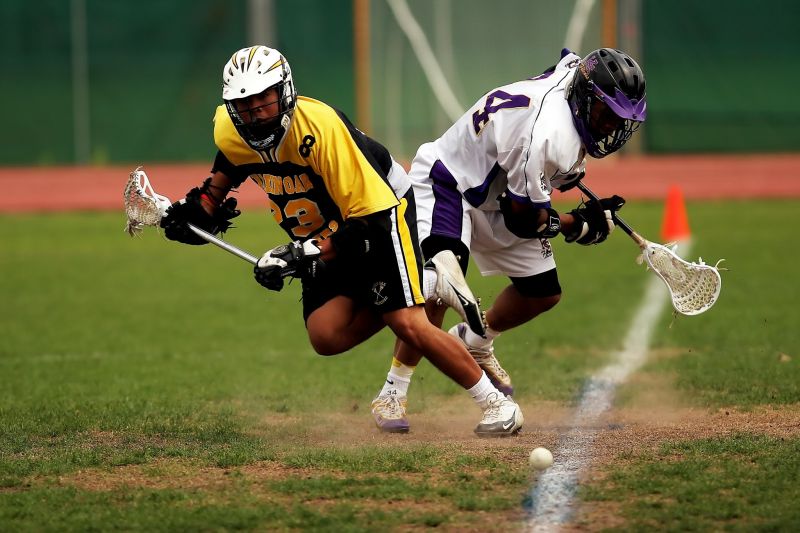
While allowing for plenty of customization, lacrosse heads and pockets must adhere to certain stringing regulations to be considered legal for organized play. Using proper stringing techniques ensures your stick complies with required specifications.
Here are some key stringing guidelines for legal lacrosse sticks:
- Shooting String Height – Top shooting string must be at least 1.5 inches from scoop to prevent ball retention on faceoffs. No more than 4 shooting strings allowed.
- Sidewall Length – Sidewalls must run 10-12 diamonds down head. Prevents excessively deep pockets below minimum ball retention rules.
- Pocket Depth – Top of ball must be visible above the sidewalls when looking at the side profile of the head. Maximizes ball visibility and dislodging.
- Ball Retention – Pockets must release the ball with a quick flip when head is turned upside down and shaken. Ensures quick ball exit.
- Pocket Shape – Excessive tails or fishhooks are illegal. Pockets must have a generally straight or U shape profile when looking down into the head.
- Head Dimensions – Sidewall to sidewall width must be 6 – 7 inches at the widest point. Regulates head shapes and sizes.
- Mesh Holes – Uniform 1cm x 1cm diamond mesh holes maximize consistency. Irregular holes or stretching leads to increased and unfair ball control.
By following the key stringing guidelines around pocket depth, shape, ball retention, and head dimensions, lacrosse sticks meet sport regulations for fair and safe play at all levels.
Top Lacrosse Mesh and String Brands
With so many lacrosse equipment manufacturers in the market, determining which brands provide the highest quality mesh and sidewall strings can be challenging. By focusing on established companies with innovative technologies and premium materials, you can ensure you’re getting top-tier stringing supplies.
Some of the leading lacrosse stringing brands include:
- Stringking – Known for consistency and durability. Proprietary hard mesh retains shape while softer mesh options optimize feel.
- ECD – Focus on premium materials like Dyneema polyethylene mesh and high-grade nylon multifilament strings.
- Throne – Emphasis on customization with coated meshes and wax-infused strings for weather resistance.
- Maverik – Mesh and sidewall string variety. Range of diamond mesh gauges and pocket configurations to suit needs.
- STX – Mesh options include memory mesh for minimal break-in time. Variety of premium nylon and SHOX shooting strings.
- East Coast Dyes – Pioneers of dying mesh for color customization. Also offer wax and hybrid meshes alongside multifilament strings.
- Jimalax – Quality bulk mesh for affordable re-stringing. Ideal for high school and youth players on a budget.
- Ninja Lacrosse – Innovative NINJA mesh shape retains pocket structure longer. Also maker of high-grade Cobra X shooting strings.
By opting for established athletic stringing brands known for advanced technologies, high-end materials, and pro-grade construction; you can be confident your mesh and sidewalls will deliver uncompromising quality and performance.
Troubleshooting Common Lacrosse Stringing Problems
Even experienced stringers run into occasional issues like uneven pocket formation, premature breakage, and improper shape retention. By identifying and addressing common stringing problems, you can get your sticks back to peak performance.
Here are some frequent lacrosse stringing troubleshooting tips:
- Uneven Diamonds – Use a ball or stringing tool to mold uneven diamonds back into shape. Gently massaging and shaping the pocket helps even out inconsistencies.
- Loose Shooting Strings – Remove and re-tie knots tighter or use string locks for optimized tension. Check for fraying or damage and replace if needed.
- Baggy Sidewalls – Tighten sidewall knots around the plastic. Switch to thicker and stiffer strings or add additional sidewall nylon strings as needed.
- Pocket Too Deep – Loosen top shooting strings or remove a sidewall to tighten channel and raise pocket placement. Re-lace if needed.
- Stick Too Stiff – Use softer mesh or thinner sidewall strings and reduce sidewall count. Also loosen top strings and skip sidewall holes when lacing.
- Too Much Whip – Tighten shooting strings or use thicker mesh to stiffen the pocket and reduce excessive channeling.
Addressing common stringing mishaps as they occur keeps your pockets optimized for ball control, hold, and release through long seasons of play.
Maintaining Lacrosse Sticks and Prolonging String Life
To maximize the longevity of your lacrosse stick stringing, proper maintenance is essential. Implementing consistent care routines prolongs the life of mesh, shooting strings, and sidewalls.
Here are some best practices for maintaining lacrosse sticks:
- String Soaking – Soak mesh and strings in warm water to soften after games. Helps strings relax into proper shape and removes dirt.
- Controlled Drying – Air dry sticks out of direct sunlight. Heat can damage nylons. Gently shape pockets while drying.
- Spot Cleans – Use mild soap and warm water with a soft brush to spot clean problem areas of mesh.
- Storage Conditions – Keep sticks stored in bags out of extreme cold, heat, and humidity. Avoid attics, garages, and trunks.
- Pocket Checks – Frequently inspect for damage, wear, and proper shape. Make minor adjustments as needed.
- Weather Protection – Use waterproofing sprays and mesh coatings to repel water and minimize soaking in rainy conditions.
- Replace Fraying Strings – Swap out sidewalls with any fraying or unraveling to prevent full breakage. Deep Clean Annually – Do an intensive clean at end of season. Wash entire head and strings before lengthy storage.
With regular TLC and maintenance best practices, lacrosse stick stringing will maintain structural integrity and playability for multiple seasons before needing re-stringing.
Re-Stringing Old Heads vs. Buying New Stringing Kits
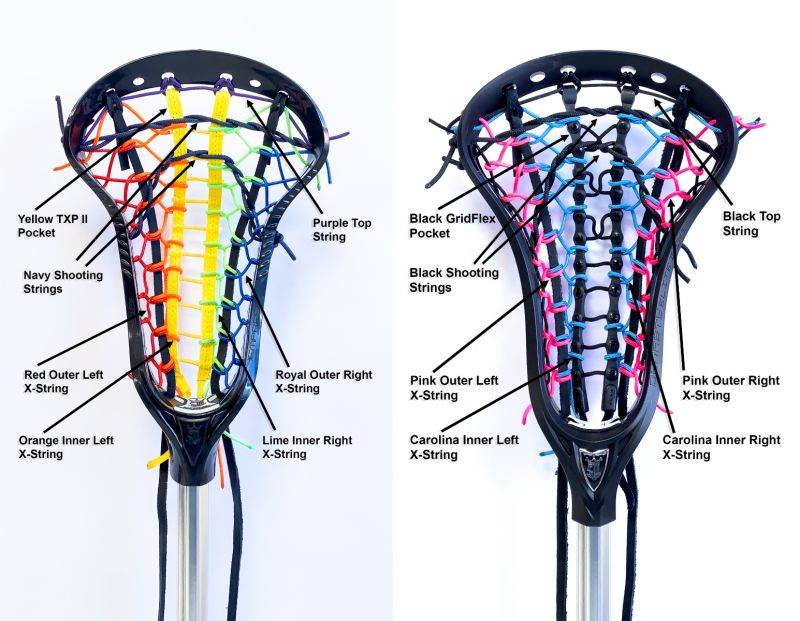
When an old lacrosse stick loses its optimal shape and performance, players have two main options – re-string the used head or buy a new complete stringing kit. Each choice has its pros and cons.
Reasons to re-string an existing head:
- Cost Savings – Only pay for new mesh and strings rather than entire head and components.
- Preferred Shape – Maintain familiar head shape, scoop, and sidewall design that you’re used to.
- Customization – Fully customize stringing to your exact preferences with preferred mesh, nylons, and leathers.
- Environmentally Friendly – Reuse head and reduce waste by only replacing stringing elements.
Reasons to buy a new stringing kit:
- New Technologies – Take advantage of recent innovations in head, mesh, and sidewall materials.
- Consistency – Kits offer an exact replica of pro pockets with measured precision.
- Ease – Everything needed comes pre-packaged for quick and easy stringing.
- Affordability – Bulk manufactured kits can offer cost savings compared to buying components separately.
While re-stringing typically makes the most economic and environmental sense, new lacrosse stringing kits provide convenience and accessibility to recent technologies. Evaluate your needs and preferences when deciding between these two options.
Lacrosse Stringing Tips, Tricks, and Recommendations
Mastering the art of lacrosse stringing takes time, but gaining insights from experienced stringers can accelerate the learning curve. By implementing proven tips, tricks, and best practices, you can hone your stringing skills.
Helpful lacrosse stringing pointers include:
- Start with Pre-Made Kits – Kits teach beginner techniques before modifying pockets.
- Watch Tutorial Videos – Visual learners gain knowledge from YouTube and lacrosse sites demonstrating methodology.
- Invest in Quality Tools – Stringing jigs, needles, and knot pullers improve precision and ease.
- Take Notes on Patterns – Detail mesh, sidewall, and shooting string specs to replicate pockets.
- Practice on Cheap Heads First – Refine skills on older or basic heads before stringing pro level sticks.
- Check Regulations Often – Continuously ensure stringing remains compliant as you progress.
- Ask for Feedback – Have experienced peers critique pockets and provide improvement tips.
- Analyze the Pros – Deconstruct pro player sticks to understand advanced techniques.
The lacrosse community generously shares advice online and in-person at camps. Seeking out tips and constructive feedback is invaluable for advancing your stringing abilities.
The Future of Lacrosse Stick Technology and Stringing
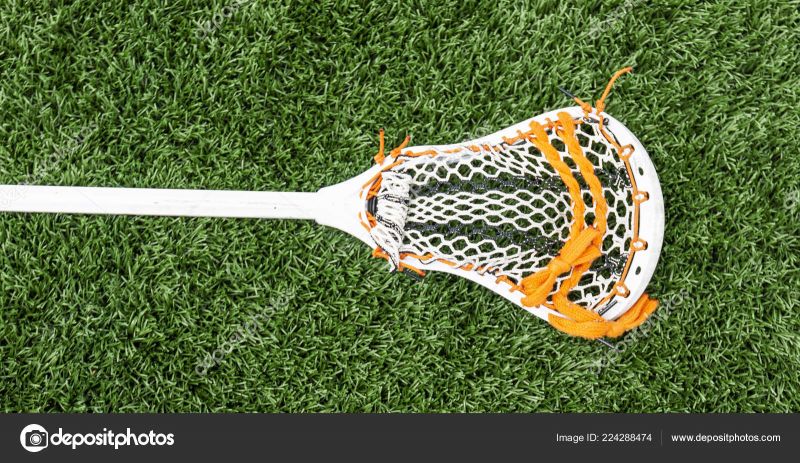
As lacrosse continues to grow globally, equipment manufacturers constantly seek ways to innovate and push the boundaries of stick technology. This drives advancement in both head and stringing design.
Emerging lacrosse stick and stringing trends include:
- 3D Printed Heads – Additive manufacturing allows intricate integrated stringing features and optimized geometries not possible with traditional molding.
- Smart Materials – Space age alloys, polymers, and composites build superior strength, flexibility, and responsiveness into heads and pockets.
- Nano-Coatings – Thin durable nano-layers on mesh and sidewalls resist moisture, wear, and UV damage for extended pocket life.
- Pocket Micro-Adjustability – Mechanical tensioning systems, dials, and servos for fine tuning pocket specs instantaneously.
- Active Stringing – Motors embedded in the scoop actively tighten and loosen shooting strings mid-game for situation-based pocket changes.
- Advanced Analytics – Sensors in mesh track shot speed, ball spin, and other data for optimizing stringing efficiency through analytics.
- Custom Stringing Apps – AR apps scan heads and digitally map custom stringing patterns tailored to player specs.
While respecting the tradition of the sport, lacrosse stick engineers continue to stretch conceptual limits and apply cutting edge technologies to benefit players. The future promises exciting innovations in heads, mesh, and stringing.
Lacrosse Stick Maintenance and Prolonging String Life
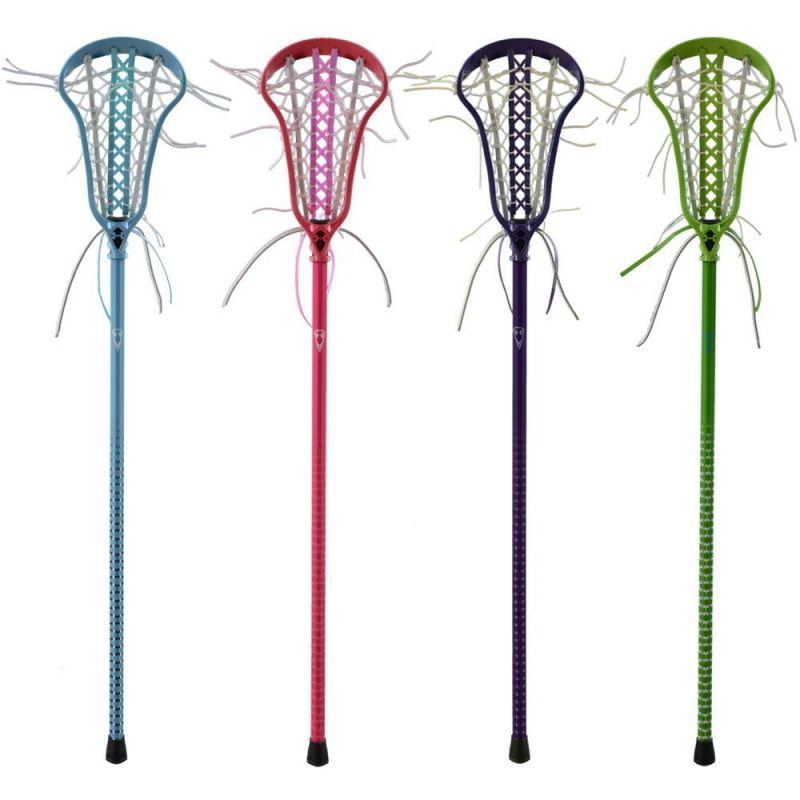
To maximize the longevity of your lacrosse stick stringing, proper maintenance is essential. Implementing consistent care routines prolongs the life of mesh, shooting strings, and sidewalls.
Here are some best practices for maintaining lacrosse sticks:
- String Soaking – Soak mesh and strings in warm water to soften after games. Helps strings relax into proper shape and removes dirt.
- Controlled Drying – Air dry sticks out of direct sunlight. Heat can damage nylons. Gently shape pockets while drying.
- Spot Cleans – Use mild soap and warm water with a soft brush to spot clean problem areas of mesh.
- Storage Conditions – Keep sticks stored in bags out of extreme cold, heat, and humidity. Avoid attics, garages, and trunks.
- Pocket Checks – Frequently inspect for damage, wear, and proper shape. Make minor adjustments as needed.
- Weather Protection – Use waterproofing sprays and mesh coatings to repel water and minimize soaking in rainy conditions.
- Replace Fraying Strings – Swap out sidewalls with any fraying or unraveling to prevent full breakage.
- Deep Clean Annually – Do an intensive clean at end of season. Wash entire head and strings before lengthy storage.
With regular TLC and maintenance best practices, lacrosse stick stringing will maintain structural integrity and playability for multiple seasons before needing re-stringing.