Importance of Lacrosse Balls for Training
Choosing Between Hard and Soft Lacrosse Balls
Best Lacrosse Balls for Ground Ball Drills
Using Lacrosse Balls to Increase Hand-Eye Coordination
Practice Catching with Lacrosse Balls
Improve Shooting Accuracy with Lacrosse Balls
Lacrosse Ball Workouts for Strength
Increase Agility with Lacrosse Ball Ladders
Best Lacrosse Balls for Wall Ball
Indoor Lacrosse Ball Drills
Outdoor Lacrosse Ball Training Tips
Proper Technique for Cradling Lacrosse Balls
Passing Drills with Lacrosse Balls
Improve Stick Skills with Lacrosse Balls
Lacrosse Ball Drills to Do At Home
Importance of Lacrosse Balls for Training
Lacrosse balls are essential for honing the skills needed to excel on the field. Whether practicing alone or with a team, having the right balls can take your performance to the next level. The repetitive drills using lacrosse balls engrain proper technique into muscle memory. With the right balls, you’ll enhance hand-eye coordination, shots on goal, cradling, and more.
Choosing Between Hard and Soft Lacrosse Balls

Hard lacrosse balls are ideal for passing and shooting practice. Their firmness helps strengthen your hands and improve stick handling. Soft, pliable balls are better for beginning players, indoor use, and wall ball games. Their “give” helps develop stick skills with less strain on hands and wrists. Consider your skill level and training location when choosing ball hardness.
Best Lacrosse Balls for Ground Ball Drills
Ground ball drills improve scooping skills essential in games. For outdoor drills, textured, rubber balls are best. Their high bounce and grip make scooping these balls off grass more realistic. Indoors, softer balls are gentler on gym floors and less bouncy for tighter spaces. Having an assortment helps mix up your ground ball practice.
Using Lacrosse Balls to Increase Hand-Eye Coordination
Quick hands and focusing on the ball are key in lacrosse. Solo cradling drills with lacrosse balls improve coordination and reaction time. Vary underhand tosses from each hand and practice catching the ball in your crosse’s pocket smoothly. Work up to faster, erratic tosses to challenge your reflexes. Step up your multitasking with toss-catch drills while moving.
Practice Catching with Lacrosse Balls

A lacrosse ball’s unpredictable bounces off hard surfaces mimics catching passes in games. With a partner or rebounder, work on cleanly fielding off-target throws. Concentrate on scooping low passes and cradling high bounces quickly. Vary pass speed, height, and location. Smooth hand-eye coordination translates into more possessions.
Choosing Between Hard and Soft Lacrosse Balls
When selecting lacrosse balls, consider the playing surface and your skill level. Hard balls made of solid rubber are best for passing and shooting drills, especially outdoors. Their firmness helps develop hand strength while minimizing sting. Beginners fare better with softer, lightweight balls made of rubber or synthetic leather. The “give” makes catching easier on hands and wrists. For indoor practice, softer balls are essential to protect floors and prevent unpredictable bounces. Mix up ball hardness during training to build skills. Having an assortment challenges hands and hones technique for any in-game scenario.
Best Lacrosse Balls for Ground Ball Drills
Ground ball drills are a lacrosse staple for honing essential scooping skills. Outdoors, textured rubber balls offer an authentic bounce and grip when fielding grounders in the grass. Their high bounce closely mimics errant passes or loose balls in gameplay. For indoor drills, softer synthetic leather balls are gentler on gym floors and control unpredictable ricochets in tight spaces. Mix up your training with both ball types to master ground ball proficiency anywhere. Having an assortment of lacrosse balls ensures you’ll be ready to gain possession no matter the surface.
Using Lacrosse Balls to Increase Hand-Eye Coordination
Boosting coordination between your hands and eyes is vital for lacrosse success. Solo cradling drills with lacrosse balls hone reaction time and handspeed. Start simply by underhand tossing a ball from each hand and concentrating on smoothly catching the ball in your crosse’s pocket. Then mix up the tosses – varying speed, direction and height – to challenge your reflexes. As your hands become adept at locating and capturing errant balls, incorporate movement like side shuffles or crossovers during the drills. Multitasking body motion while tracking the ball’s path translates directly to quick cradling and ball control during intense gameplay.
Practice Catching with Lacrosse Balls

Sharpening your catching skills is vital for gaining and maintaining possession of the ball. Practicing with lacrosse balls improves hand-eye coordination for scooping up errant passes. Work with a partner or rebounder to mimic the unpredictable bounces of off-target throws. Concentrate on quickly fielding low bounces and smoothly cradling high ricochets off hard surfaces. Vary the speed, height and angle of passes to challenge your reflexes. Being able to cleanly catch balls coming from all directions translates into more possessions and scoring chances during game time scrambles.
Improve Shooting Accuracy with Lacrosse Balls
Honoring your shot technique is crucial for scoring goals in lacrosse. Solo shooting drills using lacrosse balls builds accuracy through repetition. Start close to the goal and focus on proper form – hands positioned correctly on the stick, transferring energy from the lower body, and following through towards the target. As your mechanics become more consistent, move farther out and vary shot placement around the goal. Practice shooting on the run for in-game simulation. Tracking shots on net versus goals scored helps measure progress over time. Dialing in your shooting precision with focused practice translates into more goals come game time.
Lacrosse Ball Workouts for Strength
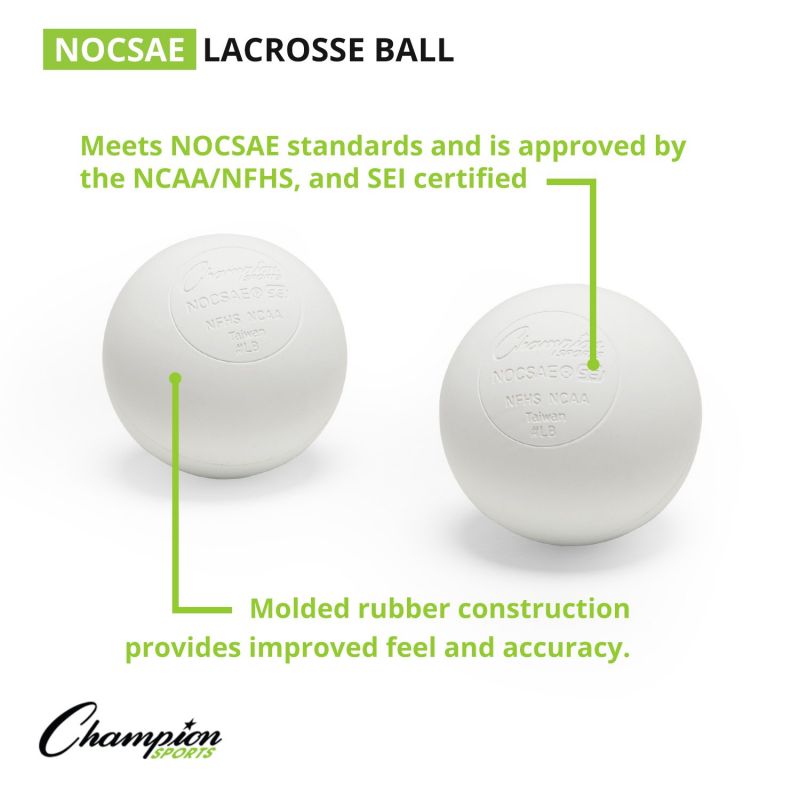
Incorporating lacrosse balls into training builds the muscular strength needed for the sport. Use balls as resistance tools to mimic scooping and cradling motions. For example, sit on the ground with legs in front and roll a ball back and forth using different hand placements to tone arms and shoulders. Execute wall squats while holding a ball to increase lower body power. Simple moves like overhead tricep extensions and bicep curls with balls also build stabilizer muscles. Vary weight by using multiple balls or lighter synthetic leather balls to progress over time. A stronger physique improves performance in all facets of lacrosse.
Increase Agility with Lacrosse Ball Ladders
Quick footwork and coordination are essential for excelling in lacrosse. Set up a ladder drill using lacrosse balls to build agility. Place balls about two feet apart in a straight line or zigzag pattern. Concentrate on proper form as you rapidly navigate the ladder – drive off the balls of your feet, keep knees bent, and minimize extraneous movements. Work on lateral shuffles, crossover steps, and backward runs through the ladder. Increase speed and challenge your coordination once movements become smooth. Regular agility ladder drills with lacrosse balls translate into quicker cuts, improved change of direction, and precise footwork during intense game play.
Indoor Lacrosse Ball Drills
Inclement weather shouldn’t hamper your lacrosse training. There are plenty of effective drills to do inside with lacrosse balls. Set up ball ladders or cones on gym or turf floors to practice footwork. Bolt balls against racquetball court walls for catching and quick stick work. Solo cradle walks while scanning the room improve coordination. For shooting, aim at a box goal or trash can from varying distances. Get creative – a pillow barricade makes for rebound practice. Vary drills to prevent boredom. Frequent indoor sessions with lacrosse balls ensures skills stay sharp if kept off the field.
Outdoor Lacrosse Ball Training Tips
Maximize your outdoor lacrosse ball sessions with these useful pointers. Select balls suited to natural grass surfaces for proper grip and bounce. Ensure adequate spacing for passing, shooting, and footwork drills. Move the goal frequently to avoid damaging turf in one area. Use cones or field markers to create physical drills with changes of direction. During partner work, call out “Ball!” to alert your teammate when passing. Stay hydrated in warmer weather. Rotate specific drills each session to maintain variety. Recording training with a mobile device provides visual feedback. Consistent outdoor work with lacrosse balls hones skills for game-like conditions.
Proper Technique for Cradling Lacrosse Balls
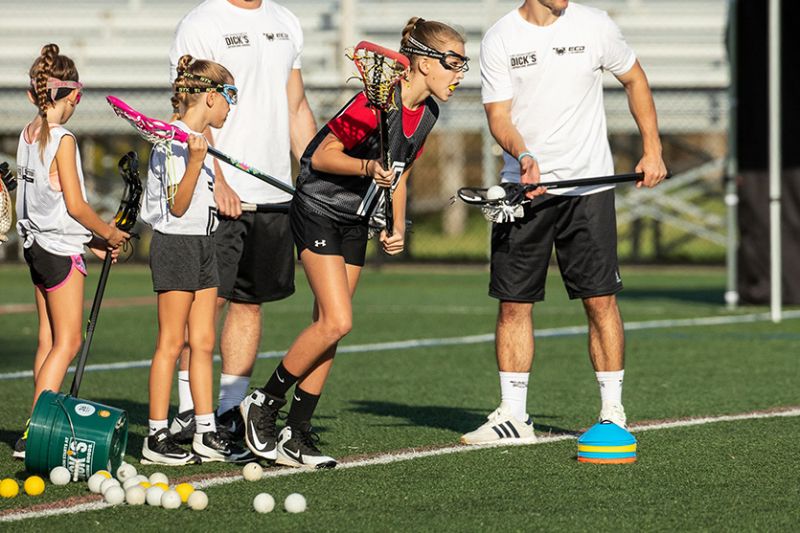
Mastering the cradling skill is vital for controlling the ball in lacrosse. Start by holding the ball firmly in the pocket, keeping your fingers spread wide across the stick head. Use your top hand to guide the ball, relaxing the bottom hand to add finesse. Cradle side to side in a smooth, circular motion from your wrists. Keep your arms tight to your core for maximum control. Increase speed and test dexterity by weaving the ball around obstacles. Maintain focus on the ball throughout cradling to engrain proper technique. Fluid cradling translates into quicker cuts and change of direction with the ball during intense gameplay.
Passing Drills with Lacrosse Balls
Crisp passing is crucial for executing Lacrosse offense. Set up passing drills with lacrosse balls to build chemistry and timing with teammates. Start stationary, focusing on quick sticks, then incorporate movement downfield. Vary distances and work on hitting both leading and trailing passes into crosses. Call out the recipient’s name and “Ball!” when initiating a pass. Stress keeping eyes up to read defenses. Defenders can hold sticks up to block and intercept passes. Perfect sharp passes at game speed by rapid-fire passing in triangles. Precise passing unlocks defenses and leads to high percentage shots on goal.
Improve Stick Skills with Lacrosse Balls

Sharpening your stick handling is vital in lacrosse. Solo drills with lacrosse balls build dexterity and control. While stationary, move the ball around your body in figure 8s, switching hands behind your back. Cradle the ball quickly side to side. Scoop up ground balls with focus on proper form – head flat, lead with the hands. Bolting the ball against a rebounder improves reaction time. Weave cones practicing cradling and quick changes in direction. Perfect your skills repeatedly in each drill before moving on. Precision stick work translates into better ball control during intense gameplay when cradling through traffic or evading defenders.
Lacrosse Ball Drills to Do At Home
Don’t let limited space deter home lacrosse practice. Improvise drills using lacrosse balls inside your house or apartment. Toss balls off couches to work on catching. Aim at laundry baskets for shooting accuracy. Bolt against racquetball walls for hand quickness. Use hallways for cradling and stick work. Get creative with obstacles – weave balls around chair or broomstick defenders. Vary drill locations and sequences to prevent boredom. Supplementing team practices with frequent at-home drills keeps skills sharp during the offseason. Consistent training with lacrosse balls at home ensures you’re game ready.