The Ankle Support of High Top Lacrosse Cleats
High top lacrosse cleats provide critical ankle support and stability for players. The higher ankle collar locks in the foot and prevents the ankle from rolling during cuts, jumps, and dodges. Unlike low-top cleats, high tops have an upper that extends several inches above the ankle joint.
This extra height is vital for protecting lacrosse players from one of the most common injuries – the ankle sprain. The lateral stability from high top cleats reduces the risk of an inversion ankle sprain, which occurs when the ankle rolls inward. Studies have shown that high top basketball shoes reduce the incidence of ankle sprains, and the same benefit applies to lacrosse.
High ankle cleats are especially important for defensemen who are constantly battling for ground balls and throwing checks. The ankle support allows them to play physically without worrying about their ankle turning. High tops also give midfielders and attackmen more confidence when dodging and cutting.
Several companies like Nike, Under Armour and Warrior offer high top lacrosse cleats. It’s important to find the right fit for your foot and playing style. Some players prefer a stiffer upper while others like a more flexible high top collar. Trying on different brands can help dial in the best option.
Ultimately, every competitive lacrosse player should strongly consider high top cleats. Ankle injuries can shelf players for weeks or months, so the preventative measure of wearing high tops is well worth it. The additional stability and peace of mind allows athletes to play to their full potential.
Why Huarache 6 and High Ankle Cleats Are Perfect for Lacrosse
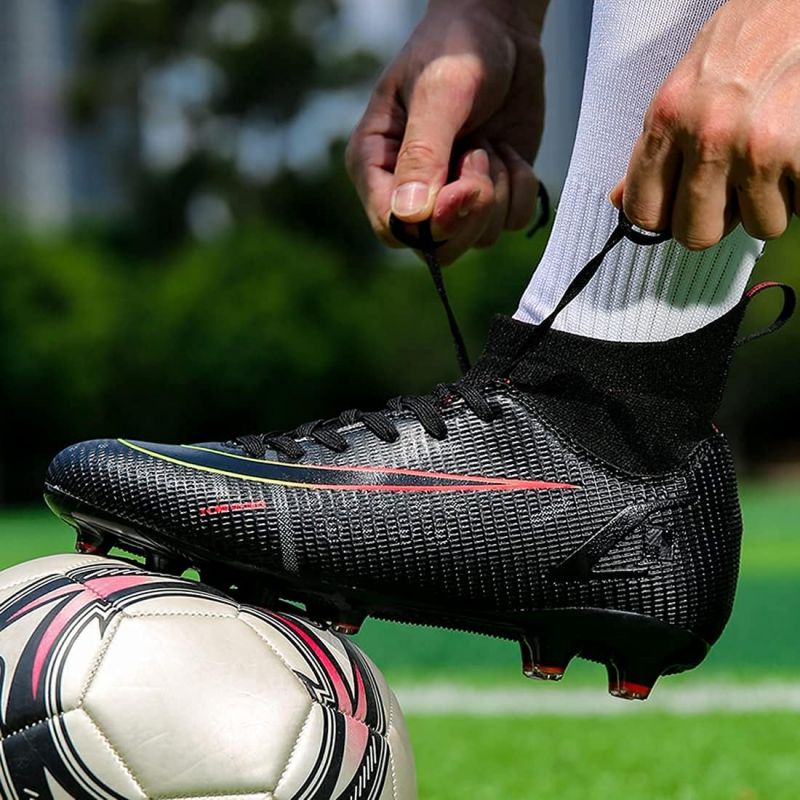
Huarache 6 and high ankle cleats are ideal options for lacrosse players due to their versatility and ankle support. The Huarache 6 provides the agility that lacrosse demands, while the high ankle design protects players from injury. Here’s a deeper look at why these two cleat styles work so well for the sport of lacrosse.
The Nike Huarache 6 lacrosse cleat is built for quick cuts, accelerations, and change of direction. Its lightweight synthetic upper includes Dynamic Fit technology that hugs the foot for support while allowing natural motion. The cleat plate features Tri-Star nubs in the forefoot for traction during dynamic cuts, while longer TPU studs under the heel provide stability.
This combination helps lacrosse players explode out of their stance, pivot and cut without losing momentum. The burr-type traction pattern offers multi-direction grip so players can stop, start and change direction on a dime. A low-to-the-ground feel and snug midfoot lockdown give athletes the responsive agility needed when dodging defenders or chasing ground balls.
High ankle lacrosse cleats provide critical stability by cradling and securing the ankle joint. Brands like Warrior and Under Armour make high tops with a mid-cut collar that extends above the ankle bone. This extra coverage prevents the ankle from rolling over, especially when landing from jumps or making sharp lateral cuts. The rigid synthetic leather or mesh upper resists stretching while abrasion-resistant materials withstand wear and tear.
By combining the freedom of movement from the Nike Huarache low-top with the ankle protection of the high-top options, lacrosse players get the best of both worlds. Aggressive dodgers and slick ball handlers benefit from the responsiveness of the Huarache 6 when running the field and breaking down defenders. The high ankle support adds protection when battling for a ground ball or when cutting towards the goal. Together, these two styles form an unbeatable 1-2 punch.
How Huarache 6 Cleats Provide Agility and Control
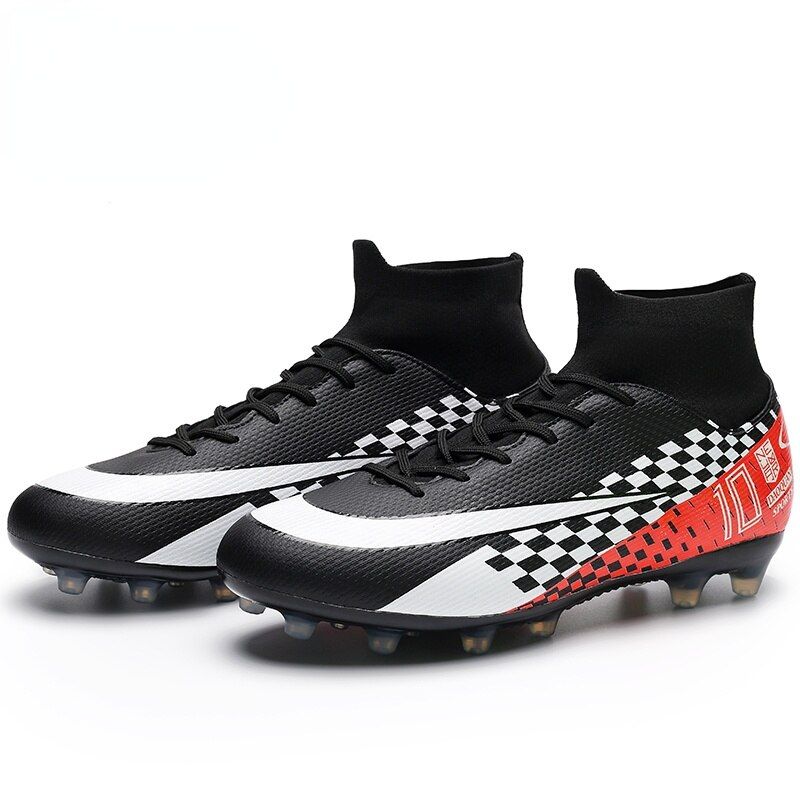
The Nike Huarache 6 lacrosse cleat stands out for giving players the agility and control needed to excel in the fast-paced sport. With its Dynamic Fit upper, Tri-Star cleat plate and low-profile design, the Huarache 6 allows athletes to move seamlessly in any direction.
The synthetic leather upper uses Dynamic Fit technology to deliver a compression fit that moves with your foot. Integrated flywire cables connect to the laces for adaptive lockdown, while targeted ventilation areas enhance breathability. This creates a true one-to-one fit that lets you cut and accelerate without any delay.
Underfoot, the Tri-Star cleat pattern provides multidirectional traction inspired by Huarache running shoes. Smaller studs under the toes and forefoot dig into the turf for traction during quick changes of direction. Longer midfoot and heel cleats deliver stability for starting and stopping. This balanced stud configuration lets you stick moves without slipping.
The low-profile design places you closer to the ground for increased control and responsiveness. A minimally cushioned Phylon midsole puts you in tune with the playing surface while protecting against harsh impacts. Combined with the Dynamic Fit upper, this makes the Huarache 6 feel like an extension of your foot for seamless maneuverability.
For lacrosse athletes who rely on their quickness and agility, the Nike Huarache 6 is an ideal cleat. The snug-fitting upper, multidirectional traction and low ride height equip players with the control they need to elude defenders and own their position on the field. When every step matters, the Huarache 6 delivers.
The Ankle Support of High Top Lacrosse Cleats
High top lacrosse cleats provide critical ankle support and stability for players. The higher ankle collar locks in the foot and prevents the ankle from rolling during cuts, jumps, and dodges. Unlike low-top cleats, high tops have an upper that extends several inches above the ankle joint.
This extra height is vital for protecting lacrosse players from one of the most common injuries – the ankle sprain. The lateral stability from high top cleats reduces the risk of an inversion ankle sprain, which occurs when the ankle rolls inward. Studies have shown that high top basketball shoes reduce the incidence of ankle sprains, and the same benefit applies to lacrosse.
High ankle cleats are especially important for defensemen who are constantly battling for ground balls and throwing checks. The ankle support allows them to play physically without worrying about their ankle turning. High tops also give midfielders and attackmen more confidence when dodging and cutting.
Several companies like Nike, Under Armour and Warrior offer high top lacrosse cleats. It’s important to find the right fit for your foot and playing style. Some players prefer a stiffer upper while others like a more flexible high top collar. Trying on different brands can help dial in the best option.
Ultimately, every competitive lacrosse player should strongly consider high top cleats. Ankle injuries can shelf players for weeks or months, so the preventative measure of wearing high tops is well worth it. The additional stability and peace of mind allows athletes to play to their full potential.
Finding the Right Fit to Prevent Injury
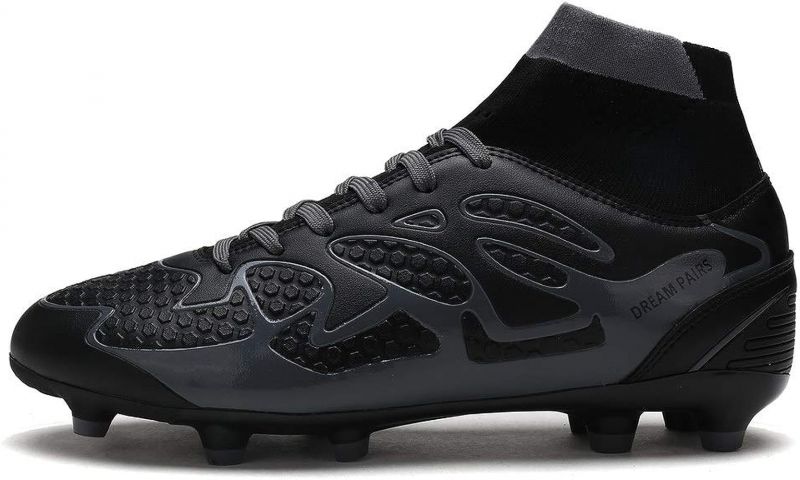
Finding the proper fitting lacrosse cleats is crucial for injury prevention and optimal performance. With the constant cutting, quick changes of direction and contact in lacrosse, players need cleats that lock in the foot without any slipping or excessive movement. Here’s guidance on finding the ideal size and fit.
When trying on cleats, focus on overall fit and lockdown in the heel, midfoot and forefoot areas. The cleat should hug the heel to prevent any lift, as this can lead to blisters. There should be no dead space in the midfoot, which can cause instability when cutting or dodging. Finally, ensure the toes have some wiggle room and aren’t jammed against the front.
Consider sizing options that accommodate wide feet if needed. Some brands like New Balance and Under Armour offer wide sizes, while others like Nike have wider models like the Alpha Huarache lacrosse cleats. Don’t assume you need to size up to a loose fit for comfort. A true snug fit provides better control and stability.
The best way to dial in fit is to try on cleats with your athletic socks and mimic lacrosse moves in the store. Jog, cut side to side, jump and land to assess overall lockdown. If your foot is sliding around inside, that’s a red flag for potential blisters or instability on the field. Be prepared to try multiple sizes and brands to find your ideal fit.
With the proper fitted cleats, lacrosse players gain the responsive support needed to unleash their athletic potential. A locked-in fit also provides peace of mind that your footwear won’t contribute to rolled ankles or other injuries. Take the time to find that perfect fit for your foot type and comfort preferences. Your cleats should feel like a second skin.
Top Brands Making Quality Huarache 6 and High Ankle Cleats
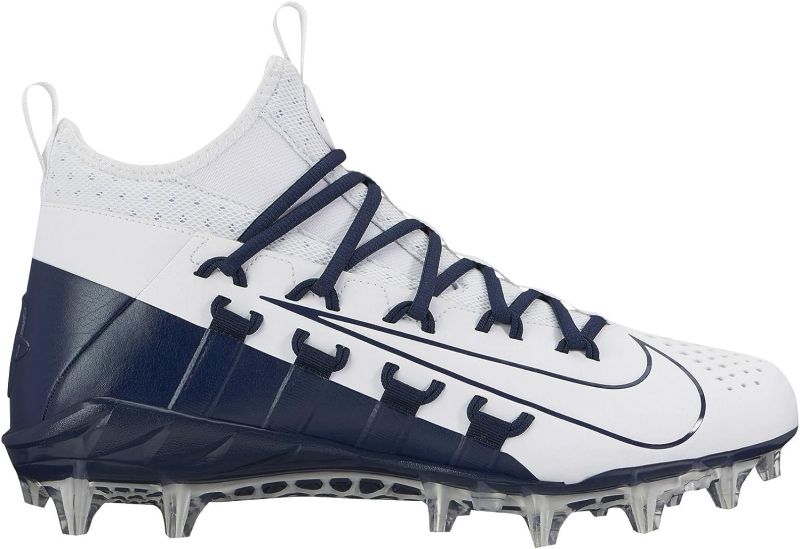
When shopping for Huarache 6 or high top lacrosse cleats, there are several top athletic brands making high-quality options. Nike, Under Armour, New Balance, Adidas and Warrior are leaders in lacrosse footwear known for excellent traction, durability and support.
Nike essentially created the category of Huarache lacrosse cleats and remains the front runner with their Huarache 5 and 6 models. These provide a compression-like fit in the upper and multidirectional cleat traction inspired by the brand’s iconic Huarache running shoes.
Under Armour offers comparable Huarache-style lacrosse cleats with the highlight being a 3D printed upper for targeted support and ventilation. Adidas and New Balance have more traditional low-cut lacrosse cleats but with lightweight synthetics and cleat plates suited for fast cuts and accelerations.
For high tops, Warrior reigns supreme with their line of Superlite, Burn and Regulator lacrosse cleats. These offer sturdy ankle support along with Warrior’s Wartech traction plates. Under Armour, Nike and Adidas also have excellent high-top options.
No matter your position or preferences, one of these athletic giants likely has a cleat designed to improve your quickness, ankle support and durability. Be sure to try on different brands to find the right match for your foot type and playing style. With options from Nike, Under Armour, New Balance and more, every lacrosse player can gain an edge with the right Huarache 6 or high top cleats.
Getting Proper Cleat Rotation to Extend Cleat Life
Implementing a proper cleat rotation routine can maximize the lifespan of your lacrosse cleats. By alternating pairs and allowing shoes to fully dry between wears, athletes prevent premature breakdown and get the most out of their footwear investment. Here are some tips for getting the most miles out of your cleats.
Rotate two pairs of lacrosse cleats during the season. The 24-48 hour rest between wears allows the foam midsole to fully rebound and the upper to completely dry. Letting cleats air out prevents moisture buildup that can soften leather or mesh. Alternating extends the life of the studs and traction plate as well.
Use cleats only for games/practices, not everyday wear. The constant stopping and starting on the lacrosse field accelerates wear and tear, so save your cleats solely for lacrosse activity. Don’t wear them for general training, working out or casual use.
Replace cleats at the first sign of excess wear. Once studs start loosening or traction plates appear cracked, it’s time for new shoes even if the uppers look fine. Rotating pairs extends the lifespan but cleats do have a finite lifecycle.
Carry two pairs of game-ready cleats in your bag so you always have a dry, fresh option. If one pair gets unexpectedly wet or muddy, you have a backup ready to go. Having alternatives ensures you get ideal traction and support each time out.
Proper cleat rotation keeps your shoes performing like new, preventing blown out studs or compromised support. With smart alternating and drying, lacrosse players get the safety and performance needed without breaking the bank on replacements.
Maintaining Your Cleats for Optimal Traction and Performance
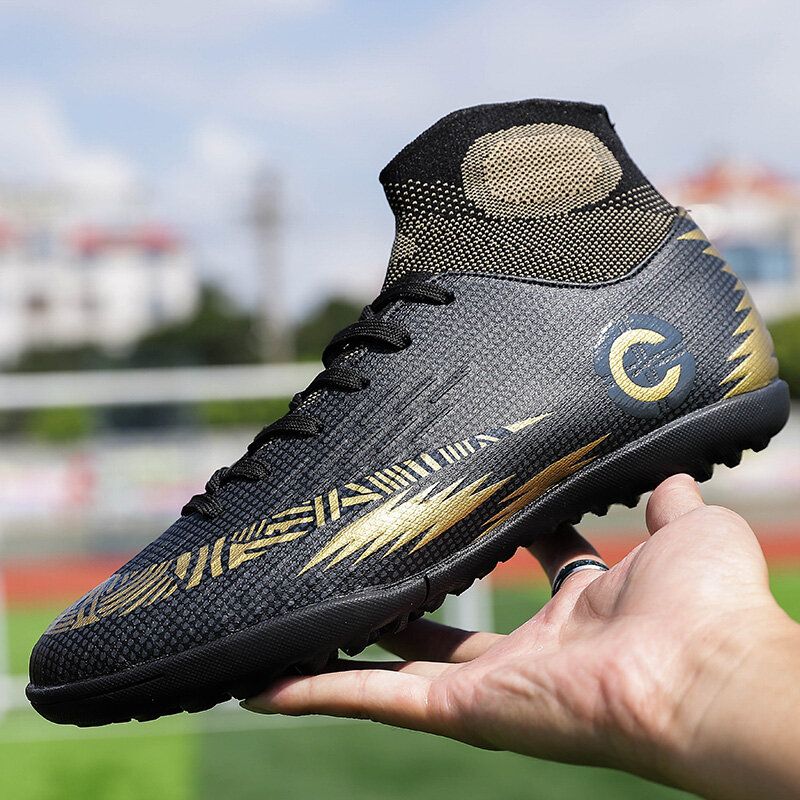
Properly maintaining lacrosse cleats is essential for preserving traction and support over the life of the shoes. With the constant cuts, starts and stops, lacrosse cleats take a beating. Here are some tips for keeping your shoes performing at their best.
Inspect and clean cleats after each use. Use a stiff brush to knock off any caked on mud or turf pellets. This prevents buildup in the traction plate. Wipe the upper with a damp cloth to remove dirt and sweat residue. Stuff shoes with newspaper to absorb moisture and help them retain shape.
Check for loose or damaged studs. If a cleat is cracked or peeling away, remove it so it doesn’t detach on the field. Replace individual damaged studs if possible.
Use after-market insoles for more cushioning and support. As the factory insole compresses over time, replacing it with an aftermarket insole can restore a more responsive, supportive feel underfoot.
Re-apply waterproofing treatments as needed. Spray-on water repellants help prevent water logging that adds weight and causes the upper to overstretch.
With consistent cleat maintenance and care, lacrosse players ensure they get the reliability and performance expected from their footwear. Taking time for cleaning, inspection and replacement parts preserves traction, fit and support – keeping you playing your best on the field.
Understanding Cleat Regulations for Different Leagues
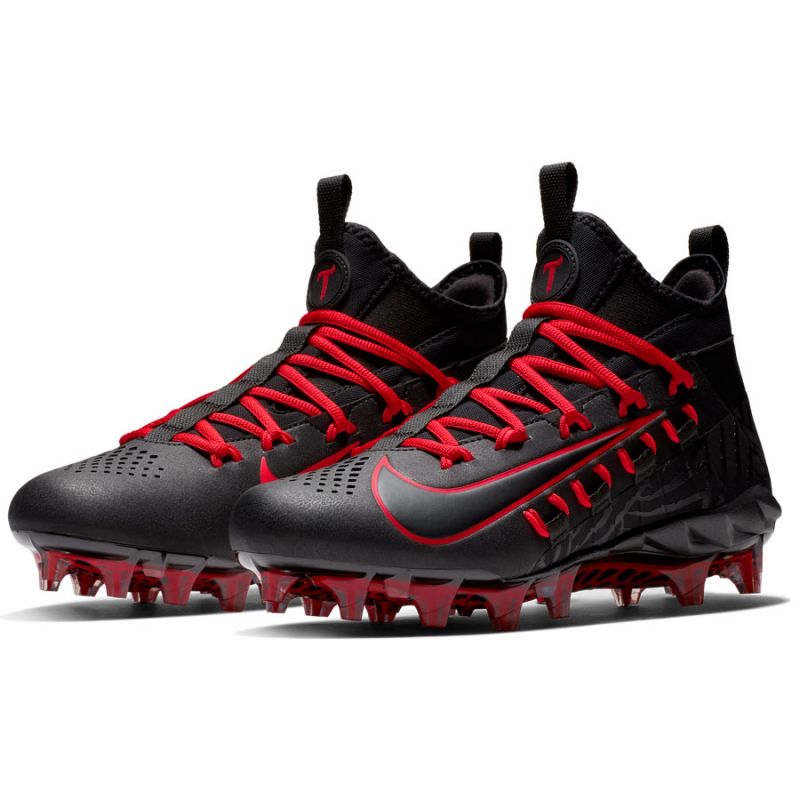
When purchasing lacrosse cleats, it’s important to understand the specific regulations for your league or level of play. High school, college, youth and pro leagues often have slightly different rules regarding cleat type, stud length and allowable features. Reviewing the guidelines ensures your new cleats meet the requirements.
High school lacrosse generally follows NFHS rules stating cleats must be nominally soccer/lacrosse cleats. Football, baseball or hybrid cleats are prohibited. Metal spikes are also banned. Plastic or rubber studs must not exceed 1/2 inch in length if conical or cone-shaped.
NCAA college lacrosse abides by NCAA regulations allowing detachable and screw-in cleats. There are no restrictions on stud type, shape or length. However, inspection for length and sharpness may occur before games.
Youth leagues like US Lacrosse enforce the NFHS high school standards prohibiting metal spikes and football cleats for safety reasons. Stud length is restricted to 1/2 inch. Younger players should use rubber molded cleats.
The Premier Lacrosse League follows NCAA standards but with extra enforcement of 1/4 inch stud minimum and 3/4 inch maximum length. The league can ban specific models deemed unsafe.
Knowing the regulations for your league ensures you choose compliant, high-performing cleats. Checking the fine print prevents any issues getting your shoes approved by officials.
Choosing Detachable or Permanent Cleats
When purchasing lacrosse cleats, one key decision is whether to choose a detachable cleat model or a permanently molded studded option. Detachable cleats allow you to customize studs for field conditions, while permanent versions offer more seamless traction. Here are some factors to consider when deciding between the two styles.
Detachable cleats use studs that can be screwed into threaded sockets on the outsole. This allows lacrosse players to swap stud shapes and lengths for optimal grip. Longer studs for muddy fields or shorter options for firm ground can be interchanged. Damaged studs can be replaced individually too.
Permanent molded cleats have the studs built right into the traction plate outsole. This creates more seamless ground contact and stability since the studs can’t loosen from play. Permanent studs often use more advanced shapes and patterns tailored for lacrosse movement.
Detachable cleats tend to be more popular with high school and college players who deal with varying field conditions. Position is a factor too, with midfielders drawn to the ability to fine tune studs. Permanent molded lacrosse cleats feature more heavily at the elite pro level where traction tech is more advanced.
Consider your needs for stud versatility versus seamless stability when choosing between detachable and permanent cleats. Both deliver excellent traction, support and durability in a lacrosse-engineered package.
Selecting the Right Cleat Plate for Your Style of Play
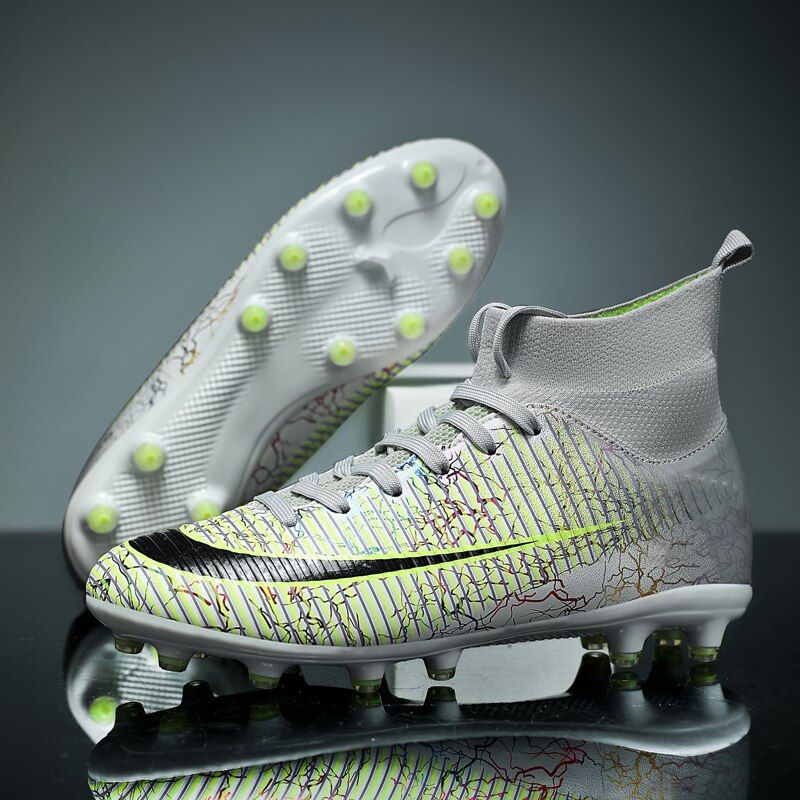
Lacrosse cleat plates are designed with specific stud configurations and traction patterns to match different playing styles and field surfaces. As you shop for new cleats, consider plates optimized for speed, control or durability based on your needs.
Speed-focused plates feature shallow, multi-directional studs that allow for faster acceleration and changes of direction. Nike’s Tri-Star pattern places low-profile conical studs under the forefoot for traction during cuts and jumps. Adidas and Under Armour use similar speed-tuned plates.
Control-oriented plates have more substantial studs focused under the toes and heel for digging in on starts and stops. Pivot points help plant for pivots and lateral moves. New Balance’s grabber cleat plate focuses on traction and control.
Durable plates are ideal for aggressive players constantly battling for ground balls. These have reinforced stud clusters and spikes able to withstand constant abuse. Warrior’s Wartech plate uses a combination of molded and detachable studs built to withstand pounding.
Determine whether straight line speed, change of direction or all-out durability is most important to your game. Consulting with sales associates and player reviews can help narrow down your ideal cleat plate. With the right traction system, your cleats become an asset tailor-made for your lacrosse play.
How Young Lacrosse Players Benefit from Starter Cleats
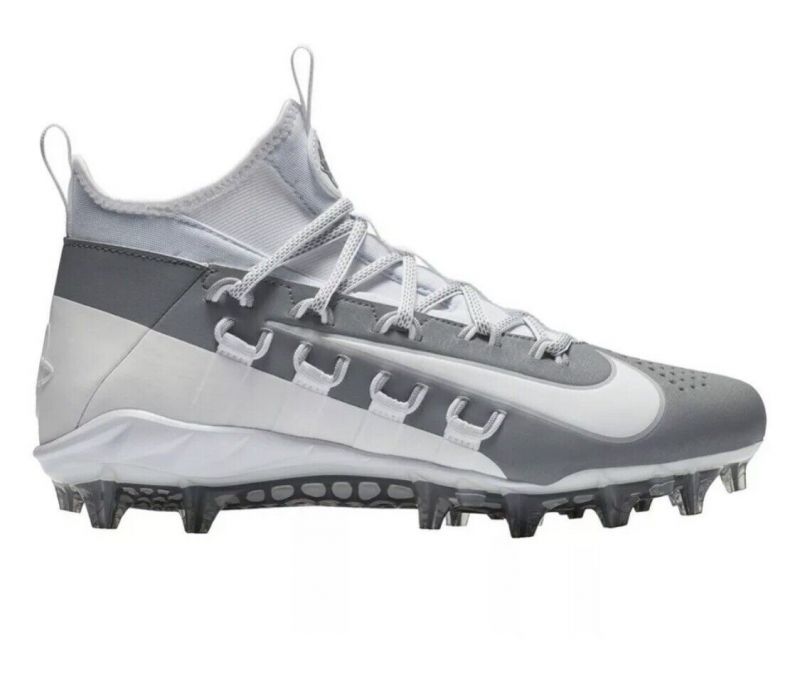
When outfitting young lacrosse players with their first cleats, starter models provide the right blend of protection, traction and value. Before committing to higher-end cleats, beginners should start with an affordable, supportive option. Here’s how young athletes benefit from starter lacrosse cleats.
The flexible synthetic leather or mesh uppers on starter cleats provide durable support without a break-in period. The pliable synthetic molds to the foot for comfort while resisting tears or blows outs. Foam collars cushion the ankle while adding structure.
Starter cleat plates use rugged molded rubber in place of lightweight plastics. The durable rubber offers reliable traction on natural grass or indoor surfaces. Widely spaced conical studs prevent young players from catching a cleat and twisting an ankle.
Many starter lacrosse cleats cost around $45-65, making them very affordable without sacrificing quality. Spending less leaves budget for other gear like sticks, pads and balls.
Once young athletes develop their skills and strength, intermediate and advanced cleats become ideal. But starter models give fledgling players a safe, grippy option perfect for learning the sport. Before moving up, durable starter cleats build confidence without the expensive investment.
When to Replace Your Cleats to Avoid Injuries
Replacing your lacrosse cleats at the right intervals is vital for injury prevention and optimal performance. Extending cleat life too long can compromise traction and support, while replacing them too frequently wastes money. Use these tips to identify when it’s time for new lacrosse shoes.
Inspect cleats regularly for excessive wear on the studs, plate and upper. Flattened or broken traction elements reduce grip needed for cutting and acceleration. Cracks in the plate or sole indicate durability is compromised. Holes, tears or stretched out uppers cause instability and lack of support.
Replace cleats at the first sign of midsole compression. Press down on the shoes – if the cushioning feels packed out rather thanresponsive, your impact protection is fading. The same applies if cleats feel thin and flat underfoot rather than energized.
Consider replacing cleats about every 1-2 seasons in most cases. Athletes playing year-round may need new shoes every season. Aggressive players should err on the side of replacing cleats sooner than average.
Don’t try to push cleats well past their prime just to save money. Worn-out, compromised shoes put you at risk for ankle, knee or other injuries. Prioritize safety and performance when determining replacement timing.
With consistent inspection and logical replacement timing, lacrosse players can safely maximize their shoe investment while maintaining peak traction and support on the field.
Features that Make Some Cleats Better for Defense or Offense

Lacrosse cleat design and features often cater to either offensive or defensive styles of play. Speed-focused cleats suit scorers, while maximum stability benefits defenders. Here are some of the attributes that designate a cleat as better suited for O or D.
Offensive cleats promote acceleration and quick cuts with lightweight, form-fitting uppers that move seamlessly with the foot. Low-profile cushioning and cleat plates put players in touch with the field for responsiveness. Multi-directional traction like Nike’s Tri-Star pattern grips in any direction.
Defensive cleats prioritize stability with wider cleat plates and durable studs that resist impact forces and wear. Stabilizing features like heel counters keep the foot locked in place when jostling for ground balls. Upper materials stand up to abuse and high-wear areas are reinforced.
Midfielders can benefit from a hybrid cleat blending speed elements with increased durability, as they play both offense and defense. Some brands make cleats specifically for this versatile position.
Consider your position and style of play – do you rely more on speed and finesse or physical durability? Let your needs guide you toward offensive or defensive focused cleats that excel in those areas. A cleat tailored for your role better equips you on the field.
Tips for Safely Breaking in New Lacrosse Cleats
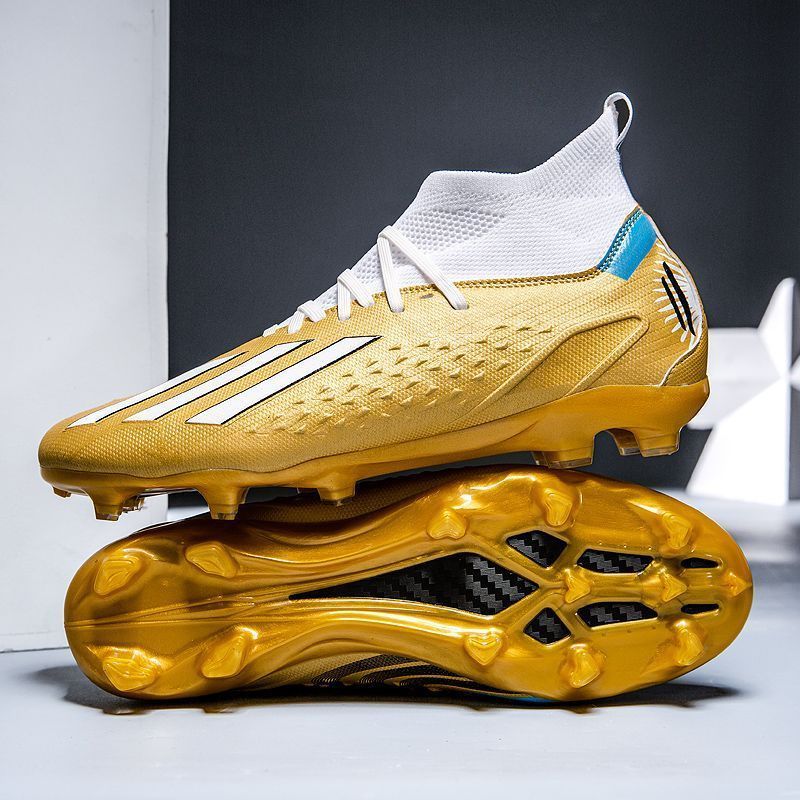
New lacrosse cleats require a careful break-in period to maximize comfort and avoid injury as materials mold to your feet. Rushing into full practices or games with brand new shoes often results in blisters or other foot issues. Use these tips to safely break in your cleats.
Wear new cleats around the house for short, non-athletic periods to begin gently forming the shape of your feet. Start with 30 minutes at a time.
Try new cleats for pre-game warm-ups or light drills first before wearing for full intense practices. This lets you monitor any hot spots or areas of discomfort.
Use thicker socks during the break-in process to prevent any blister-causing friction. Especially focus on high friction zones like the heel counter and tongue.
If any discomfort arises during break-in, proactively pad those areas rather than just powering through pain. Taping or bandages relieve pressure on sensitive spots.
Gradually increase cleat wear time as comfort increases. Don’t rush into all-day tournaments right after buying new shoes. Stick to the graduated break-in schedule.
Take the diligent time needed to properly break in lacrosse cleats. There are no shortcuts to getting that second skin-like fit. Prioritizing gradual wear and targeted cushioning ensures peak comfort, prevents injury and maximizes the cleat lifespan.