Factors to Consider When Choosing Lacrosse Head Width
When selecting a new women’s lacrosse stick, one of the most important factors to consider is the width of the head. This dimension plays a critical role in your performance on the field. As you evaluate different lacrosse head widths, here are some key aspects to keep in mind:
Let’s start with the basics – lacrosse heads typically range from 6 to 12 inches wide. For most female players, a head width from 10-12 inches will be ideal. This larger size increases the head’s “sweet spot”, providing you with more room for error when catching and throwing. Having a wider head is especially beneficial if you are newer to the sport or still developing fundamental stick skills.
At the same time, stick heads on the wider end can be slightly tougher to control overall. Some players may find a narrower 8-10 inch head provides them with more ball handling precision for cradling, scooping ground balls, and performing advanced techniques like quick sticks. But going too narrow can shrink that sweet spot too much!
Your position is another factor. Midfielders often lean towards medium width heads around 10 inches. This gives you versatility to transition from offense to defense. Attack players who spend more time shooting on goal frequently prefer the maximum legal width of 12 inches for superior ball control.
No matter what width you choose, focus on finding a head shape and pocket that complements your playing style too. With the right balance of width and other specs, you’ll have a lacrosse stick
Comparing Pocket Types in Women’s Lacrosse Sticks
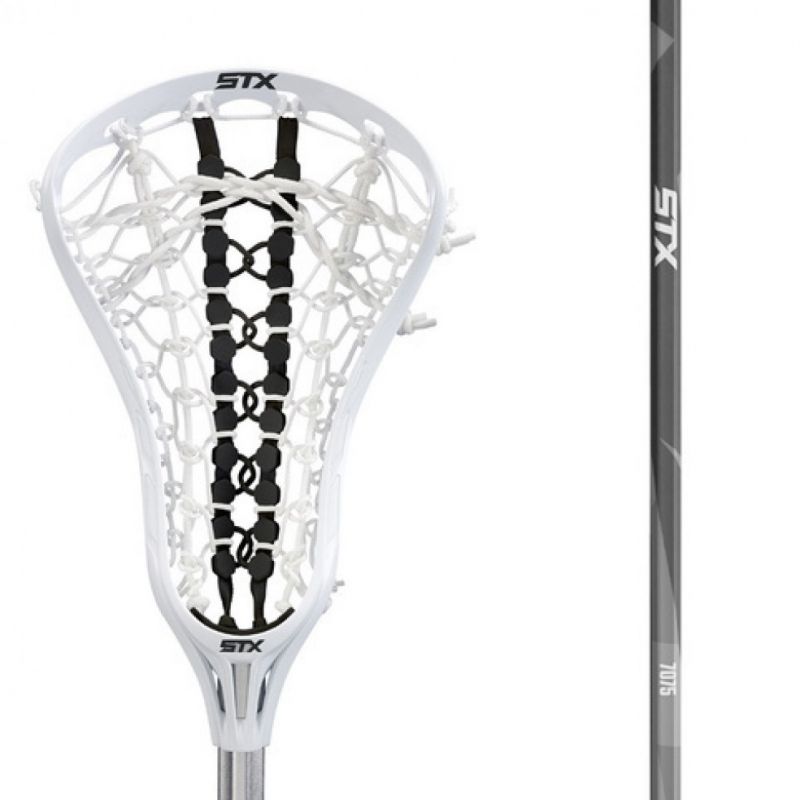
When selecting a new women’s lacrosse stick, the type of pocket is another key factor that can directly impact your performance. There are three main pocket types to consider – traditional, mesh, and hybrid. Understanding the unique benefits of each will help you find your ideal match.
The traditional pocket style utilizes a natural leather, nylon, or synthetic material that is woven through holes in the head to form the pocket shape. Traditional pockets need to be “broken in” over time and offer players excellent feel for cradling and ball control. However, they can lack consistency and be prone to weather changes affecting the stringing.
In contrast, mesh pockets use a woven polyester or nylon netting to create a consistent pre-formed pocket shape. Mesh pockets have uniform ball control and release regardless of weather conditions. They are low maintenance and ready to use right away with no break-in required. The tradeoff is less customization and pocket feel compared to traditional stringing.
Hybrid pockets aim to combine the benefits of both materials. They incorporate mesh into parts of the head like the lower sidewalls while retaining traditional full leather or nylon across the top. This allows for an instantly broken-in pocket with reliable performance, plus great feel for cradling. Hybrids offer a nice compromise but can be pricier than a single-material pocket type.
Think about your preference for ball feel, consistency, and pocket break-in time. For many players, mesh pockets are a top choice thanks to their weather-resistant durability and instant playability. But traditional stringing remains popular for its unmatched control once broken in. And hybrid pockets let you enjoy elements of both. With the right match for your needs, the pocket type can help take your lacrosse stick skills to the next level.
Examining Composite vs Aluminum Lacrosse Head Materials
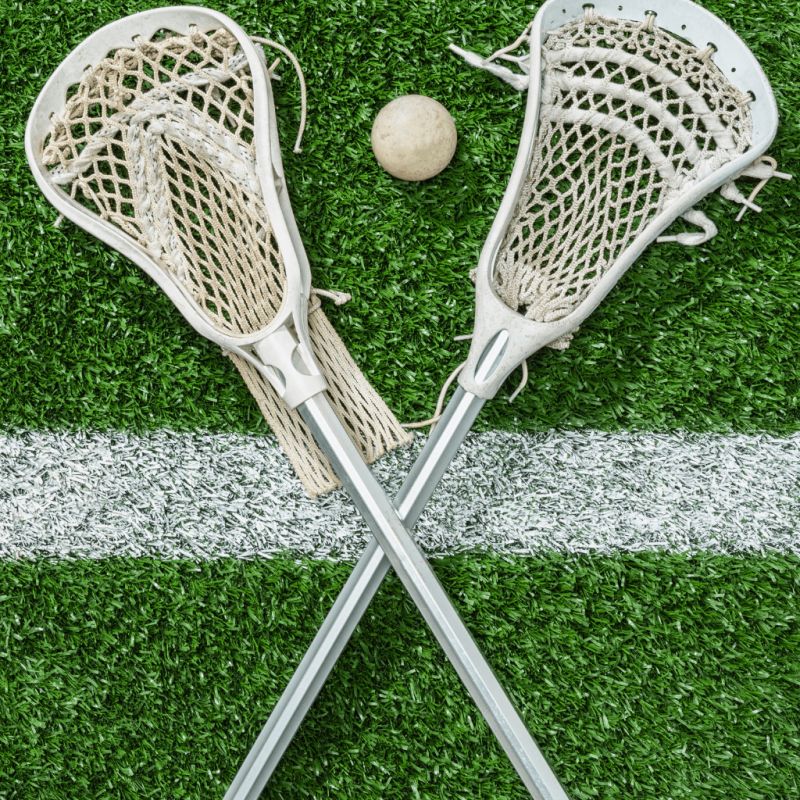
When shopping for a new women’s lacrosse stick, you’ll also need to decide between composite and aluminum materials for the head construction. Each option provides its own performance benefits to consider.
Composite lacrosse heads utilize advanced engineered materials like carbon fiber, plastic polymers, and resins. The result is an incredibly stiff, strong, and lightweight structure. Composite heads are very durable, resisting dents and damage through seasons of play. They also maintain their shape better over time. However, some players feel composite heads transmit less overall “feel” compared to metal.
Aluminum lacrosse heads provide a more traditional feel preferred by many experienced players. Aluminum has a bit more flex and vibration to deliver excellent ball control touch and response through the pocket. It’s easy to achieve precise passing and shooting with an aluminum head. The tradeoff is durability – aluminum is more prone to bending and denting from checks and impacts. It can lose its original shape over time too.
Composite heads offer an advantage for developing players and positions like defense that incur more physical contact. Their stiff durability helps the head hold form. But elite attackers may still favor an aluminum head for the enhanced ball control and finesse it allows during quick stick passes and shots on goal. Goalies too rely on an aluminum head’s feedback for making saves.
Your playing level and position should factor into this choice. Composite provides ruggedness important for high school or college lacrosse. But advanced players may gain an edge by choosing aluminum for its nuanced feel. By weighing these material differences, you can pick the best lacrosse head construction to elevate your game.
How Balance Point Affects Women’s Lacrosse Stick Handling
When selecting a new women’s lacrosse stick, pay close attention to the balance point – this directly impacts the stick’s overall handling and performance. By understanding balance point, you can choose a lacrosse stick optimized for your playing style.
The balance point is the location where the stick levels horizontally when you place it on your fingers. Women’s sticks usually balance around 4-8 inches up from the scoop area. Sticks with a higher balance point feel “head-heavy” since more weight is distributed toward the head. Lower balance points make the stick handle more “shaft-heavy” with weight farther down.
Head-heavy sticks shift the center of mass closer to the head, requiring less effort for quick redirects and fakes. This also generates more power on shots and passes. However, they can be tougher to control overall and lack stick balance, especially for beginning players. Head-heavy balance is popular with experienced midfielders and attackers focused on generating quick shots with power.
Sticks with a lower balance point tend to have better overall control and feel more maneuverable. Newer players benefit from the enhanced stick handling of a shaft-heavy balance point. But shots may lack power since weight is centered down the shaft. Defense players often choose more shaft-heavy sticks for superior poke checks and stick work.
Try holding different lacrosse sticks to experience the balance differences firsthand. Move the stick around to get a feel for control and aim during cradling or shooting motions. While some players prefer more head-heavy sticks as they advance, a lower balance point provides vital control for developing fundamentals. Dialing in the ideal balance point for your level helps optimize handling as you hone your lacrosse skills.
Key Lacrosse Stick Brands to Consider
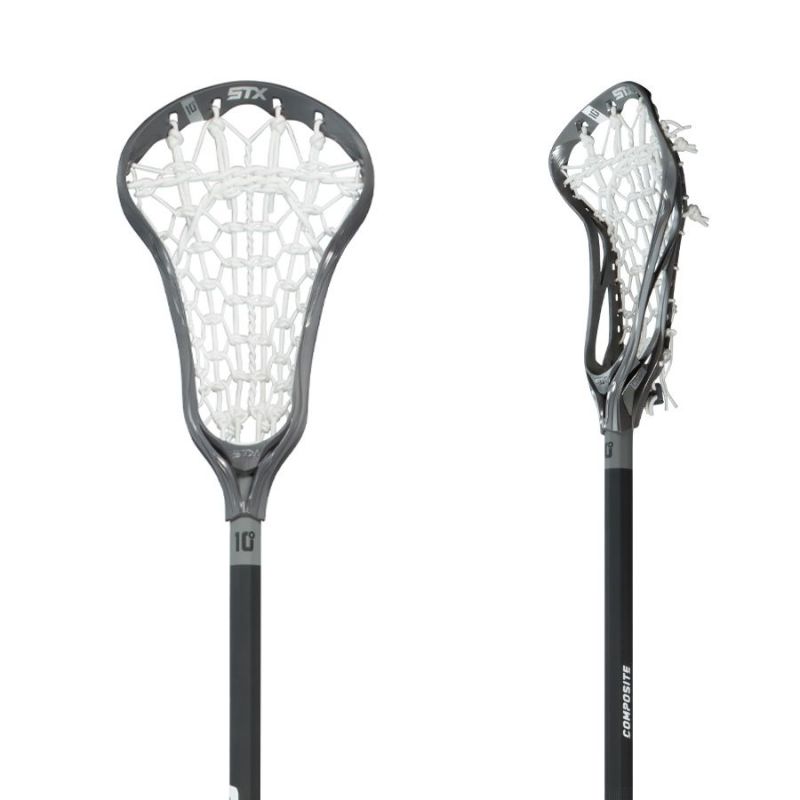
When shopping for a new women’s lacrosse stick, you’ll find trusted options from several top athletic brands known for quality and innovation in lacrosse equipment. Reviewing the key stick manufacturers can help narrow your selection.
Brine is one of the leaders in lacrosse gear, offering a deep lineup of stick options catering to all positions and skill levels. Their sticks feature technologies like the Brine Grid for optimal pocket consistency. Models like the Brine Edge aim to balance affordability with performance. Brine’s higher-end sticks utilize advanced materials in heads like the unique Brine Warp.
STX is another premier brand designing sticks for elite NCAA and professional players. STX lacrosse sticks offer a range of customizable specs to match different player needs. Their line includes innovative sticks like the STX Crux designed specifically for developing female players. STX also produces heads with industry-leading tech like the STX Precision Pocket.
Maverik is quickly growing their reputation for engineering advanced lacrosse sticks. They were one of the first brands to utilize a proprietary composite material called Zyonc in their heads. Maverik sticks are designed for quick, accurate passes and shots. Their Vision line aims to optimize handling and control for midfielders and attackers.
Other companies like Under Armour, Warrior, and East Coast Dyes round out the top lacrosse stick manufacturers. Exploring their stick technologies and model options can help you find the perfect match. Don’t hesitate to demo different sticks from leading brands until you discover the optimal balance of control, feel, and performance to elevate your game.
Reviewing New Lacrosse Stick Technologies
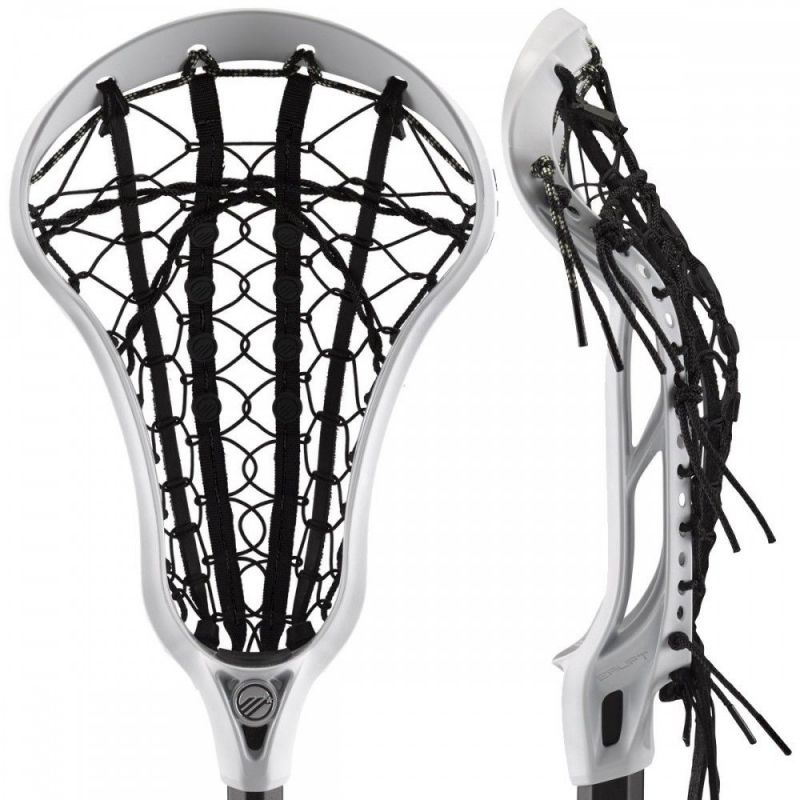
Women’s lacrosse continues to grow rapidly, driving innovation in stick technologies from leading brands. By reviewing some of the newest advancements, you can find a stick with cutting-edge performance.
One of the most exciting technologies is composite lacrosse heads incorporating unique geometries only possible through engineered materials. For example, Maverik’s Zyonc heads use proprietary carbon fiber composites to optimize ball control through groundbreaking head shapes.
Brine also leverages composite materials technology in their innovative Warp head, featuring wavy sidewall geometry allowing customized pocket placement across a deep pocket area. This unique sidewall design provides enhanced feel and control for carrying, passing, and shooting.
Mesh and hybrid pocket technologies are also evolving quickly. Many brands now integrate a memory mesh called ShapeShift that molds perfectly to a head on stinging. It provides the benefits of mesh stringing with a “broken-in” feel instantly. Brands like ECD offer hybrid pockets called Submerge that “pre-shrink” mesh using hot water for reduced stretching and optimized pocket consistency over time.
Some brands focus on improving fundamental technologies like shaft flex and balance points. For example, Maverik’s OptiFlex shafts use strategically placed cutouts to optimize flex without sacrificing durability – improving handling for all play styles. STX implements micro-tapered shafts across their line to shift balance lower, aiding stick control and quickness especially for developing players.
By keeping up with the latest tech innovations, you can find features that best match your abilities. Don’t be afraid to demo new equipment to experience these advancement first-hand. With the ideal stick, you’ll have an immediate performance edge on the field.
Ideal Head Width for Beginning Women’s Lacrosse Players
If you’re new to women’s lacrosse, selecting the right head width is key for optimizing your early development. Understanding head width recommendations for beginners will help you pick the perfect starter stick.
For players just learning the sport, a wider head width from 10-12 inches is ideal. Max width heads up to 12 inches (the maximum legal size) provide a larger sweet spot for developing the hand-eye coordination required for catching, scooping, throwing, and cradling. With a bigger head, there’s more margin for error as you build fundamental stick skills.
Extra width also increases the head’s hold on the ball, helping beginning players carry and control passes until they gain more confidence. With a larger head, you’ll spend less time chasing loose balls and more time controlling play. The added width provides vital forgiveness to reinforce proper technique.
In addition, wider heads generate more power with less effort – important for new players who are still building throwing strength and shooting mechanics. The increased leverage adds velocity on shots, allowing you to be more competitive in games as you learn.
While some youth players are drawn to narrower heads for a quicker feel, don’t make the mistake of going too narrow too soon. Establishing skills with a forgiving wider head will pay dividends. As you gain experience, you can eventually size down if desired for more precision. But maximize your initial progression by selecting a head width between 10-12 inches as you start your lacrosse journey.
Composite Lacrosse Heads – Lightweight Durability
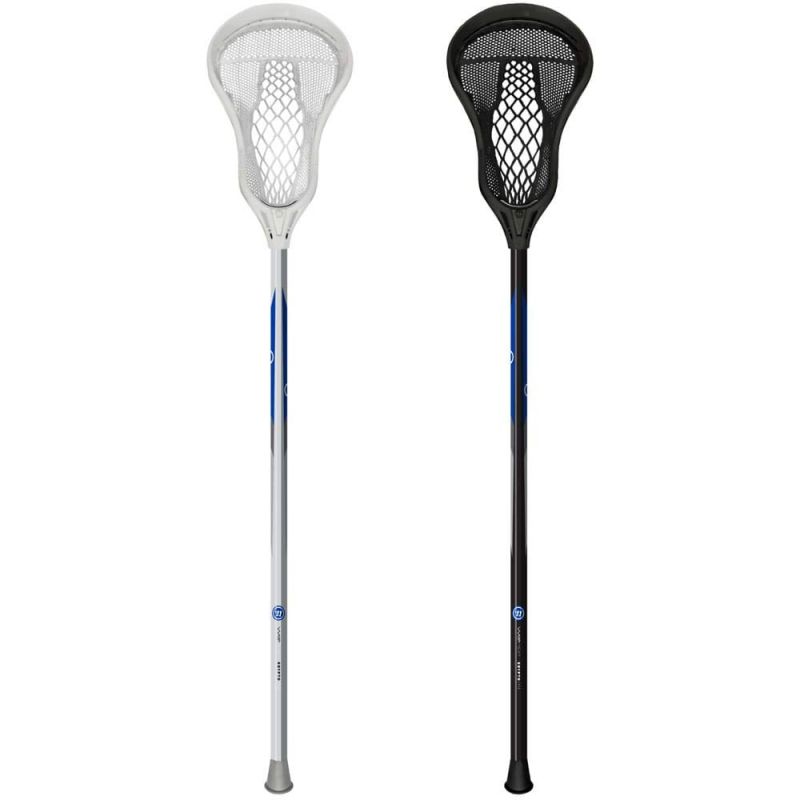
Women’s lacrosse sticks with composite heads provide an excellent blend of lightweight feel and rugged durability. Understanding composite materials helps explain why this head construction is ideal for developing players.
Composite lacrosse heads are constructed using advanced engineered materials like carbon fiber, plastic polymers, and resins. These space-age materials allow precise placement of stiffening elements and structural supports within the head shape.
The result is a head that combines low weight with targeted reinforcement in high stress areas. With carbon fiber or polymers optimally located to add rigidity, composite heads maintain shape and resist bending or denting during checks and ground ball scrums.
Yet composites weigh far less than equivalent aluminum heads, lowering strain on players’ arms during lengthy practices and games. Newer players benefit from this combination of sturdy protection and easy maneuverability when developing fundamentals.
While some advanced players may still prefer the enhanced feel or stiffness of metal heads, composite’s strength and feather-light weight make it ideal for progressing players. The durability also maintains pocket shape over seasons of use. With a composite head, developing players gain confidence knowing it will hold up during those inevitable rookie mistakes.
Thanks to modern engineered materials and molding methods, today’s composite lacrosse heads offer the perfect blend of resilience and usability. Their balanced performance helps accelerates skill growth. Choose composite construction for a sturdy, lightweight lacrosse stick that will support your game season after season.
Finding Your Ideal Lacrosse Stick Balance Point
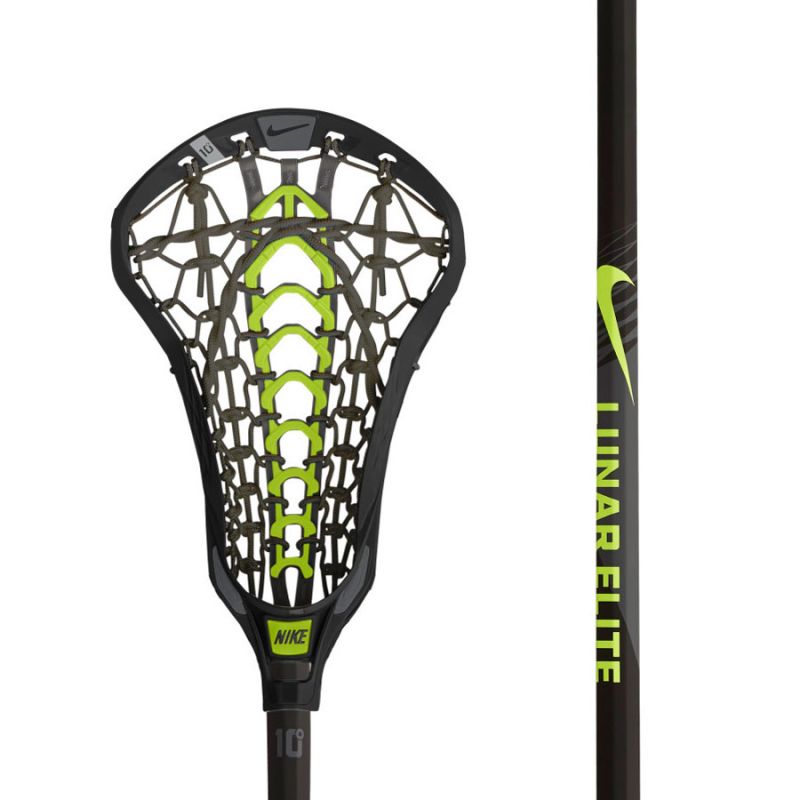
A lacrosse stick’s balance point directly impacts overall feel and control. By testing balance, you can select a women’s lacrosse stick optimized for your abilities and playing style.
Balance point refers to the location on the stick that levels horizontally when placed on your fingers. Women’s sticks typically balance 4-8 inches up from the scoop area. Sticks that balance higher feel more “head-heavy” since weight is concentrated toward the head. This provides added power but can reduce control.
Lower balance points distribute more weight down the shaft for increased maneuverability. While shots may be weaker, stick handling improves – a benefit for newer players still developing skills.
To find your ideal balance point, test sticks by holding them horizontally on two fingers near the throat. Get a feel for how the weight is distributed when moving the stick around. Also pay attention to balance during passing and shooting motions.
If you are new to lacrosse, a lower balance point around 4-6 inches will provide better overall control as you hone fundamentals. Youth and high school players lean toward mid-range balances around 5-7 inches to balance power and handling.
Advanced midfielders often prefer a slightly head-heavy point near 7 inches for added ball control and shot velocity. Defenders may opt for lower balances to enable checking. While personal preference varies, be wary of sticks too far on either balance extreme.
By taking time to assess balance points on different lacrosse sticks, you can identify your ideal fit. The right balance boosts performance by matching your skills and position. Don’t underestimate this vital yet overlooked factor when selecting your next women’s lacrosse stick.