This is What 3D Printing Looks Like for the Leading Lacrosse Company
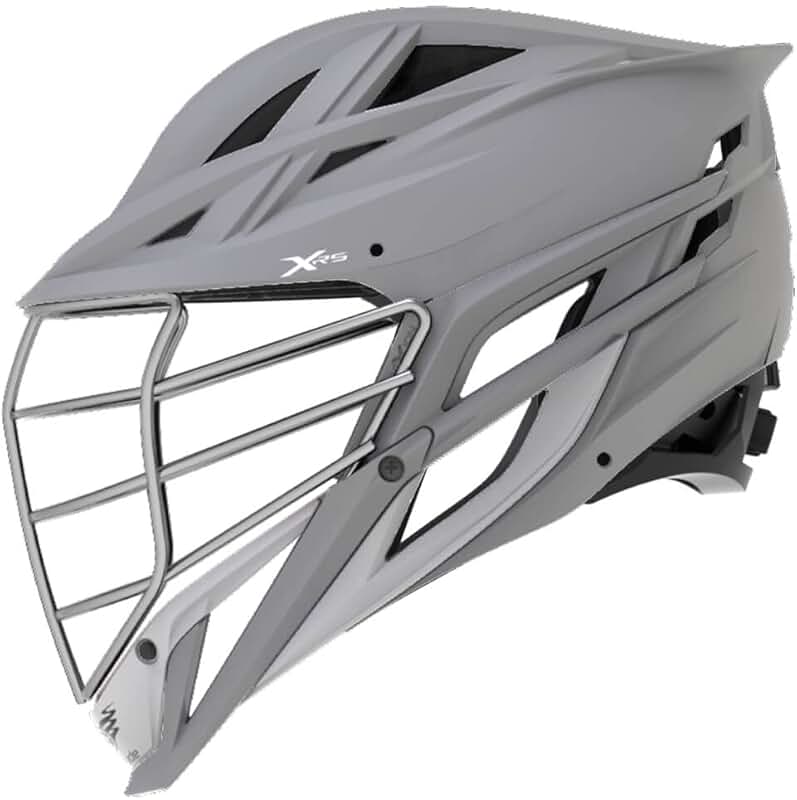
A retail-ready men’s helmet made by Cascade Lacrosse, the world-leading producer of lacrosse helmets. [Full Image]
As the world-leading producer of lacrosse helmets, Cascade Lacrosse uses industrial-grade LulzBot 3D Printers to stay on top and bring new ideas to market quickly. Reliable prototype production techniques have not only improved internal processes, but also enabled Cascade Lacrosse to drive innovation in the industry while producing high-quality products that keep players safe and comfortable.
“The LulzBot 3D Printers brand name kept coming up as an industry leader in quality and customer service when doing research,” Chris Laurita, product developer at Cascade Lacrosse, said. “The ability to print flexible material using its Flexystruder Tool Head made choosing the LulzBot TAZ 3D Printer an easy decision for us.”
Cascade Lacrosse uses two LulzBot TAZ 3D Printers with Cura LulzBot Edition primarily for prototyping flexible parts. Their materials of choice are filaments from the NinjaTek line, such as NinjaFlex, for functionality and durability.
“Any part on our helmet that is flexed or needs some squish to it gets printed on one of our LulzBot TAZ 3D Printers with a Flexystruder Tool Head,” Laurita said.
Adding LulzBot 3D Printers to the prototyping process supports Cascade Lacrosse as they develop new products and stay in the lead. They redefined the category of women’s lacrosse equipment with the introduction of the Cascade LX, and they are using 3D printing to push the category even further.
Their success has also opened the door to collaboration for sister companies Easton Baseball, BAUER Hockey, and Maverik Lacrosse, with Cascade engineers sharing their knowledge across the organization.
In terms of the user experience with LulzBot 3D Printers, Cascade Lacrosse appreciates the readily available technical support and the longevity of the machines.
“The couple times that we have had issues with our LulzBot 3D Printers it has always been easy to get customer support on the line and walk through the issues at hand,” Laurita said. “Our LulzBot 3D Printers have been running almost continuously for the last year.”
The benefit of LulzBot 3D Printers to Cascade Lacrosse’s product development has been tremendous. Ideas are generated faster and within a cost-effective framework. That speed is key with lacrosse being one of the fastest growing sports in the United States.
“Payback-wise, printing functional flexible parts on our LulzBot TAZ 3D Printers has given us the confidence to skip prototype tooling on multiple occasions; this saves us thousands in tooling costs and months on our timelines,” Laurita said. “Design-wise, we cannot put a price on being able to test out concepts that we would need tooling for in the past.”
Faster turnaround times and improved flexibility help the company retain the customer focus that has helped them succeed as a U.S. manufacturer for over 30 years. As Cascade Lacrosse continues to provide superior products, LulzBot 3D Printers remain the choice additive manufacturing solution in their prototyping efforts.
“The flexibility you have with the modular tool heads, the size of the build plate, and the quality of the prints you get make the LulzBot 3D Printer a great value,” Laurita said. “Once we had our first LulzBot 3D Printer in-house, it was easy to justify to our management team getting a second.”
Explore Other Prototyping Applications with LulzBot 3D Printers ➡
The Rapid bus system to shorten 28th Street route, ending stops at some big retailers
CASCADE TOWNSHIP, MI – The Rapid bus system will no longer service about 3 miles of 28th Street, including several big retailers, starting later this summer.
Beginning Aug. 28, The Rapid’s route on East 28th Street near I-96 will terminate at Acquest Avenue, ending direct stops near some retailers like Target, Meijer and Walmart that lay further east.
The route change isn’t a strategic choice by the bus system. Instead, it stems from a breakdown in negotiations between The Rapid and Cascade Township to service the municipality.
Cascade Township Supervisor Grace Lesperance said The Rapid’s current route in the township wasn’t serving the needs of residents and local businesses enough to justify the $218,000 annual cost of the service. The township uses Downtown Development Authority funds to pay the annual bill.
About a year ago, the township hired a consultant to analyze ridership, finding that the “vast majority” of riders utilizing the Cascade Township route weren’t residents, Lesperance said.
“It wasn’t serving the needs of residents, local businesses and riders to justify the cost,” Lesperance said. “The cost greatly outweighed the benefit in its current form.”
The township proposed several alternatives to change the route in Cascade Township in an effort to keep some form of the service but cut costs.
One of those options included terminating the 28th Street route at the Meijer at 5531 28th St. SE. Less than one-third of all Route 29 riders travel beyond Meijer, Lesperance said.
The Rapid rejected all the alternatives, except for a measure that would’ve reduced daily trips and frequency of pick-ups but only saved the township about $18,000, according to the township.
Lesperance said the township then asked The Rapid to provide alternatives that would keep some form of the service but save the township money. The Rapid didn’t respond, she said.
The township’s Downtown Development Authority in June unanimously approved not renewing The Rapid’s contract, which ends Aug. 27.
“The township, through its Downtown Development Authority and transportation committee, offered a variety of alternatives to The Rapid to preserve bus services for residents and businesses — they were all flatly refused,” Lesperance said. “Alternative services for our residents and for workers are available and we will continue to support those providers and to direct our residents and workers to them.”
Lesperance said the township is examining a partnership with rideshare company Lyft that would essentially subsidize Lyft rides taken by residents.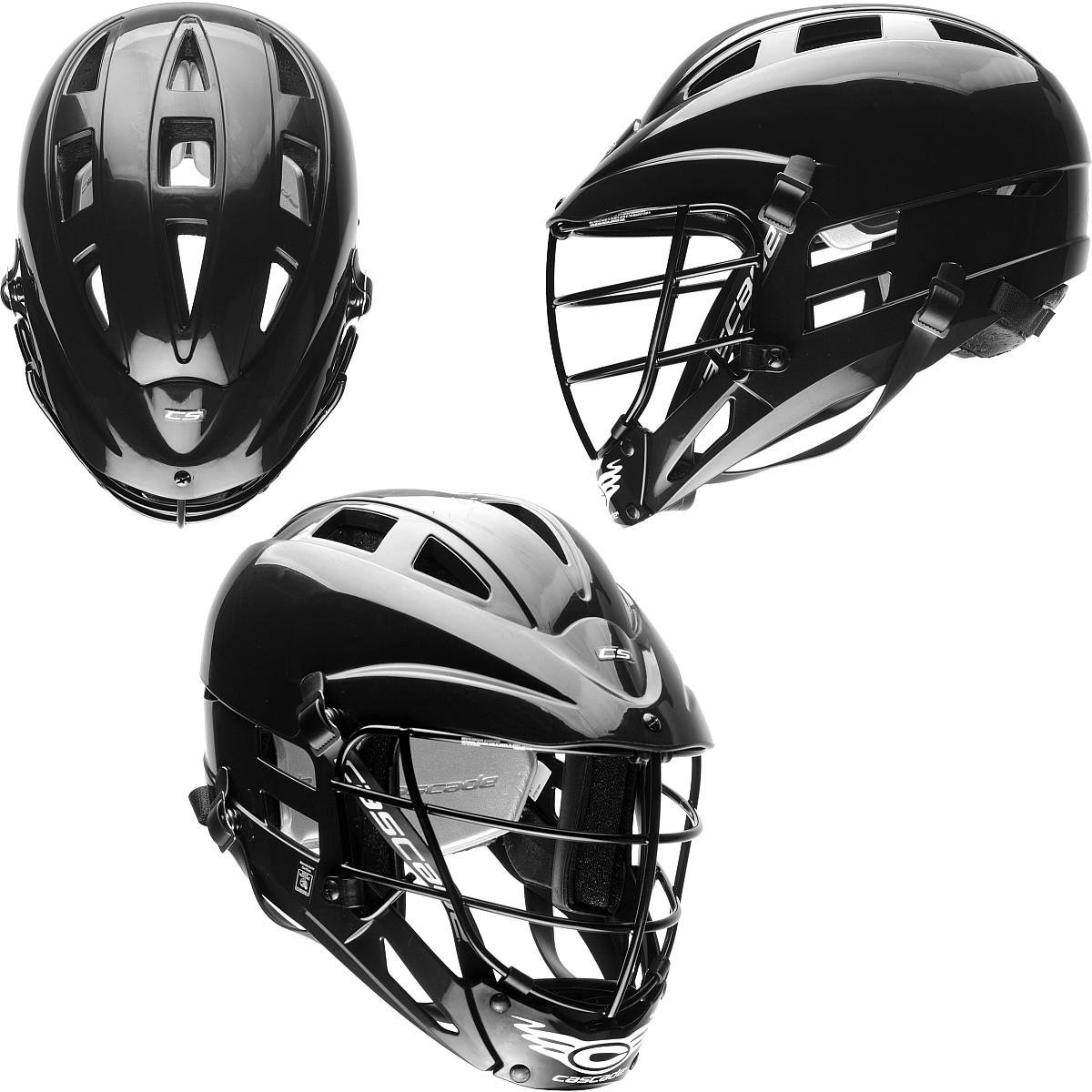
But it’s not just the route in Cascade Township that is ending.
The Rapid also provides at-home pick-ups to people with disabilities or age 65 and older through its GO!Bus program. In June, about 160 passengers in Cascade Township used the service, according to The Rapid officials.
Sabrina Minarik, contract administrator for the Area Agency on Aging of Western Michigan, said many seniors use the GO!Bus service to get to doctor’s appointments, go grocery shopping and more.
The service helps reduce transportation barriers that some seniors who don’t drive face, such as getting to a bus stop or relying on a friend or family member to take them places.
There are some alternatives, however.
Cascade Township already subsidizes rides for residents with at-home pick-ups through Hope Network. Cascade Township residents eligible for rides must be 60 and older or have a disability.
To fill out a registration form for the service, people can call 616-243-0876, email riderequest@hopenetwork. org or go to this link.
Another option is RideLink, which also provides at-home pick-ups and is available for any Kent County resident ages 60 and older. The service is paid for by the county’s senior millage. A $2 fee is requested per trip.
To register for the service, people can go to ridelinkmi.com to fill out a registration form or call 844-694-6589 to have the registration form mailed.
The current route through Cascade Township, called Route 29, begins near the Woodland Mall, where it connects with the main 28th Street route, called Route 28.
From there, it goes east around Shops at Centerpoint and then onto 28th Street, where it eventually loops back west after reaching Cascade Road.
The new route which will effectively take Route 29′s place on 28th Street starting Aug. 28 will terminate at Acquest Avenue, located a little east of Shops at Centerpoint.
During The Rapid’s current fiscal year, Route 29 has seen an average of about 2,600 rides per month, said The Rapid spokesperson Cassi Cooper. She said she didn’t know how many of those riders were Cascade Township residents.
The contract with Cascade Township has been in place since 2016.
Cooper said she wasn’t involved in discussions with the township and so couldn’t comment on why the bus system rejected the township’s proposals and didn’t put forward any of its own.
She said that, without the township’s funding, The Rapid can’t provide stops at those large retailers along 28th Street located in Cascade Township and currently part of Route 29.
“With the way we’re funded, we serve those core six cities and then additional service needs to be funded in order to provide,” Cooper said. “With that elimination and their decision not to renew that contract, we just don’t have the means to serve that area, unfortunately.
“I’m hopeful that the township will decide to do something that can help fill those gaps, otherwise we’ll just be able to provide (riders) with different stores in the area.”
The Rapid provides service to six cities — Grand Rapids, East Grand Rapids, Walker, Kentwood, Grandville, and Wyoming — that contribute property taxes to the bus system.
It requires contracts to serves businesses, municipalities and other organizations outside those cities. With Cascade Township ending its contract, The Rapid’s remaining contracts are with Gaines Township, Grand Valley State University, Ferris State University, and Disability Advocates.
In August 2022, Byron Township ended its contract with The Rapid in a close, 4-3 vote by township leaders.
Related: Rapid bus system makes route changes after Byron Township axes contract
Byron Township Supervisor Donald Tillema, who was in favor of ending the contract, previously told MLive/The Grand Rapids Press that there weren’t enough riders to justify the expense.
Want more Grand Rapids-area news? Bookmark the local Grand Rapids news page or sign up for the free “3@3 Grand Rapids” daily newsletter.
Read more on MLive:
U.S. attorney looks at use of restraint, seclusion at Michigan school district
Kent County gives $75,000 to ArtPrize 2. 0
Request to limit lawn watering in northwest Ottawa County continues
If you purchase a product or register for an account through one of the links on our site, we may receive compensation. By browsing this site, we may share your information with our social media partners in accordance with our Privacy Policy.
What is customer service? | Oracle CIS
Customer Service is the assistance a company offers to its customers before or after purchasing or using the company’s products or services. Customer service includes tasks such as suggesting products, troubleshooting problems, handling complaints, and answering general questions.
Every interaction with a client is an opportunity to grow your business. Great customer service is a competitive advantage that builds brand loyalty and awareness.
Customer Service History
To better understand the importance and changing nature of customer service, it is necessary to recognize the transition from single-channel to multi-channel service as a key aspect of business success.
Prior to the widespread use of the telephone, customer service was mainly done in person or by mail. The invention of the telephone gave companies a new opportunity to stand out from the competition by providing better and faster customer service over the phone.
In the 1960s, the first call centers appeared and became customer service departments. With a dedicated customer service department, companies were able to leverage the latest technology and service strategies, such as providing consistent training for all employees interacting with customers.
In the 1990s and early 2000s, the Internet created a much larger opportunity for customer service—shopping channels. In addition to asking questions, customers could also visit the company’s website, send emails, or interact with the latest technology such as chatbots.
Over the past decade, social media such as Facebook and Twitter have become another channel through which customers can interact with companies. Recently, new technologies such as artificial intelligence and the Internet of Things (IoT) are rapidly expanding customer experience.
Customer service and customer experience – what’s the difference?
Customer service is part of the customer experience (CX), which is a broader term that includes all points of contact between a customer and a company, including sales, marketing, training, customer service, and more.
Companies often measure their customer experience to evaluate emotional, physical, and other interactions with a brand. Customer service, or customer care, plays an important role in the overall customer experience, helping or hurting a company in its efforts to establish a positive relationship with customers.
Learn more about customer experience and why it matters to your business
Business value of customer service
How Razer Delivers Impeccable Service and Enhances the Customer Experience.
The importance of customer service in both B2B and B2C segments cannot be overestimated. Benefits of a positive customer experience
- Build a base of brand advocates. Satisfied customers are loyal customers who come back again and again. Another advantage is that retaining existing customers through quality service is much less expensive than attracting new ones.
- Profit increase. Better customer service can increase sales of products and services, leading to higher profits.
- Increasing brand competitiveness. Some companies stand out from their competitors, even if they offer the same products, due to the highest level of service with a personal touch and taking into account all the wishes of customers.
However, it is not only the business benefits that matter, but also the high costs that poor service entails. Even one bad customer experience, such as slow online service where a customer cannot get a quick and clear answer to their question, or gets the wrong advice, can lead to a loss of loyalty and trust. Such a client may not contact you again, but become a loyal client of your competitor.
And if a customer shares their frustrations on social media, it can cause even more damage to the brand and lead to further losses.
- Video Demonstration: Proactive Personalized Customer Service
- Video: Introducing Oracle Service (1:48)
Keys to Success in Customer Service
To delight your customers, you must exceed their expectations and deliver a superior customer experience. To meet minimum customer expectations, you need the following.
Leverage all customer interactions
Ensure seamless transitions between all points of service: digital channels, contact centers and face-to-face interactions throughout the entire customer cycle.
Offer engagement options
Offer customers a wide range of ways to engage with you—anywhere, anytime.
Deliver a superior experience
Let customer-focused contact center employees exceed customer expectations.
Give personalized answers
Give the only correct answer using a best-in-class knowledge management system or automated personalized advice.
Automate processes and interactions.
Predict, improve and enhance customer experience with automation and data intelligence.
Companies need to offer the latest in service automation and personalization technologies and provide a consistent, holistic experience across all customer touchpoints to deliver consistently high levels of service.
Key Benefits of Cloud-Based Customer Service
Companies that rely on legacy customer service solutions find it increasingly difficult and costly to keep up with growing customer demands for speed of access across a growing number of platforms and channels. That is why many companies have already switched to cloud-based CRM platforms and other cloud-based solutions to serve their customers.
- Integration across all departments and customer devices for easy management.

- Scalable cloud platforms that can grow as fast as the business.
- The latest features and technologies without the need for constant investment.
- Low cost – you only pay for what you use.
- A deeper understanding of the needs, preferences and behaviors of customers allows continuous improvement of the services provided.
- Mobility: Cloud provides mobile access to customer service systems via smartphones and other devices. This is a great way to ensure ease of access.
A particularly important benefit of integrated cloud platforms is the ability to provide feedback throughout the entire customer service process. For example, a company might add an automatic request for feedback (“thumbs up or down”) before, during, or after a purchase. This feedback can then be analyzed to determine the level of customer satisfaction. This opens up new possibilities for quickly identifying problems and improving all aspects of service.
Watch a video to find out why a company moved from a legacy CRM system to a cloud solution (2:00)
The Future of Customer Service
The future of customer service is fast approaching. Companies have new opportunities to stand out from the competition and increase both revenue and customer loyalty.
According to a recent global survey of 465 customer experience leaders by Oracle and ESG, 66% of companies surveyed are using at least one of the following four new technologies to meet changing customer tastes, create a unique, cutting-edge brand, and drive digital transformation.
Artificial Intelligence (AI)
AI is a system that mimics human intelligence, improving itself based on the information it collects. For example, an e-commerce company can use an AI-enabled chatbot to improve the accuracy and efficiency of answering questions from future customers based on past customer interactions. Of the four emerging technologies, AI is expected to have the greatest impact on the future of customer experience, enabling businesses to provide more personalized offerings and more predictable responses to quickly resolve customer issues.
Virtual Reality (VR) and Augmented Reality (AR)
VR is a computer-generated interface, usually transmitted through a headset, that creates an interactive environment. AR is an interactive interface in which computer-generated information is superimposed on the real environment. Both systems allow customers to view and customize products, participate in product demos and trainings, and discover new products and entertainment. VR and AR are expected to help companies solve customer problems and stand out from the competition by offering a better customer experience.
Intelligent voice assistants
Intelligent voice assistants, including automated digital assistants offered on websites, perform tasks or provide services based on verbal commands. They make it easy and convenient for customers to ask questions, and use advanced intelligence to guide customers to the products and offers they need, as well as alert them to changes in order status or account information. Intelligent voice assistants can help businesses resolve customer issues faster while keeping operating costs low and delivering a differentiated customer experience.
Internet of Things (IoT) for customer service
IoT technologies connect online devices to each other. IoT sensors can be built into just about anything — smartphones, wearables, appliances, cars, manufacturing equipment, and more. These connections provide companies with real-time data and insights into customer behavior and preferences. For example, IoT sensors included in products can provide telemetry data that allows companies to continuously monitor the status and performance of a product. If a product becomes ineffective, the company can initiate interaction with the customer before they become aware of the problem. This real-time monitoring of product performance, as well as product quality assurance and the ability of customers to manage their products through a mobile app, are just a few of the customer service benefits that IoT provides.
All of these latest technologies can be used to automate customer service. This helps employees provide more personalized service and solve the most difficult and time-consuming customer problems. A study by Oracle and ESG found that among companies using two or more of the four new technologies listed above:
- 95% maintain or increase their market share;
- 90% meet or exceed customer retention goals;
- 73% meet or exceed customer satisfaction targets.
customer service software CRM
This web page was translated by machine. SAP does not provide any warranty for the correctness or completeness of the machine translation. The original English web page can be found using the world map at the top right of this page.
Connecting service to the value chain to add value to the customer throughout the lifecycle
Customer service is no longer an activity that can be limited to one department: modern service requires you to activate the entire enterprise to meet brand expectations and ensure customer loyalty.
Customer Lifetime Value (CLV) Improvement
- Engage customers as needed to serve them the way you want and the channel you choose
- Connecting to the value chain for collaborative diagnosis and problem solving
- Increase profitability by protecting the brand and reducing customer service costs
Service experience that delivers
Get insights to solve customer-related problems
View on demand
SAP customer service solutions
Agile intelligent customer service protects your brand and strengthens loyalty.
Enlarge
Our customer service solutions help you meet customer expectations now and in the future with:
- Modern desktop for a great agent experience
- Cross-department case management for quick problem resolution
- Smart Technologies to Automate and Accelerate Service
- Business Process Integration for Speed and Efficiency
- Agile, scalable and composite processes for flexibility
SAP Service Cloud gives our service agents the knowledge they need to efficiently and quickly respond to requests from fleet managers. This helps us meet our SLA commitments and improve customer satisfaction.
Monika Szabo, EMEA Service Manager, Goodyear
Improving customer service and profitability
Customer expectations are rising. Solve problems and increase speed, efficiency and effectiveness.
Improving Customer Lifetime Value
SAP Service Cloud solutions bring multiple departments together to resolve issues quickly and professionally, helping to improve customer satisfaction and lifetime value.
Improve Service Speed and Efficiency
Proactive customer service is increasingly dependent on smart technologies. SAP Service Cloud solutions allow you to automate processes and reduce the amount of routine tasks using the Internet of Things and machine learning.
Increasing the efficiency of agents
Service agents require better experience. SAP Service Cloud solutions help you create a modern, user-friendly workspace that empowers service professionals with the data and tools they need to succeed.
Customer achievements using
SAP Service Cloud
Delivering a great customer experience around the world
Find out how the hydraulics company Bosch Rexroth maintains relationships with customers around the world.
Watch video
Improving direct and indirect interactions
Learn how Rheem improves the customer experience by using a single source of trust for customer interactions.
Read customer history
Increasing customer loyalty
Learn how Moen has improved the customer experience by automating processes and enabling agents to provide better responses.
Read customer history
Get a comprehensive view of your customers
Learn how manufacturer Balluff created a centralized service management system that provides traceability from opportunity to offer.
Read customer history
Analysts say SAP Service Cloud
Next generation customer experience
Learn how companies are aligning service strategy with technology to improve service efficiency and meet high customer expectations.
Aligning customer service with B2B business goals
Explore the challenges facing service leaders today and learn about the critical opportunities needed to transform customer service.
Creating a Roadmap for Customer Service
Learn how utilities and utilities companies can create a roadmap for exemplary customer service with a step-by-step “how-to” guide.
Frequently Asked Questions
Intelligent Customer Service uses data, processes and experiences both inside and outside the customer to improve customer service efficiency, reduce decision time and improve customer satisfaction. Intelligent Customer Service also uses intelligent technologies such as artificial intelligence, machine learning and the Internet of Things to automate and accelerate service processes and support service professionals.
Customers typically contact the organization’s customer service department to resolve a problem with a product or service. The agent often has to interact with the responsible business unit, whether it be sales, manufacturing, finance, engineering, or another function. To solve customer problems in a timely manner, you need to connect customer service to these functions. Connecting customer service with the rest of the organization reduces problem resolution time, improves productivity, and increases customer satisfaction.
The new intelligent SAP Service Cloud revolutionizes the customer experience by enabling thoughtful interactions throughout the customer lifecycle. With a focus on speed, analytics, and accuracy, SAP Service Cloud helps you solve customer problems at unrivaled speed, protecting brand prospects and driving future growth.
SAP Service Cloud integrates with SAP Commerce Cloud so you can keep your shoppers online with a fast and personalized omnichannel customer experience. With the growth of e-commerce around the world, it is important that customers get the support they need.