Mobility Exercises For The Lacrosse Face-Off Athlete » Evolution
by Brian Wolfe, DPT, OCS
>> Telehealth Details
>> Request an Appointment
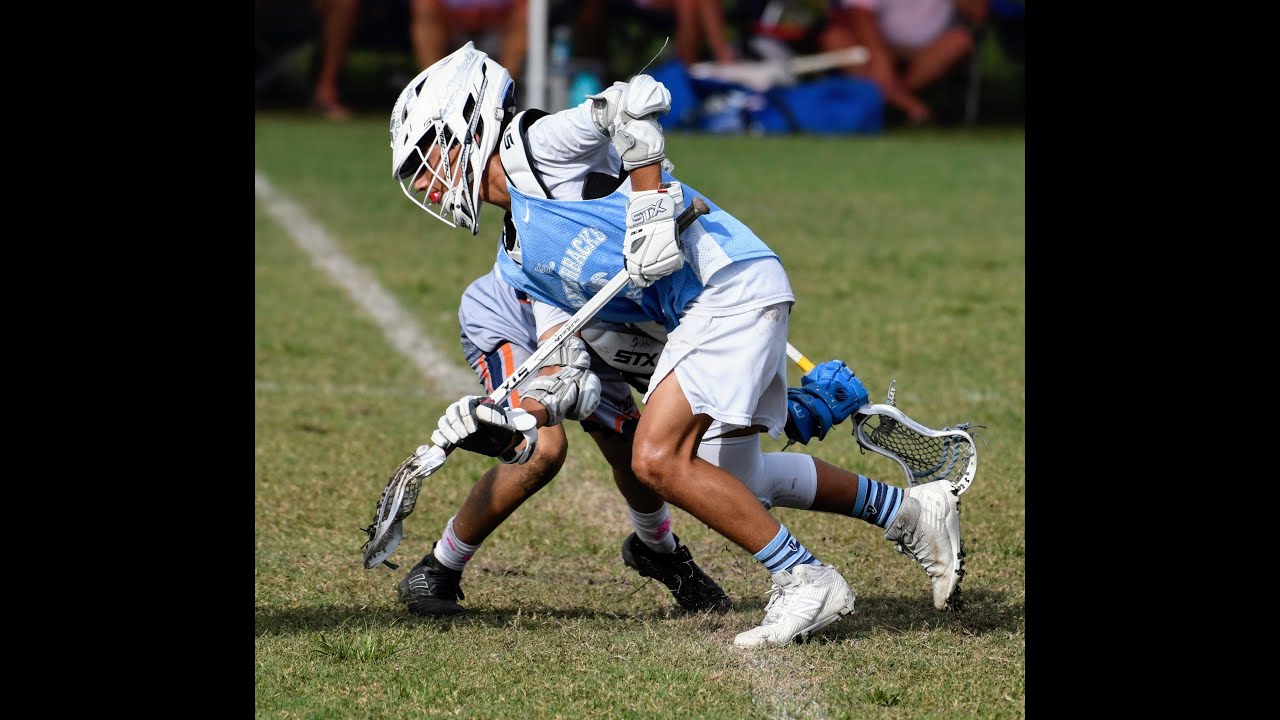
I put together a mobility program for the FaceOff Academy that’s geared towards improving mobility for the face-off position in lacrosse. If you play lacrosse and are planning on taking more face-offs, this program is essential for injury prevention and performance. Here are the program’s exercises described step by step, as well as a video below for the entire routine.
In Step w/ Spine Rotation (2 reps x each side)
Get into a deep lunge position with both arms inside the forward facing leg. Move towards the floor until you feel a stretch in the top of the hamstrings, then reach the arm straight up so you are facing toward the front leg to add a stretch for your spine.
90/90 Hips w/ Sitting Bear Mobility Flow (2 reps x each side)
Sit on the floor with both hips in a 90 degree angle (reference video. ) Begin to stretch toward the forward facing hip and then move toward the back hip. Use an active contraction for the back hip into internal rotation and then external rotation. Pivot off of the big toe to move smoothly into the sitting bear position. In this position, work your hips towards the floor to feel a stretch in both inner thighs. Transition to the opposite leg and repeat this stretch.
Open Books (10 reps x each side)
Laying on the floor on your side with knees bent and both of your arms fully extended in front of you, raise and open your top arm toward the ceiling and to the other side of your body on the floor so your chest is now facing the ceiling and your arms are fully spread apart to either side. Hold briefly and return your arms to the starting position.
3-Way Prayer Stretch (2 reps x each side)
Sitting on your heels, reach both of your arms fully overhead on the floor until you can feel a stretch in your shoulders and back. Reach your right arm as far to the side overhead as possible and place your left hand on top of right to feel the stretch on your left side. Repeat on the left side to feel the stretch on your right.
Prayer Stretch Reach Through (2 reps x each side)
Sitting on your heels on the floor while reaching your arms overhead as far as possible, reach your right arm underneath your left arm to rotate and stretch your spine.
Quadruped Adductor Stretch and Rock (2 reps x each side)
On your hands and knees, extend your right leg out fully to the side until you feel a stretch in your inner thigh. Then, begin to rock back and forth to intensify the stretch in the inner thigh.
Side Lunge into Hip Internal Rotation and Hamstring Stretch (2 reps x each side)
From the standing position, perform a side lunge while maintaining mid foot and heel contact with the floor. First, turn the toes on the outstretched leg towards the ceiling to feel a stretch in the hamstrings and adductors. Then, transition toward the floor with the lunging leg moving into hip internal rotation (reference video.) Now, stretch the back leg into hip internal rotation and the outstretched leg for a great hamstring stretch.
If you have any questions, please comment below or schedule a Telehealth appointment. We’re currently offering our East Coast community a FREE 30 minute Telehealth consultation where you can ask questions about virtual physical therapy and we can review this entire mobility program together. This is a limited-time offer, so take advantage of it while you can!
What School Has Produced the Best Lacrosse Faceoff Specialists?
Welcome to something special: Position U. In this six-part series, your favorite college lacrosse lover, Ryan Conwell, will break down the NCAA DI men’s programs that can consider themselves the best at producing a given position in recent history.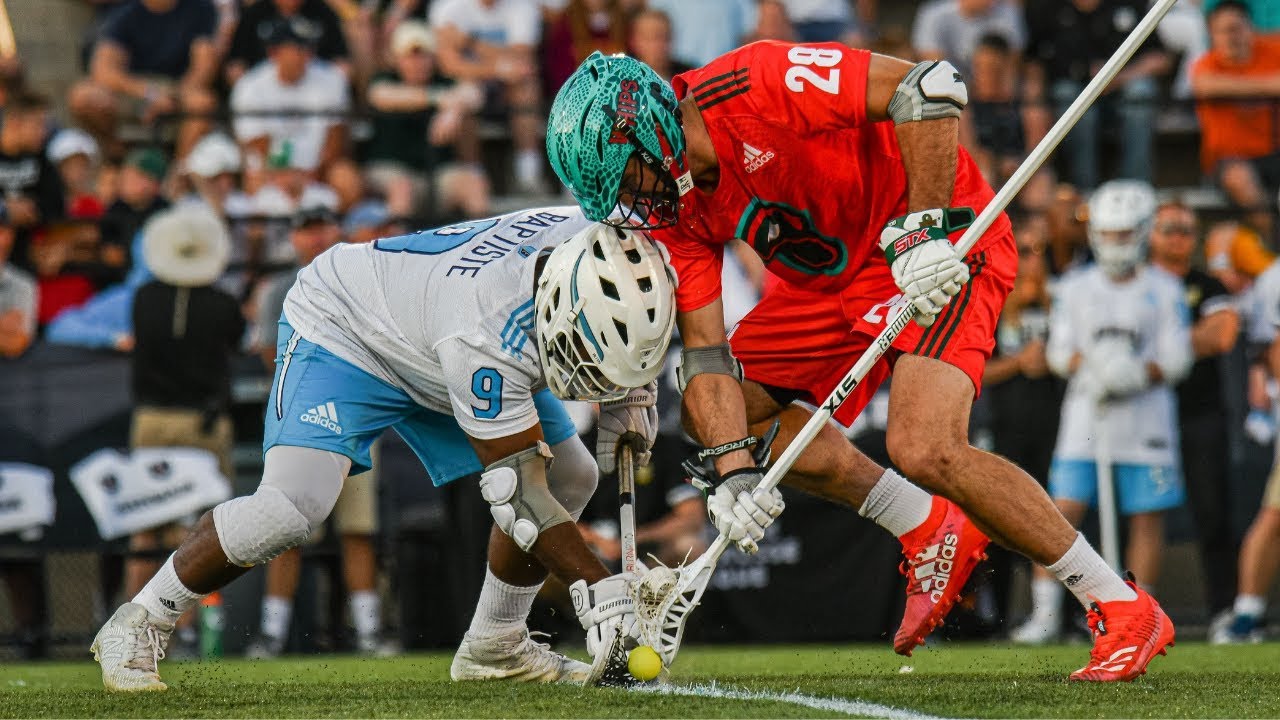 First, let’s get into who produces the best lacrosse faceoff specialists, a.k.a. Faceoff U.
When trying to determine which schools have a reputation for producing the best players at a certain position, there are a number of factors that need to be considered. It’s easy enough to just create a list off the top of your head, but in an effort to try and be as objective as possible, I of course lean on my old friend: math! I needed to find a way to consistently note which players could be considered better than others while also doing so in a manner which could be calculated in some way.
The result was making a formula that took into account All-America votes (via USILA), postseason awards, and also success at the pro level. For that last piece, I considered draft picks and rounds, but depending on the year, too many players get drafted and never play, or play a limited amount of time. So instead, I looked at All-Star rosters across the PLL and MLL to give an additional nudge.
The next question was how far back to look. Since we’re dealing with college, going beyond four years was a given. One great recruiting class does not mean your school is all of a sudden the best at producing defenders. We need a long enough trend to make a real pattern emerge. So, I went to 10 years, but the year 2020 kind of stuck out. Because, well, *you know why.* To make up for 2020’s lack of postseason awards and All-Star Games, I added 2011 to the mix as well. More is better, right?
The benefit of going all the way back to 2011 for Pro All-Star Games is it gave some of those wily vets a chance to impact the rankings of their schools as well. That way, there’s a small nod to the true history of a program in addition to the heavily weighted recent past. So mashing all these numbers together produced a list of the top programs to produce players at each position.
Admittedly, the faceoff position complicated this all quite a bit given the small sample size, but the best schools still rose to the top. So, we’ll now take a look at which lacrosse program has produced the best faceoff specialists and gets to lay a claim as recent history’s “Faceoff U.”
Faceoff U: Who Has Produced the Best Lacrosse Faceoff Specialists?
3: Duke & Yale
We have a tie!
What’s interesting about these two is they really are very similar in how all the numbers broke down. Where they were different was Duke getting some more credit for Brendan Fowler’s pro career, but Yale had more First Team All-American nods with TD Ierlan. After that, they were close to the same. Yale got a boost from Conor Mackie and Dylan Levings, while Duke had Kyle Rowe and Jake Naso.
2: Penn State
The Nittany Lions rose all the way up to the No. 2 spot solely because of two names: Gerard Arceri and Greg Gurenlian, with Arceri piling up the college accolades and Gurenlian amassing pro points.
Penn State doesn’t have much of a lead over the two teams in third, but combining Gurenlian’s year after year dominance at the pro level with Arceri’s two All-American years was enough to give the credit to State College.
1: Denver
Did Denver get to the No. 1 spot because of Trevor Baptiste? Largely. But Baptiste alone isn’t what really did it.
What really made Baptiste’s impact felt on these rankings was how many times he was a First Team All-American (four, more than any other school combined), but also that he also was a two-time Midfielder of the Year.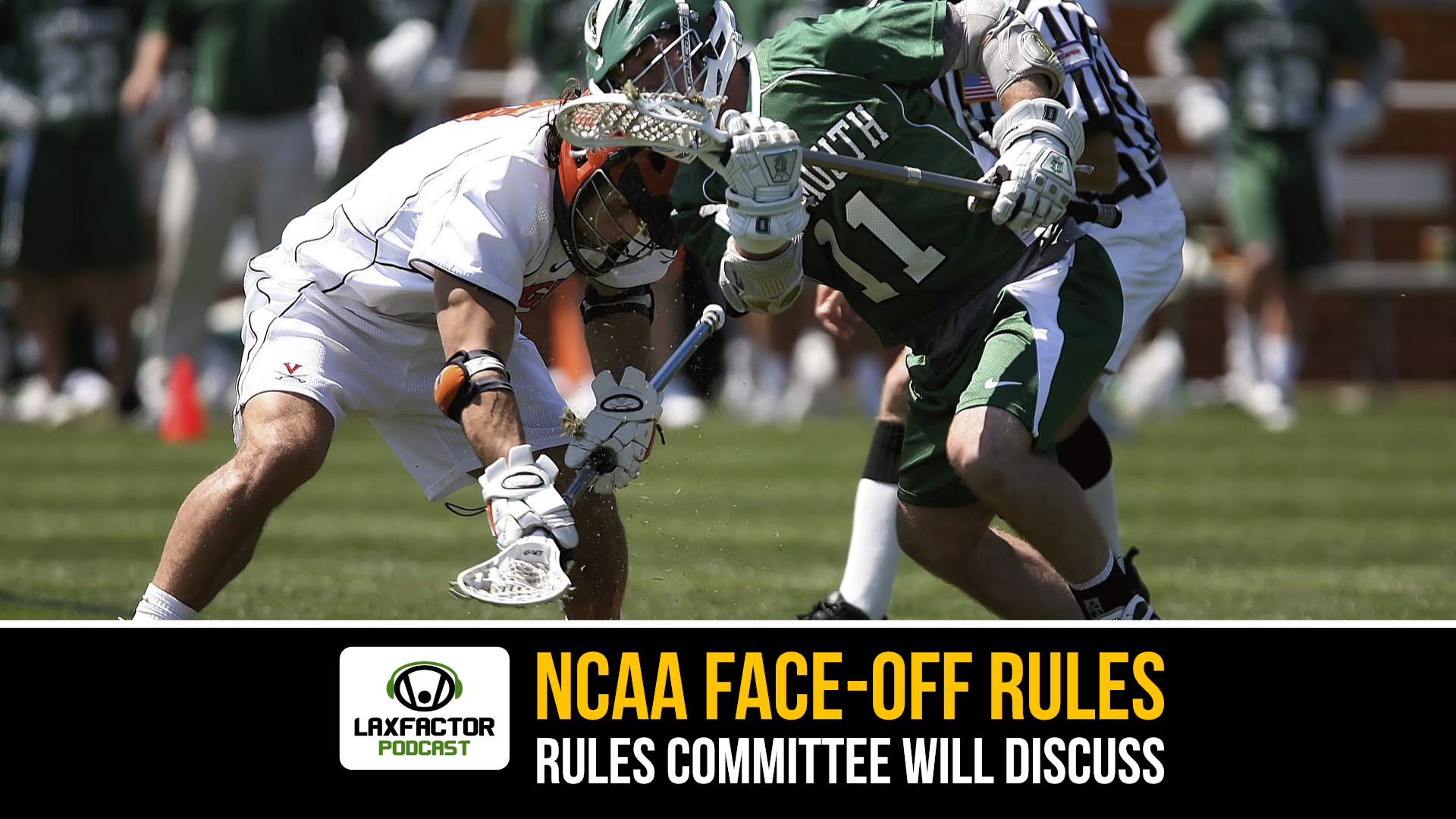 After that college career, his pro accolades have also piled up.
But what also helped Denver? The late transfer of TD Ierlan bumped its ranking, a bit as well as going way back to still get some pro credit from Geoff Snider. But also, back in 2012, Chase Carraro brought in a Second Team All-American nod.
Honorable Mentions
Didn’t see who you through you would up there? Here’s how the next bunch finished in our Faceoff U standings, in order:
4: North Carolina
5: Rutgers & Bryant
6: Ohio State
7: Johns Hopkins
8: Syracuse & Towson
9: Penn, Albany, Virginia, Hartford, & Maryland
10: Brown
Position U Series
You can find the rest of the Position U series here, which will include Attack U, Defense U, Faceoff U, Midfielder U, LSM U, and Goalie U, with a new one coming each week into early November.