What It Is and How to Improve It
By Jenessa Connor
“Lateral quickness” sounds like a skill that’s exclusive to professional athletes like Lebron James or Bobby Wagner. Most of us mere mortals are just trying to balance a healthy mix of cardio, strength training, and mobility work. Who has the time for specialized training?
But, athlete or not, lateral quickness is relevant to your ability to move efficiently, and it’s not all that difficult or time-consuming to incorporate lateral quickness exercises into your current routine.
Plus, isn’t it kind of fun to work out like a pro?
Get the most out of your training with extra energy, endurance, and strength from LADDER Pre-Workout.
.
What Is Lateral Quickness?
Lateral quickness is the ability to move your body from side to side quickly. It’s less about speed — accelerating in one direction — and more about being able to move left to right and rapidly change directions while maintaining balance and control of your body.
.
Why Is Lateral Quickness Important?
Depending on the sport, lateral quickness can mean the difference between a win or a loss. “Many sports require athletes to change direction quickly in a side-to-side manner. This could be a shortstop fielding a ground ball hit up the middle, a running back avoiding a linebacker who is trying to make a tackle, or a tennis player moving to the opposite sideline to return a shot,” explains Dr. Jordan Duncan, DC, owner of Silverdale Sport & Spine in Silverdale, Washington.
Beyond the court or playing field, lateral quickness can also have an impact on how you move in your everyday life. “You don’t have to play a sport. Avoiding someone on a sidewalk, navigating a busy concourse at the airport — we need to be able to have that ability to step to the side to get out of the way,” says Pete McCall, C.S.C.S., master trainer and host of the All About Fitness podcast.
Yet, side-to-side movement is often absent from a typical fitness routine. Common physical activities like running, cycling, rowing, and even biceps curls all occur along the sagittal plane and move the body in a forward and backward motion. This training deficit can make us vulnerable, explains Duncan.
“We are often injured in areas where we lack strength, coordination, and mobility,” he says. “Many of us are able to walk and run pretty well but struggle when moving side-to-side. Training with movements in the lateral plane, even progressing to quick movements, can be beneficial for muscle and joint health, as well as overall conditioning.”
.
5 Exercises to Improve Lateral Quickness
To improve lateral quickness, you must train in a side-to-side movement pattern. Both Duncan and McCall recommend a combination of speed drills and plyometric training.
“By doing this, you will strengthen type II (fast-twitch) muscle fibers and enhance the efficiency of the nervous system,” Duncan says. “This will lead to better speed and force of lower extremity muscle contraction, resulting in improved lateral quickness. “
“
Lateral quickness isn’t the only benefit to doing these movements. Incorporating speed drills into your routine is an excellent way to shake up your cardio workouts, and exercises like skater jumps and banded lateral walks will strengthen the muscles of the glutes, hips, and legs.
1. Lateral Shuffle
- Set up a pair of cones 5 to 10 yards apart. Alternatively, pick fixed markers, like telephone poles or lamp posts.
- Stand next to a cone with your feet hip-width apart with your elbows bent and hands in front of your chest.
- Keeping your back flat and abs engaged, bend your knees, push your hips back, and lower your body into a quarter-squat.
- Keeping your chest lifted, quickly step your right foot to the right, push off with the left foot, and then return to your original stance (feet hip-width apart). Repeat the movement, shuffling to the right until you reach the other cone.
- Immediately reverse the movement and shuffle back to the first cone.

2. Lateral Band Walk
- Loop a small resistance band around your legs just above both ankles and stand with your feet about shoulder-width apart, creating tension on the band.
- Keeping your back flat and abs engaged, bend your knees, push your hips back, and lower your body into a quarter-squat, shifting your weight toward your heels.
- Maintain the squat and tension on the band as you step your right foot to the right, followed by the left foot.
- Continue to sidestep to the right for the specified number of steps, then reverse the movement and return to the starting position.
3. Side Jump Over Mini Hurdle
- With your feet together, stand next to a mini hurdle or an object of similar size.
- Jump sideways over the hurdle, then immediately jump back to the starting position.
- Continue to jump back and forth over the hurdle, spending as little time on the ground as possible.
4. Skater Jump
- From a standing position, shift your weight onto your left leg, bending your left knee to lower your hips a few inches while raising your right foot off the ground.
- Bound to your right by pushing off with your left leg.
- Land softly on your right leg, allowing your left leg to cross behind you and your arms to swing across your body in the same direction.
- Pause, and then repeat the movement, this time pushing off with your right leg and landing on your left leg.
- Continue jumping back and forth.

5. Jumping Rope, Skier Variation
- Hold the rope with your elbows bent, palms facing up, and wrists roughly at waist height. Your wrists should be a few inches away from the sides of your body.
- Start with the rope behind your heels, and spin the rope up and over your head. (Once you’ve built up momentum, you should be able to continue spinning the rope by moving your wrists with minimal elbow and shoulder movement.
- Keep a slight bend in your knees, stay on your toes, and jump a couple of inches off the ground and to the right. On the next swing, jump to the left. Continue alternating sides with each jump.
Improve Lateral Speed and Quickness
/ Multi-Directional Speed, Speed Training / By
leetaft
Below are 5 simple but effective tips that will greatly improve lateral speed and quickness.
Tip #1 Improve your overall functional strength using functional exercises.
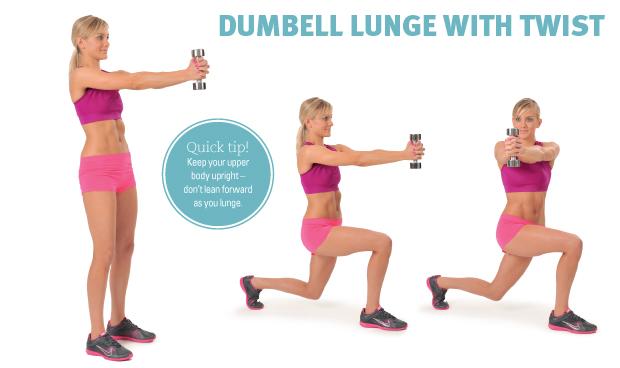
Increasing leg strength will allow the muscles to apply more force into the ground. Improving functional strength which implies movement patterns that are used throughout sports, activities, and daily living will require support from the important stabilizer muscles. To improve stabilizer muscles the exercises must involve non-supportive or balance-oriented exercises. An example of an exercise that virtually requires no stabilization therefore little nervous system activation is the leg press. The leg press requires two things; Sit and Press. On the other hand, a great functional exercise to increase leg strength that requires a multitude of stabilizer functions and therefore tremendous nervous system activation would be a side lunge. Now, not only does the leg press miss the role of functionality and stabilization it doesn’t allow the legs to apply force laterally to increase lateral speed. The side lunge with all its stabilizers and functional resemblance to the lateral shuffle in athletics is a perfect fit to improve lateral speed.
Tip #2 Improve the rate at which the force is applied to the ground to move the body.
Now that we have created a more stable body with stabilizing exercises and we have increased the leg strength to apply more force, we now need to apply this force quicker. This is when we call on popular plyometric exercises. Plyometrics, in short, increase the rate at which the nervous system sends a signal to the muscle fibers and gets the muscles to contract faster. There are other forms of explosive training such as Olympic weightlifting which will also increase the rate of muscle firing. Plyometrics can be easy to teach and safe if used in the proper manner according to age and ability.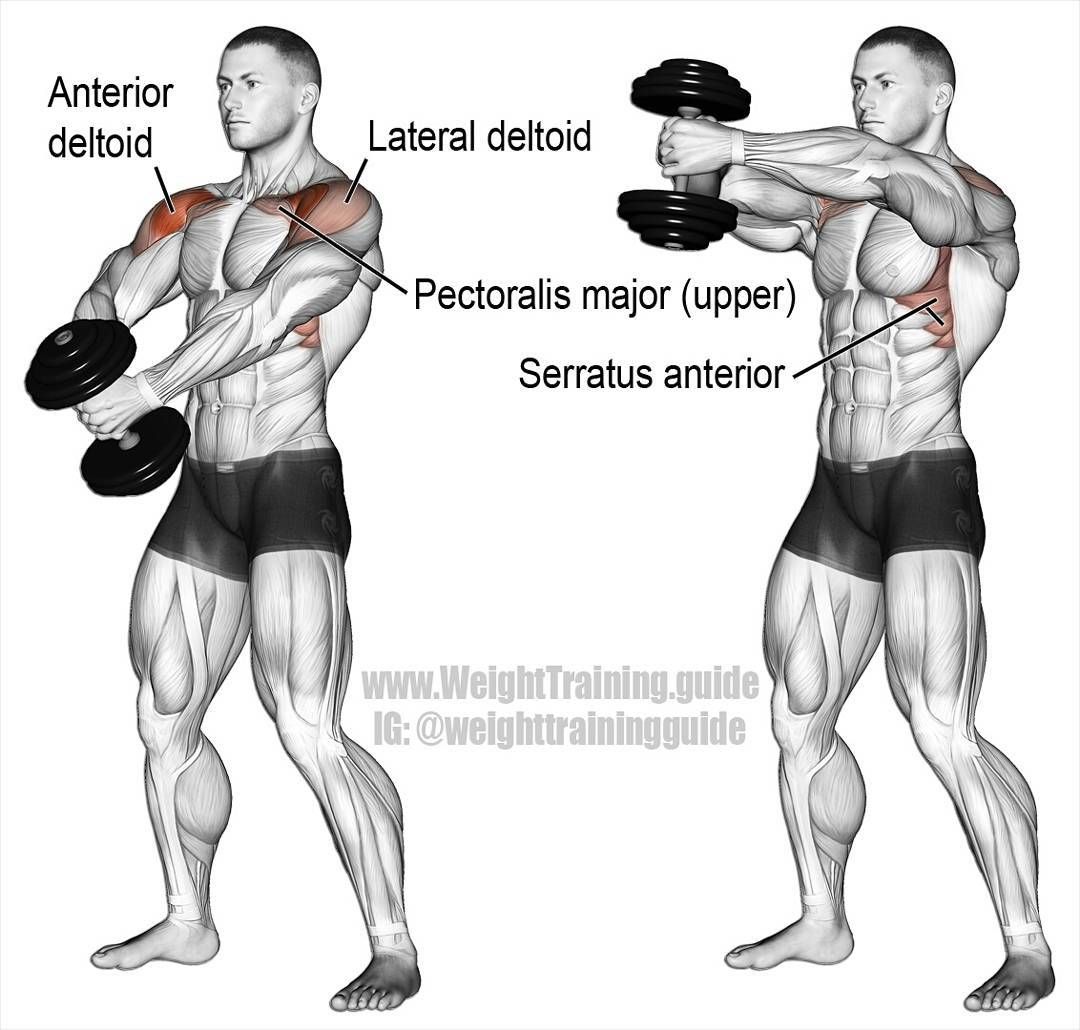 Plyometrics such as squat jumps, side cone jumps, ice skaters, and low box shuffles, can safely and effectively improve the rate at which the muscles fire bringing about the desired movement.
Tip #3 Use the proper angle with the push off leg to increase the reaction force from the ground.
If the desired direction of travel with a lateral shuffle is to the left then the right leg is called the power leg. In order for the power leg to use all of its available power there must be a proper angle of force application into the ground. Ideally this angle is about 45 degrees. If this angle is achieved the ability to push the body with power and quickness greatly improves. It is also important to obtain the proper angle when stopping and changing direction with lateral movement. If there is a loss of balance or a stutter step when attempting to stop the proper foot placement has not been achieved. Keeping the knees slightly inside the width of the feet will also help to increase the force into the ground.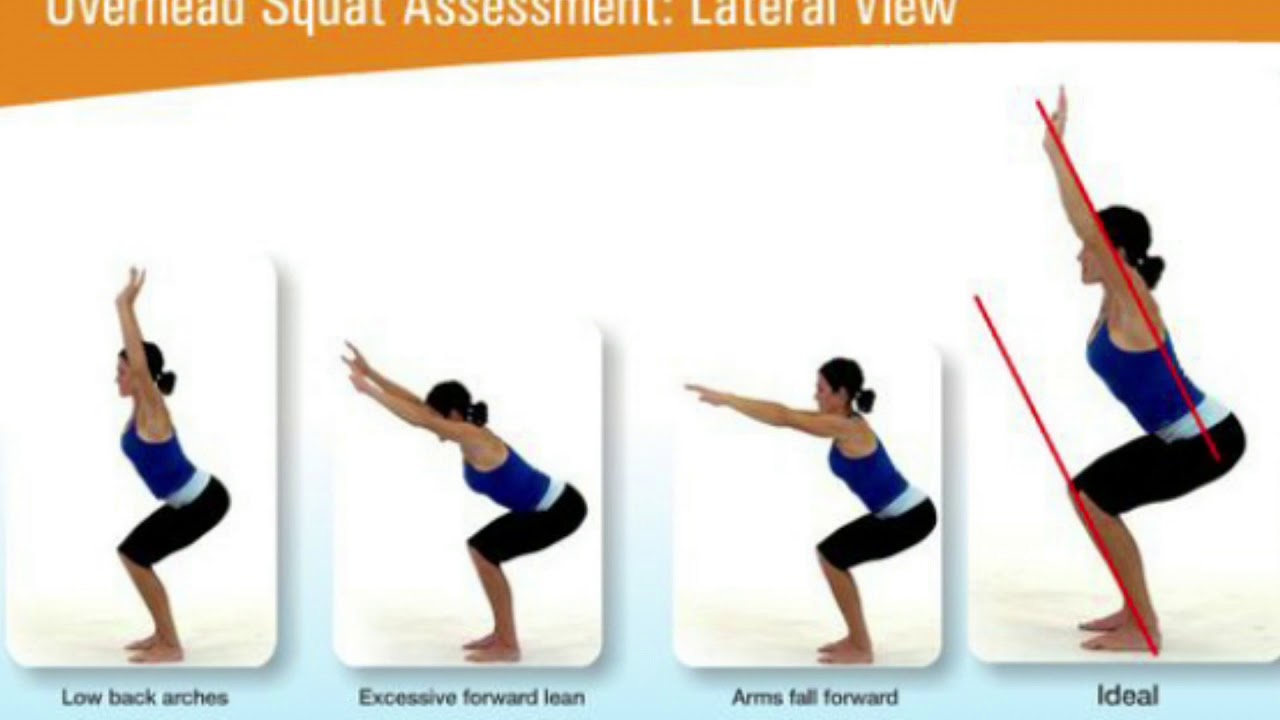
Tip #4 Make sure the hips stay at a constant level as much as possible.
If the hips are allowed to move up and down with any magnitude, energy will be spent in a negative direction of travel. If moving laterally is the goal it is important to minimize any unwanted motions that may take away from lateral speed and quickness. Using the power leg on the proper angle will help keep the hips from rising up on every push off. During the recovery of the power leg after a push off, the knee needs to bend in order to avoid standing tall to push off. Also it is important to avoid a sideways gallop action which will create too much height. When stopping and changing directions the hips need to minimize dropping or dipping. This will slow down the change of direction and also cause a waste of energy. Keep the hips level and move quick as a cat.
Tip #5 Control swaying of the shoulders to be quick as lightning.
Now that we have the hips under control we must control the swaying action of the shoulders.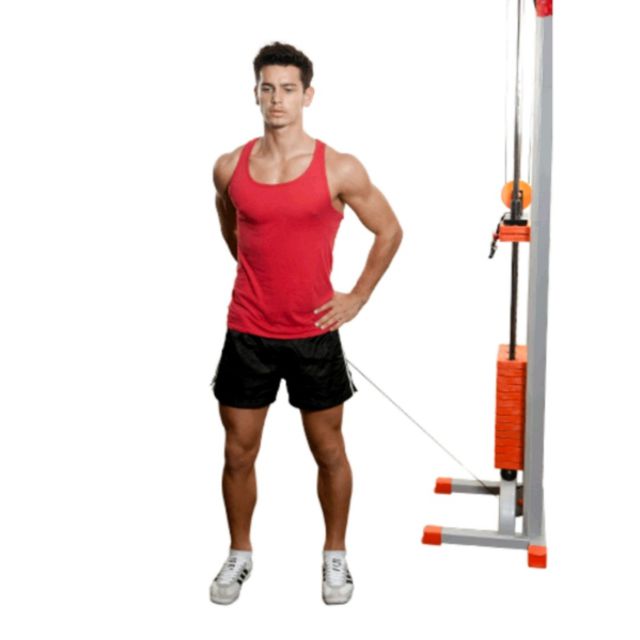 If the shoulders are allowed to move side to side or forward and backward, there will be a definite struggle to maintain speed and quickness laterally. Performing core strengthening will definitely help to keep the shoulders from moving. The number one problem with shoulder swaying is observed during stopping and change of direction. When the proper angle is applied with the feet and legs and the hips are kept level, the upper body must be strong enough to handle the stopping forces or momentum. When an athlete stops quickly going to the right, the shoulder will want to keep moving to the right. The solution to this problem is to slightly lean the shoulders in the opposite direction or the new direction of travel. This will stop the swaying and create greater stopping and change of direction angles.
Fundamental Speed Exercises for Athletes
- Exercise technique
- Combine “fixed” and “reactive” exercises
- What is the difference between exercises for speed, coordination and speed of reaction
- Basic exercises for speed and coordination
-
What exercises develop speed?
- Warm-up exercises with change of direction
- Warm-up exercises for acceleration
- Warm-up before the race at maximum speed
- Conclusion
The effectiveness of training is what distinguishes successful athletes from their peers, especially at the level of youth sports schools and academies. Although such subjective factors as talent, perseverance, character, performance are certainly important, it is the training process (the choice of exercises, rest and nutrition) that largely determines how quickly an athlete will progress. There are different approaches to preparation: on your own, with local coaches and teams, visiting a sports camp. Obviously, one does not exclude the other.
When it comes to training for the development of speed, quite often coaches rely only on the possibilities of gyms. To some extent, this can be understood, because one of the tasks of such training is to strengthen the athlete’s legs. This means that simulators should seem to solve the tasks set (for example, some exercises for speed and endurance can be performed on a treadmill, exercise bike). However, speed and coordination is not only about the legs, it is also about the development of reaction, the ability to perform exercises with maximum speed, changes in direction of movement, endurance, speed of decision making.
Although athletic training varies from sport to sport, most speed exercises are universal. That is, a significant part of them can be performed by athletes of different sports. This is a big plus, considering that in professional sports, speed exercises are practiced daily, regardless of the training plan scheduled for a particular day.
So, according to Marv Marinovich (an expert on the physical preparation of athletes at the NFL, NBA level), barefoot training brings noticeable benefits to athletes than exercises in comfortable shoes. In his book on effective exercises for developing speed “ProBodX” Marinovich notes that “ barefoot training improves athletic performance such as running speed, jump height… and directional change speed.”
We do not recommend doing all speed exercises on bare feet as it can lead to injury, but some of them can be done as part of the warm-up before the main workout and feel the positive results for yourself. In particular, to develop balance, stiffness in the ankle muscles, and reduce foot-to-ground contact, do jumping exercises
use angled boards to stretch the foot (achilles, calves)
Photo credit: GPS Human Performance
or roll feet on PVC (polyvinyl chloride) tube.
PVC tube exercises are great because they contain everything you need to strengthen your ankle while running and jumping. Decreased foot contact with the ground means that the athlete will exert more force in a smaller area, resulting in higher jumps and faster runs. In this case, the heels will not be so close to the ground, which will allow you to show better results.
Before turning to the answer to the question of which speed exercises are most effective for athletes, let’s pay attention to general recommendations on technique and safety rules.
Exercise technique
It is necessary to understand what effect each exercise has on the body. Understanding their functionality, you can create a set of exercises for developing speed on your own, taking into account the specifics of your sport.
Be careful with belts, shoulder harnesses, and other TRX stretch straps, as this can cause misalignment of the torso, hips, knees, and ankles.
Some speed and endurance exercises can be ineffective and even dangerous if done incorrectly. Always pay attention to the execution technique, as this is what distinguishes an ordinary athlete from an outstanding one. In the first approaches, when you are just learning the technique, the speed of the exercises is not important.
When performing a set of exercises for developing speed, keep an eye on your posture and body position, since only the right technique really has a positive effect on the growth of sports performance. So, in order to show maximum acceleration, the athlete should not hold his back too straight, as in this case the lower leg will be located vertically. Moving from this position will not allow you to develop maximum speed, because you will get a vertical “recoil”, while for acceleration you need to lean forward.
Another way to achieve better results in speed, quickness and coordination is to develop repeated sprint ability ( PSS ) ( Repeated Sprint Ability ). PSS is the ability of an athlete to restore strength and make maximum efforts when performing sprints of varying complexity and duration. In professional clubs, PSS is measured on a regular basis and is an important factor in tracking the physical fitness and progress of an athlete.
If you are not working out with a personal trainer or partner, you will have to do it yourself. Start with easier exercises and gradually work your way up to harder ones that involve more changes in direction, different forms of resistance training, and more fast and slow sets.
Athletes are not under constant physical load, they slow down, accelerate or change direction from time to time, and sometimes even just stop.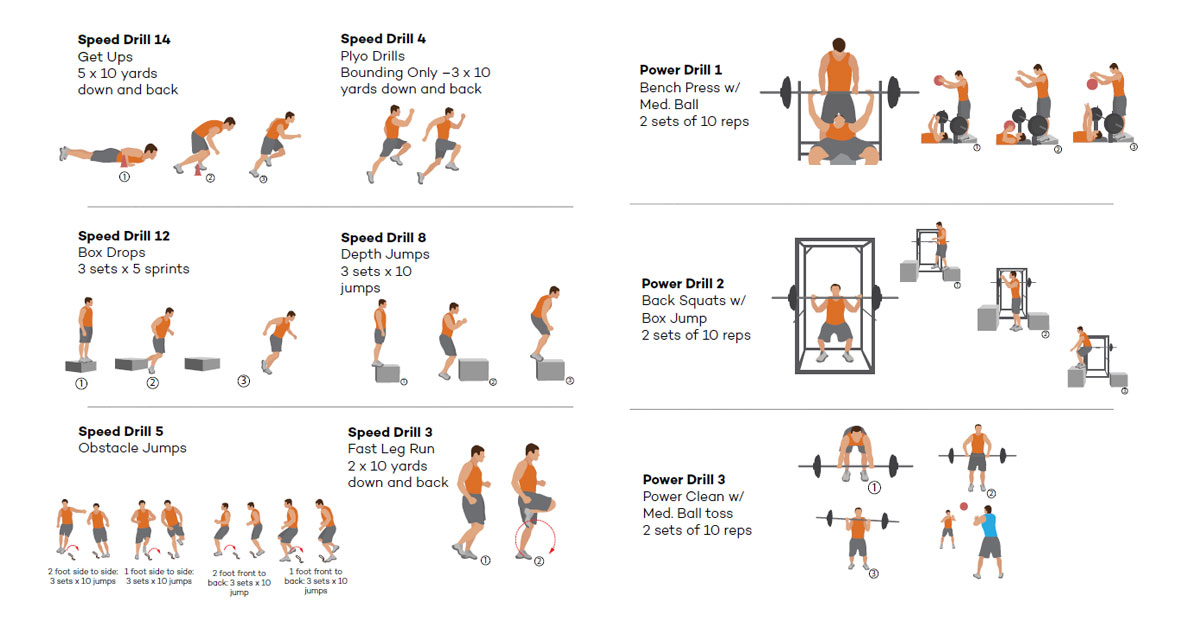 The athlete who develops his PSS will be better equipped to respond to the demands of today’s sport. Of particular importance for the PSS is the timeliness of the inclusion of exercises for the development of speed in the overall training plan (as a rule, they are introduced before the start of the season).
Let’s say , In the first week of pre-season, an athlete performs physical exercises for speed, for example, running single 50-meter sprints without changing direction. In the second week of training, instead of straight runs, the athlete performs sprints with a change of direction using cones. Thus, the athlete will be ready for the conditions that develop during the match.
Always keep your goal in mind. Make up a set of exercises for speed in such a way that between their implementation there are sufficient pauses for rest. Otherwise, classes will only affect general physical fitness, while the quality of their performance will be poor.
By resting between sets, you restore the supply of adenosine triphosphate and creatine phosphate in the muscles, which helps to improve athletic performance. Of course, not all speed exercises require a long rest. However, if you feel like stopping or if you lose your movement, stop exercising and take a break. While resting, “scroll” in your head again the execution technique, and then, when you are ready, repeat the approach again.
Combine “fixed” and “reactive” exercises
Movement speed exercises can be divided into two categories: “fixed” (you know in advance how to complete the exercise from start to finish) and “reactive”. (when the process of performing an exercise can change along the way; that is, the athlete must respond to external factors). In a sense, “reactive” exercises are similar to coordination exercises. A training session should include both types of exercises, with response exercises becoming increasingly popular among fitness coaches at top sports clubs.
“Fixed” exercises are aimed at learning basic technique. The athlete knows in advance what is required of him when performing the exercise. For example, a 25 m sprint. At the same time, as Paul Gamble (Ph. external conditions and, accordingly, develop the ability to demonstrate the mentioned skills as a response to external influences “. In simple words, this can be a reaction to a thrown ball or to a coach or training partner, and the like.
Exercises for feedback contain that element of uncertainty, which “fixed” exercises are deprived of. In any game form, an athlete must respond as quickly as possible to changes in external uncontrolled conditions. It is noteworthy that response exercises also develop cognitive functions.
What is the difference between exercises for speed, coordination and reaction time
Although many people think that speed and quickness are the same thing, they are two different concepts. Speed is the ability to move in one direction (usually running speed exercises), while quickness is the ability to dynamically react and re-arrange.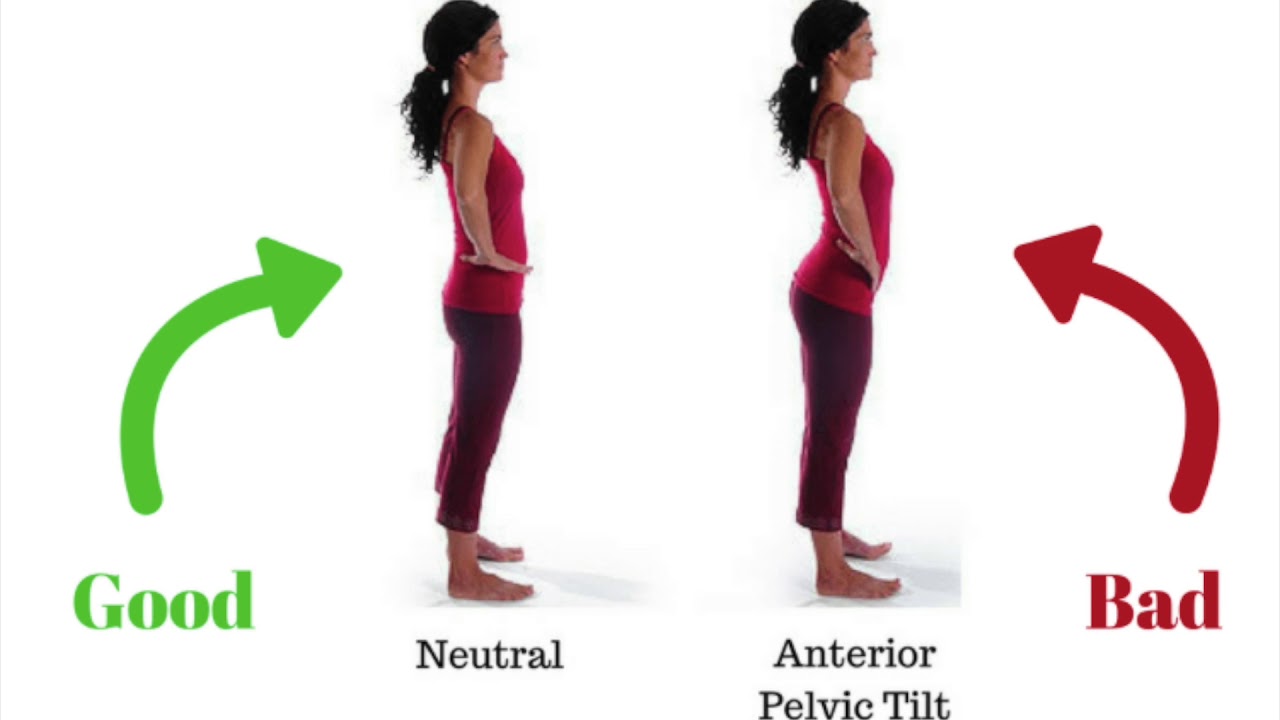 Almost every athlete has a training program based on the development of speed, agility and quick reaction. Even if you think that coordination and speed exercises are sufficient for preparation, try adding speed exercises to get better results.
It should be noted that you can improve your fitness faster through participation in a sports camp under the supervision of qualified trainers and experts. Sportlane offers a variety of professional and amateur sports programs, be it football camp, basketball camp, triathlon camp, and more. Choose the right option for you depending on your sport, budget, preferred camp location.
Basic speed and coordination exercises
If you play sports without ambitions to become a professional athlete, then basic exercises for developing speed and coordination will do. To perform them, you do not need to go to the gym or purchase any special equipment. To keep in shape, it is advisable to perform them two to three times a week. Do not forget to try different sets of such exercises, because they complement each other. Speed exercises will positively affect the coordination of movements, and coordination exercises will have a positive effect on speed indicators.
For those athletes who play sports on a regular (semi- or professional) basis, we recommend using basic exercises to develop coordination or speed as part of the warm-up before the main training sessions.
Regular sprint . Run the distance from point A to point B at maximum speed, and then gradually increase the distance. You can also run by leaning forward ( leaning run ). This is a type of sprint in which the body leans forward while running. If you don’t have room to do the exercises in their original version, try running in place against the wall . Rest your hands with your palms on the wall, raise and lower your knees the maximum number of times. Basic running speed exercises also include uphill run .
If we are talking about exercises for coordination of movements, balance and speed, then figure eight running and plyometric jumps are most often recommended. Before starting, place two cones (two marks) at a certain distance from each other. Run at maximum speed from one mark to another, run around it and return to the first mark. Your movements will describe an imaginary figure eight. Repeat this exercise several times.
Plyometric jumps improve coordination and balance. Jump on a strong box, jump back, repeat 20-30 times.
What exercises develop speed?
This question is asked by many athletes who prepare for competitions on their own during the season or pre-season. Exercises that develop speed are divided into exercises with a change in direction of movement, exercises with accelerations and exercises for maximum speed.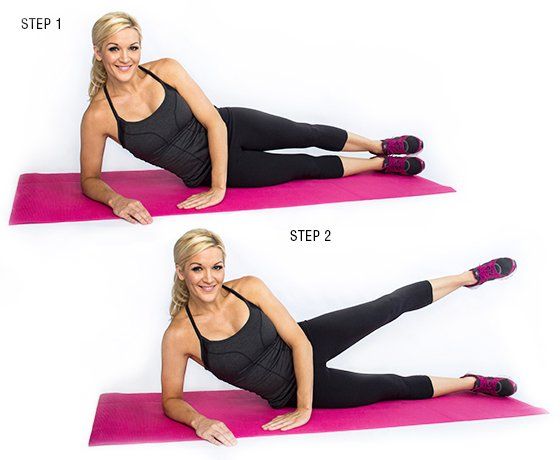
In the course of sports training, these three categories of exercises must be performed on a monthly basis. Performing one category of exercises does not exclude the other two. For best results, you should use all three sets of exercises, as they are aimed at solving different sports problems. Athletes start a program of exercises with a change of direction, then they train accelerations, and then maximum speed.
Change of direction exercises include lateral movements, quick changes of direction, braking, etc. Acceleration exercises include running from a static position, jogging – sprinting, walking – sprinting, etc. A treadmill helps athletes perform exercises at maximum speed effectively. The required warm-up exercises are determined based on the sport and type of training program. Below are the speed exercises that fall into one category or another.
Every athlete should warm up before starting an intense workout. Warm-up exercises warm up the muscles, ligaments, tendons and thereby reduce the risk of injury. In addition, they contribute to the improvement of the final results. General warm-up exercises are universal in nature and are aimed at preparing for more complex exercises. Special warm-up exercises are performed before training a particular category of muscles. So, if the training plan includes exercises for the speed of movement, then use the “speed” warm-up exercises.
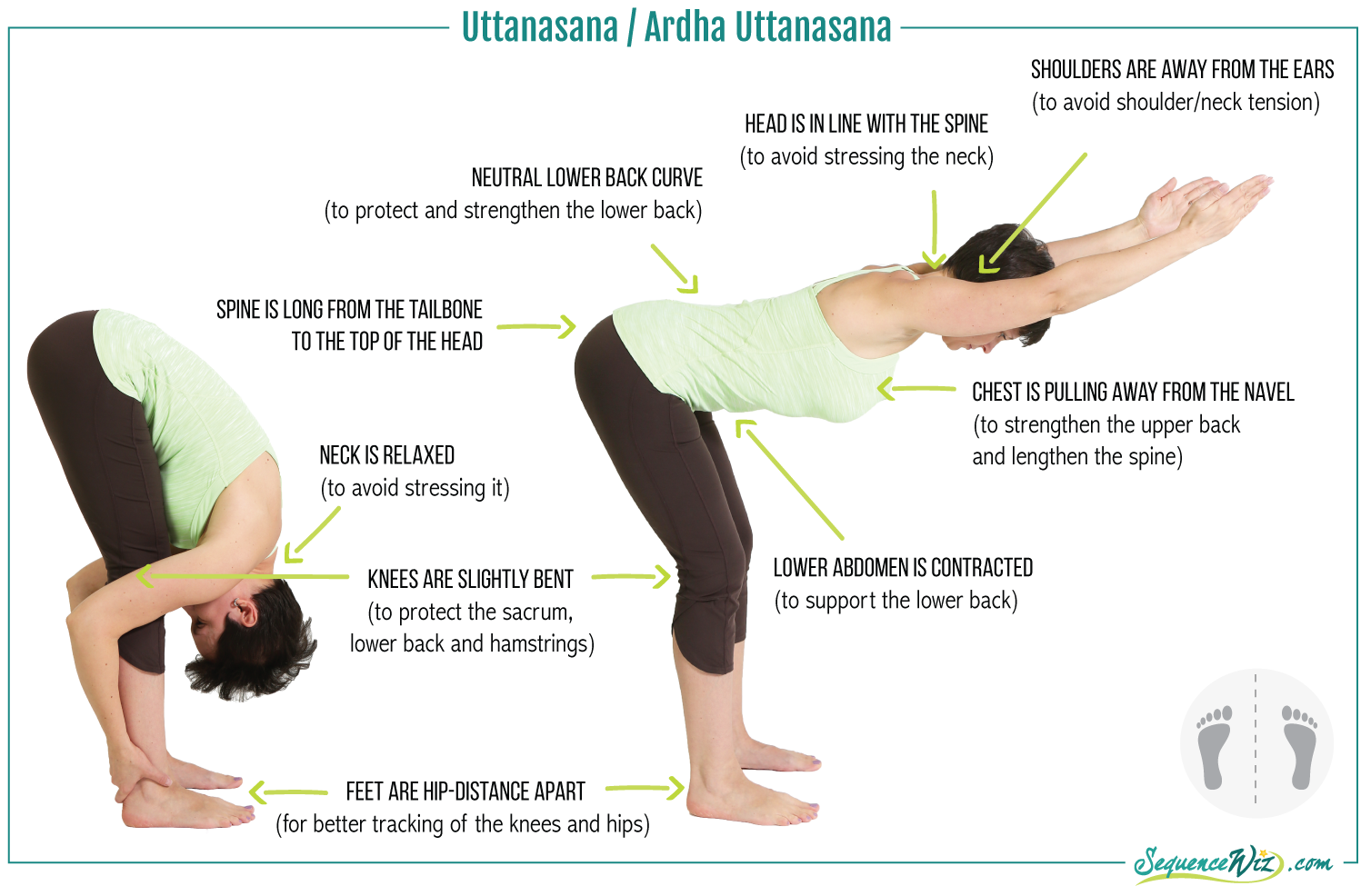
General warm-up program must involve all parts of the body. Start with 10 arm circles with or without kettlebells (shoulder circles).
Then walk 10 meters on your heels and the same amount on your toes. To warm up the pelvic area, put your feet together and do 10 squats.
You can warm up the adductors located on the inner side of the thighs by performing side lunges
and cross lunges
 youtube.com/embed/1M9Gp7_dK-U?controls=0&start=15&end=60″ frameborder=”0″ allowfullscreen=””/>
If you have an elastic band, tie it around your ankle and take small steps with your feet first to one side and then to the other.
Change of direction warm-up exercises
If you are going to do change of direction running speed exercises, do a general warm-up first and then a special warm-up that includes side line jumps, lateral and cross jumps, etc. .
Jumping sideways across the line is very easy and warms the legs well. Stand on one side of the line and then jump over to the other side and back. This exercise can be done standing on the line or in front of it.
Lateral jump is a sideways run with the maximum rise of the knees at each step.
Cross jump – this is the same side jump, but in which you move not sideways, but forward.
“Rapid” jumps are similar to jumps over the line sideways, but are performed more intensively and warm up both the hips and the muscles of the torso.
Acceleration warm-up exercises
Speed warm-up exercises include jumps over the forward line, type A skipping, acceleration after leaning over, and quick legs.
Jumping forward over the line is similar to jumping over the line sideways, except for the position of the body. In this case, you are standing in front of the line, not to the side of it. Jump to the other side of the line and as soon as your feet touch the ground, immediately jump back. The exercise can be performed on one leg, while on the right and left legs it is necessary to do an equal number of approaches.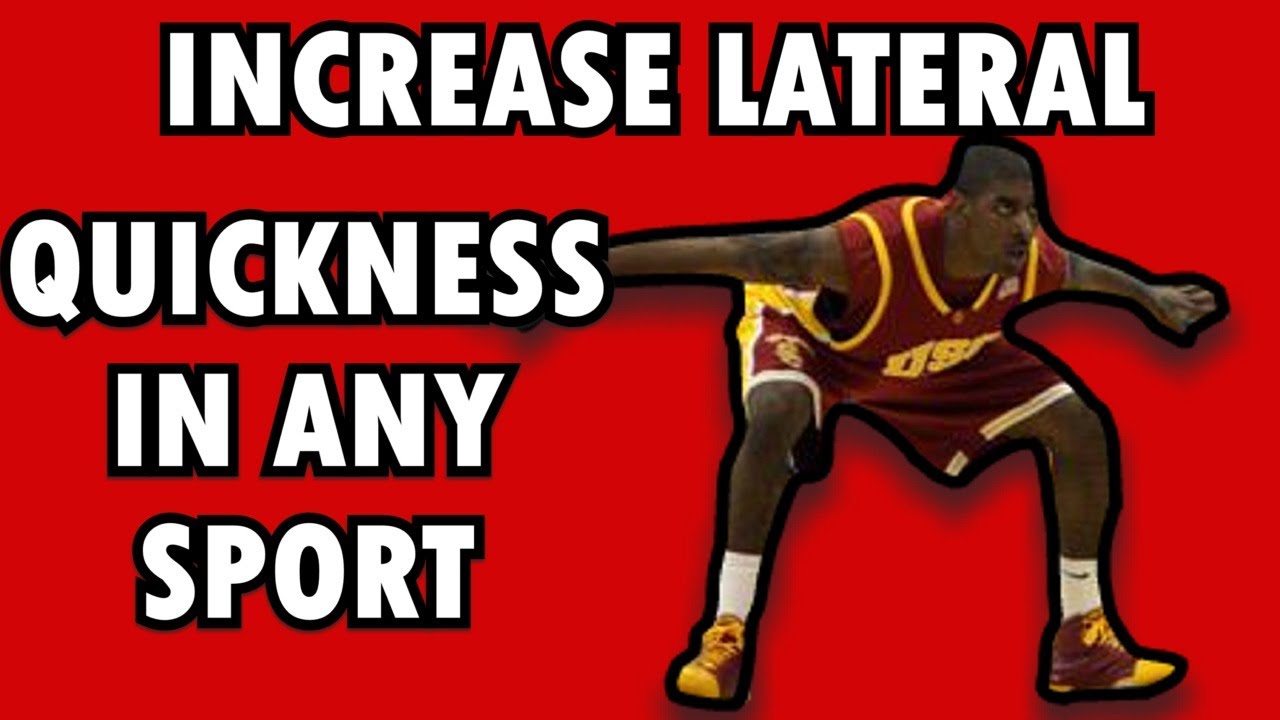
Type A skipping is a great exercise that engages the core and lower body muscles. Walk with your leg bent at the knee. As you land, push off with the front of your foot and repeat the same with the other leg. When performing, the knees should reach for the chest.
Acceleration after lean: lean forward so that the body begins to fall forward. As soon as you feel it, start and run 5 meters.
For exercise “ quick legs ” stand still, then lift and lower your leg slightly. Do the same with the other leg, and then quickly do this exercise with both legs at the same time for 5 seconds.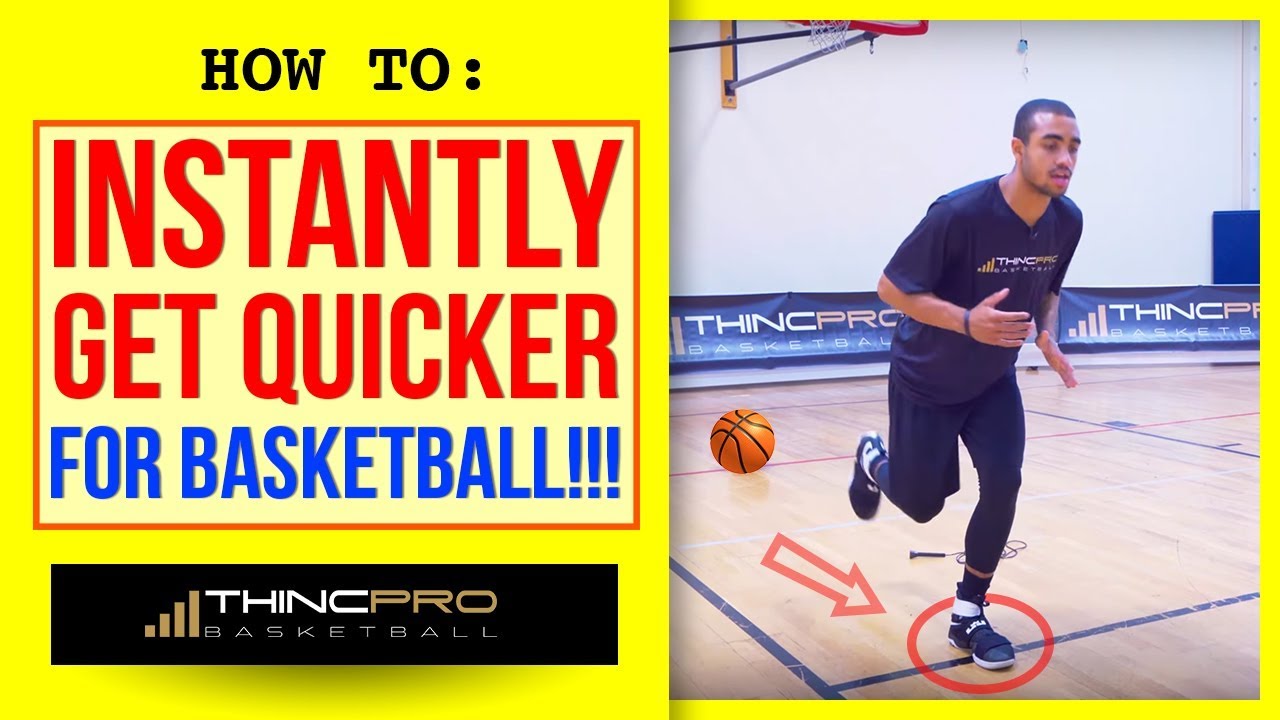
Warm-up for a max speed run
A special warm-up is also required before a max speed run, which includes exercises such as snap skipping, knee raises, and running in place with one leg overrun.
Snap skipping differs from Type A skipping in the position of the legs. If in Type A skipping both feet are on the ground at the same time, snap skipping does not allow this. As soon as one foot touches the ground, the other foot must be lifted, and so on.
The knee raise is a basic exercise that everyone has come across. Raise your leg and stretch it towards your chest. Make sure your back stays straight and does not lean forward.
Running in place with an overlap is also a very famous exercise. Without moving, perform running movements so that your legs touch the gluteal muscles.
Conclusion
After reading this article, we hope you can now answer the question of which exercises develop speed. Since they are versatile in nature, they are suitable for training athletes from many sports. However, you need to be careful about choosing the most suitable ones and including them in your individual training plans.
These workouts are also multifunctional in their effect on the body of athletes: this is the improvement of strength indicators, speed, speed, movement coordination, quick decision-making. If you want to make progress in your sport faster, for example, to effectively prepare for the upcoming season, we recommend that you choose a suitable sports camp for yourself among the many presented on Sportlane .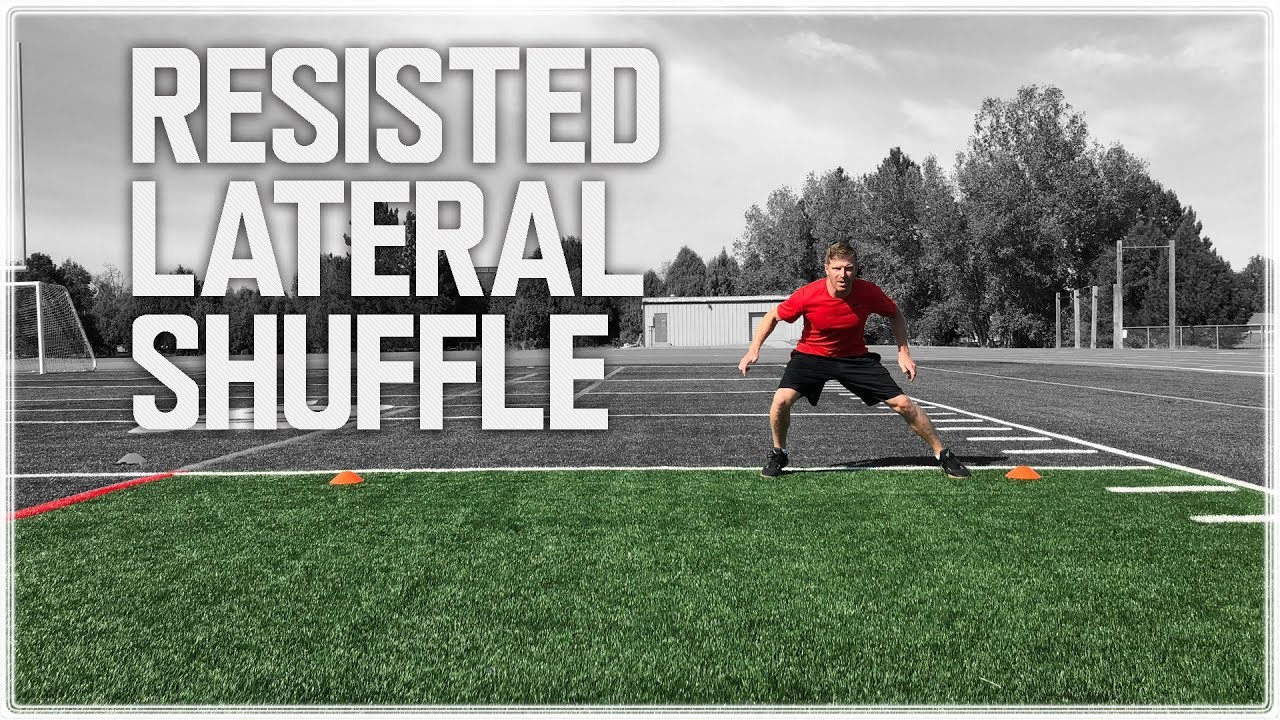 Such camps and training camps are held by leading sports academies and teams of coaches (experts) around the world.
In particular, football camp, triathlon camp, basketball camp, figure skating camp, etc. can be selected.
Cone exercises for the development of speed and coordination of athletes
- The importance of speed and coordination in different sports
- Advanced speed and coordination exercises with cones
Training for speed and coordination is an integral part of the preparation of most athletes. At the same time, the world “does not stand still”, and new technologies and methodologies appear in sports, even special sports supplements are produced to develop speed and coordination among athletes. As a separate direction, one can also single out the participation of athletes in sports camp , where intensive training in a particular sport is carried out. At the same time, few people pay attention to the fact that exercises with cones occupy the main place in training for speed and coordination.
The meaning of speed and coordination in different sports
Speed is the impulse to move in a straight line from point A to point B. To improve the results of training, you need to understand which muscles are involved in a particular speed exercise. In general, strong arms and legs are needed to “push” the body forward. At the same time, it is quite rare for athletes to run long distances without unforeseen stops or changes in direction. For sprinters, marathon runners and representatives of several other sports, as a rule, exercises for developing speed are primary.
However, the vast majority of athletes from other sports need to be able to correctly accelerate, slow down, jump and start running in a different direction. In this regard, athletes add a set of exercises for coordination.
During a football match, players cover long distances at different speeds with occasional stops.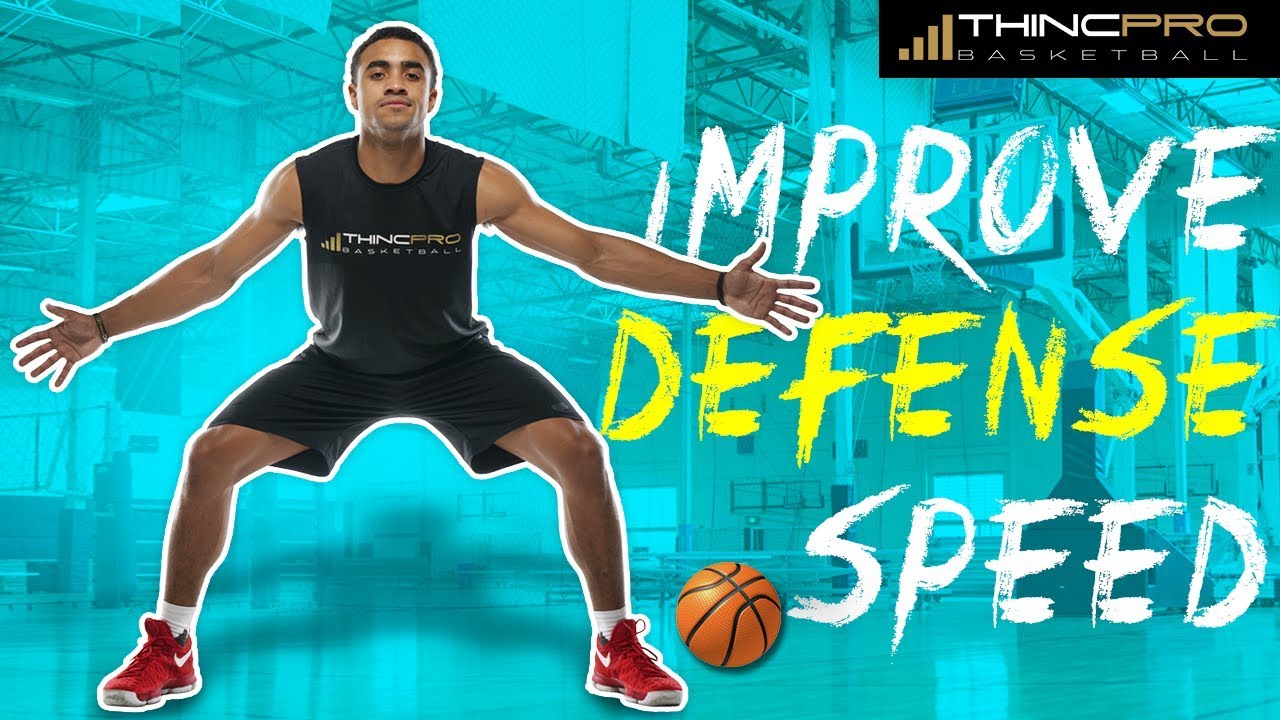 Accordingly, in football, coordination exercises are used at least as often as speed exercises, since players often run in a straight line.
In American football, defenders and forwards perform different tasks, which determines the difference in their training. As a result, the training programs of a linebacker and a quarterback differ significantly: for the former, exercises for the development of speed are primary (they are similar to flank players in football), for the latter, exercises for coordination of movements.
To improve performance, the athlete should consider the position in which he plays. Football and hockey goalkeepers do not cover long distances, as they protect the goal, as a result of which exercises for the development of movements, speed, coordination play a greater role in their preparation than for speed. Although any athlete seeking to improve their performance should combine exercises for coordination of movements, speed and quickness.
Advanced exercises for speed and coordination with cones
A set of exercises for developing coordination and speed with cones is aimed at strengthening the strength of the legs and torso, acceleration.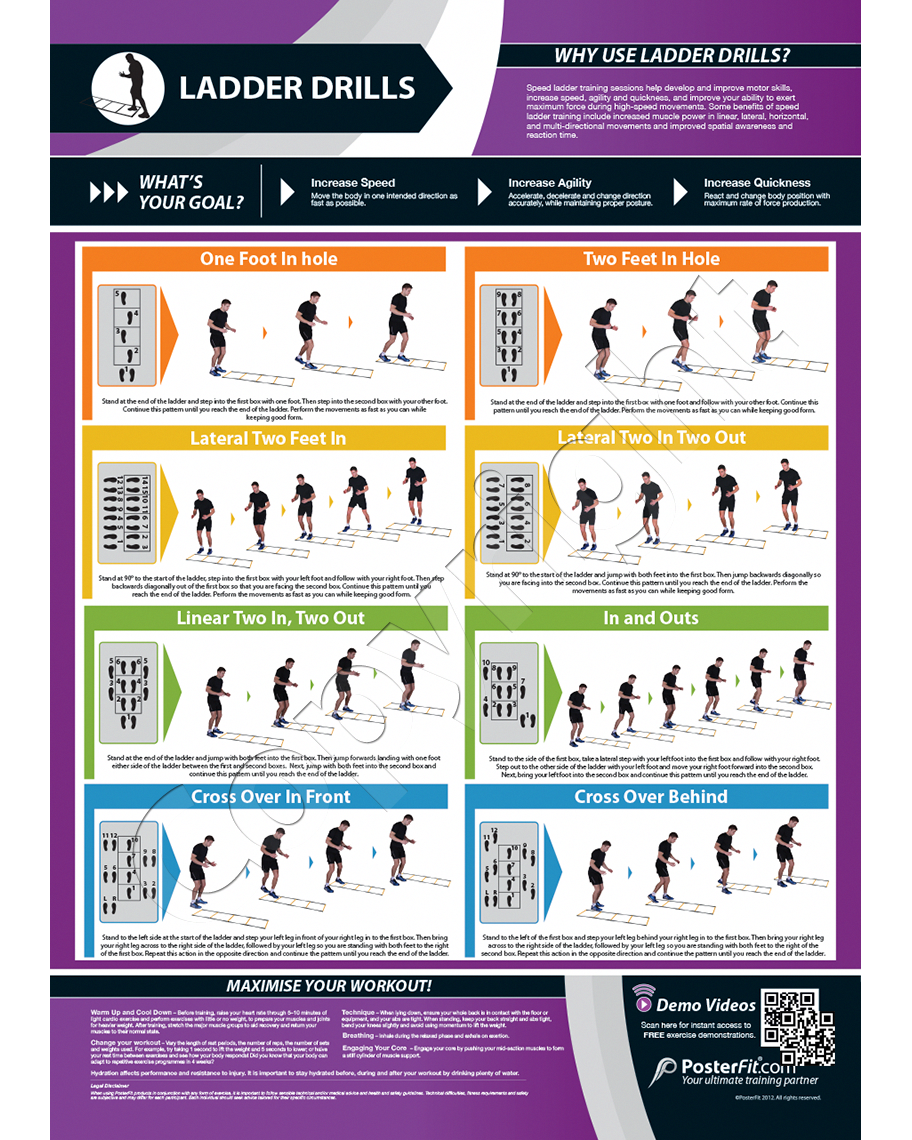 In addition, they strengthen the tendons and thereby reduce the risk of injury, which is what athletes are so afraid of. Please note that in order to get the maximum return, you first need to determine the level of physical fitness of the athlete and adjust the set of exercises to develop coordination and speed for individual needs.
X Run
X Run is an effective reversal exercise that strengthens legs and posture. To begin with, place four cones in a square at a distance of 5 meters from each other. Start running from one of the cones to the other diagonally. Then, with an added step, run along the edge of the square to the next cone, and then again run diagonally, but this time sideways. As soon as you run to the last cone, quickly run to the initial one. Repeat this a few times and then change direction.
Run to the spot and back
Run to the spot and back is a safe exercise to develop running speed and coordination that will require a coach or training partner.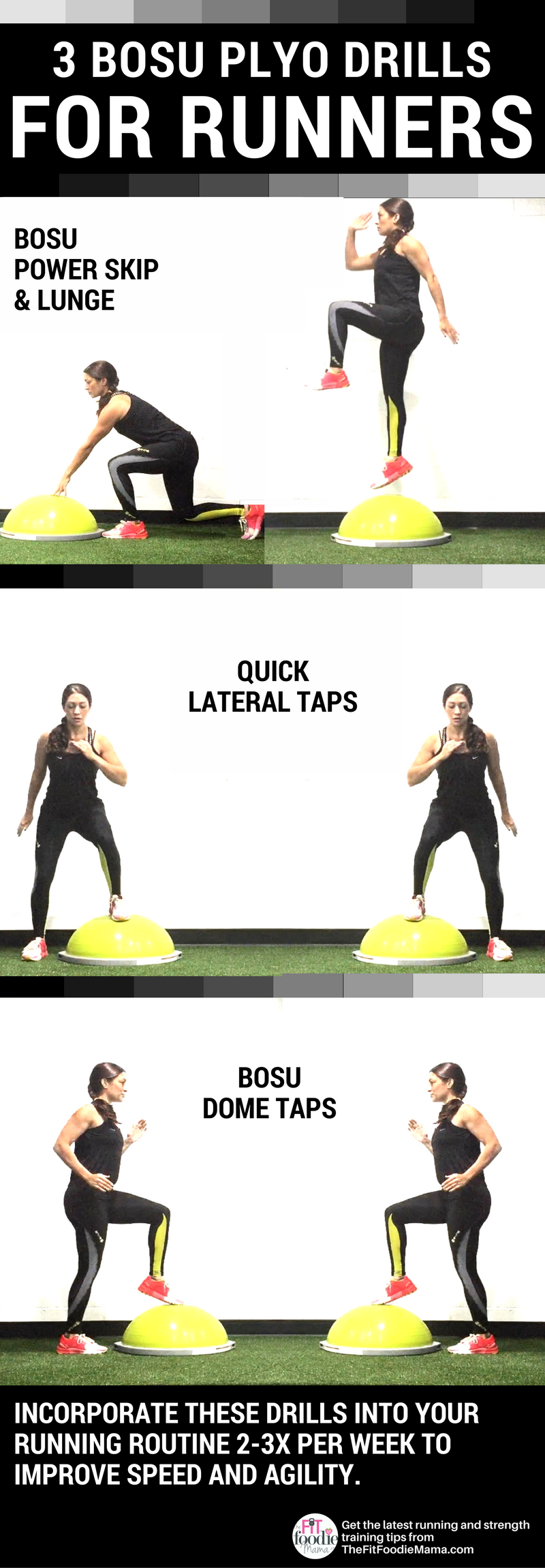 The exercise is aimed solely at changing the direction of movement and responding to voice commands. It is performed with or without the use of an elastic fitness belt. Arrange three cones in a straight line at a distance of 5 meters from each other, and place another one perpendicular to this line, 3 meters from the central cone. The trainer calls the cone and you sprint towards it at top speed. Immediately, the coach calls the next number, and you immediately run to him. One set consists of sprints to 6-8 cones.
L Run
L Run is an excellent coordination workout that many athletes enjoy. This exercise does not require much space, engages all the important muscles, and also increases speed, coordination and the ability to change directions. Place three cones in an L shape. Start in a three-point stance and run towards the center cone. Having reached it, touch it with your hand and run back to the first cone. Touch the cone with the same hand and run around the central cone, describing the circle with the inside of the foot. Run to the last cone, go around it, making a sharp turn with the inside of the foot. Quickly run around the central cone and run to the first cone. Repeat this route several times in both directions.
Coordination Shuttle Run
Coordination Shuttle Run or “5-10-5” is a simple but one of the most effective cone exercises for developing coordination. Place three cones 5 meters apart and start from the center cone. Select the cone you want to move sideways first and touch it with the hand you are running towards. If you ran to the left, touch the cone with your left hand. Once you’ve reached the first cone, turn around and run towards the furthest cone. Touch the cone with the same hand you are running towards. Run back to the center cone and repeat this exercise in both directions.
Offset Shuttle Run
Offset Shuttle Run is a variant of the Coordination Shuttle Run. This exercise will help you become fast over short distances and will greatly improve your footwork. Instead of placing three cones 5 meters apart, place one 5 meters from the center cone and the other 3 meters from the center cone. As with the shuttle run, start in a three-point stance and run to the nearest cone. Once you reach it, turn around to the furthest cone. After touching with the same hand as the running direction, run back towards the center cone. Mirror the cones and repeat this exercise several times in both directions. Note that many exercises for movement speed include shuttle running in various variations.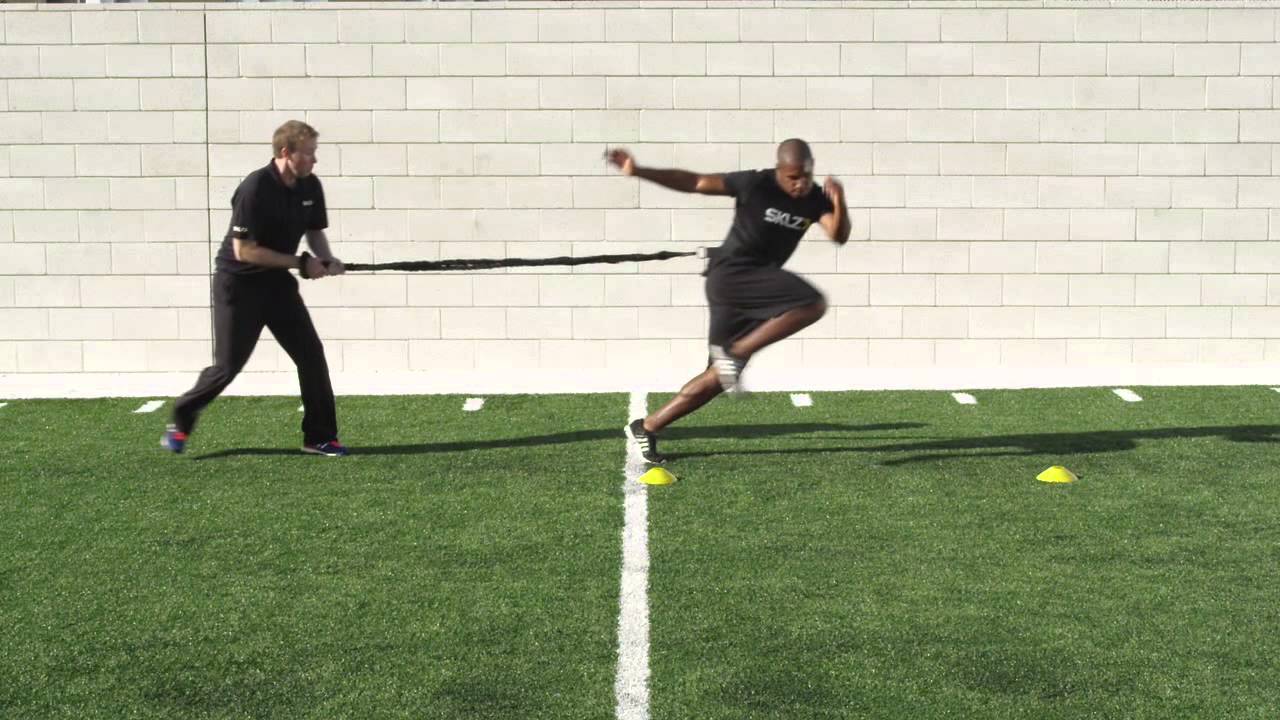
Run-shuffle-run
Run-shuffle-run is a must-have exercise for most football, basketball, tennis and baseball players that improves lateral mobility and is known as an effective exercise in coordination. Like “running to the point and back”, this is a return exercise that will require four cones. Place the cones 5 meters apart in a straight line. Quickly run to the first cone and immediately turn around. Move sideways to the third cone as fast as you can and then run to the last one. Then turn around and run to the nearest cone. Move sideways until you reach the second cone and then run back towards the first cone. Repeat this exercise in both directions several times.
Run-shuffle-shuffle run
Run-shuffle-shuffle run – an exercise similar to the previous one. It is especially effective if an elastic band is wrapped around the body, and a training partner or trainer keeps it taut. Instead of placing four cones 5 meters apart, place two cones 5 meters apart. The third cone should be located at a distance of 4 meters from the central cone. Start running towards the central cone, and when you reach it, turn sideways. Get as fast as possible to the last cone and move sideways to the central cone. Once you get to the center cone a second time, run back to the first cone. Repeat this exercise in both directions several times. Workouts with elastic fitness belts and bands are effective exercises that develop the speed of athletes, which is why many fitness coaches actively use them.
Cone track
Cone track should be included in all combinations of speed and coordination exercises as it helps to improve body control, change direction, accelerate and more.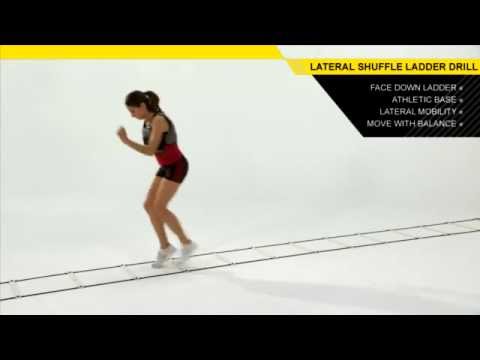 This exercise improves not only speed and coordination, but also peripheral vision. There are three varieties of this exercise, and the preparation is almost the same for all three.
For first version Place four cones at the back and three cones at the front, 4 meters apart, to form a zigzag. The cones may be slightly offset. Start from the end and run to the first front cone. As soon as you reach it, turn around as quickly as possible and slowly return back to the second rear cone, moving along a V-shaped path. Use your peripheral vision to see the near cone, run around it and immediately run towards the central front cone. Continue to perform the exercise in the same sequence until you reach the last cone. Once you complete the exercise in one direction, repeat it in the opposite direction.
The second version of uses the same cone arrangement as the first version. However, instead of slowing down towards the rear cone, you should turn around and run towards it as quickly as possible. This version is especially important in basketball or tennis because of the sudden change in direction that applies to both offense and defense.
The third version of differs from the first two variants in the arrangement of cones and movement. Place three cones at the back and four cones at the front. The second cone should be in front of the first, but slightly to the side. Unlike the zigzag, here the third cone should be in line with the second, fifth and sixth cones. The fourth (rear center) cone should be slightly to the side compared to the third and fifth cones.
This arrangement of the cones suggests a lateral side step.