Kingsbridge Armory redevelopment project enters Phase 4 of planning stage – Bronx Times
The ongoing project for what will become of the historic Kingsbridge Armory is heading into a new phase, according to a representative from the New York City Economic Development Corporation (EDC).
Inder Grewal, the senior project manager of neighborhood strategies at the EDC said at the Feb. 14 Community Board 7 meeting that the initiative will head into Phase 4 — which he said will focus on tradeoffs for the facility.
“We started off this process with understanding the existing conditions of the neighborhood that informed our discussion around community values and needs,” Grewal said at the meeting last Tuesday. “Then we moved on to possibilities for the armory.”
The armory — which originally opened as a military facility in 1917 — was put on the National Register of Historical Places in 1982 and has mostly been vacant since 1996. Since then, multiple proposed renovations have failed.
Last month, New York City Councilmember Pierina Sanchez, whose District 14 includes the site of the armory, co-hosted a public meeting with the EDC last month to hear a local perspective on what the structure should become. Some of those ideas included turning the armory into a museum, convention space, media or film hub, sustainability education center and a multi-purpose athletic building.
Bronxites float ideas for Kingsbridge Armory at public meeting
Grewal said during the CB7 meeting that the EDC has now collected ample community input between the two workshops the department has hosted — which drew more than 400 people total — as well as the 10 focus groups and more than 300 online survey responses.
“We’ve heard from close to if not more than 1,000 people up to this point,” he said. “In terms of community assets and strengths, people listed that the people, creativity, diversity, the borough’s rich history, the green spaces and local organizing power are the key assets that the community possesses. ”
”
From those assets, Grewal said that engaged participants have stated that they value uplifting local entrepreneurs, prioritizing youth and the older adult community, and “putting the Bronx on the map.”
The EDC has taken the locals’ values and whittled the main points down into six buckets that could inspire options for the armory: a recreation and entertainment space, a community gathering place, an attraction for cultural engagement, a small business hub, an education center, and a health and wellness space.
“So taking in all this information, we’re going to continue our community engagement,” Grewal said.
Another public workshop for the Kingsbridge Armory project is set to be held on March 18, although the location has not yet been decided. Additionally, the EDC is hosting virtual office hours that are open to the public every Friday. To register for an office hour Zoom link, visit the Together For Juntos Para Kingsbridge website.
Grewal said the EDC hopes to craft a comprehensive vision document for the project as part of Phase 5 by May of this year.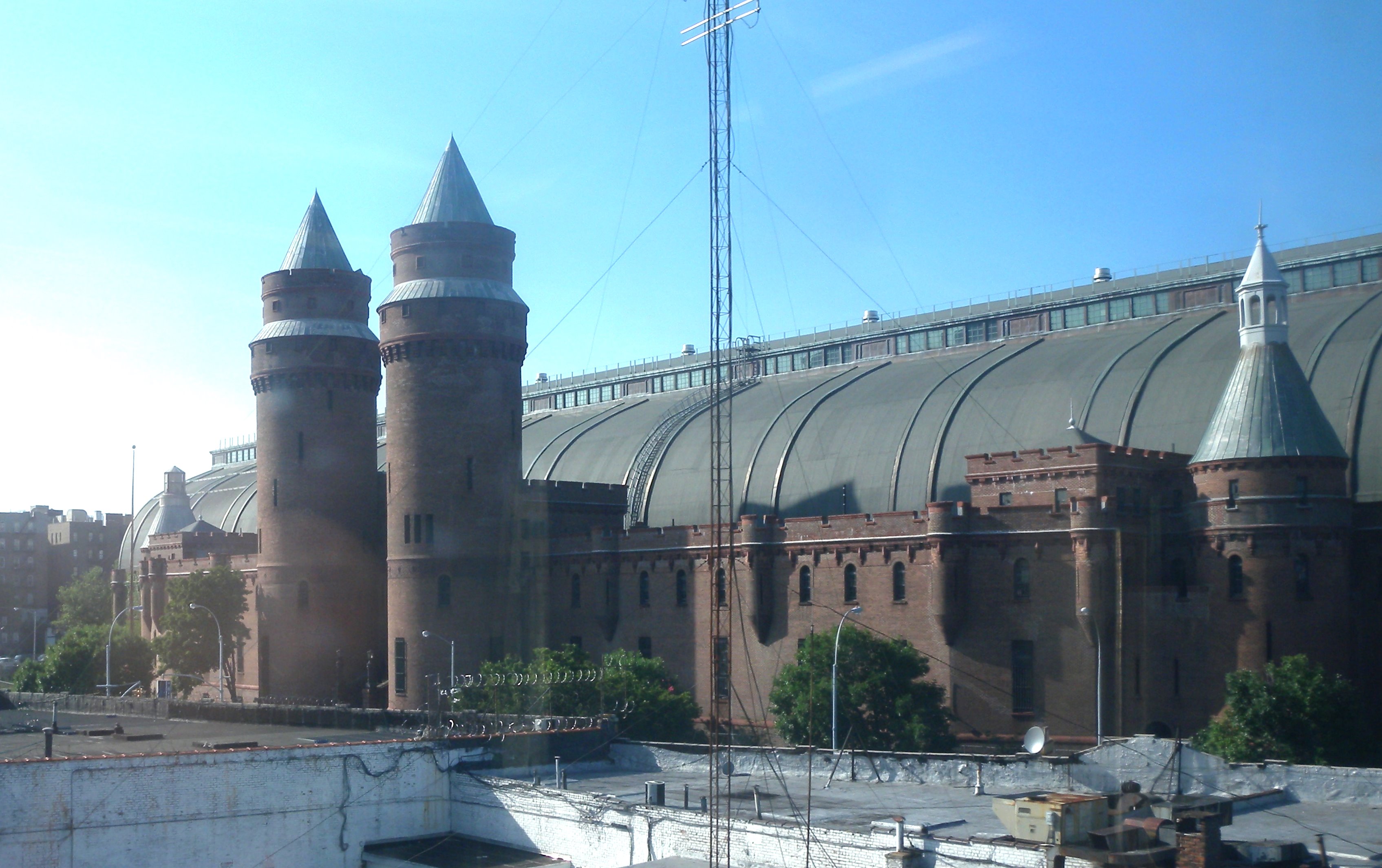
Reach Camille Botello at [email protected]. For more coverage, follow us on Twitter, Facebook and Instagram @bronxtimes
Community Working Group | Kingsbridge Armory
Formed in the fall of 2022, the Community Working Group includes key leaders from all parts of the community—including local businesses, City government, and community-based organizations in the Bronx.
The Community Working Group will make sure that the unique challenges and opportunities facing the Kingsbridge neighborhood are accurately represented and reflected in the creation of a vision document for the future of the Armory. Members of the working group are united in the belief that the Armory will be a vital cultural and economic hub for the Bronx, and they are committed to creating a plan that reflects the neighborhood and borough’s diverse perspectives.
Council Member Pierina Sanchez
Pierina Sanchez represents the 14th Council District, which includes the resilient neighborhoods of Kingsbridge, Fordham, University Heights, Mount Eden, and Mount Hope.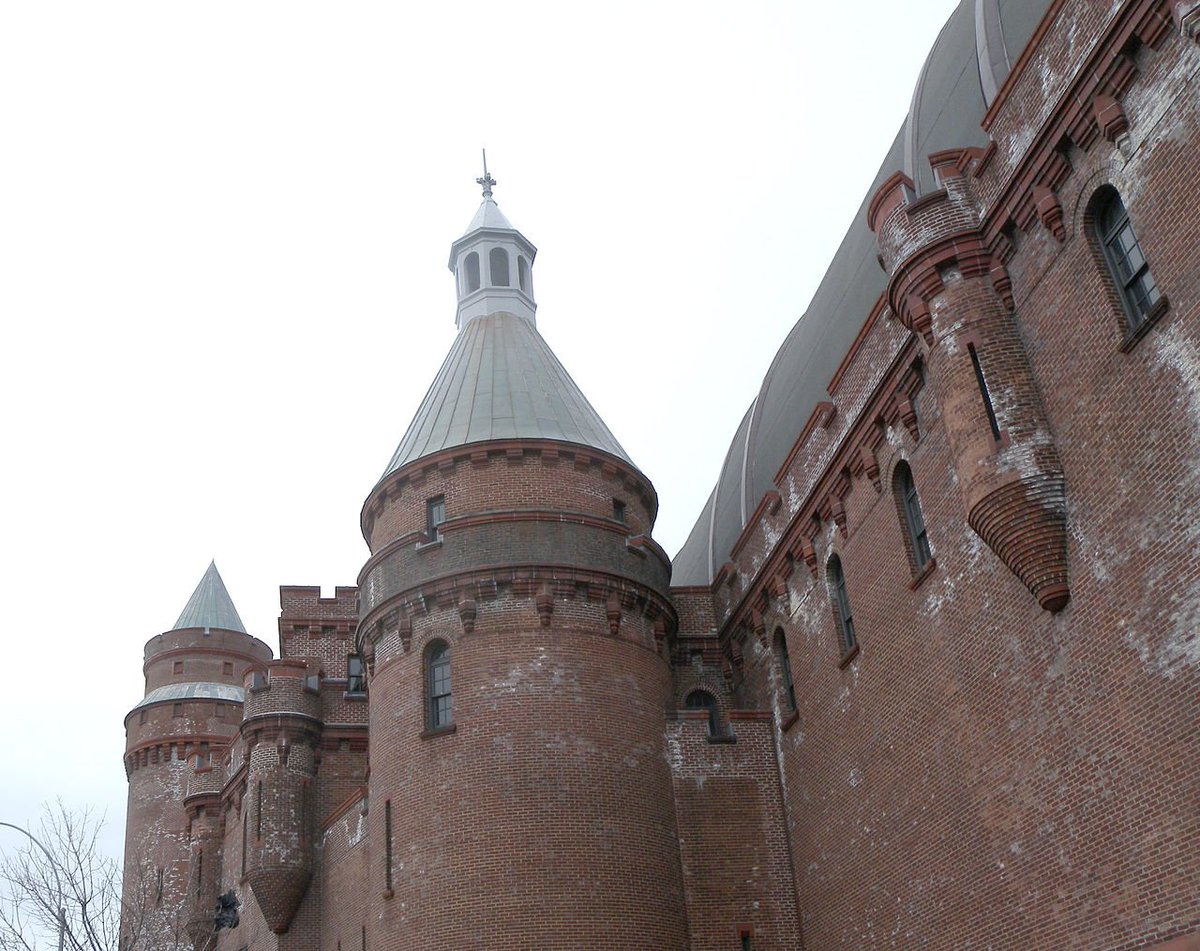 Pierina began her career in public service in the summer of 2007, and it propelled her into a career in public policy and urban planning. She advocated to expand early education programs at Agenda for Children Tomorrow, and helped immigrant families stabilize their status in the US. After college, Pierina came back home to work in the Council District 14 office, supporting thousands of her neighbors with their concerns.
Pierina served in the Obama White House and, after her master’s program, as an urban planner at Regional Plan Association. She partnered with frontline community organizations to include thousands of low- to moderate- income voices from immigrants and communities of color and shape the critical planning process. During this time, Pierina was also a member of Bronx Community Board 5, where she fought for deep affordable housing and meaningful investments during the Jerome rezoning process, and later cofounded the Jerome Avenue Revitalization Collaborative. Pierina served as an advisor in the Mayor’s Office, where she advocated for progressive housing, economic development and land use policies, and resources for NYCHA.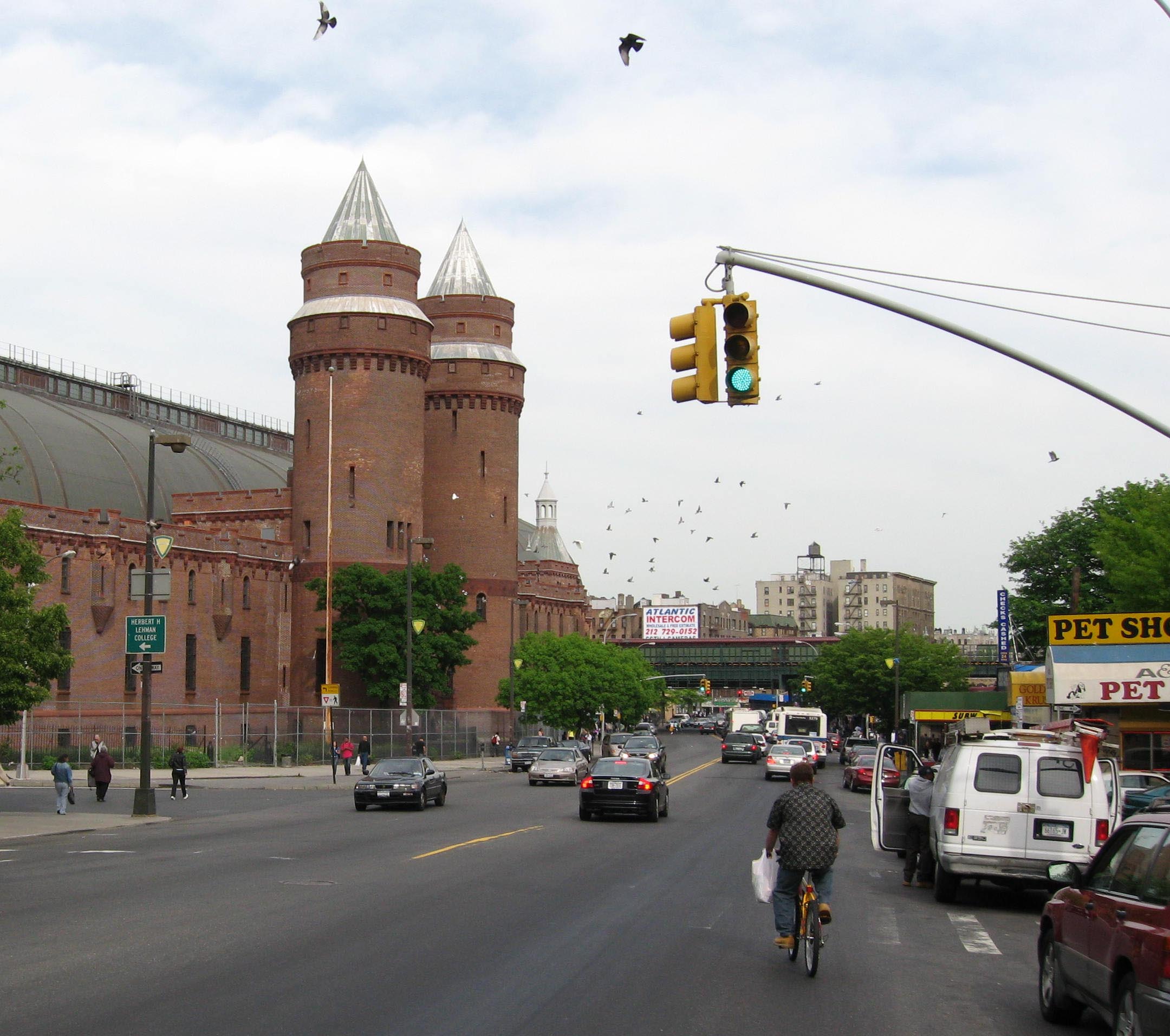 She then served as a Senior Fellow at the Pratt Center for Community Development.
Pierina is a proud alumna of Bronx public schools P.S. 46 and M.S. 45, and the Academy of Mount Saint Ursula. She went on to graduate from Harvard University on a full scholarship and earn a Master in Public Affairs degree from Princeton University.
Sandra Lobo, Northwest Bronx Community and Clergy Coalition (NWBCCC)
Sandra Lobo currently serves as the Executive Director of the Northwest Bronx Community & Clergy Coalition (NWBCCC), a 48-year-old member-led organization that unites diverse people and institutions to fight for racial and economic justice through intergenerational organizing. The NWBCCC organizes around health justice, environmental sustainability, school to prison pipeline, equitable economic and community development, and safe affordable housing within a racial justice and economic democracy framework.
A first-generation immigrant and resident of the Bronx for over 30 years, Sandra has worked to develop leadership of color, creating long-term organizational sustainability, and building community shared wealth and ownership and collective governance over local assets through an anti-racist lens.