For the love of the game and the Creator: A cultural history of lacrosse
Reading Time: 3 minutes
By Dream Homer
Lacrosse is seen by many Canadians as the national summer sport, but the game holds a much deeper cultural significance and pride for members of the Six Nations.
Professional Indigenous athletes Mekwan Tulpin, Keir Johnston and Dallas Squire went in depth on the historical and cultural significance of the game for Ryerson’s 2020 Pow Wow Education Week, which was held virtually this year.
“Regardless of what sport you play, everyone should know the historical significance of that sport,” said Squire. The same holds true for lacrosse, “the fastest game on two feet,” as Squire describes.
Originally known as “stickball” or “Tewaaraton,” the Mohawk name for the game of lacrosse is more than an amusement for Indigenous peoples in Canada. For them, it stems all the way back to the story of creation. The game has always been played to express gratitude and provide enjoyment for the Creator, according to the Onondaga Nation.
The game involves using a hooded stick to carry, pass, catch and shoot a ball into opposing nets on a grass field. Like soccer, it’s fast-paced and exceptionally physical. Its word in the Onondaga language is “baaga’adowe,” which means “bumping hips.”
The game of lacrosse has played an important role in sharpening ancient Indigenous hunting and gathering skills, which were part of the physical demands of their everyday life.
Lacrosse is also connected to spiritual wellness and healing. Each member would have their traditional sticks and play a game in honour of those who were sick or needed a dose of good medicine. It’s also considered a means for recreation and enjoyment.
“There’s a source of pride that comes along with playing lacrosse,” said Squire. When babies are born, it’s tradition for several Indigenous cultures to gift them a lacrosse stick. Learning the skills involved were picked up almost naturally while living in traditional Indigenous society.
The equipment and spiritual meaning
The lacrosse stick acts as a conduit for the spiritual elements of the game. Each First Nation has their own tradition and version of the stick used.
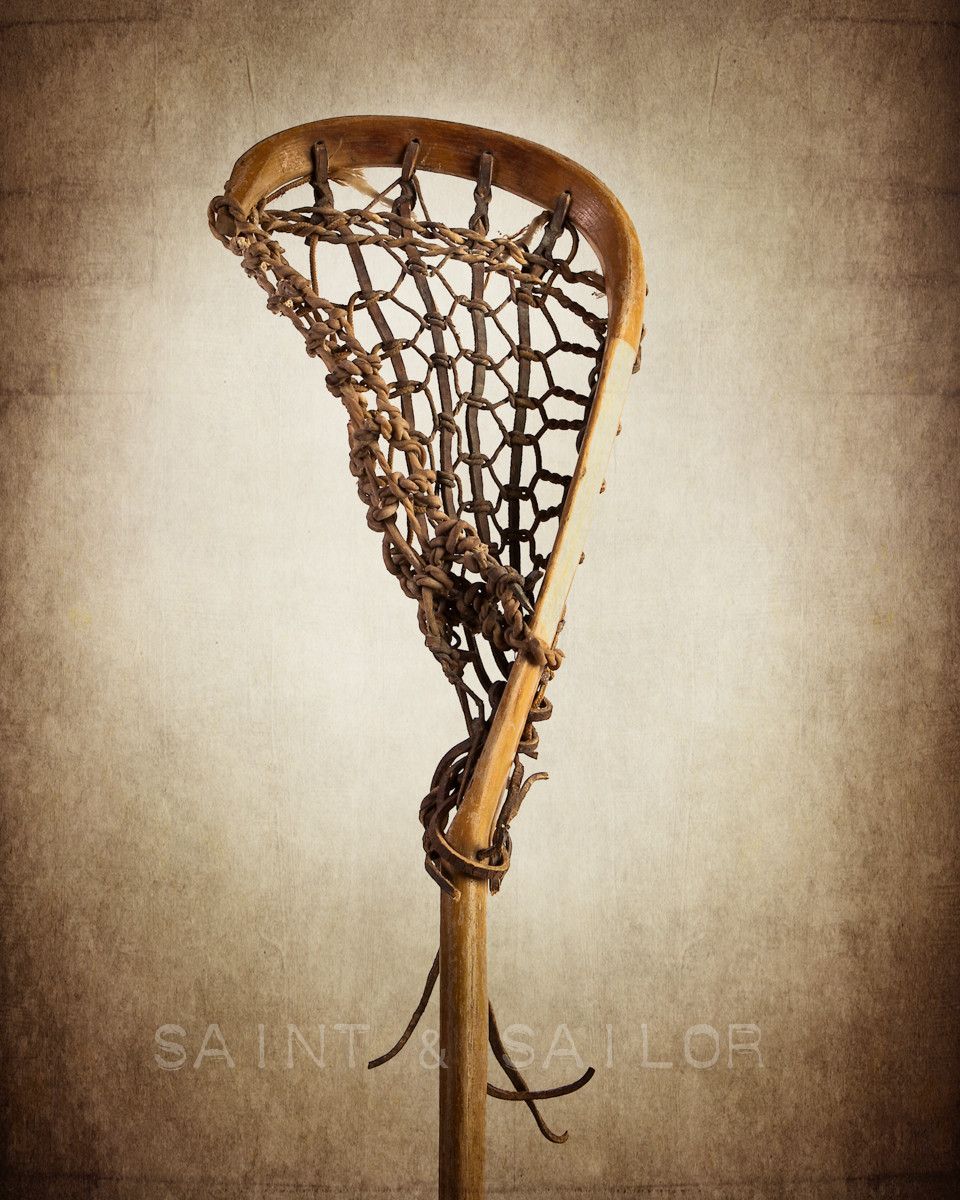
The significance is that the stick was a living entity standing before a tall tree. “When you hold a traditional stick in your hand, you’re embodying three spirits: the wood which came from a living tree, the leather in the pocket of the stick that embodies an animal and yourself,” said Squire. “You have a spirit as well.”
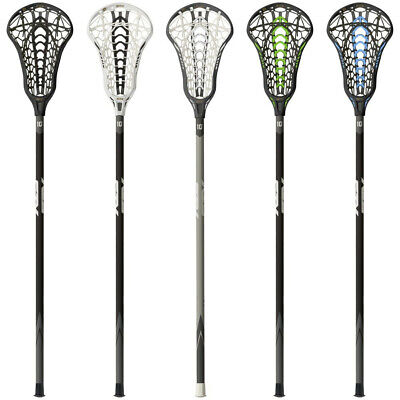
In the past, lacrosse was typically played with a wooden stick but eventually transitioned to plastic and fibre glass.
The embodiment of the three spirits is where the “good medicine” originates from. Every time a stick is made, there is an honouring of that process which was certainly timely, but precious. Squire said that when his grandfather made wooden sticks, the process would take up to a year. Much of it involved honouring the hickory tree which provides the material for the stick—from drying out the wood to eventually bending it into the desired shape. Deerskin was mostly used for the pocket of the stick and the game ball made of animal hide.
“We believe everything has a spirit and so we are honouring that tree for giving us the opportunity to make this lacrosse stick so we can play this game that we [have] played since the time of creation,” said Squire.
Lacrosse brings communities of Indigenous folks together. Squire detailed his early memories of playing the game with his family and friends from other communities, who were close and tight-knit from birth.
Squire mentioned how playing lacrosse was an outlet of good energy. There was never pressure to play lacrosse for Squire as a young kid, however he explained how he naturally “gravitated towards it” and felt honour being a part of something so spiritual and cultural.
Lacrosse has adapted widely throughout Western culture and continues to grow in universities and colleges across North America. Unfortunately, Ryerson is not among the post-secondary schools that have a lacrosse team.
“All of our competitive clubs are student-driven, and if a group could demonstrate that there is enough student interest to build a sustainable program, we would certainly be willing to work with them on it,” said Ryerson’s competitive clubs director, Ryan Danziger.
For the Indigenous community, lacrosse is sacred and descends from an important part of their history.
“The feeling you get, the freedom. I think it’s a lot about freedom when you’re playing this game,” Squire explained. “It speaks to a very primitive bones in our body that you’re free.”
Lacrosse Sports History: Where Did It All Begin?
Previous
|
Next
The lacrosse game has a fascinating history with its origins stretching back over 3000 years. It forms one of the oldest team sports in North America. A better understanding of the origins of lacrosse helps us to connect more closely with it and offers a rich insight into the game we’ve been playing till today.
What Is Lacrosse?
- Lacrosse is a team sport.
- It is played using a lacrosse ball and a stick.

- The number of players consists of 2 teams – 12 players on each.
- Each player uses the stick to catch, carry, shoot and pass the ball, with the aim to score a goal in the net.

How Old Is The Game?
The lacrosse game is thought to be around 3000 years old and was originally enjoyed by the Native American people.
However, when we ask – who invented lacrosse? – we are actually exploring vast, diverse nations, each with its own rules, motivations, and preferences.
The Early Days
Lacrosse owes its origins to the Native American people of the area now described as Canada and the United States and was originally enjoyed by the Plains Indians tribes, and eastern Woodlands Native Americans.
Depending on the region, lacrosse game used to have various names:
- ‘dehintsigwaehs’ (they bump hips),
- ‘tewaaraton’ (little brother of war),
- ‘baaga adowe’ (bump hips),
It’s important to note, that lacrosse game rules were also varying among different regions – in some, it would consist even of hundreds of players, divided into two sides from opposing tribes, or villages, who would rush to catch a single ball after it was thrown into the air.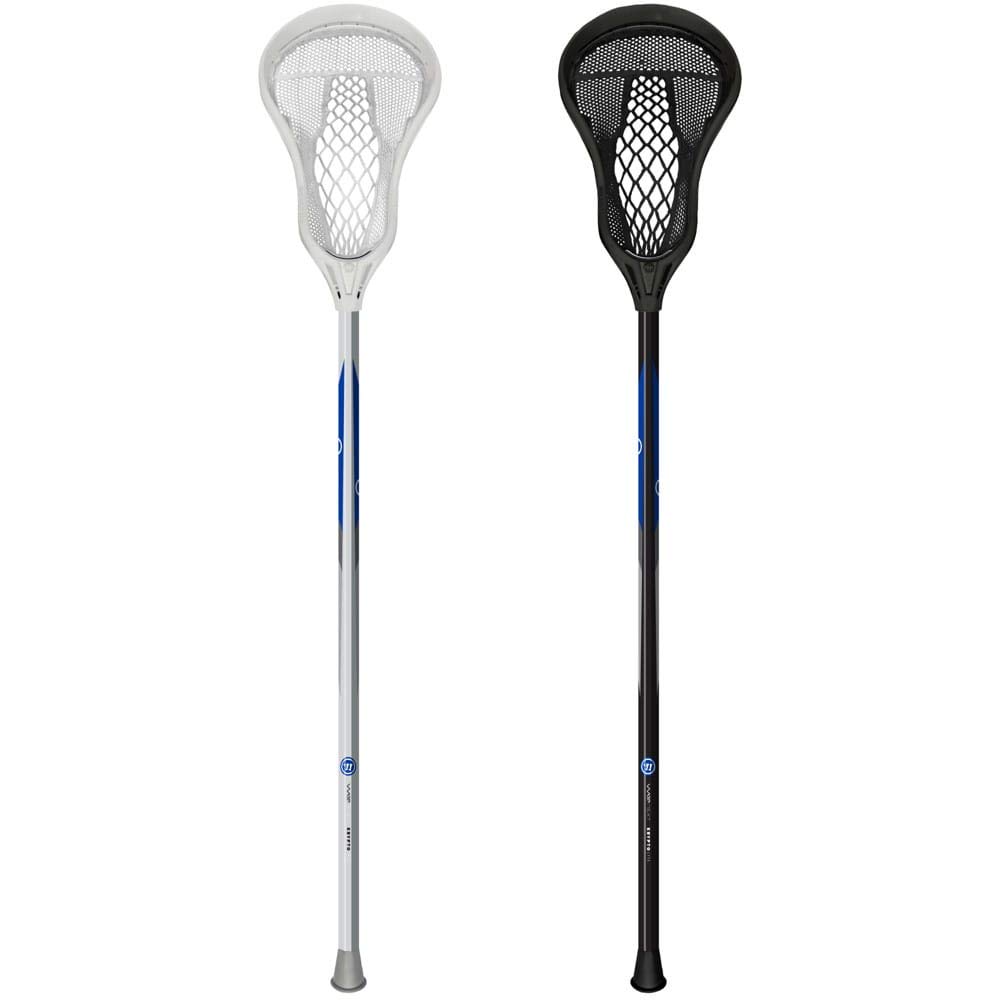
However, the focus of all the variations of lacrosse remained quite the same – chasing and obtaining the ball.
Rules and place of the game
- As a symbol of the competition, games were typically enjoyed on green space, located between the two villages, and the playing space was vast, with goals ranging from between 500 yards and 6 miles apart;
- These spaces were typically constructed from trees or large, clear rocks in the early days.
- Rules were sparing: out of bounds was not an issue, but it was important that the ball was never touched with the hands.
- The play would occur from sunup to sundown, with the victor determined at this point.
The Purpose of Lacrosse
As well as offering a recreational activity, lacrosse had other interesting purposes:
- It was used as a means to settle disputes between tribes: Iroquois lacrosse is a key example of this.
- It could also be used to prepare players for combat, ensuring that their physical fitness and strength were maintained.
- It was also forming part of a festival or ritual.
- In some cases, native American games even had a spiritual component, and would be played as a form of collective prayer, “for the pleasure of the Creator.”

Before The Match
The early days of lacrosse came with specific rituals and practices akin to those associated with war.
- Appearance. Players on either side would decorate themselves and their stocks with paint and charcoal, as well as attributes to represent the qualities they wished to demonstrate in the game, such as strength or bravery.
- Food. There were rules on what could and could not be eaten prior to a match.
-
Pre-game nights. The night before a game there were huge events, with ceremonial regalia, dances, sacrifices, and the expression of sacred expressions: medicine men helped with rituals before and on the day of each match, including the tradition of ‘going to water’ – as the name suggests, this involved dipping sticks in water, while a medicine man delivered a spiritual talk.
- Betting. Wagers were also an important pre-game ritual, and this was required of every player. These involved key items including knives, handkerchiefs, trinkets, and even horses, and bets were clearly displayed. Winners would receive a share of these after the game if successful.
In the Southeastern version of the game, players had three areas to score, demonstrated by marks on the stickball pole, with each area offering a different number of points:
- Anything below the first mark – around chest height – would not be scored while hitting the first mark earned one point.
- At the top of the pole – you received two points per hit.
- The very top of the pole – three points – this would typically be embellished with a figure, such as sacred animals.
Though most games wrapped up at around twenty points for one team, scoring was not tightly monitored; the thrill was in the game, rather than a strict outcome. Immediately after the game, there would usually be another huge ceremony, with dances, feasts, and celebrations.
It is worth noting that women’s lacrosse was also a popular pastime in many areas in addition to the male lacrosse game. This female version of lacrosse was known as ‘amtahcha’. Sticks tended to be shorter, and sometimes a double ball was used.
Evolution Of Lacrosse
Lacrosse has developed from the style of the native American athletes, and the introduction of Europe is an important consideration in the history of lacrosse timeline.
- According to history, there was a version of the lacrosse sport present in the 17th century, in the area now known as Canada.
- French Jesuit missionaries are said to have witnessed the game being played by American Indians, and condemned the violent nature, as well as the inclusion of gambling and betting, and vowed to eradicate the sport from the area.
- Despite their disapproval (or perhaps because of it!) European colonists visiting the area became fascinated by the game, and it was popular amongst French colonists by around 1740 – though it was noted that their skill level was not equal to that of the American Indians.
- Texts from James Smith in 1757 suggest that by this time, a wooden ball was being used, manipulated by a strong staff with a hooped net at one end – the forerunner of our modern day lacrosse sticks.
- From here, the popularity of lacrosse spread across the European colonists, resulting in the game being taken back to Europe and enjoyed across the continent.
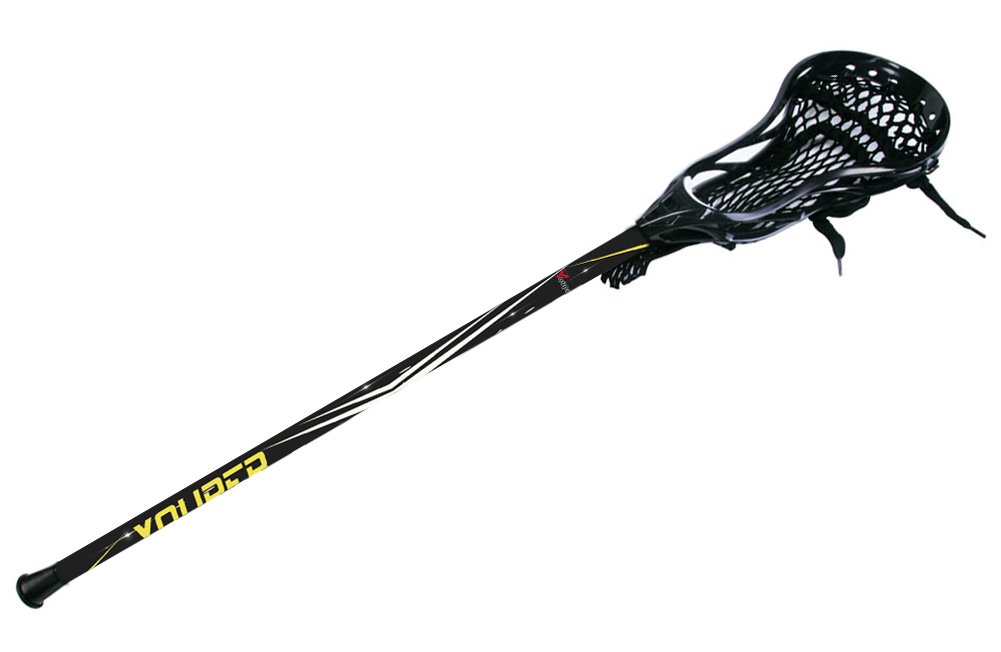
Meanwhile, interest in lacrosse was growing across Canada, after a team of Caughnawaga Indians demonstrated the game in Montreal in 1834, lighting the spark of intrigue, and resulting in the creation of the Montreal Lacrosse Club in 1856 by William George Beers.
He then went on to modify the game creating uniformity:
- The length of the game was shortened.
- The number of players was reduced.
- Rubber ball and stick were introduced.
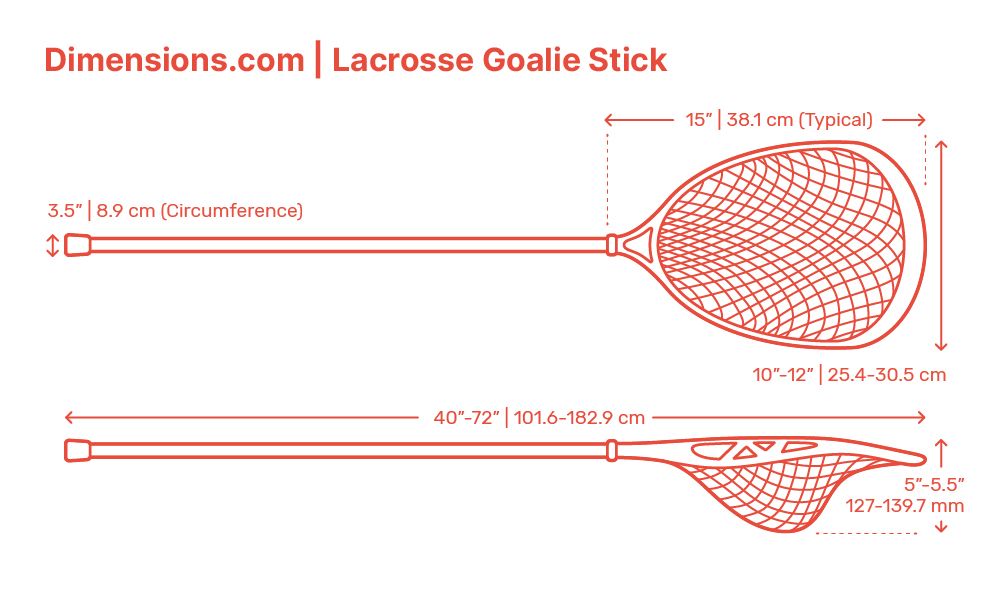
The first game in this style occurred in 1867, and lacrosse became the national game of Canada.
The Royal Seal Of Approval
Lacrosse enjoyed the royal nod – thanks to a visit by Queen Victoria in 1876. Upon observing an exhibition game, she said that “the game is very pretty to watch.” This resulted in an explosion in popularity amongst English schoolgirls, with most schools adopting lacrosse from the late 1890s.
This moment brought women’s lacrosse to the forefront, helping it to be recognized, established, and appreciated on the same level as men’s lacrosse.
At around the same time, the first organized lacrosse club appeared in the United States – again, both sexes were recognized. Lacrosse was well on its way to serious world domination.
Modern Lacrosse
By the 20th century, the majority of schools, colleges, and universities had adopted lacrosse as a league sport – in 1904 it gained official Olympic status. In 1908 it formed a sport in the World Games.
Later on, various adaptations and variations started to appear:
- An indoor version of the sport appeared in Canada as a response to the cooler climate.
- Both minor and professional leagues began to spring up, including the National Lacrosse League, Major League Lacrosse, and, most recently, the Premier Lacrosse League.
The lacrosse game continues to be a popular sport around the globe, and the development of the Premier Lacrosse League is only enhancing this.
Players are considering going pro, college students are making the most of their skill set, and the reputation and status of lacrosse are only increasing.
As the popularity increases, more and more players discover and enjoy this fast-paced, exciting game – and one which has one of the most fascinating histories of team sports across North America. The history of lacrosse is ongoing; fans can only watch and wait, to see where the next development takes us.
Related Blog Posts
Lacrosse Defensive Strategy: What You Need to Know
Getting to grips with a defensive strategy can really help you boost your success in lacrosse. Read on for the top tips, and see how you could claim a win!
Read more
Lacrosse Ball Weight: What You Need to Know
Lacrosse ball weight varies – read on to find out everything you need to know about how to pick the right lacrosse ball.
Read more
Women’s Lacrosse Drills
Discover the most popular women’s lacrosse drills, and get ready to take your team to the next level.
Read more
Leave a comment (all fields required)
Comments will be approved before showing up.
Subscribe to Victorem Gear Newsletter!
{{title}}
{{#if available}}
{{price}}
{{#if compare_at_price}}
{{compare_at_price}}
{{/if}}
{{/if}}
Pngtree and Vectors Free Images
-
line travel world travel plane gradient template banner
-
explosion vector
-
autumn promotion template Activities Yellow plant
-
Simple decoration festival for all decorations
-
Underwater colorful decorative illustration
-
plunger vector flat icon
-
Vietnam Businessmen Day gold border
-
Lemon essential oil refreshing aroma
- 9 0004 fresh fruit cherry sticker image vector
-
cheer up handwriting hand lettering word art colorful
-
psychology text vector
-
spicy chili sauce splash0059
love monkey vector
-
moldovan flag with pole
-
eid mubarak arabic calligraphy with crescent moon and stars vector
-
naya smooth
-
fire emoticon wink expression vector
-
vector red green and yellow pepper
-
charming bud flower watercolor portrait
-
faint cute cartoon
-
abstract vector background dark blue wave transparent
-
smoky clouds on blue sky isolated transparent background similar robot woman futuristic
-
cow head illustration vector
-
hat ri 78th happy republic indonesia august 17 2023 vector
-
male face to forgive each other
-
light effect shiny bright flash yellow glow flashing aperture motion creative line shining beam
-
this vector floral mandala pattern is the perfect addition to your design portfolio
-
happy easter clipart transparent background
-
perfume charming fragrance
-
Cute blue and pink owl
-
drops of melted chocolate
-
christmas tree balls beautiful pattern
-
Mid-Autumn Festival moon cake color pastry gourmet real effect
-
gas station line icon vector
-
twibbon kingdom of libya independence day transparent vector
-
colorful business minimalist presentation template
-
Creamy Donut Bread Transparent
-
fisherman dad new t-shirt design vector
-
azerbaijan flag vector
- 9000 4 thanksgiving cute girl illustration
-
ambulance line icon vector
-
simple purple photo frame with smoke effect on transparent background
-
line icon pack vector0005
-
vintage car design with old school look
-
Restaurant flat vector icon
9014 7
100k followers thank you vector
“🥍” Meaning: Lacrosse Emoji | EmojiAll
🥍Meaning and Description
This is a rubber ball and stick with a long handle. Appearance varies from platform to platform. Represents lacrosse. A variation of lacrosse originated in what is now Canada in the 17th century. Compared to hockey 🏑, the lacrosse stick is longer and the material of the lacrosse ball is also different. Related emoji: ⚾️ 🏒.
💡Extended Reading & Non-fiction
Emoji symbol meaning 🥍 lacrosse, it is related to goal, score, stick, ball, racket, it can be found in Emoji Category: “⚽ Activities” – “🏀 sports”.
Wikipedia: 🥍 Lacrosse
Lacrosse (from French la crosse – club) – a contact sports game between two teams, using a small rubber ball (62.8-64.77 mm, 140-146 g) and a club with a long handle called a stick (eng. lacrosse stick or French crosse). Lacrosse is often considered a tough contact sport, but injuries are much less common than in American football and other contact sports. The top of the stick is braided with a loose mesh designed to catch and hold the ball. The object of the game is to shoot the ball into the opponent’s goal, using the stick to catch, control and pass the ball. The task of the defense is to prevent a goal and get the ball with a stick, contact grappling or correct position on the field. There are four positions in the game: midfielder, attacker, defender, goalkeeper. In field lacrosse, the attackers only attack (except in the “ride” situation, when the defense tries to clear the ball and the attackers try to interfere with them), the defenders only defend (except in the “clear” situation, when they need to clear the ball), the goalkeeper is the last a line of defense directly protecting the goal, midfielders can be anywhere in the field and play both defensively and offensively, although at a high level of play there is always a specialization between defensive and attacking midfielders. 🔗 Lacrosse
🌐: لاكروس, Lakross, Lacrosse e, ラクロス, Lacrosse, 라크로스, Lakrosas, Lakross, Lacrosse, Lacrosse, Lacrosse, Lacrosse, Lacrosse, Lakros, Lacrosse, Lacrosse, Lakros, Lacrosse, Bóng vợt, 袋棍球.
🥍Examples and usage
🔸 Let’s go play lacrosse 🥍.